Billboards

It’s impossible to take a road trip in America and not be visually assaulted by billboards. They increase in number and ugliness each year with no signs of slowing down.

Our recent road trip to the East Coast was no exception. Deals from law firms, commands to find God or Jesus and condemnation of women’s choice lead the pack. After 900+ miles of scams and commandments, I was getting weary. And then a refreshing billboard appeared.
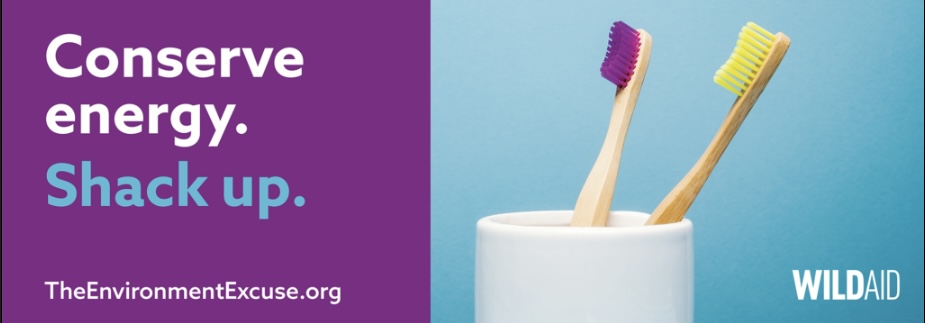
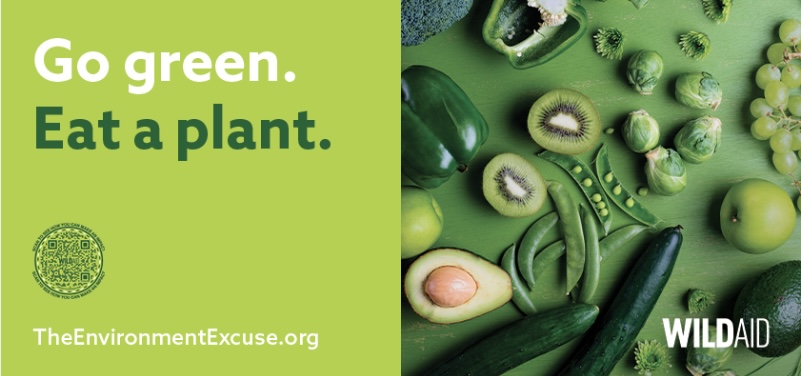
While searching for a gas station off the freeway in Pittsburgh, this caught my eye. I smiled instantly and laughed out loud. Finally, a positive and humorous message about a serious topic.

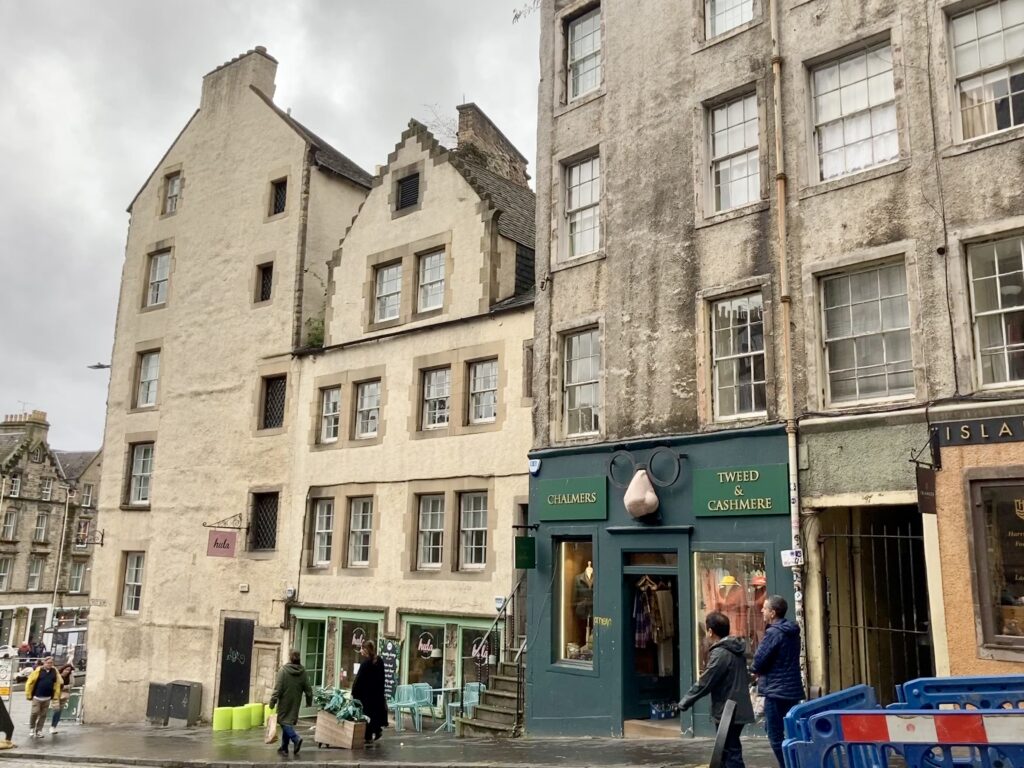
461 miles down the road on Interstate 294 in Chicago, another billboard stood out from all the rest.
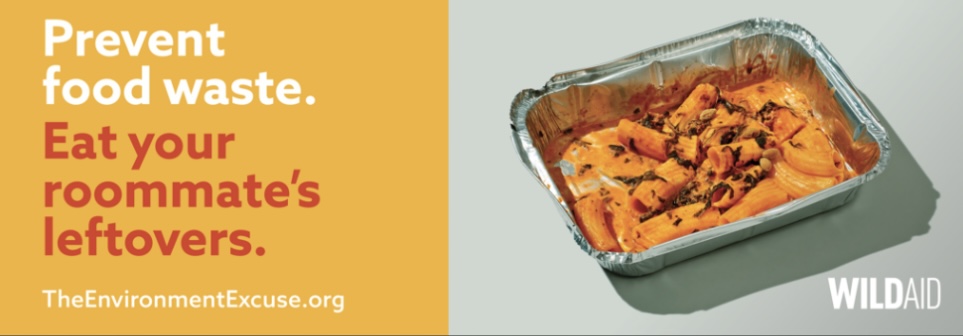
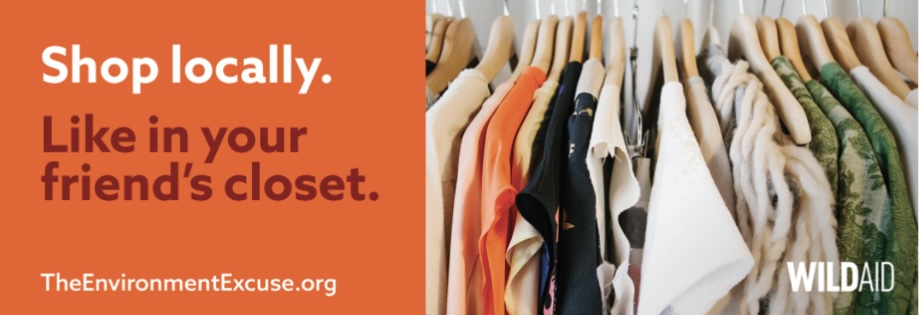
Now I was curious to find the source of these witty, environmental messages. Since I was not the DD at the moment, I searched my iPad to discover that a global non-profit, WildAid, is the creator of the ad campaign. (Charity Navigator gives them a 100% rating.) Their mission is “to inspire change and empower the world to protect wildlife and habitats from critical threats”.

Their newly launched campaign targets climate change. Billboards will appear in over 50 American cities with messages that offer “viable solutions to quell eco-anxiety through personal and collective action to benefit the climate.” The target audience is GenZ, those born between 1997 and 2012. Research suggests that 77% of GenZ believes that “lifestyle changes are vital to make an impact on climate change.” They also feel hopeless and alone.

Instead of the usual images of wildfires, floods or droughts, WildAid will focus on lifestyle changes that anyone can make. They offer the possibility that small acts done collectively can bring needed change.
I heartily concur. It is always better to be doing something than to be a paradigm of doom and gloom.

4

Smell

Our species is not known for its acute sense of smell. I’m reminded of this every time our cats are sniffing around, checking out what’s been going on in our environment. At the same time, I am smelling next to nothing.

But as many people discovered during Covid when their sense of smell vanished, smell is crucial to the enjoyment of life. Here is how three writers weigh in on the topic:

“Smell is the closest thing humans have to a time machine.” Caryl Rivers

“Smells detonate softly in our memory like poignant land mines, hidden under the weedy mass of many years and experiences.” Barbara Ackerman

“Smells are surer than sights or sounds to make your heart-strings crack.” Rudyard Kipling

That powerful emotional burst a smell incites can be explained scientifically. In humans, odors bind to receptors in our nasal cavity where neurons transmit signals straight to the olfactory bulb, the part of the brain responsible for smell identification, memory and emotion. It’s a direct hit.

No absolute scientific consensus exists on the number of basic odors people can detect. One study names seven basic odors; floral, fruity, minty, nutty, pungent, sweet and woody. Other scientists add putrid, chemical and decayed. Whatever the number, humans have lots to sniff out.

One sweet smell stands out as being universally loved around the planet. Scientific research indicates that the smell of vanilla is the world’s favorite scent. Scientists report that “the kinds of smells that people like or dislike tend to be common across individuals from distinctly different cultural backgrounds…”

I’ve reflected on the favorite smells in my life, the ones that open floodgates of memories.

  • The smell of High Desert Country after a downpour.
  • The smell of pinon pine woodsmoke on a winter night in New Mexico.
  • The intoxicating aroma of orange blossoms when driving along the Indian River in Florida on a summer night.
  • The smell of melting butter at the moment it browns.
  • The spicy, sweet smell as my Grandmother’s apple cake recipe bakes in my oven.
  • The heady smell of gardenias, the flower in corsages my father would give my mother when I was a child.

Weak as they are, never underestimated the magic of the human nose.

6

Concrete

My husband likes to send me articles I might otherwise miss. He and I have different news sources, so I’m delighted to get these items. His latest offering was heavy duty. It was all about concrete postage stamps. When I saw those words, images of letters and packages being crushed by the weight of their stamps came to mind. However, the reality turns out to be feasible and creative.

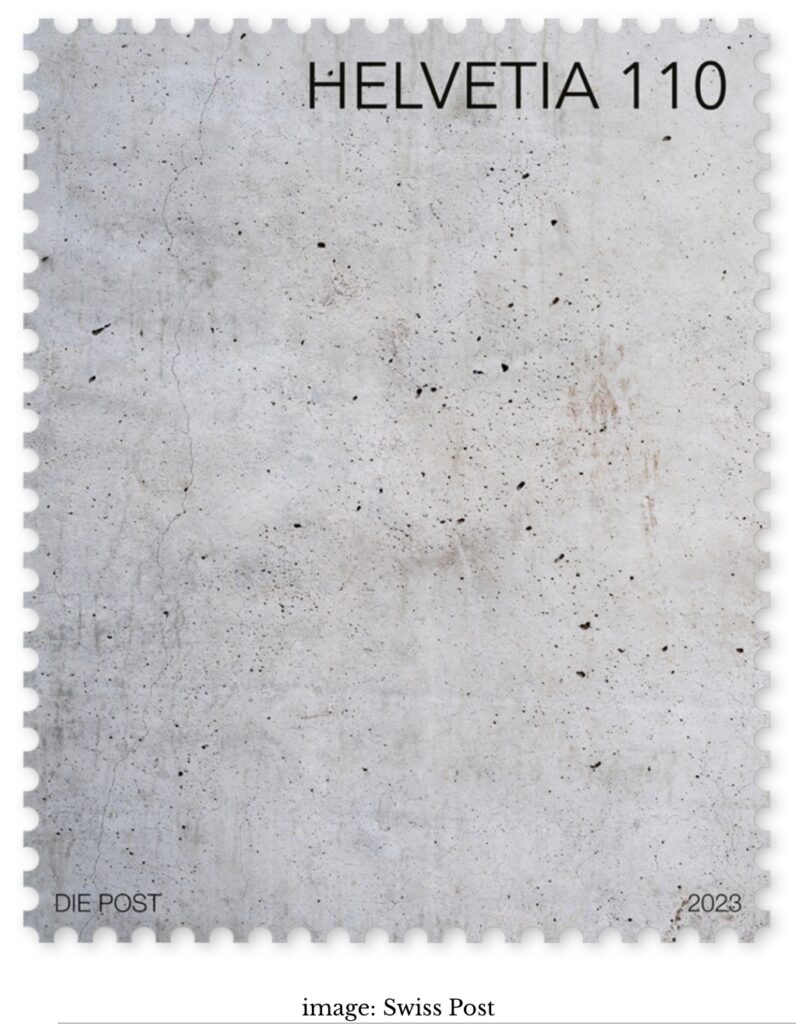
The Swiss Post Office has issued a stamp with an image of a blank concrete wall. The ink for the stamp is made with concrete pigments giving the stamp the feel of concrete. This minimalist stamp is third in the Post’s “Commitment to Arts” series and honors the importance of concrete in architectural history. A large number of public buildings in Switzerland employ the material including over 75 Post Offices.

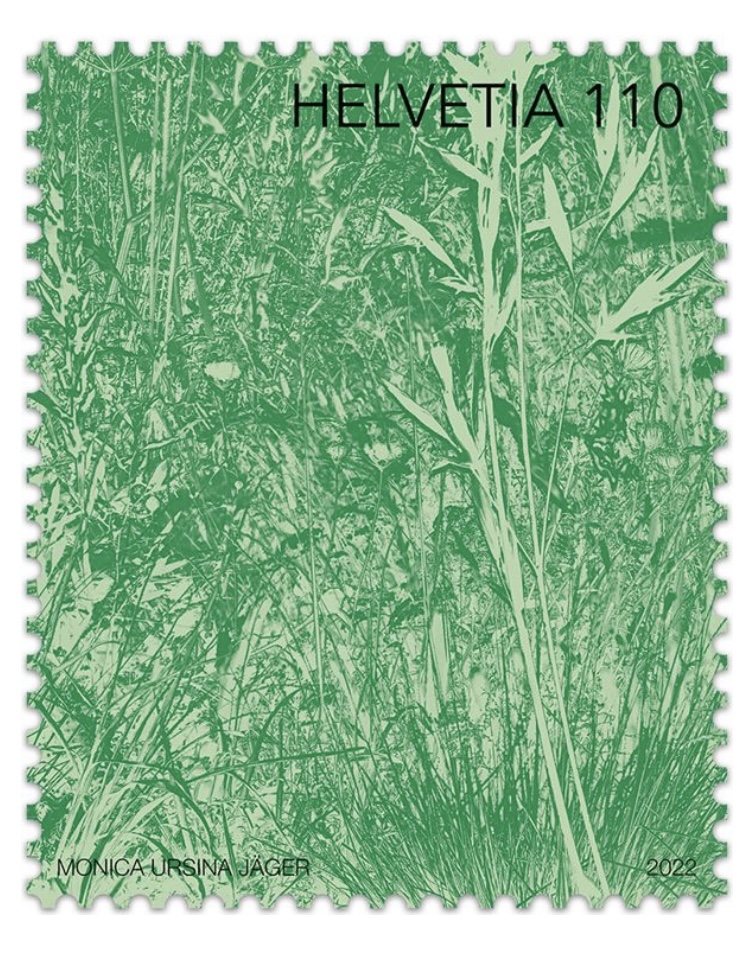
The first stamp in the series was also minimalist; it was a blank canvas made out of canvas. Chlorophyll pigment was used to create the series’ second stamp. The stamp’s designer, Monica Ursina Jaeger, painted a lush green meadow with the chlorophyll pigment. She explains that meadows are art projects since they are “usually created by people and only continue to exist with their help.”

My curiosity was piqued when I read about these unusual, but usable, stamps. I wondered if other countries have issued stamps with tactile or strange substances. The answer is an emphatic “yes”.

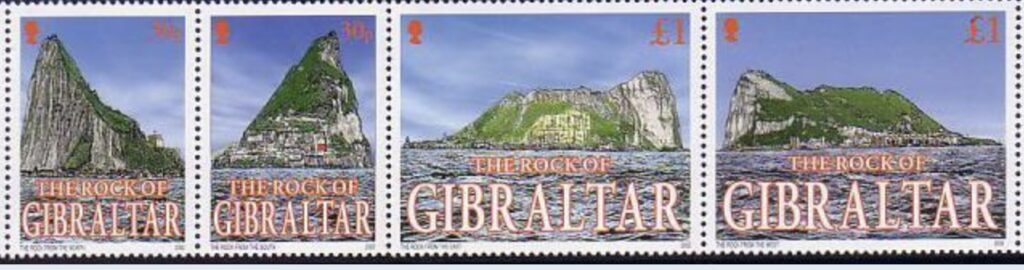
These stamps from Gibraltar have limestone from the Rock affixed to them.

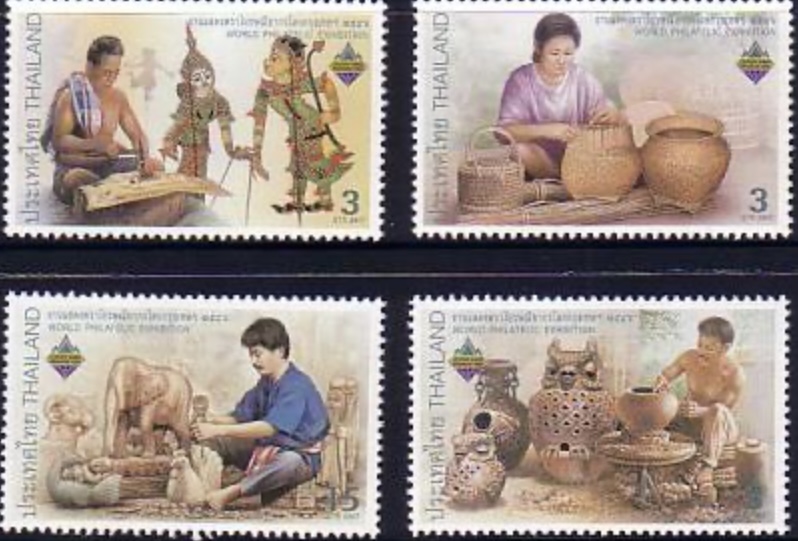
This set of stamps from Thailand has clay affixed to the pottery.

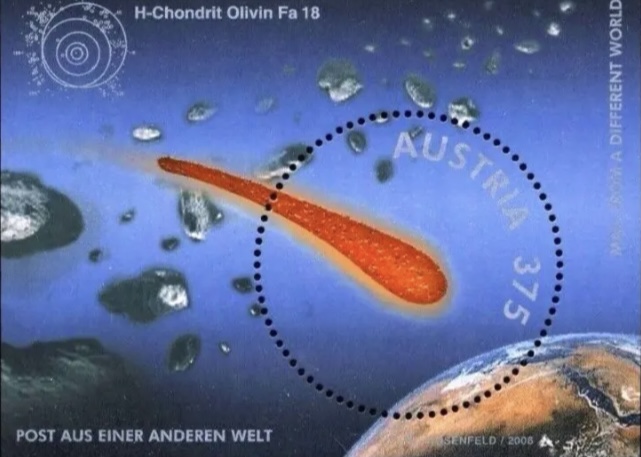
This stamp from Austria has meteorite dust affixed to it.

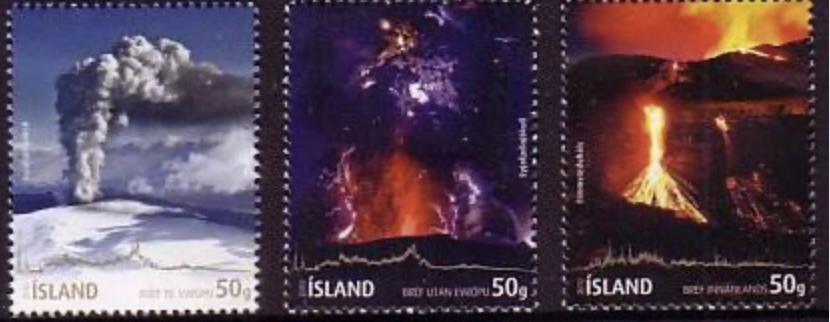
These stamps from Iceland feature volcanic ash.

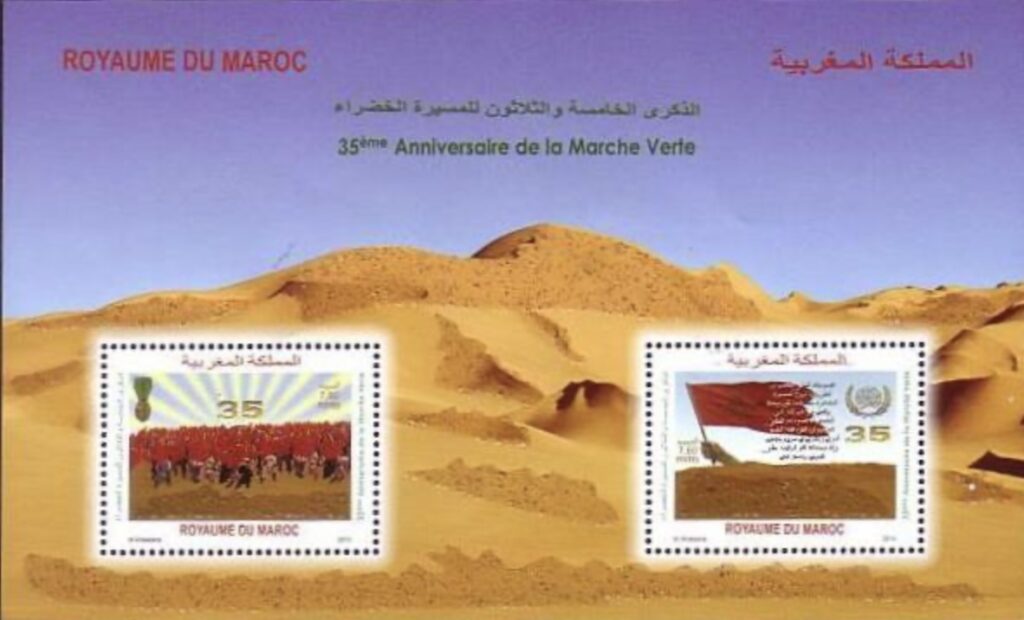
These stamps from Morocco have sand from the Saharan Desert.

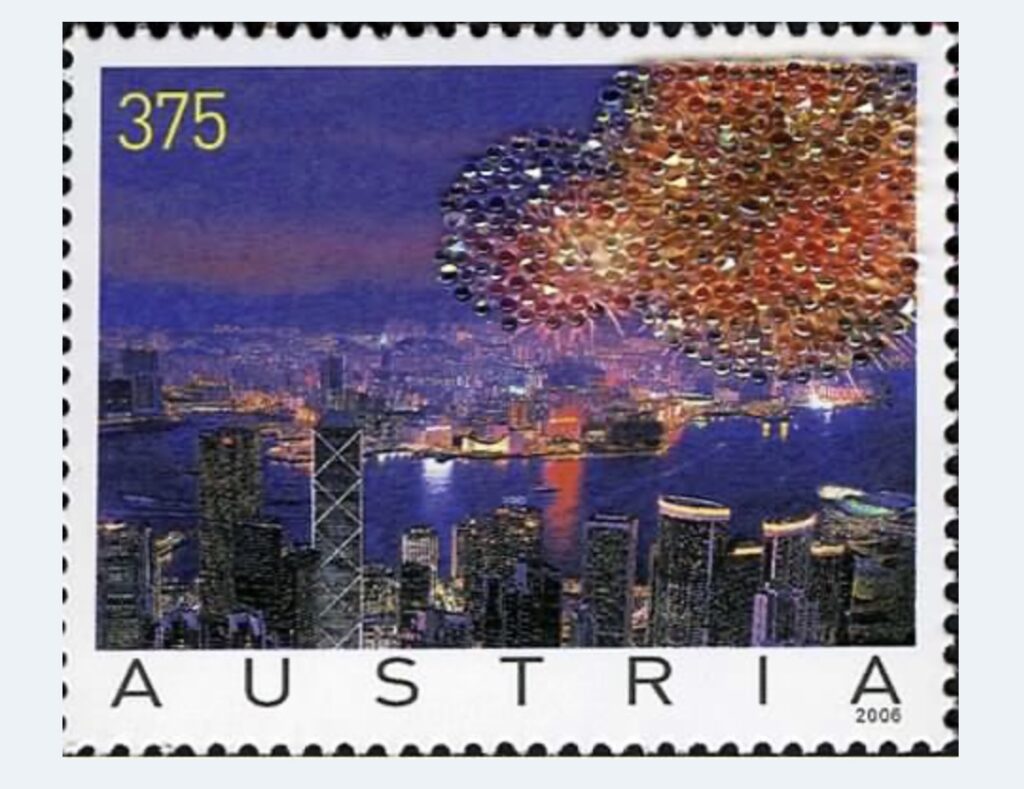
This stamp from Austria has tiny crystals affixed to the fireworks.

4

Hokusai

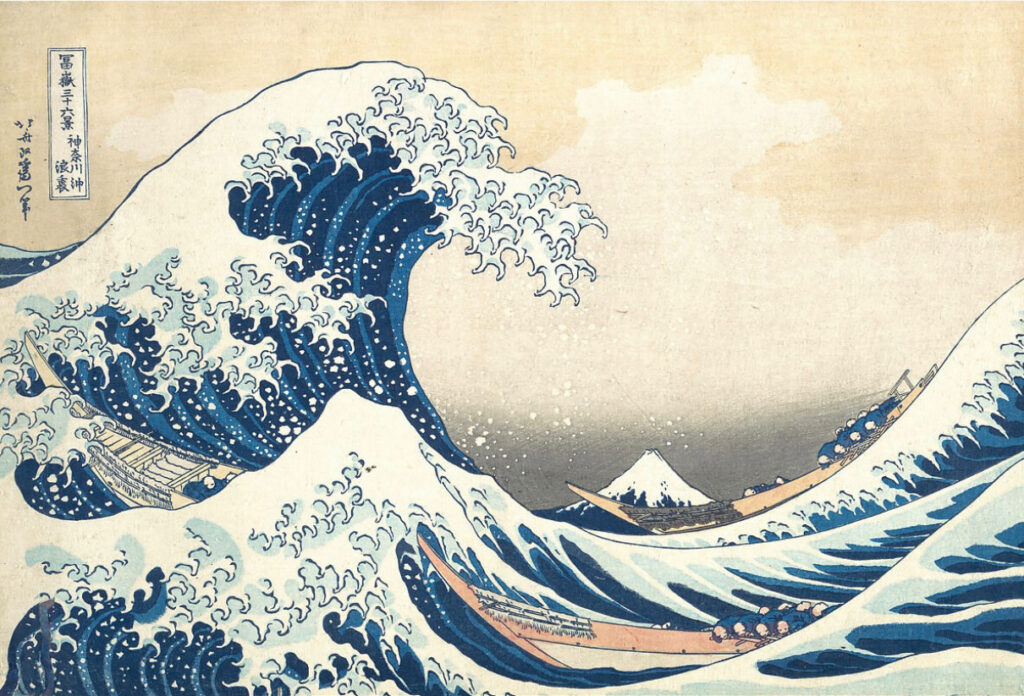
When it comes to making waves, one person has cornered the market. We have all seen his iconic wave or one of the numerous parodies of it. I’m referring to the Japanese artist, Hokusai (1760- 1849), and his most famous print, The Great Wave Off Kanagawa”.

In 1639, Japan closed its borders. Western culture was forbidden, foreigners were expelled and no one was allowed to enter or leave the country. During that period, art for the people was developed and flourished. Woodblock prints were sold as souvenirs at popular tourist sites, and Hokusai’s were the most sought after. He was the first printmaker to make landscapes as opposed to prints of courtesans and Kabuki actors, i.e., celebrity prints.

Hokusai was an incredibly prolific, dynamic and innovative artist. He changed his name over 30 times during his long life, a new name every time his style or subject matter took a different direction. Although the use of multiple names was a common practice of artists at this time, Hokusai far exceeded all others in name switching.

Hokusai started painting at the age of six, but his most famous prints were produced after age 60. “Thirty-six Views of Mount Fuji” was his most popular work, and “The Great Wave Off Kanagawa” is from that series. At the age of 89 and on his deathbed he said, “If only Heaven will just give me another ten years…just another five years, then I could become a real artist.” The last name he took was Gakyo rojin manjii which translates to Old Man Mad About Art.

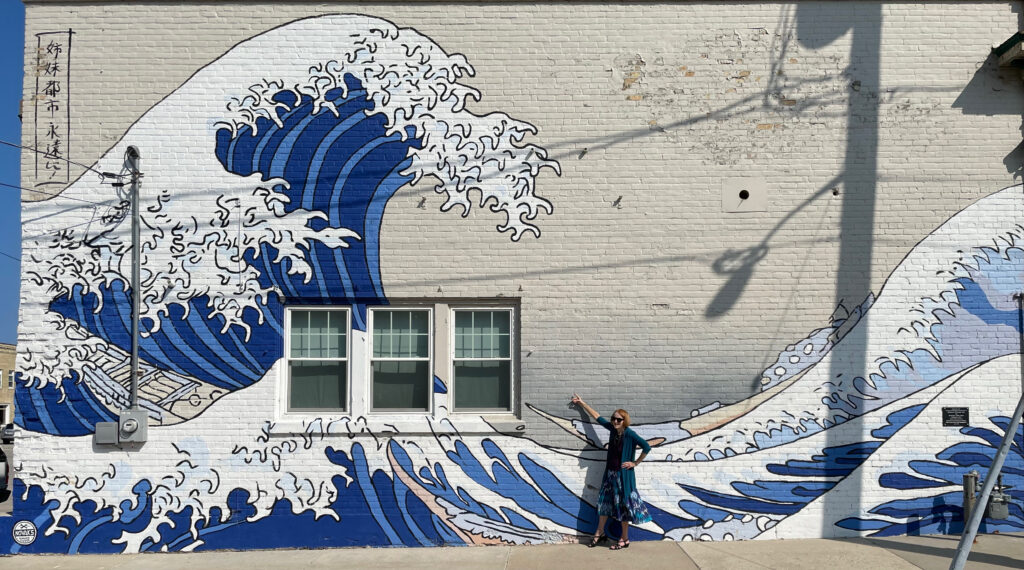
His wave keeps popping up all over the world, including the town nearest me, Manitowoc.

Click below for many ways artists have fun with the Great Wave…

6

Pop

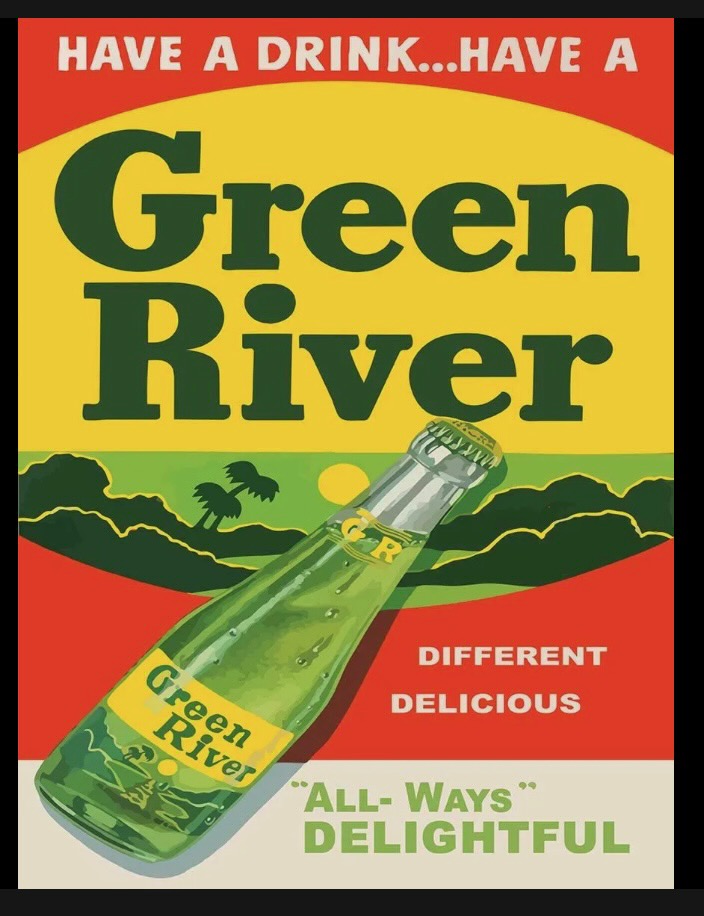
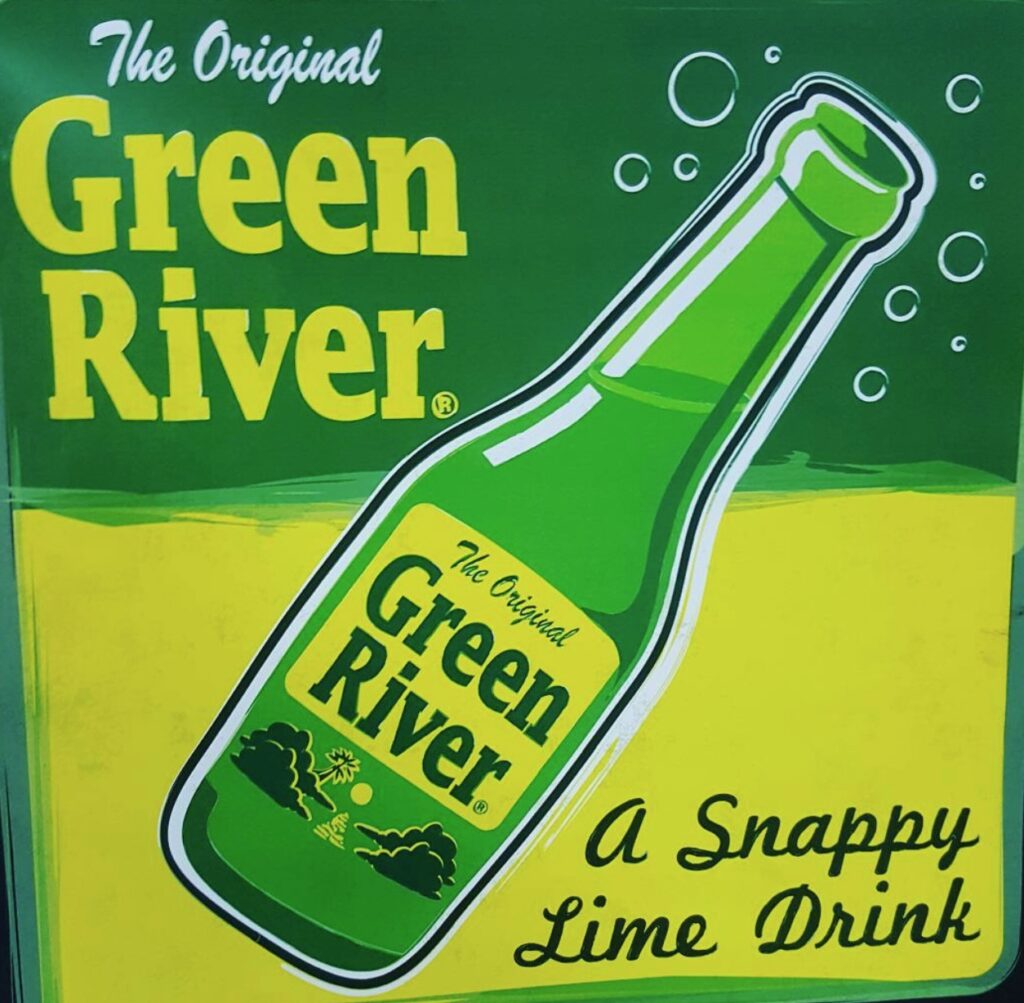
My husband and I were recently seated in an old-fashioned ice cream parlor waiting for our scoops to arrive. I began perusing the antique advertising signs that adorned the walls. Amidst the Coca-Cola, Faygo and miscellaneous other ads for pop, one sign gave me a big nostalgia hit. That sign hawked Green River.

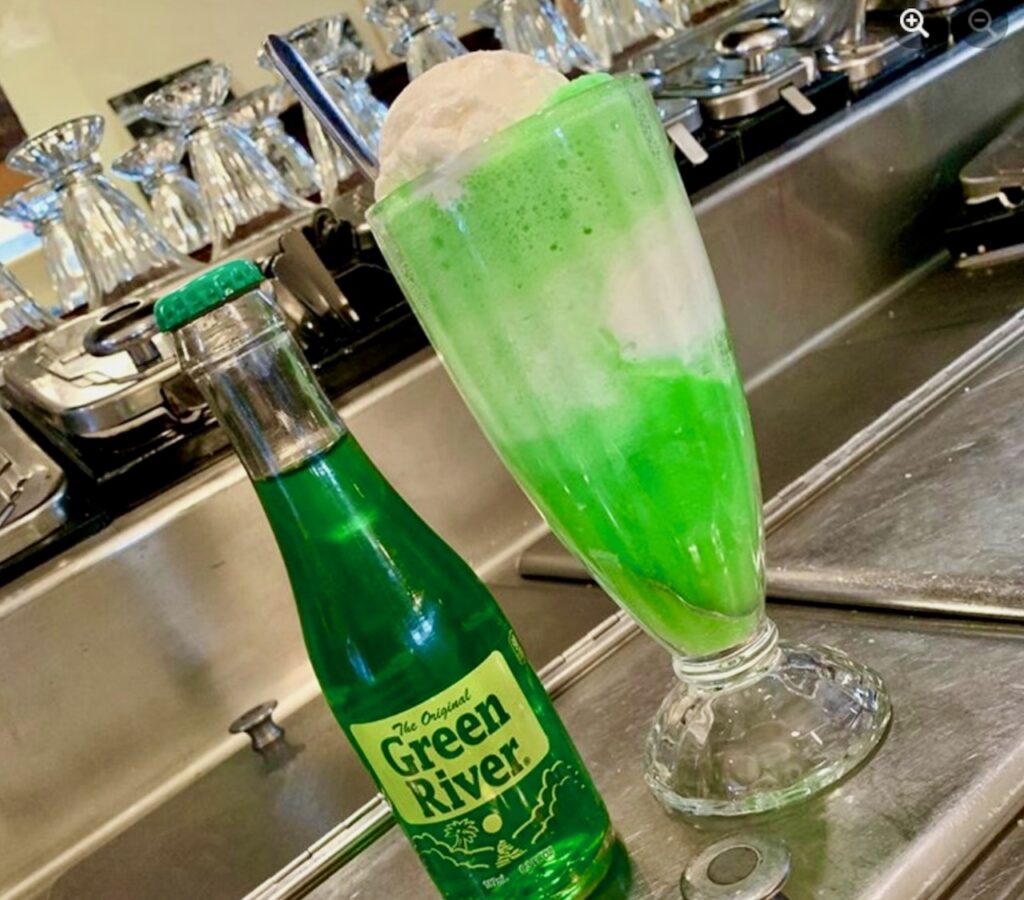
Even as a child, most sodas did not appeal to me. But there was one exception, the eye-popping, emerald green, super-sugary, lime drink called Green River. My cousins had the good fortune to have a soda shop on the corner of their block. Whenever I visited them, we would scrape together some nickels and pennies and get Green Rivers. I’m fairly certain that it was the gorgeous neon color of the soda that was a big part of its attraction.

My love of the drink extended into my teen years. My friends and I would stop at our local drug store’s soda fountain on our way home from school. My order never varied: a Green River and a bag of chips. Sugar, salt and grease…bliss!

Recalling these happy memories prompted me to look into the history of Green Rivers. I discovered “It’s a Midwest thing”. From 1930 to 1950, it was the second most popular beverage in the Midwest after Coca-Cola.

The concoction was invented by Richard C. Jones in Davenport, Iowa. He purchased a soda and candy store near a high school in 1914 and, shortly after, created his sugary, lime flavored syrup to make fizzy sodas. It was a big hit, and he sold his formula to the Schoenhofen Brewery in Chicago. The year was 1919, and Prohibition was about to begin. Beer was banned, and Green River saved the brewery. It was originally sold in beer bottles with a marble for a cap. Legend has it that the customers would shake the bottle to get the bubbles going thus making the marble pop out. It is a fact that soda is often called “pop” in the Midwest.

The Sprecher Brewery in Milwaukee currently owns the rights to the beverage. It is made in limited quantities, however, its sales surge when the Chicago River is dyed green for St. Patrick’s Day. In the Midwest, it’s easy to be green.

4