Crabby

I never turn down a chance to go to our local hardware store. Even if my husband only needs a few nuts and bolts, I tag along.

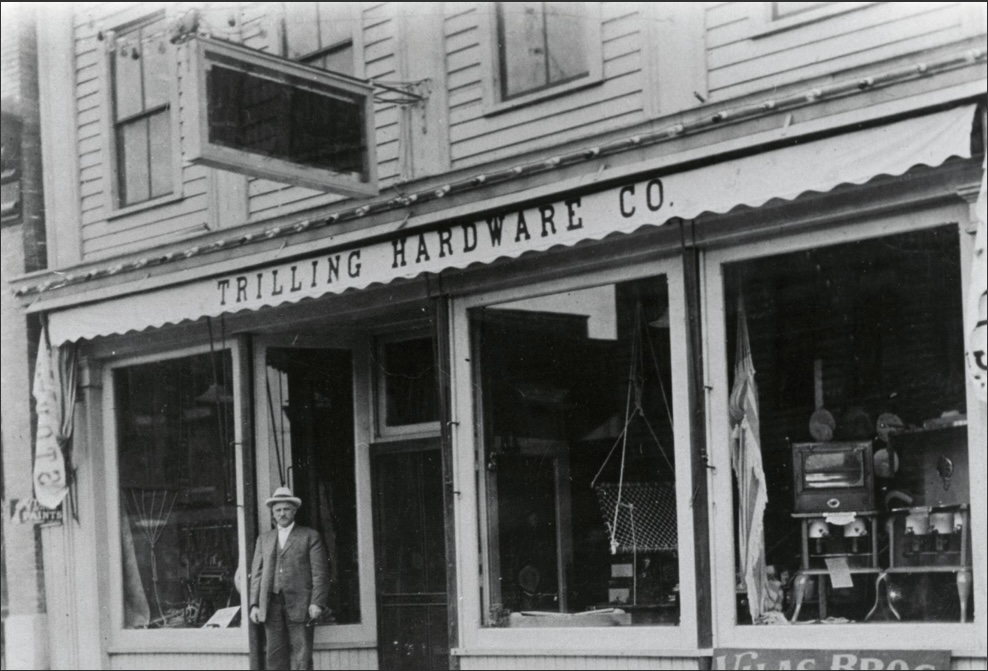
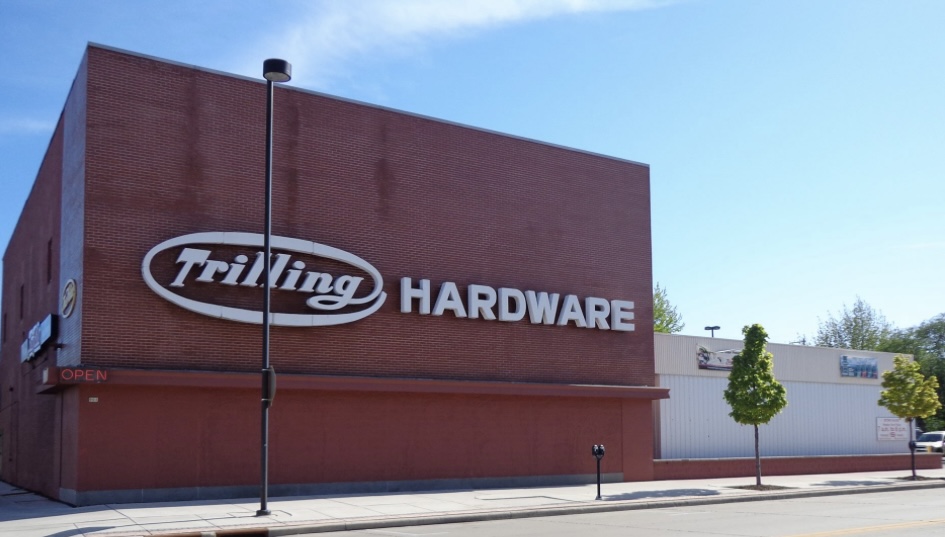
In 1850, August Trilling, a German immigrant, opened a general store on Pennsylvania Avenue in Sheboygan. He sold hardware, turpentine and whiskey among other “staples”. By 1911, Trilling moved to 9th and Michigan Avenue where the business remains to this day, 173 years later.

Stepping into Trillings is like walking into the past. Narrow aisles are piled high with merchandise. Hardware reigns, bins and bins of it. You can count on getting what you are looking for. The store is happy to sell you one screw or a carload.

I enjoy browsing all the aisles but am especially attracted to their paint section. A vast rainbow of paint colors and types guarantees that I can find any weird thing I’m looking for…like the exact color match for my chainsaw bear’s paint job.

Also high on my happiness list is their key service. They can duplicate almost any key. And when the finished key is handed over, the employee always gives a reminder to check it out right away and bring it back if it’s not a perfect fit.

So here is the key reason for the store’s amazing longevity…personal service. Trillings hires lots of people, and they are in the aisles ready to help. Plus, they understand plumbing, electrical wiring, home repairs and even gardening problems. My husband recently had a long conversation about the right way to seal up our leaky front door. We went home with a long piece of weatherstripping that fit like a charm.

When we were checking out that day, I noticed a 5-inch flat rock next to the cash register. On it was painted two funny crabs and the words, “Don’t be Crabby”.

I looked at our cheerful cashier and said, “I hope people haven’t been nasty to you.” To which she replied, “Most of our customers are great, but we do get some mean ones, so one of our employees painted the rock.” And then she added, “I think some people changed during Covid. They were locked in their homes and only thought of themselves for a year and a half…and they still can’t think of anyone else.”

In my opinion, anyone being crabby to these hard working, helpful employees should be told they cannot have the free bag of popcorn from the popcorn machine at the end of the checkout aisle.
5

Yokai

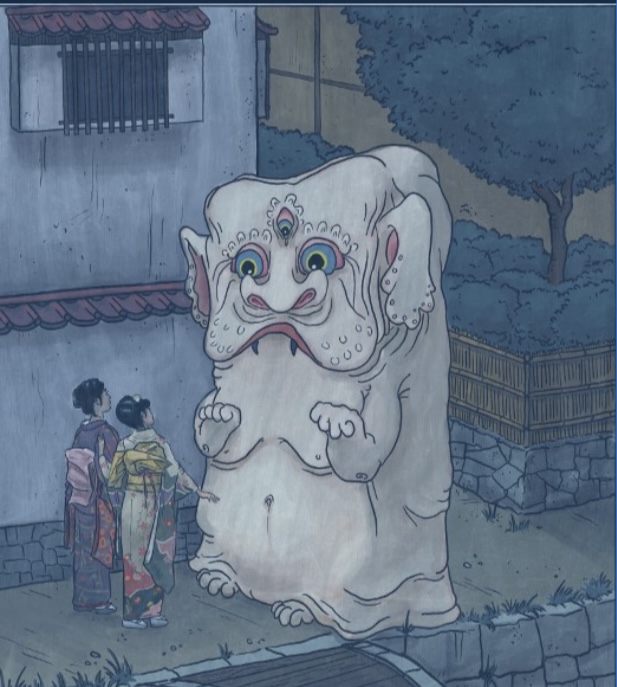
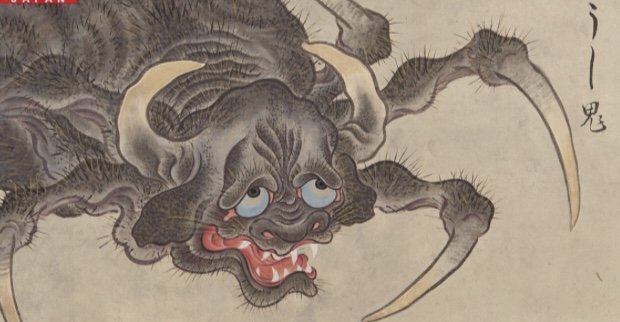
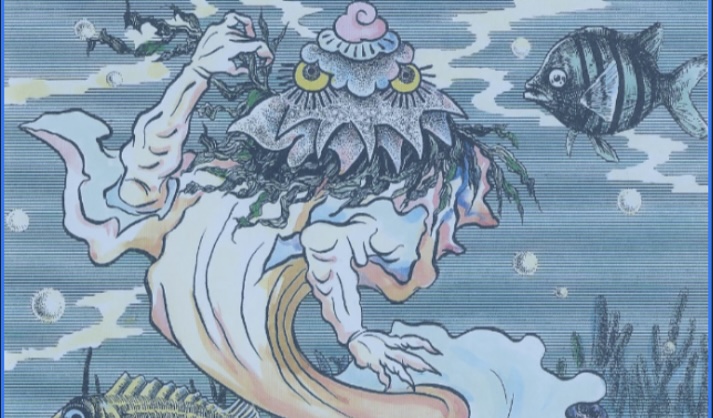
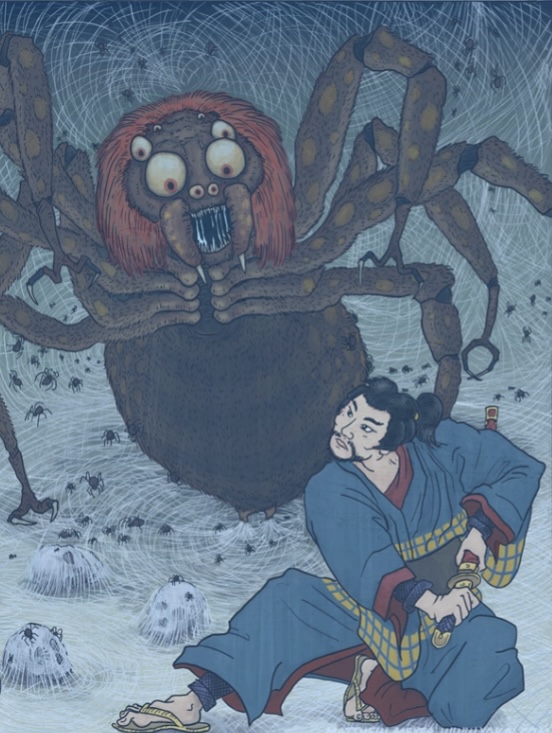
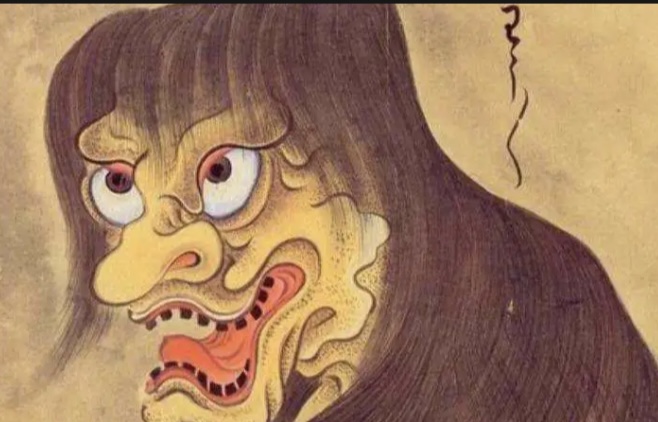
When it comes to monsters, ghosts, ghouls, spooks, tricksters and benevolent spirits, Japan has cornered the market. The most ancient religion of Japan was animism, the belief that all animals, plants, water and even rocks have a “distinct spiritual presence.” To this day, the country is awash in tales of these beings which are called Yokai, mythological creatures with supernatural powers.

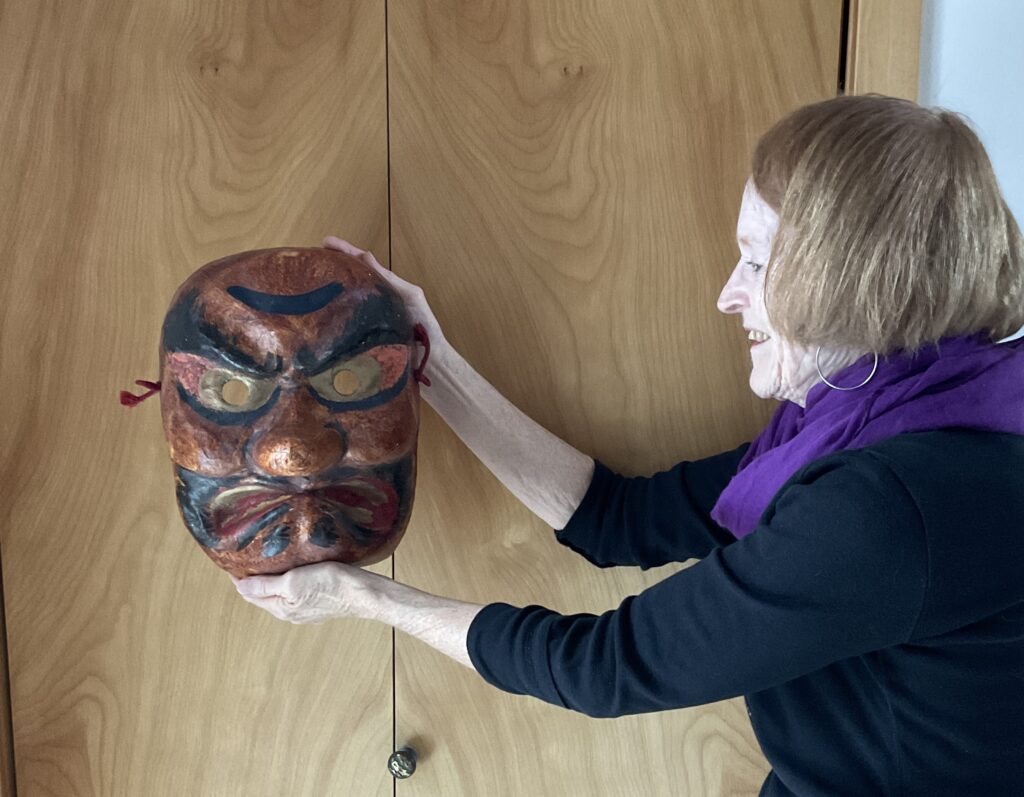
Several Yokai live at our house. The first is Tengu, the popular long-nosed trickster who is rumored to carry bad children off to the deep dark woods. He also gets the blame when things go awry for us humans. So when a can of paint spills or the bottom of a garbage bag falls out, I can always say, “Tengu did it”.

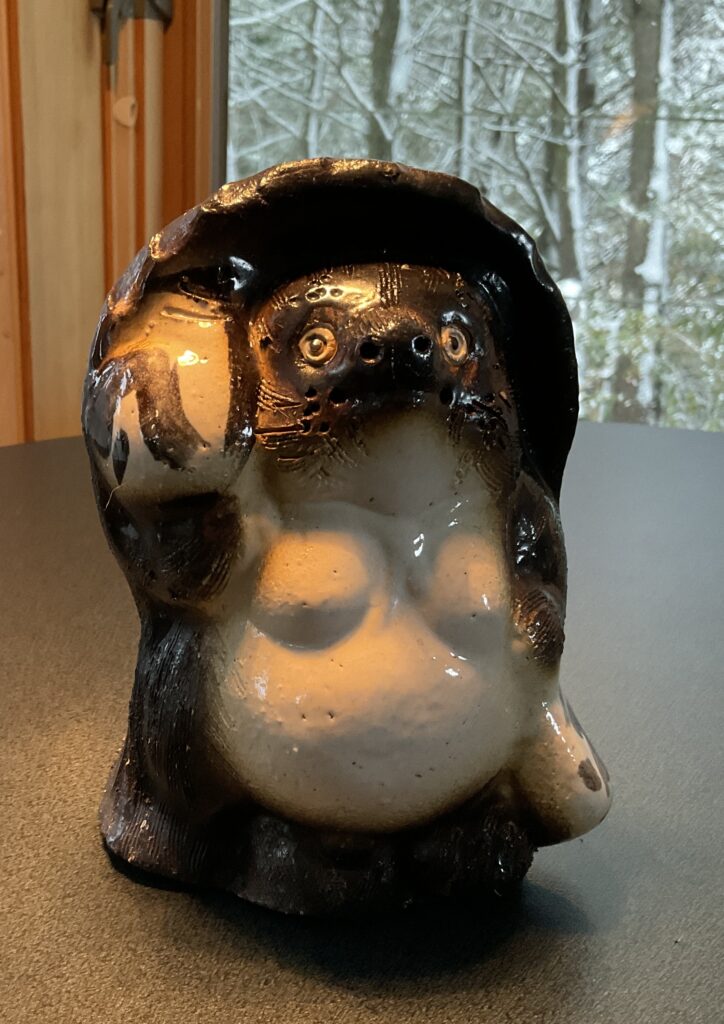
Our other yokai is Tanuki, a mischievous raccoon dog who is a master of shape-shifting. (Note that real animals called Taunki are native to Japan and are members of the canid family.) The make believe Tauki is portrayed with a straw hat, large belly, sake jug and large balls which can be expanded to use as sails, fishing nets or umbrellas. Tanukis like to make fools of people who cross their paths, and Tanuki statues are often found at the entrance to bars.

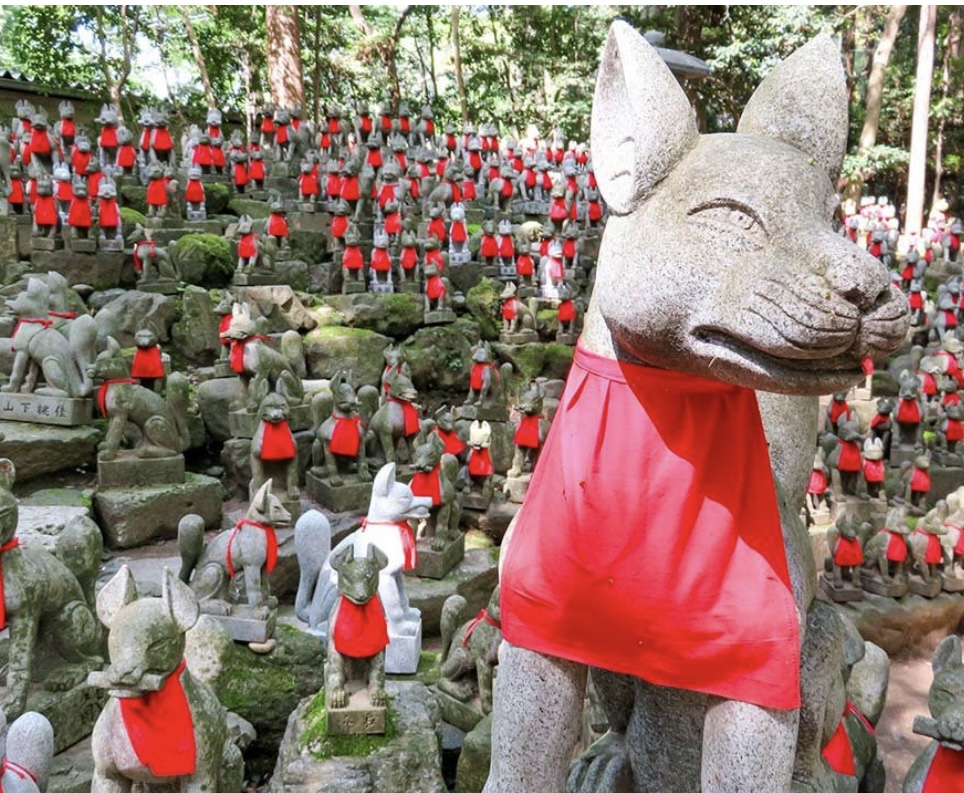
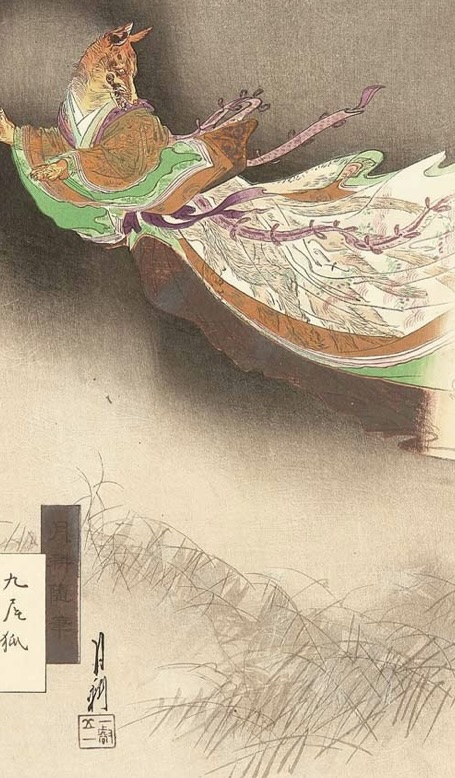
We do not believe we have any Kitsune in our home. These are trickster foxes and expert shape-shifters. Kitsune are often portrayed with multiple tails (up to nine) indicating their age and magical powers. Paradoxically, they can be a symbol of great good fortune or the bearer of evil. In folklore, Kitsune often possess women who then seduce and trick men.

Yokai are not all creatures of ancient mythology. New ones are constantly being created which reflect “present day anxieties.” The residents of the small Japanese island of Shodoshima host an art contest in which entrants create new Yokai. One of the winners in a recent competition was a furry, blue creature with red hearts glowing in its eye sockets. Artist Rita Nakamichi explains, “it embodies the current obsession of collecting approval on social media.”

Happy Halloween, and may all your Yokai be benevolent ones.


6

Regattas

Pumpkins are a most versatile squash. They can be turned into pumpkin pies, pumpkin soup and pumpkin boats. Yes, BOATS!

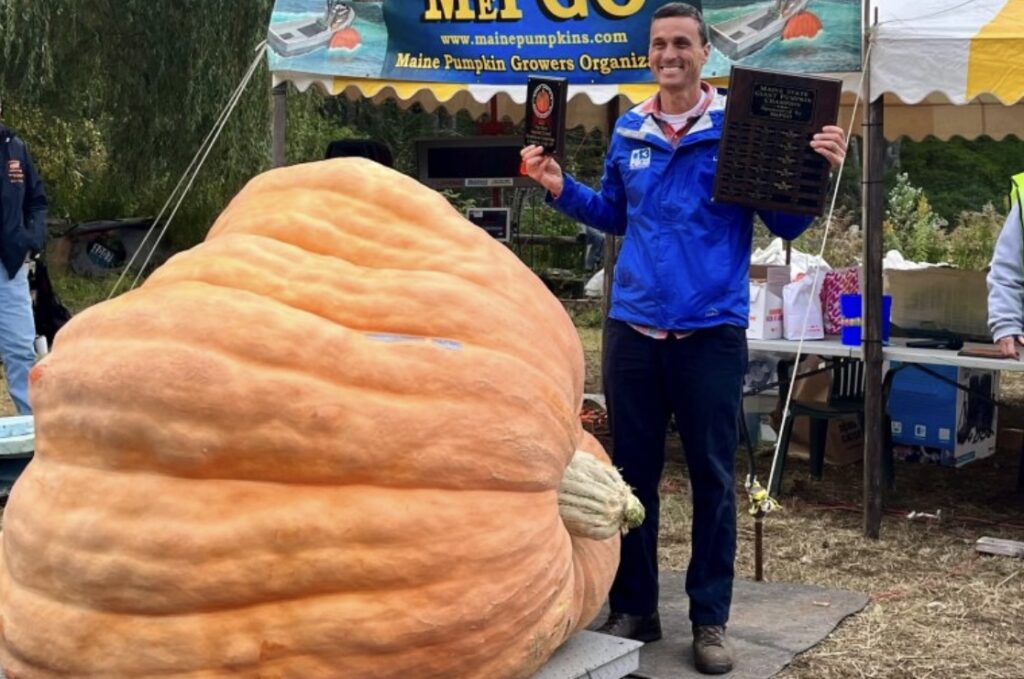
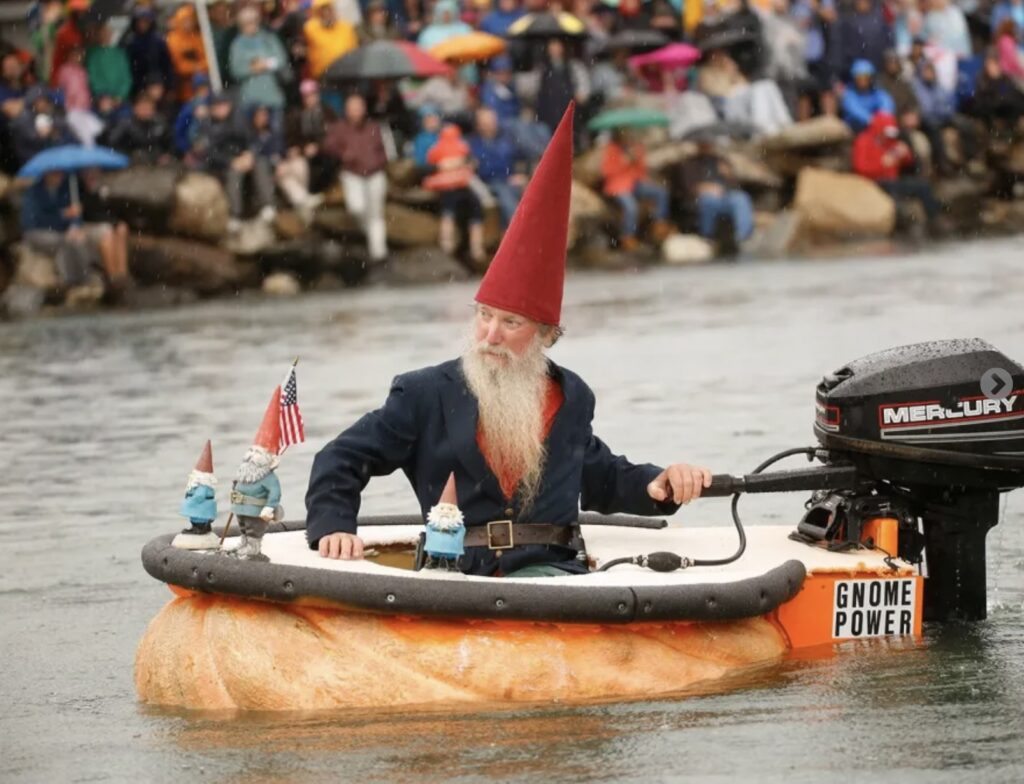
When fall arrives, pumpkin boat regattas are held in various locations such as Burlington, Vermont, Damariscotta, Maine, Goffstown, New Hampshire, Elk Grove, California, and Menominee, Michigan. All it takes are humongous pumpkins, a body of water and fun- loving people who believe that pumpkins are sea-worthy.

One of the biggest events is the Tualatin West Coast Pumpkin Regatta in Oregon. Sponsored by the Tualatin Parks and Recreation Department, this free event has grown into a giant spectacle with 200,000 spectators.

The massive pumpkins are supplied by the Pacific Giant Vegetable Growers. The growers transport their pumpkins and carve them on site. Then they jump in the shells and start paddling. After this first heat, community members get to race the pumpkins which prefer to spin around rather than go forward.

If all this excitement isn’t enough, the festival also offers pumpkin golf, pumpkin bowling, pumpkin checkers and pumpkin tic-tac-toe.

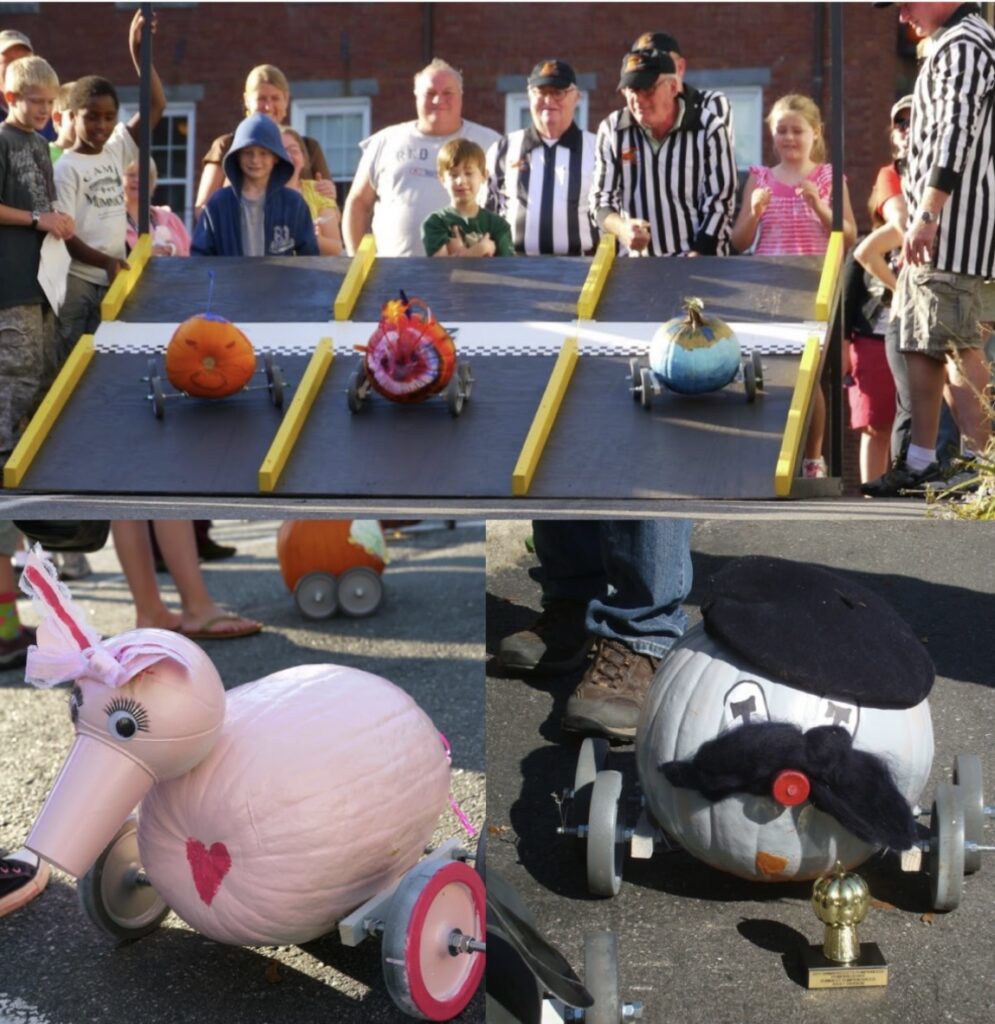
The East Coast town of Damariscotta, Maine, is not to be outdone. The boats here can be both paddled and motorized. And for those who don’t want to get in the water, their festival includes pumpkin derby races. Gentlemen, start your pumpkins!

7

Cracked

I love clay and the resulting ceramics that are formed from it. I agree with the Native American potters who say that clay is a gift from Mother Earth.

So when the beautiful, jade green vase that held my kitchen utensils broke, a wave of sadness hit me. I had repaired it before, but the new damage appeared to be unfixable. It was time to put the pot and its shards in a sturdy paper bag and get out my hammer. Then the clay pieces could join the remains of other hand-thrown mugs and dishes in the stones under our decks. Here, out of the way of walking feet, they will gradually sink back into their original home.

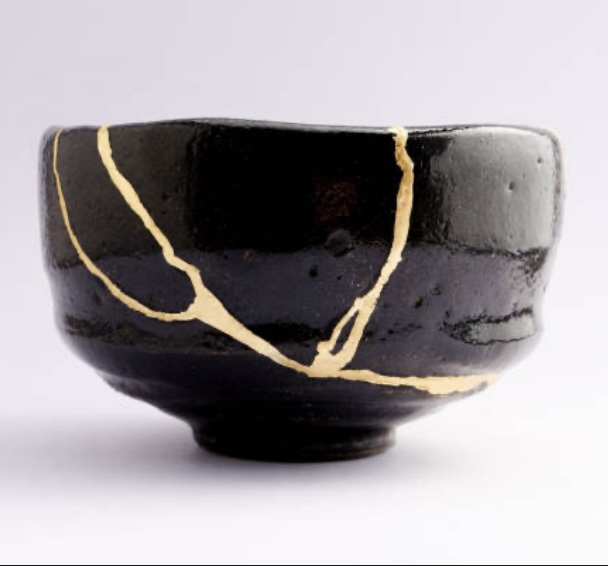
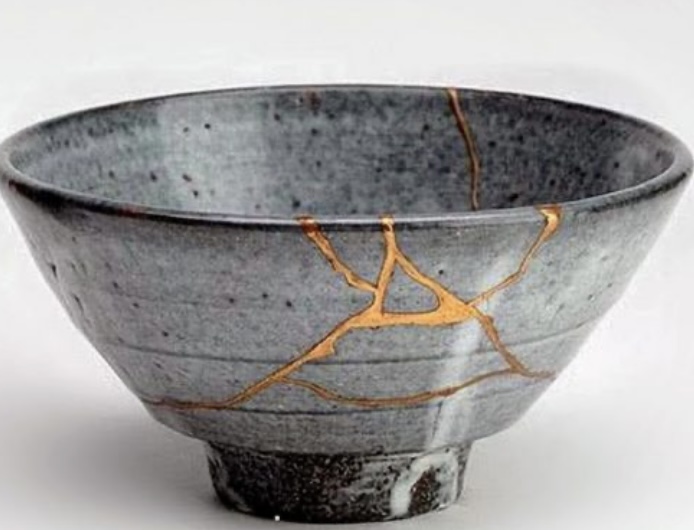
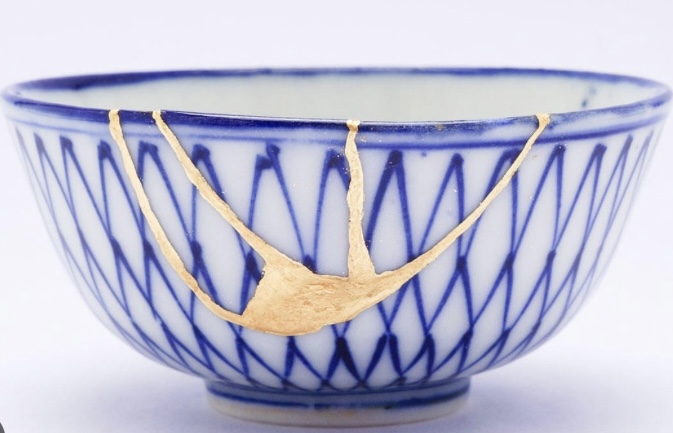
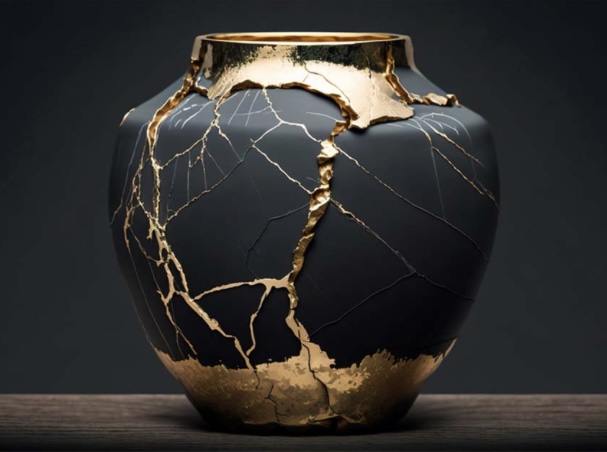
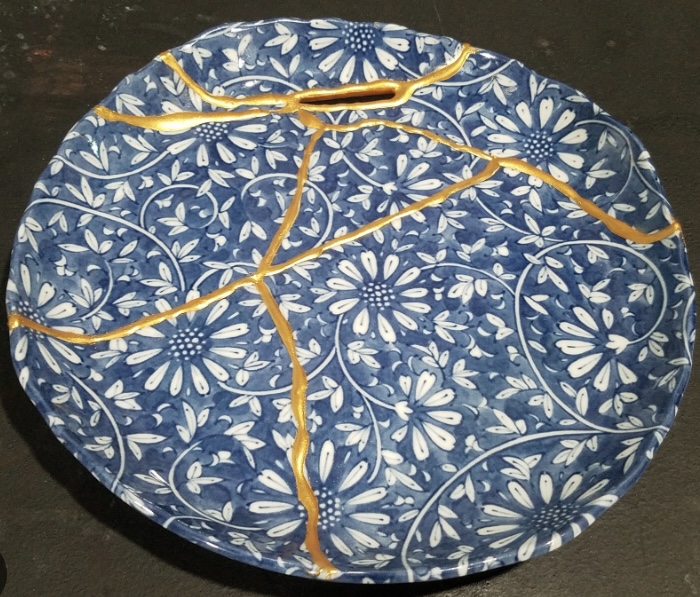
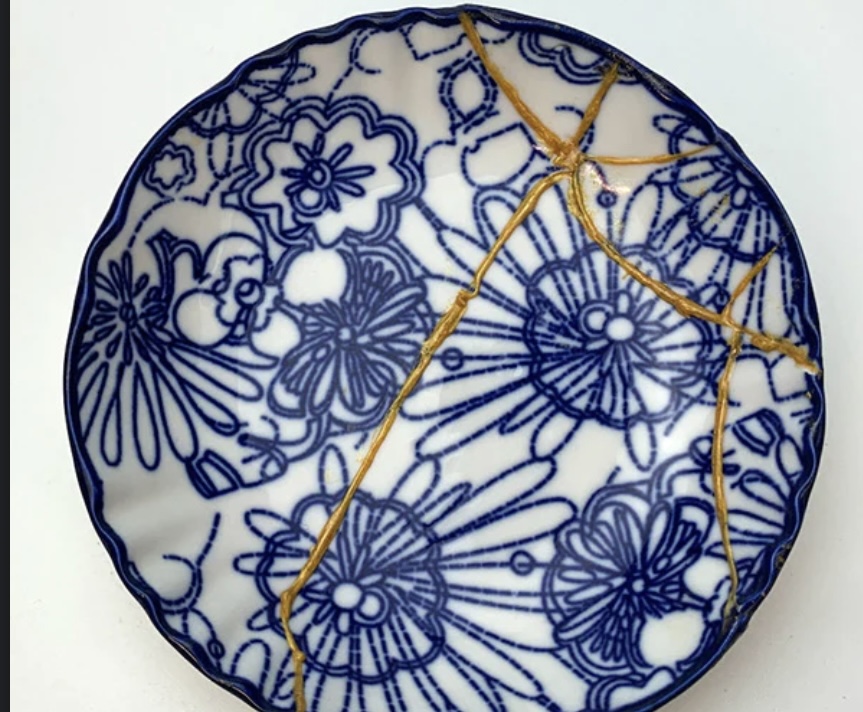
If I lived in Japan, and if I were rich, my vase might have had a different ending. A kintsugi master could have repaired it…with pure gold.

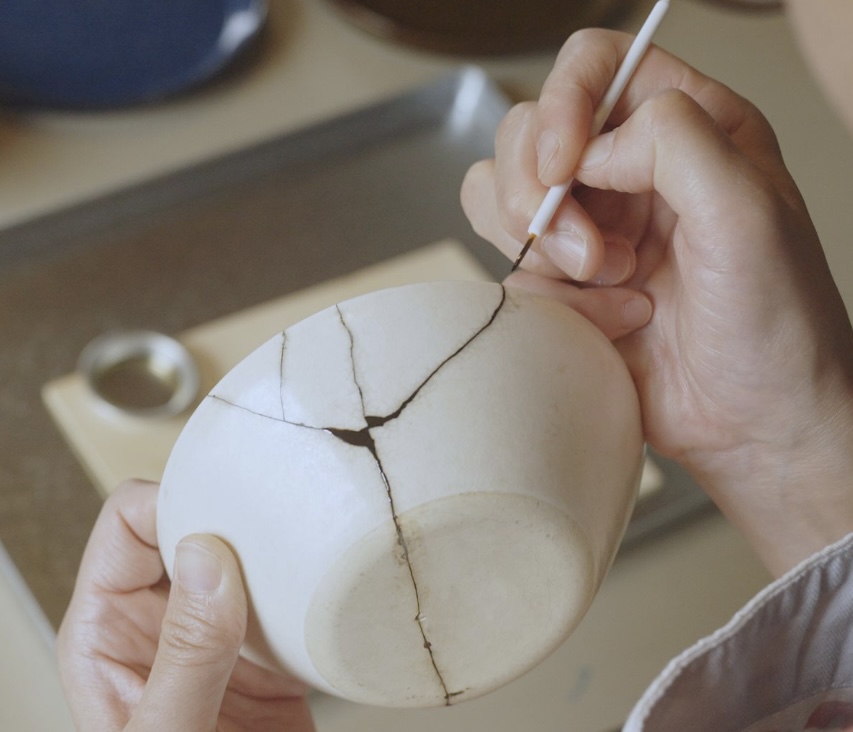
The art of kintsugi is believed to have started around the 15th century. The word literally means “joining with gold.” The sap from an indigenous Japanese tree is mixed with gold dust, silver or platinum. Then the broken pieces are rejoined with meticulous care, a process that can take months. The object is reborn with a new beauty, the beauty to be found in imperfection. The scars are highlighted.

Kintsugi is about more than fixing shattered ceramics. It is a philosophy of “embracing the beauty of human flaws, a reminder of the beauty of human fragility.”

Who has not felt broken at times? It is comforting to remember we can pick up the pieces and go on.

6

Spinning

Earth rotates on its axis at about 1,000 miles per hour. At the same time, our planet revolves around the sun at about 67,000 miles per hour. We are all going in circles.

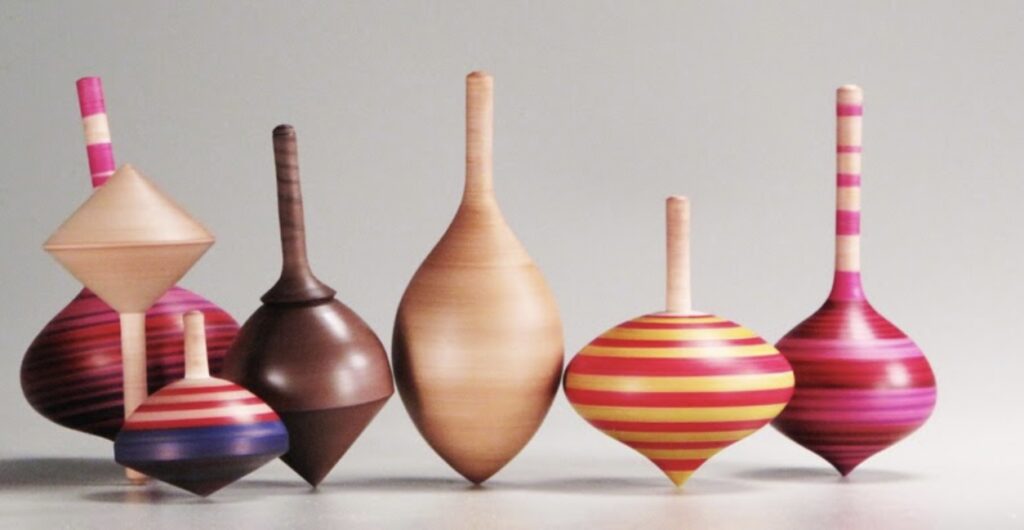
To celebrate all this spinning, the Spinning Top and Yo-Yo Museum in Burlington, Wisconsin, established International Top Spinning Day in 2003. Their request was simplicity itself: get a top and set it in motion. Their goal was to spread awareness of the joy found in spinning a top and a reminder that “the world itself is, in essence, a spinning top, complete with the characteristic wobble.”

International Top Spinning Day is the second Wednesday in October. October 11th is the big day this year. The Museum will spin their tops at precisely 12 noon, but they encourage top spinning anytime and everywhere on the planet that day. If you lack a top, just take a penny and set it spinning.

I love tops and think they are a near-perfect toy for young children. For all the years I taught art to 2½ to 5-year-olds, I had a box of little wooden tops in my art room. Children who finished their art projects could play with the tops. As soon as their fingers learned how to set the top in motion, joy broke out. And then they invented the mesmerizing game of “whose top will spin the longest?”

Tops are among the oldest toys found by archeologists, and they have been unearthed on every continent except Antarctica. A carved wooden top found in King Tut’s tomb has been dated to 2000 BCE.

Each day of our lives could be called “the daily spin”, and that is cause for celebration.

4