Modern

Picture the perfect Christmas home scene. Chances are the vision is a Victorian or colonial style house with a giant wreath on the door, lighted candles in every window and gentle snow falling over all. Decorating a home for Christmas is easy if you live in a historic home.

For thirty years, we lived in a small, midcentury modern house. (See Atomic in the archives.) We loved our atomic ranch but knew that “Christmas” and “modern” were polar opposites.

The history of midcentury design is fascinating. Two horrific World Wars and a global depression had occupied the first half of the last century. The world was not nostalgic for the past. People wanted a new start. Rationing had ended, food was plentiful and every scrap of metal no longer had to be saved for the war effort. Optimism abounded that the atom could be used for peaceful purposes. Science and space exploration were the new frontiers.

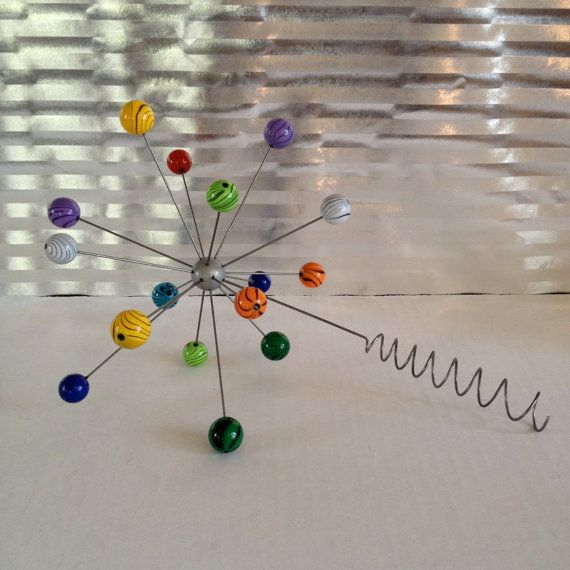
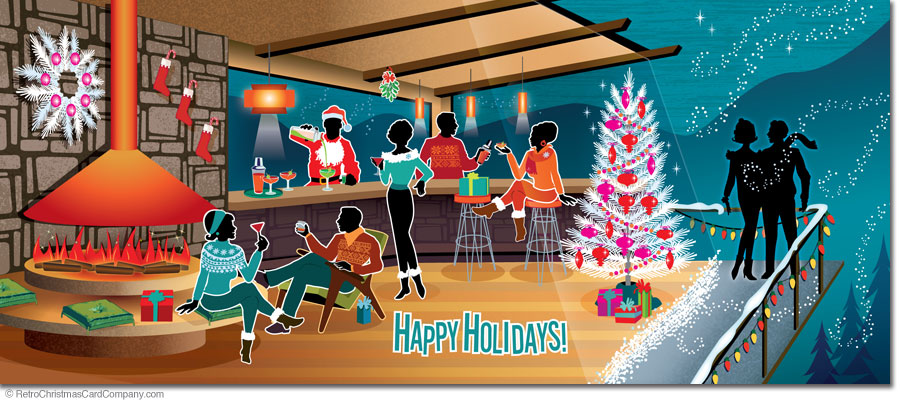
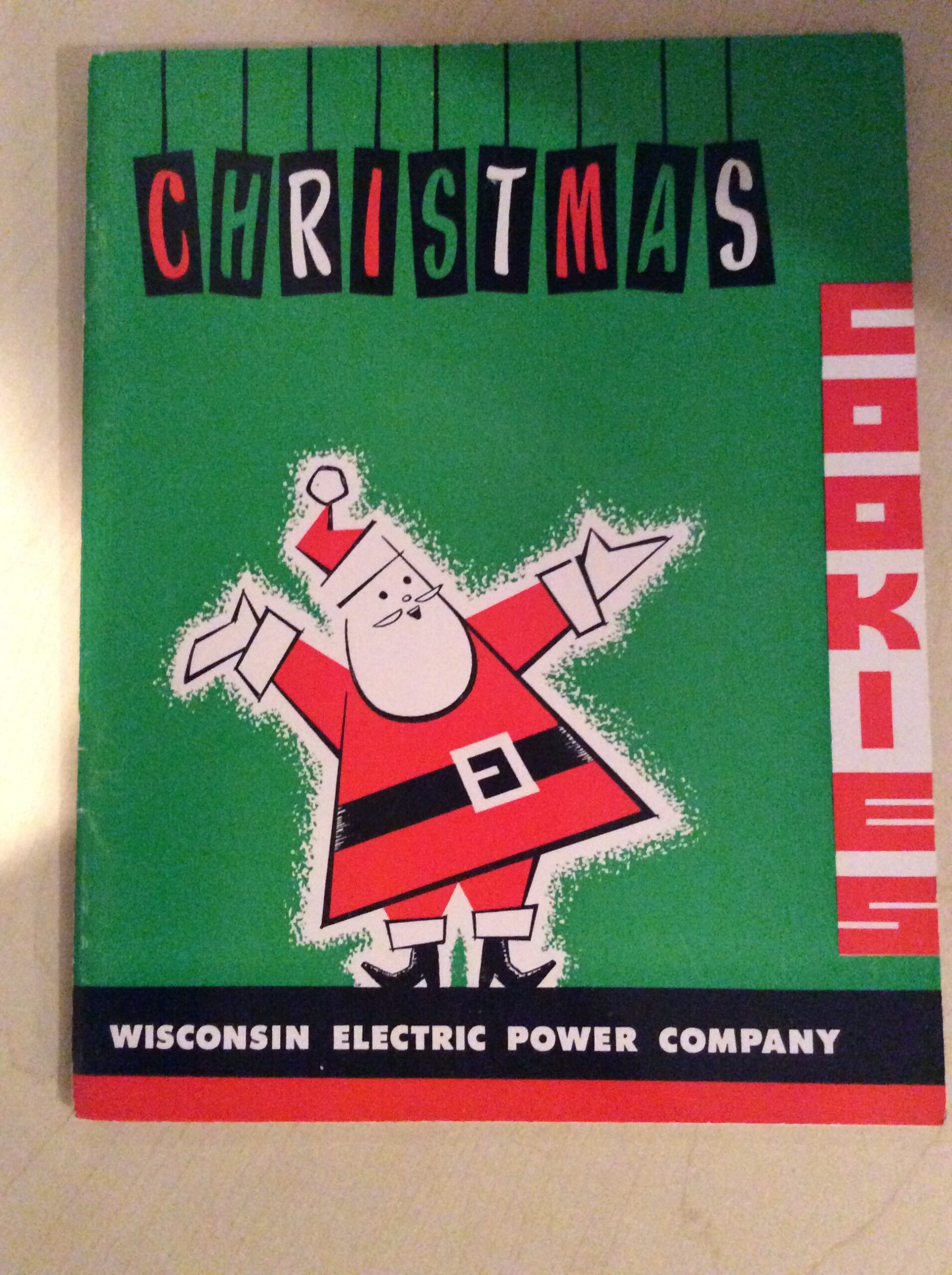
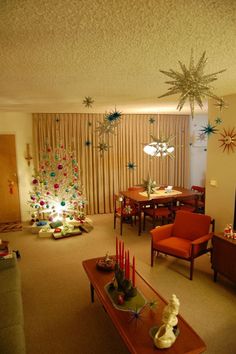
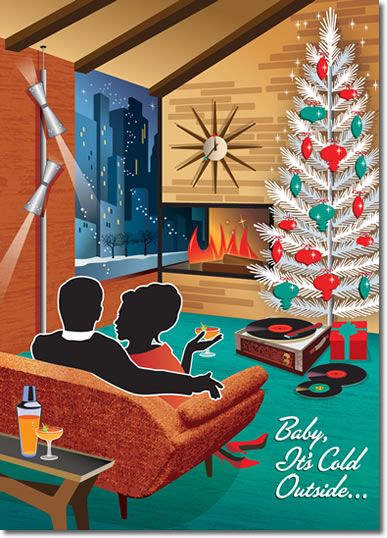
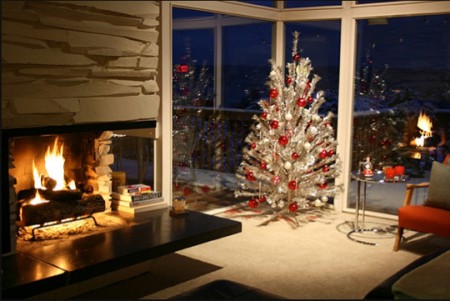
Midcentury Christmas decorations reflected all these trends. Aluminum Christmas trees flourished. Sputnik shaped ornaments decorated the metal trees. Space age Santas were in vogue.

Dare I say, take a look at these nostalgic pictures I’ve assembled from a non-nostalgic time. They’re a blast.
0

Pine


We had a Charlie Brown Christmas tree last year. These things happen sometimes.

As I left for work one morning, my husband informed me that he would be buying our Christmas tree that day. Returning home in the evening, I looked around for the pine tree but saw none. Then, I spotted a sad look on my spouse’s face.

Somehow, he said, every Christmas tree lot we had ever gotten a tree from was out of business. He promised to go searching again the next day.

The following night when I got home the sad look was still there. “We do have a tree”, he said,”if you can call it that”. A spindly, thin, little tree with one bare side was propped against the garage wall. He got the last tree on the only tree lot he could find.

The next day my husband cut off  some of the tree’s lower branches, drilled holes in the trunk and, in general, rebuilt the tree. We were happy with our Charlie Brown tree as any real tree is a joy and a miracle.

Last week I had a brilliant idea for this year’s tree. I suggested that we search around on the bottom of our cliff at the beach and cut our own tree. We know there are little self-planted pine trees there, volunteers, but they are hard to find in warmer months because of the tangle of vegetation. We also know that many of these tiny trees were swept out to the lake by the dramatic rise of the lake’s water level this past summer.

We climbed down and explored our own land. Many one and two foot seedlings had escaped the waves. And then we found a real tree…..five feet tall, not dense, but nicely proportioned.

“It’s a genuine Christmas tree”, I exclaimed as we both stared at it. After a short while we looked at each other and didn’t have to say a word…….we both knew we couldn’t saw the tree down. The tree had planted itself and braved five or more years of waves and wind and hungry animals. It deserved to keep reaching for the sun.

This week my husband will resume the search for a small, farm raised tree. I wish him luck…..plastic seems to be the in thing now.

CBCS

0

Lighted

For those of us in northern climes, the sun (if it has not been hiding under clouds all day) makes its exit now at 4:15, leaving us with 15 hours of darkness. Winter tests our spirits. We all crave light.

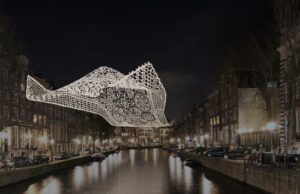
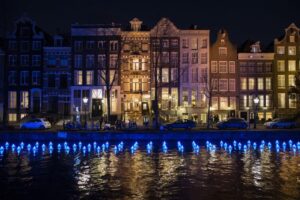
I recently read about an amazing art event that epitomizes our universal desire to light up the darkness at this black, cold time of year. In December and January, the city of Amsterdam hosts a Light Festival. Note that these are not Christmas lights but rather a spectacular art event that showcases the most innovative, state of the art, breathtaking and spirit lifting art pieces made from light. The art is installed on two routes, is free to view and encompasses the entire central city. Hundreds of thousands of people come together and turn their faces toward the light.

All the art is designed to interact with the urban environment whether it is installed on the water route or the walking route. And all can be seen by walking since sidewalks line the canals. However, boat tours of the light extravaganza are especially popular.

This year 2,000 artists from all over the world submitted entries. One of the most spectacular installations is a gigantic piece of Dutch “lace” in the shape of a traditional Dutch bonnet. In a delightful irony, it was designed by artists from Massachusetts.

Since we cannot all hop on a plane to the Netherlands, I have found the following pictures and video from this festival which aims to make, “the darkness more bearable”. Bravo to all the artists, architects, scientists, technicians and workers who took on the gloom and prevailed.


0

High

It takes a true visionary to look at an abandoned, weed-infested, rusty, garbage-strewn elevated train right of way and envision a lush public park in the sky.

A New Yorker, Joshua David, was that visionary. He lived on the west side of Manhattan in the shadow of the old tracks but saw its potential. Together with Robert Hammond and many converts to his improbable vision, the New York High Line has become a reality, hosting about 5 million visitors a year.

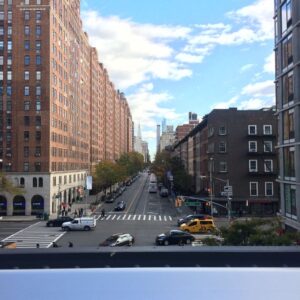
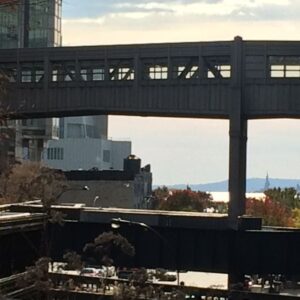
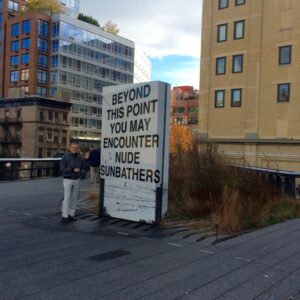
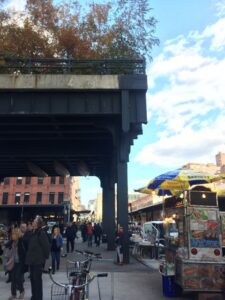
We were lucky enough to walk its 1.45 miles a few weeks ago, and the experience was exhilarating; a mix of stunning views, lush gardens of native plants and quirky art installations. It proves that great civic projects can still happen in America.

I had followed news accounts of the genesis and construction of the New York High Line, but it is not the first high line my husband and I walked on. A few months prior to visiting New York, my photographer cousin suggested we spend a day in Chicago. Being frequent visitors and fans of the Windy City, we immediately agreed. Then, much to my surprise, he asked if we wanted to walk their High Line. We did not know it existed.

Inspired by New York, Chicago’s Bloomingdale Trail, known locally as the 606 (the prefix affixed to all Chicago zip codes) is 2.7 miles. That is twice as long as Manhattan’s and it was built at less than half the cost.

Chicago’s aerial green belt is part of a larger scheme to link six parks and public art sites by a system of ramps. Chicago makes “no small plans” and is the greenest urban area in America.

The 606 High Line links many diverse neighborhoods as well. And at one point on the trail, visitors can look down on a house in the Humboldt Park Neighborhood where L. Frank Baum penned the Wizard of Oz and its famous yellow brick road.

Bravo to all who find new paths where none previously existed.

Here is a quick tour of the New York High Line.

0

Skunked

Several months ago, our daughter ended a long work day at the big box bookstore she manages only to come out and discover her transportation home was missing. Her beloved orange bicycle had been stolen.

Bike and motorcycle thefts are rampant the world over in all kinds of neighborhoods. One and a half million are stolen every year, and only a tiny proportion are recovered.

Fortunately, some creative minds are tackling the problem. Billed as “the bike lock that fights back”, Skunklock has been invented by Daniel Idzkowski and Yves Perrnoud.

An entrepreneur and motorcyclist, Mr. Idzkowski lives in San Francisco. His partner, Yves Perrnoud, is a Swiss born engineer who got fed up with having his bicycle stolen about every sixteen months.

Skunklock is a brilliantly simple invention. When the would-be thief tries to saw through the bike lock, a noxious, pressurized, chemical deterrent is released which makes the thief throw up. Needless to say, a person vomiting and gagging over a bike lock will attract attention.

In addition, the chemicals will ruin whatever the thief is wearing. Since the street value of a stolen bike is only 1/10 the retail price, the thief may end up committing a crime that doesn’t even pay to replace his jacket or Nikes.

The Skunklock is ingeniously designed. A black and white stripe color scheme warns the thief of trouble. Furthermore, the lock uses no electronic parts as they can discharge or be disabled. And finally, the chemical deterrent will not harm bystanders.

The cofounders hope to have Skunklock ready to go by June 2017. They are currently working through liability and shipping issues. Good luck to them. Creating and engineering this product was not easy. The design team skunked themselves during the development process.

skunklock.com
skunklock.com
0