Joy

I found these lines in Louise Penny’s most recent book: “C.S. Lewis wrote that we can create situations in which we are happy, but we cannot create joy. It just happens.”

These words resonated with me. Somewhere, in the middle years of my life, I came to this same conclusion.

Happiness and joy, although close relatives, are not the same thing. Joy comes in bursts. It comes without warning or prompting. And it disappears just as quickly.

With work, happiness can be a way of life. This has nothing to do with being a starry-eyed optimist who thinks everything has happy endings. Every life contains sad days and hard times. Perhaps happiness is appreciating the preciousness of ordinary days and the multitude of gifts each brings. Even during these difficult pandemic times, the sunrises and sunsets still happen, the birds still flock to the feeders and the seasons still give their gifts.

Happiness and sadness can coexist. Joy, on the other hand, admits no other feelings. For a brief while, all cares and worries vanish.

One morning last week, in the first moments the sun appeared over the horizon, our gray cat received a luminous halo, a gift of light and a moment of pure joy for those of us who witnessed the illumination.

0

Darumas

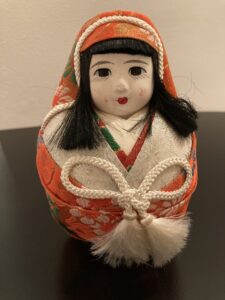
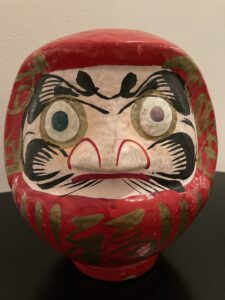
The Japanese people know how to make a wish for the New Year. They flock to Daruma markets that pop up all over the country near shrines and temples. Here they purchase roly-poly, red dolls to wish on.

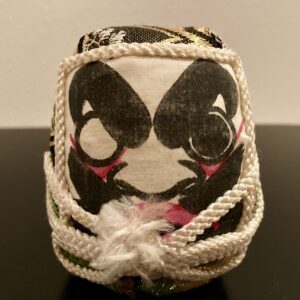
Here’s how it works. Daruma dolls come with blank, white eyes. The purchaser makes a wish (a serious wish, not one for frivolous things) and draws one eyeball on the doll. If the person works hard and persistently toward their goal, Daruma will provide the luck to make the wish come true. Then the second eyeball is drawn on. Whether the wishes are fulfilled or not, the dolls are taken back to the shrines on New Years and are burned in big bonfires. A new doll is purchased and the cycle repeats.

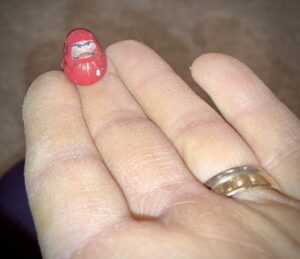
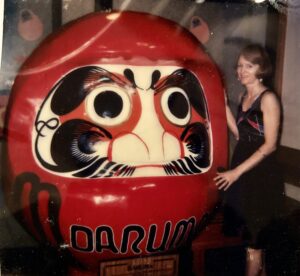
One Japanese city, Takasaki, produces 80% of the dolls which are all made by hand. Production began in the 17th century and flourishes to this day. Dolls can be as small as a grain of rice or bigger than a person. Female, or Lady Daruma dolls, are also produced.

The story behind the dolls is both fascinating and macabre. Daruma is said to be modeled after Bodhidharma, the monk credited with founding Zen Buddhism, who lived between the 5th and 6th centuries AD. Legend purports that he entered a cave where he stared at a wall and meditated for nine years. Because he was immobile, his arms and legs fell off.

The original dolls were impossible to tip over. If tilted, they would always return to their upright position, thus demonstrating the important value of perseverance. Politicians embarking on election campaigns, students pursuing degrees and workers starting new careers are all typical candidates who would wish for success from Daruma.  The belief that good fortune cannot come without hard work is deeply rooted in Japanese culture.

May we all have good luck in the New Year, no matter what we wish on; stars, wishbones, four-leaf clovers, wishing seeds or wishing wells. In my case, it will be birthday cake candles. I’m a New Year’s Eve baby.

0

Snowflake

How would you like to live inside a star or a snowflake? If you think the holiday season has melted my brain, guess again. It is entirely possible to live within either of these shapes.

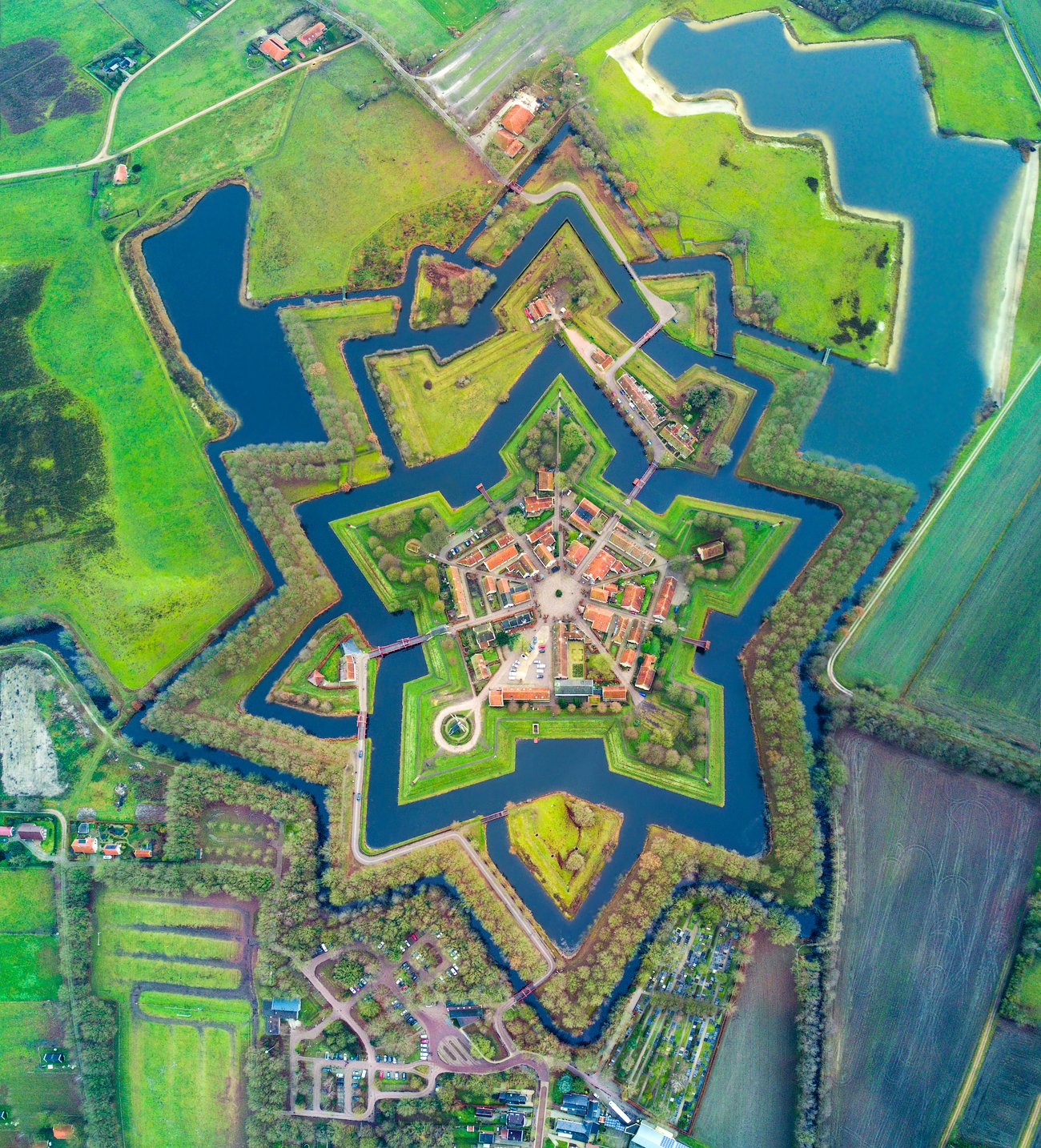
Here is an aerial view of the village of Bourtange in the Netherlands. Built by William the Orange and completed in 1593, Fort Bourtange cut off a supply route on the only road to neighboring Germany, an enemy at the time. The fort functioned until 1851 when it was converted into a stellar village, a suburb of Groningen. It’s not the only star-shaped village in Europe, and all were built for defense purposes.

Wikipedia- Bourtange

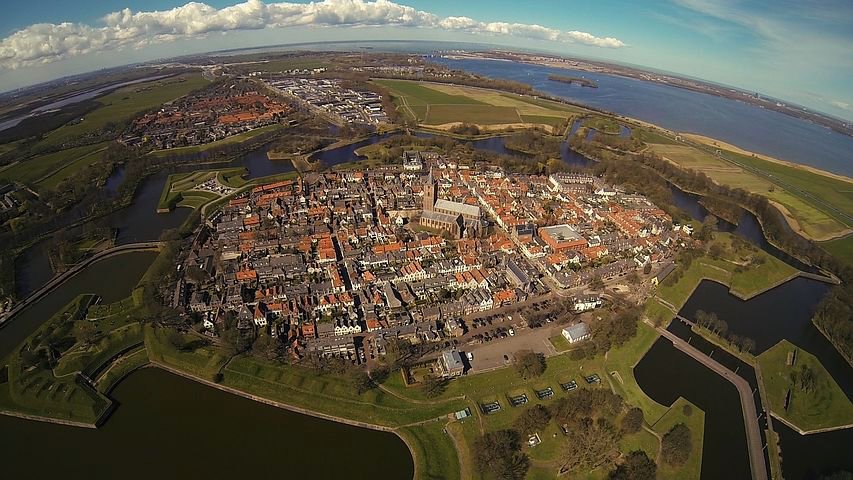
Snowflakes are infinitely more complex shapes than stars, but a town exists that mimics that shape as well. Naarden, 30 minutes east of Amsterdam, also began as a fortification. With a beautiful church at the center, the city radiates out to six triangular points.

Wikipedia- Naarden

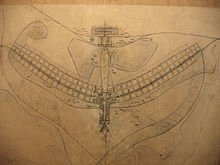
If stars and snowflakes aren’t your thing, you could move to Brasilia, a city that was built from scratch starting In 1956. Plotted by Lúcio Costa,  it is the shape of a bird or airplane. The wings are residential neighborhoods, the body hosts federal and civic buildings. In 1959, Brasilia’s population was 64,000. Today it is home to over 2 million residents, and suburbs ring the original avian shape.

Original plan of Brasilia

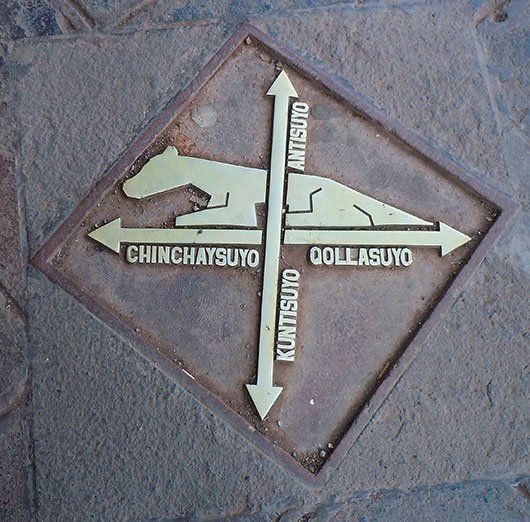
And, finally, popular folk mythology purports that the city of Cuzco, Peru, was built in the shape of a puma, an animal sacred to the Incas who founded the city. Although no historical proof of this exists, the local residents totally embrace the idea that they are living in a puma-shaped town. I, too, would love living in a big cat

Street sign in Cuzco


0

Fabulous

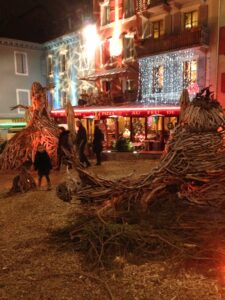
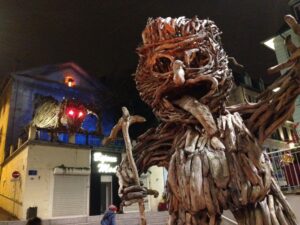
A wonderful Christmas festival like no other is held in Evian, France. Located on the southern shore of Lac Leman (Lake Geneva),  Evian is famous as a spa and a producer of bottled water which is shipped worldwide. But for the holidays, Le Fabuleux Village (The Fabulous Village) is the star. Evian builds a fantasy town within the town as a magical holiday happening.

The celebration is centered around a whimsical legend. Father Christmas was said to be flying over Lake Leman when two of his reindeer started a squabble resulting in a watery crash. Goblins known as Flottines rescued them from drowning, and, ever since, Father Christmas comes back for a Yule visit.

Highlighting the celebration are fifty massive sculptures scattered all around Evian. Built completely out of driftwood collected from Lake Leman, these clever assemblages are of amazing animals, mythical beasts, elves, gnomes and more.

The center of town becomes Le Fabulous Village. When night descends, actors stroll the streets with lighted torches and perform street theater. A magical alternative world suspends reality for a brief while.

I personally love searching for interesting driftwood pieces on the shores of Lake Michigan and creating animals of modest size. With Le Fabuleux Village as inspiration, perhaps I should start thinking on a bigger scale.

The driftwood cat sculpture on our deck. There will be no flaming torches.


0

Toasted

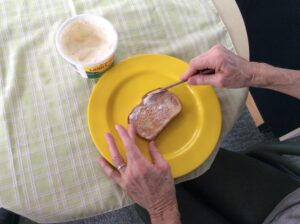
Last month there was a big brouhaha in Britain. It all started out quite innocently on one of Nigella Lawson’s cooking shows. She simply showed the nation the best way to butter their toast. An uproar soon followed.

I found out about this incident from my husband who knew I would be 100% on Nigella’s side. That is because he and I have a serious understanding about toast and butter rules.

Early in our marriage, he kindly buttered my toast and placed it on my breakfast plate. I could not hide my dismay and was honest with him. “But the butter doesn’t reach the edges of the bread,” I lamented. To which he confessed to me, “In my opinion, you don’t make toast, you make warm bread.”

So ever after, we live in toast harmony. I always put his toast down for more toasting and he puts loads of butter to the far, far corners of my bread.

The populace and media were unrestrained in their scorn that Nigella thought they needed instruction in toast buttering. Since these same people invented little racks for cooling toast, I think they do need advice about buttering… plus any other tips on toasting they can get.

Nigella’s buttering instructions are as follows: Spread butter on HOT toast as soon as it comes out of the toaster. Before letting it settle, apply a SECOND layer of butter and finish with a sprinkling of salt. The second layer of butter, she declares, “will stay in some golden patches on the surface.”

Go, girl! Those puddles of butter make getting up in the morning worthwhile. The world needs fewer pleasure police and more small joys.

0