Snowman

The time has come to burn the snowman. I must admit that this past winter was a mild one, and cabin fever was not raging. Nevertheless, the iceberg is still at the end of our driveway, the ground is frozen solid and enough is enough.

The tradition of burning the snowman to bid winter adieu goes back many years. Citizens of Zurich, Switzerland, welcome spring at a festival called Sechselauten. A giant,  straw snowman effigy is filled with explosives and set ablaze. If the snowman’s head explodes within 12 minutes, it is seen as an omen that the summer will be warm and sunny. Personally, I prefer this weather prediction to waking up a poor, furry mammal who is deep into hibernation on February second.

The Rose Sunday Festival in Weinheim-an-der-Bergstrasse, Germany, also burns a straw snowman to welcome spring. A parade through town culminates in a central location where the town’s mayor tells the children that if they promise to obey their parents and work hard, he will proclaim that the snowman be burned. Naturally, the kids yell their approval.

www.lssu.edu

America’s snowman burning tradition goes back to 1971 and was started by the Unicorn Hunter’s Club at Lake Superior State University in Sault Ste. Marie, Michigan. A large, paper snowman is burned on the first day of spring. Poems are written and read by students of all ages.

In 1992 the event was cancelled because the school’s Environmental Awareness Club said that too many toxins went into the air as the snowman burned. A huge outcry followed and the burning returned the next year. The University wisely pointed out that staff and students put more pollution in the air every day when they drove to school.

The folks in Port Clinton, Ohio, are the newest in the snowman burning business. A group of friends staged the event in 2015 to drum up business in their area. The burning of “Norman” was held at The Lagoon Saloon, and the organizers hoped that 500 people would show up. 3,000, many on snowmobiles, came.  This year “Charlie” went up in flames to the benefit of the local United Way.

I was telling my husband about these burning snowmen the other day over breakfast. “What I would do”, he said, “is make three big snowballs and put a box of firecrackers in each one. A fuse would hang out of each and the balls piled up. Blam! Exploding snow people.”

Happy Spring, however you celebrate the event.

0

Betty

One trait characterizes my entire extended family: thoughts of food occupy a large part of all our brains.

We love to talk about food, shop for it, anticipate it, cook it, share it and eat it. We are even attracted to books and movies where food stars.

So it is not unusual that I plucked a book off my daughter’s bookshelf entitled, Feast Here Awhile, Adventures in American Eating. The book traces the history of food trends and trendsetters during the last half of the 1900’s. Reading it, I started to reminisce about my mother’s tuna, canned pea, mushroom soup and potato chip casserole and my mother-in-law’s whipped cream, fruit cocktail dessert. Food is not immune from the fashions of the moment.

The author, Jo Brans, devoted chapters to the people who shaped what we ate; James Beard, Julia Child, the Silver Palate Ladies to name a few. The first person on her list was fascinating. Although her cookbook has sold millions of copies and is currently in its eleventh printing, the person never existed.

Betty Crocker was created by an ad agency in 1921. “Crocker” was the last name of a retired director of the Gold Medal Flour company and “Betty” sounded warm and cozy. Betty started out answering letters to the company about baking problems, but soon she had a radio program and, by mid century, a television show. In 1945, Fortune Magazine sited her as the second most popular woman in America. Eleanor Roosevelt was the first.

I received a copy of Betty Crocker’s Picture Cook Book as a wedding present. Affectionately known as “The Big Red”, that cookbook was a life saver to me. I was newly married, learning to cook, on a tight budget and going to college full time. Thanks to Betty’s basic recipes, we ate home cooked, if not gourmet, meals.

bettycrocker
Photo: www.aauw.org/2014/06/12/the-real-betty-crocker/

By the time our two children came along, I had the luxury of being an at home mom and Julia Child had burst onto the scene. Her shows were a weekly treat and my local Sentry grocery store gave out free copies of her recipes. I was able to improve my cooking knowledge at a wonderful time in America’s culinary history.

All of our past experiences propel us into the present. Would Alice Waters be a food star now if Betty and Julia hadn’t told us to get into the kitchen, start cooking and not be afraid of messing up?


0

Sandwich

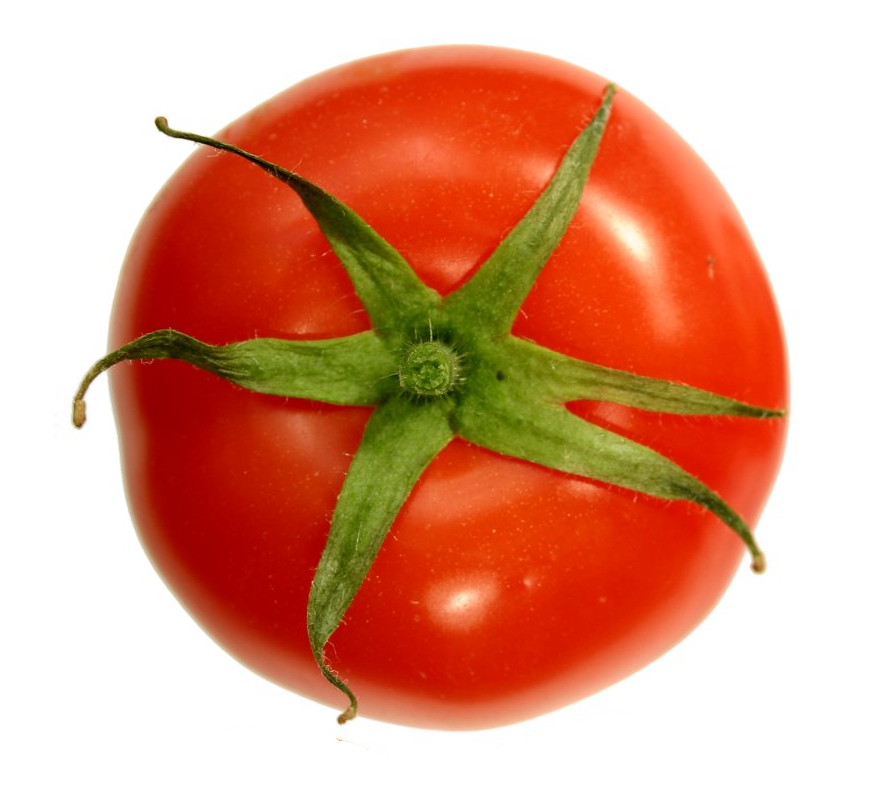
“I would like a tomato next week,” my husband requested.

“I will be happy to get you one,” was my reply. I knew he wanted me to put the tomato on his favorite open face, hard roll, grilled cheese and tomato sandwich. But there is more to the story.

I recently had come across a wonderful variant on his classic grilled cheese. We were eating at the Swedish “goats on the roof” restaurant, Al Johnson’s. No goats were on the roof as it was covered in snow, but a new sandwich was on the menu. The creation sounded intriguing, a grilled Havarti cheese, pickled beets and fresh spinach sandwich. I love all those ingredients, although I wasn’t sure that this combination would work technically. I envisioned biting in and having beet juice flying out in all directions. Since I was with real friends, I ordered it. They wouldn’t care about pink spatters.

The sandwich was delicious and not a mess to eat. I’ve been making it at home, sometimes substituting arugula for spinach, and we both enjoy it.

I would be happy to make the beet version of the GC all winter long as winter tomatoes bear no resemblance to our deliciously tasty summer ones. But my husband is a true tomato lover who likes an occasional winter tomato even though he realizes their limitations. Hence, the request.

Coincidentally, the next day, the New York Times food section ran a two page article on using winter tomatoes and other non local produce. The writer suggested buying two pounds of these challenged tomatoes, pouring SIX cups of olive oil over them and baking the concoction for an hour and a half.

TomI will not be doing this. That calorie count and mess would be staggering, all to infuse a tasteless piece of produce. I do, however, applaud the premise of the article which was basically, “shut up, face the fact that it is winter, eat what is available at your local grocery and be grateful you have food.”


My husband will get his tomato straight up, I will stick with the beets out of the glass jar, and neither of us will travel to the Southern Hemisphere to be true locavores.

0

Gated

I’ve never understood why anyone would want to retire behind a wall, even a pretty wall. Walls close things out and trap things in. But no posh retirement community is complete without their bunkers.

Our warmer climates are dotted with retirement complexes and all are enclosed by high walls around their perimeters. Shrubs, trees and hedges planted in front of these walls make the walls appear to be more impenetrable. Then two freestanding walls of brick or rocks flank the main driveway. These walls announce the name of the complex.

If the resort community is extremely upscale, two gigantic fountains or other water features will also mark the entrance. Gates ensure that the enclave will not be breached.

Now comes my favorite part of these Versailles wannabes……their names.

“Someone”, I recently said to my husband, “gets paid a lot of money to dream up these faux exclusive sounding names. I could do this.”

Can you tell which of the following places are real and which only exist in my overactive imagination?ss

  • Foxmoor at the Dales
  • Eagle Crest on the Landing
  • The Colonies at Dolphin Cove
  • The Estates of Wolf Hollow Creek
  • Pebble Point at the Brooks
  • Arborwood at Summertree
  • Cascades at River Hall
  • Timber Greens

With a big bundle of cash, you could move into the last four on the list.


0

Sweet

I spotted a small, framed quotation in my favorite pastry shop last week…

Technology becomes obsolete, chocolate never.

The sweet truth of this brought a smile to my face, even though I confess to usually favoring a caramel flavored dessert over a chocolate one. My preference for caramel doesn’t imply that I don’t like chocolate. In my opinion, anyone not liking chocolate is highly suspect.

People and all other mammals are hard wired to like certain tastes. It’s all about survival: we spit out the bitter tastes which might poison us and crave the tastes that might nourish us. For plant eaters and omnivores, carbs (glucose or sugar) are essential for nutrition, hence taste buds for sweetness.

Two genes are responsible for discerning sweet tastes. They encode two proteins that combine to form a sensor which detects sugar molecules. In some totally meat eating animals, these genes have mutated to be non functioning.

Cats, both large and small, are hyper carnivores and cannot taste sweets. So when kitty starts begging to lick the remains out of your ice cream dish, she isn’t craving sweetness, but fat. Spotted hyenas, bottlenose dolphins and many seal species also lack the ability to taste sweetness.

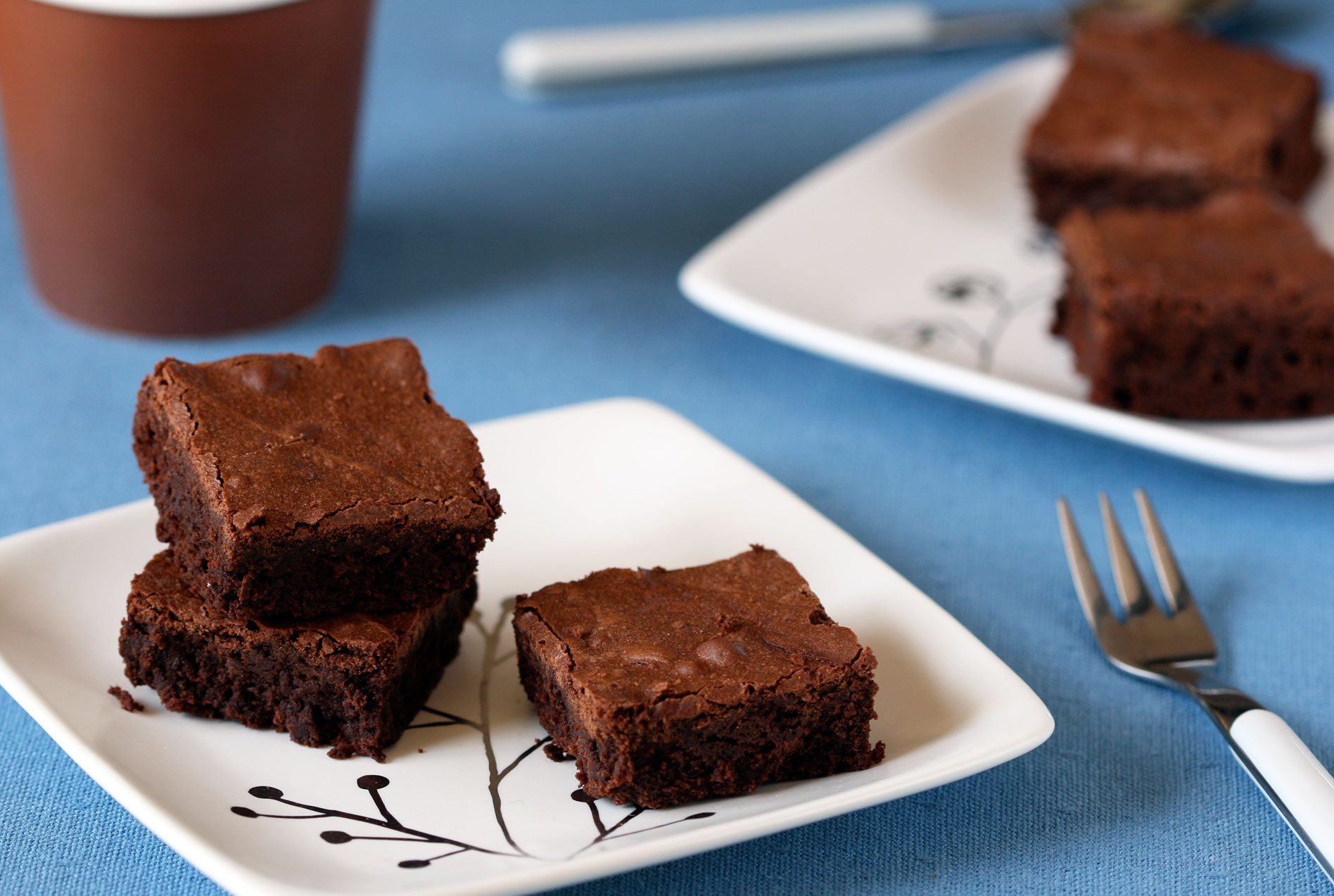
Some carnivores, those that sometimes stray from their meat diets, do retain their sweet sensing genes. Dogs know that ice cream is sweet. And every night the Tooley Cafe hosts a band of meat eaters with an incredible penchant for sugar. No burnt batch of cookies or stale piece of cake is ever wasted at our house. The raccoons always eat dessert first.

http://dessertfirstgirl.com
Image: dessertfirstgirl.com

For those of us with 10,000 taste buds (cats have 470, dogs have 1,700 and cows have 25,000), here is a splendid and easy recipe for Chocolate Fudge Bars.

1 cup sugar
1/2 cup butter, melted
2 eggs
1/2 cup flour
5 tablespoons cocoa powder (unsweetened)
1 teaspoon vanilla

Mix sugar and butter until creamy. Add eggs, flour, cocoa and vanilla.
Pour into an 8 inch round or square pan.
Bake at 300 degrees for 30 to 40 minutes.
Cut into small squares.

Don’t feed to cats.


0