Brains

Inky the octopus made a brilliant nighttime escape from his aquarium a few months ago. Leaving his tank-mate Blotchy behind, he oozed through a small crack at the top of his tank, navigated 8 feet across the floor, stuffed his soccer ball sized body through a drain hole and careened down a 164 foot long drain pipe into the Pacific Ocean.

The manager of the New Zealand aquarium that was Inky’s former home said, “Didn’t even leave a message.”

The news of Inky’s escape spread around the world but came as no surprise to admirers of Cephalopoda. That class of animals are characterized by their Houdini-like skills.

Many years ago I did research on octopuses while writing a program on ocean creatures for elementary school children. I became an immediate octopus groupie.

These amazing invertebrates have complex brains and excellent eyesight. Combined with refined defense mechanisms, octopuses have a full arsenal to enable them to escape predators.

Their first line of defense is to jet away from danger by expelling water from their mantles. Gone is that lazy looking creature we see floating around in captivity.

Most everyone knows that an octopus can release a cloud of black ink to confuse a predator. What is less known is that the ink has substances that dull the attackers sense of smell making the octopus harder to track.

Octopus are also superb camouflage experts. In 0.3 seconds they can change color and create patterns to blend into any background. They can also alter their body shape to mimic venomous or dangerous ocean species such as sea snakes.

When not out hunting prey and protecting themselves from being somebody’s dinner, octopus retreat to their dens. A den can be a shell or a crevice in a rock. More creative dens come from people’s litter….cans, bottles, pieces from shipwrecks.

Multiple marine biologists have performed experiments in attempts to measure octopus IQ’s. I chose one of these experiments to simulate for my young students. I put a plastic crab in a glass jar and screw on the lid. We pretend the jar is placed in an aquarium tank. My octopus puppet swims over and finds the jar with its favorite dinner inside. Its  arms start checking out the jar, and then the octopus unscrews the lid and pulls out the crab. How can any kid not like an animal with a super bag of tricks as well as three hearts and blue blood?
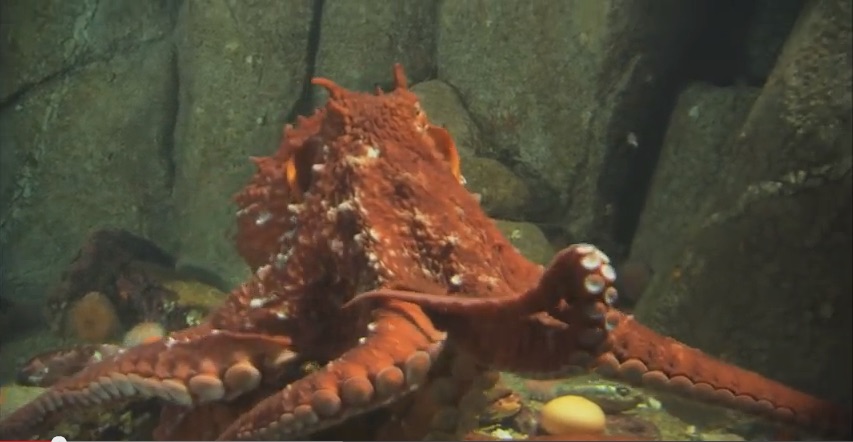
Check out this delightful video from the Montery Bay Aquarium entitled, “Why We’re Suckers for the Giant Pacific Octopus”.

o

0

Cherries

Cherry blossoms follow Mother Nature’s whims. If she tosses out an endless winter of blizzards and freezing nights, the blossoms are delayed. Conversely, a mild winter and early thaws result in early flowers.

People have a penchant for organizing, planning ahead and ignoring the Earth Mother’s powers. This can result in Cherry Blossom Festivals being held when no cherry blossoms make an appearance.

For the last 20 years, my husband and I have tried to view Wisconsin’s famous Door County cherry orchards when they are in peak bloom. For 20 years we have failed at this quest. The blossoms either have not arrived or have come and gone. A live web cam site tracking the progress of the buds would be most helpful.

IMG_2930
The Washington Post (Dennis Govoni)

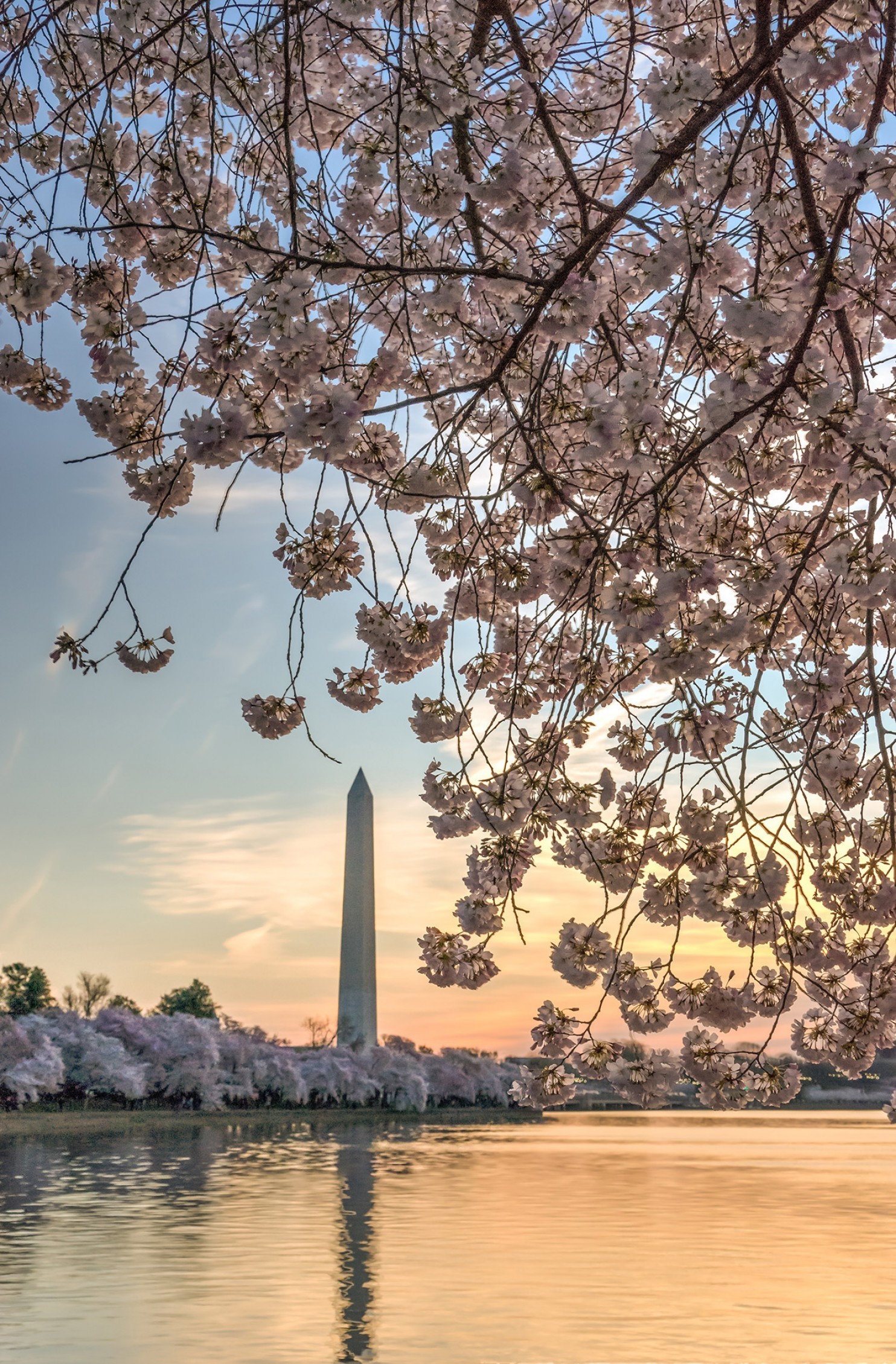
Fortunately, life can hand out good surprises. Two weeks ago we left our home state during a blinding blizzard for a long planned trip to Washington, D.C. Arriving in the nation’s Capitol, we discovered that it was Cherry Blossom Festival, and, even more miraculously, all the trees around the Tidal Basin were in full, exquisite bloom. For three days we luxuriated in seas of flowers. When warm breezes blew, we felt like tiny figures in a snow globe.

The famous Washington Yoshino cherry trees began as a gift from Japan of 3,000 trees in 1912. We reciprocated with dogwoods and the exchange continues to this day. The trees do not produce edible cherries (unless you’re a bird) so no Cherry Pie Festival is held in D.C.

Back in Wisconsin, we are approximately five weeks and several snowstorms away from our blossoms. We will try again to see them. We are not optimistic. But there is a consolation prize. Our trees produce pie cherries and cherry pie is a certainty in fall.


0

Zaha

World renowned architect, Zaha Hadid, died last week of a sudden heart attack at the age of 65. Her soaring architecture is best described in these words of architect Peter Cook…”If Paul Klee took a line for a walk, then Zaha took the surfaces that were driven by that line for a dance.”

Dame Hadid was born and raised in Iraq, educated in England and opened her practice there in 1979. She employed Parametricism, an innovative method of using algorithms to dictate shapes of digital models that then become architectural forms. This technique allowed her to experiment with the sculptural capabilities of concrete. Her concrete structures appear to be on the brink of flight.

Her constant goal was to go forward. When accepting England’s prestigious architecture award, the Stirling Prize, she stated, “I have always believed in progress and in creativity’s role in progress. That’s why I remain critical of any traditionalism.”

Zaha Hadid is also renowned for her progress in another arena. She fought with tenacity, courage and intellect to break down the sexist barriers to women in the field of architecture. In a male dominated profession,  she walked through many doors which said, “Men Only”. Zaha Hadid won the Pritzker Prize in 2004, the only woman in the 37 year history of the prize to be recognized.

The body of her work is her greatest legacy. Here is an exhilarating, concise survey produced by Dezeen Daily.

0

Flag

The Kiwis just spent millions of dollars to keep the flag they have flown since 1902.

Their flag was not being held for ransom, and no one wished to leave the Commonwealth. John Key, the current Prime Minister, simply thought it was time to rethink the original design.

The original flag features a small Union Jack and stars of the Southern Cross on a field of blue. Those favoring a change noted that the Kiwis’ flag looks incredibly similar to the Australian one, causing much confusion. In addition, it invoked the colonial era with its many injustices.

The public was invited to submit new designs and they did…..10,292 of them. A panel, including verillolologists (experts in flag design)  whittled the list down to the finalist. The winner featured a silver fern, an iconic symbol to New Zealanders. Think it as the equivalent to Canada’s big, red maple leaf.

A photo from December shows the current New Zealand flag (left) and the alternative design currently up for a vote.  Fiona Goodall/Getty Images News
A photo from December shows the current New Zealand flag (left) and the alternative design currently up for a vote.
Fiona Goodall/Getty Images News

The big vote was held last week and the silver fern design went down in flames. One critic remarked “It looks like a beach blanket”.

If I were Kiwi, I would have voted for the fern. If all nations’ flags looked like beach blankets, maybe we wouldn’t be fighting wars all the time.

0

Bravo!

March is painted in many shades of gray up here in the tundra where I live. But my month was anything but gray.

March is also Youth Art Month and I availed myself of all the color I could get by visiting Y.A.M. shows and putting up a large display of my students’ work.

My home school district is one of the lowest funded in our state. All programs and budgets in our schools have been cut many times over.

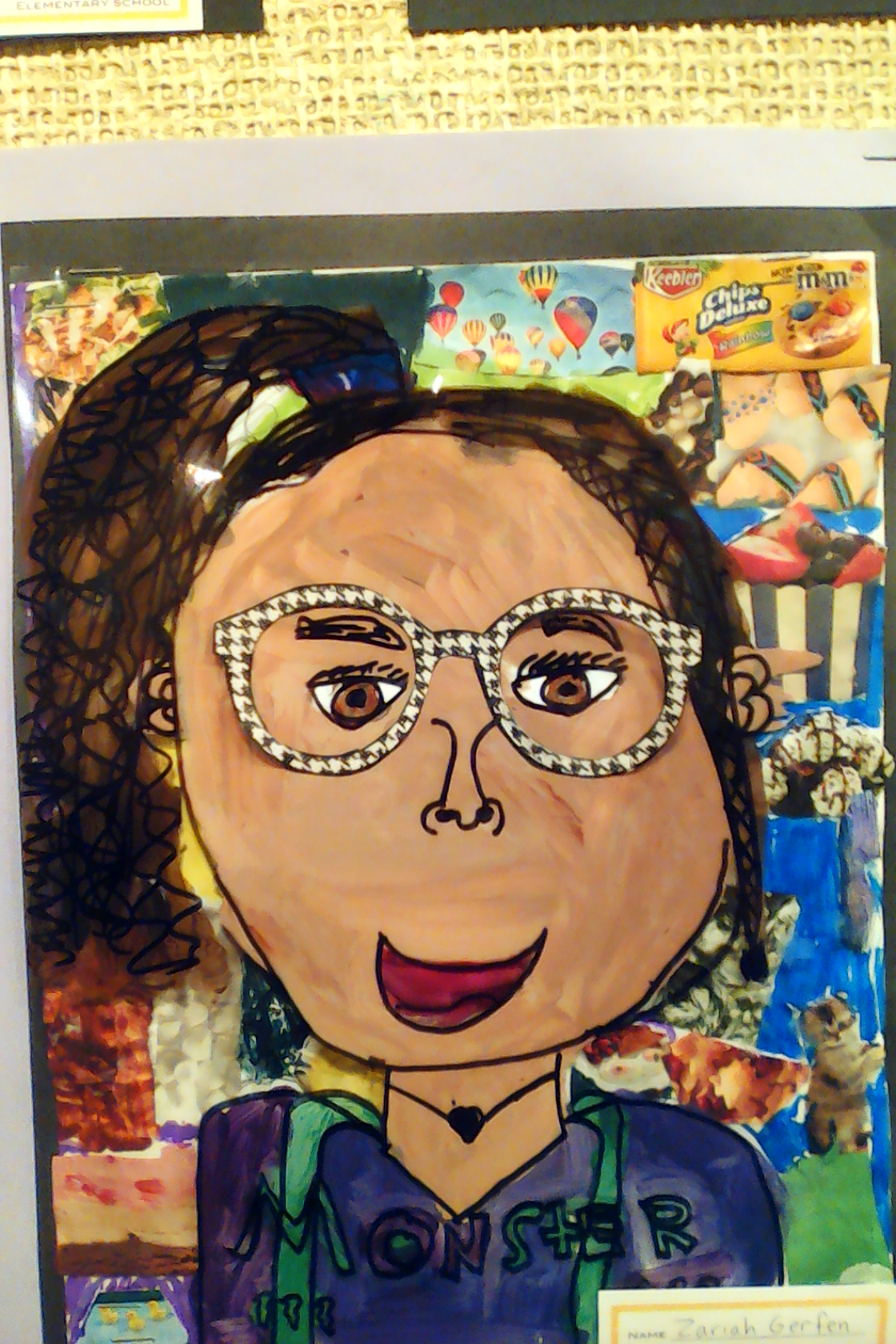
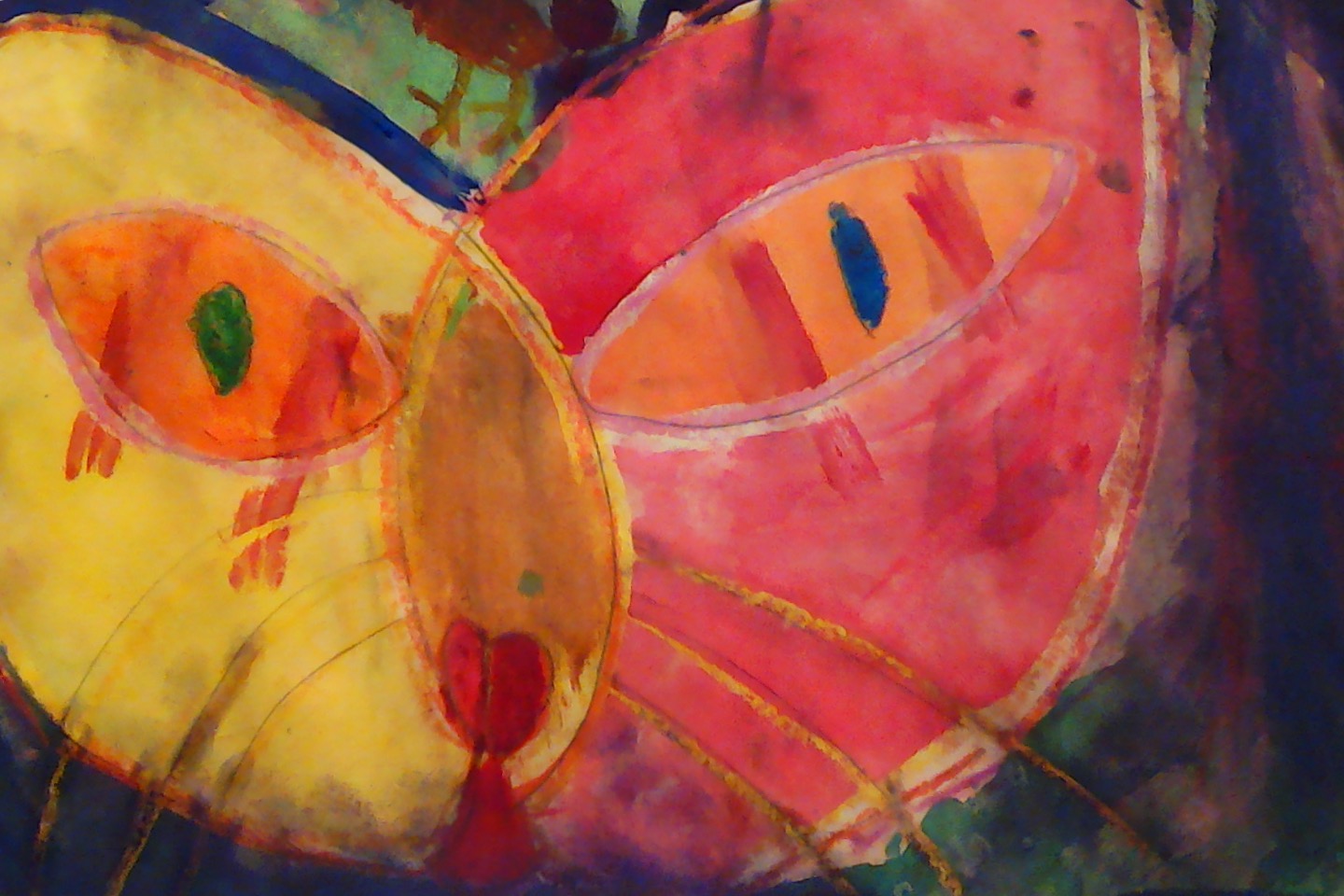
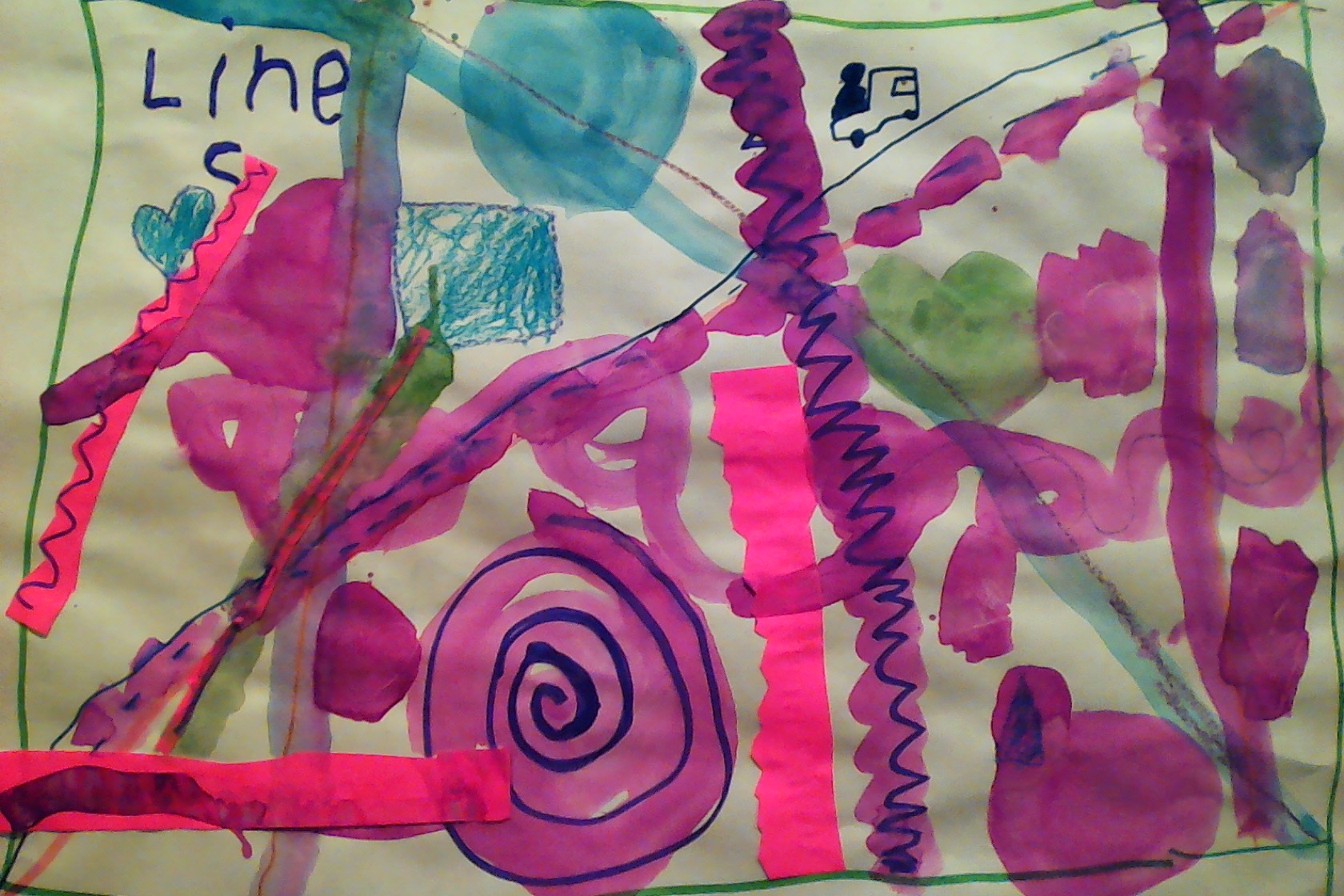
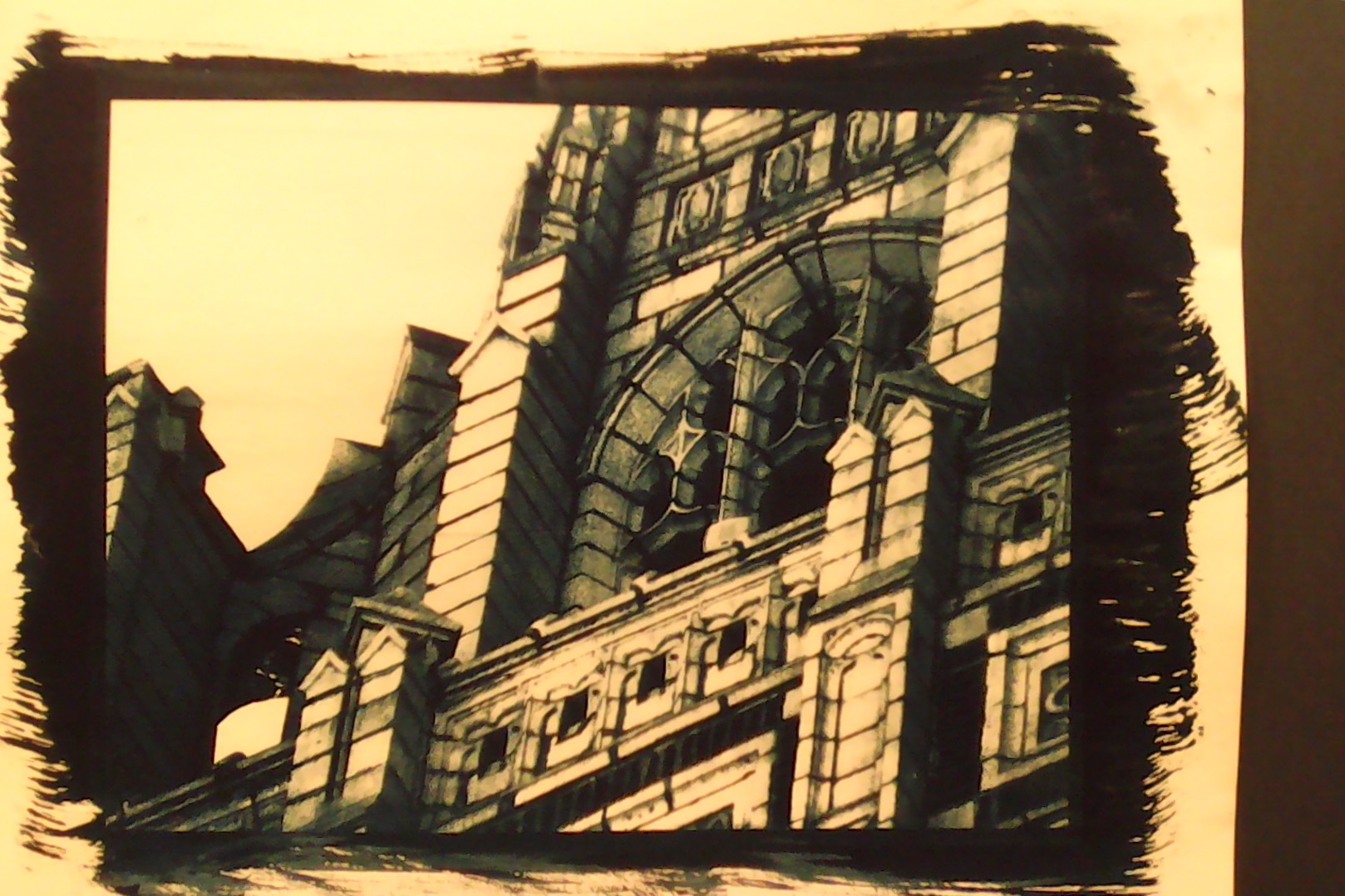
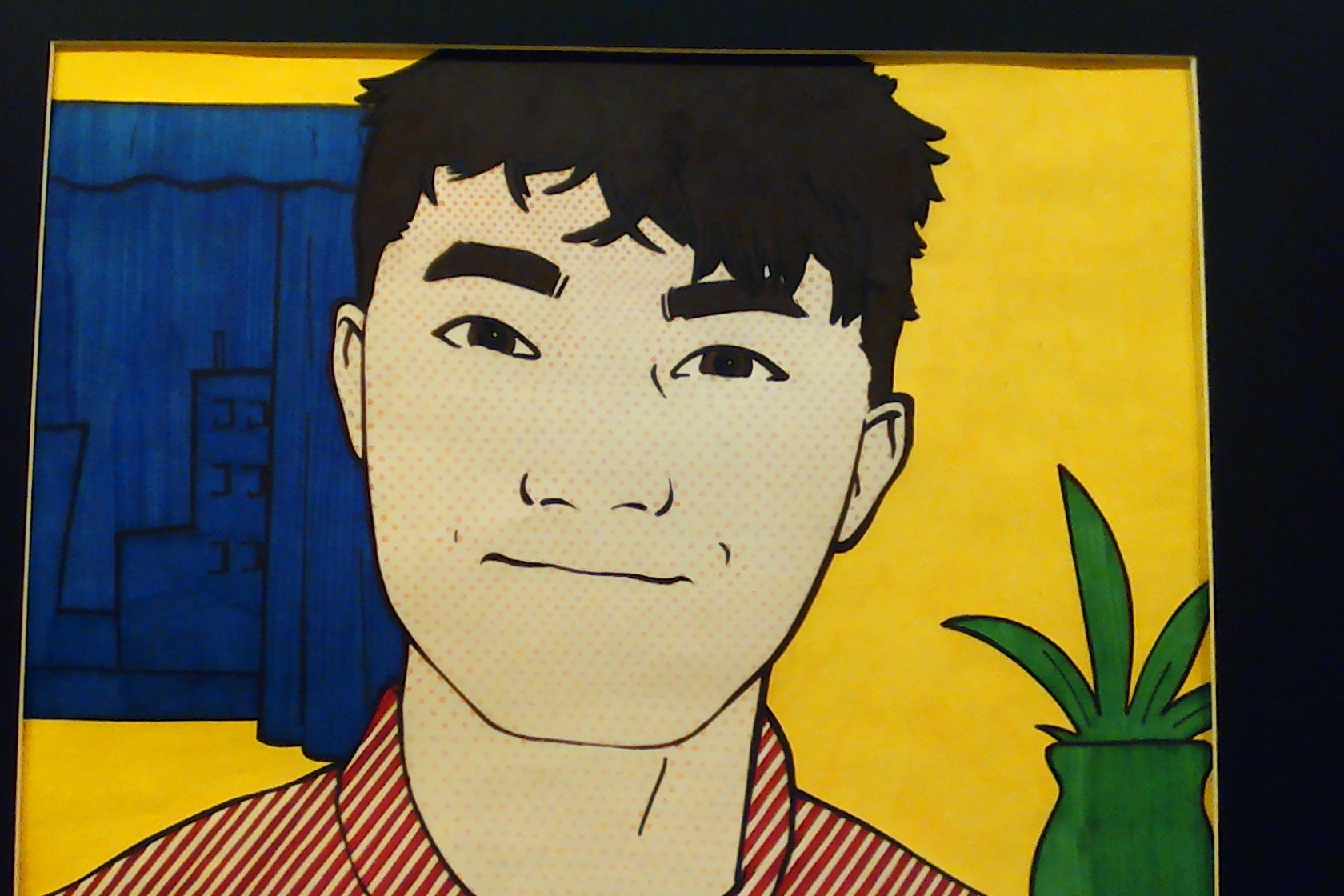
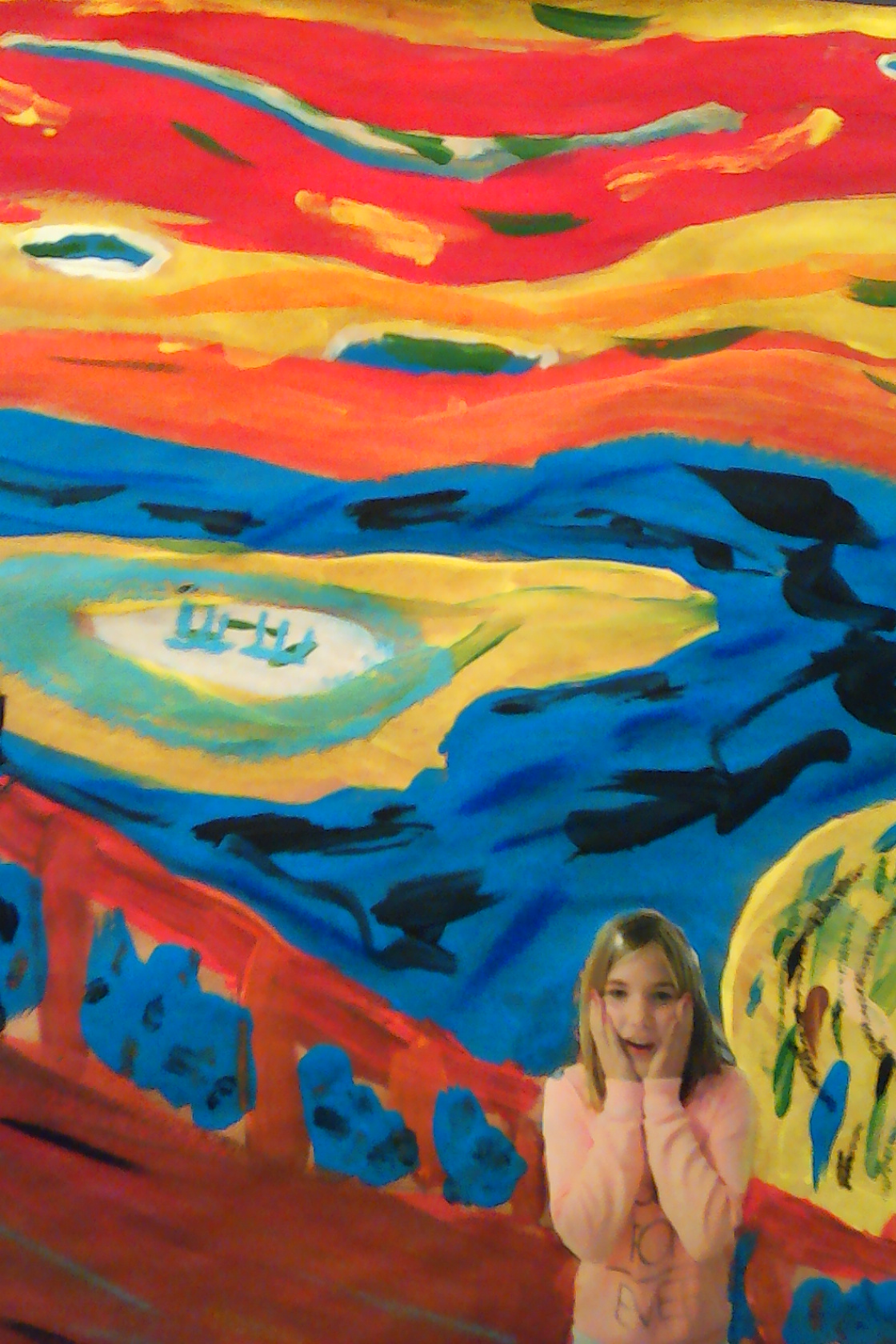
After hanging the art of my students who live in more affluent counties, I headed to the art museum that was displaying the work of the young people in my community’s public schools. Against all odds, the show was spectacular. Our art museum frees every gallery for the display of student art from kindergarten through senior high.

Bravo to our children and their spirited teachers. I want to share a few of the many lovely pieces of art from this show. I also want to share two quotations the teachers chose to accompany the artwork.

“Educating the mind without educating the heart is no education at all.”
Aristotle

“The arts are not just a nice thing to have or to do if there is free time or if one can afford it. Rather, paintings and poetry, music and fashion, design and dialogue, they all define who we are as a people and provide an account of our history for the next generation.”
Michelle Obama


0