Olmsted

Down through the ages, many creative individuals have accomplished amazing feats, broke barriers and bettered the lives of millions, yet their names are recognized by few. Fame is fickle.

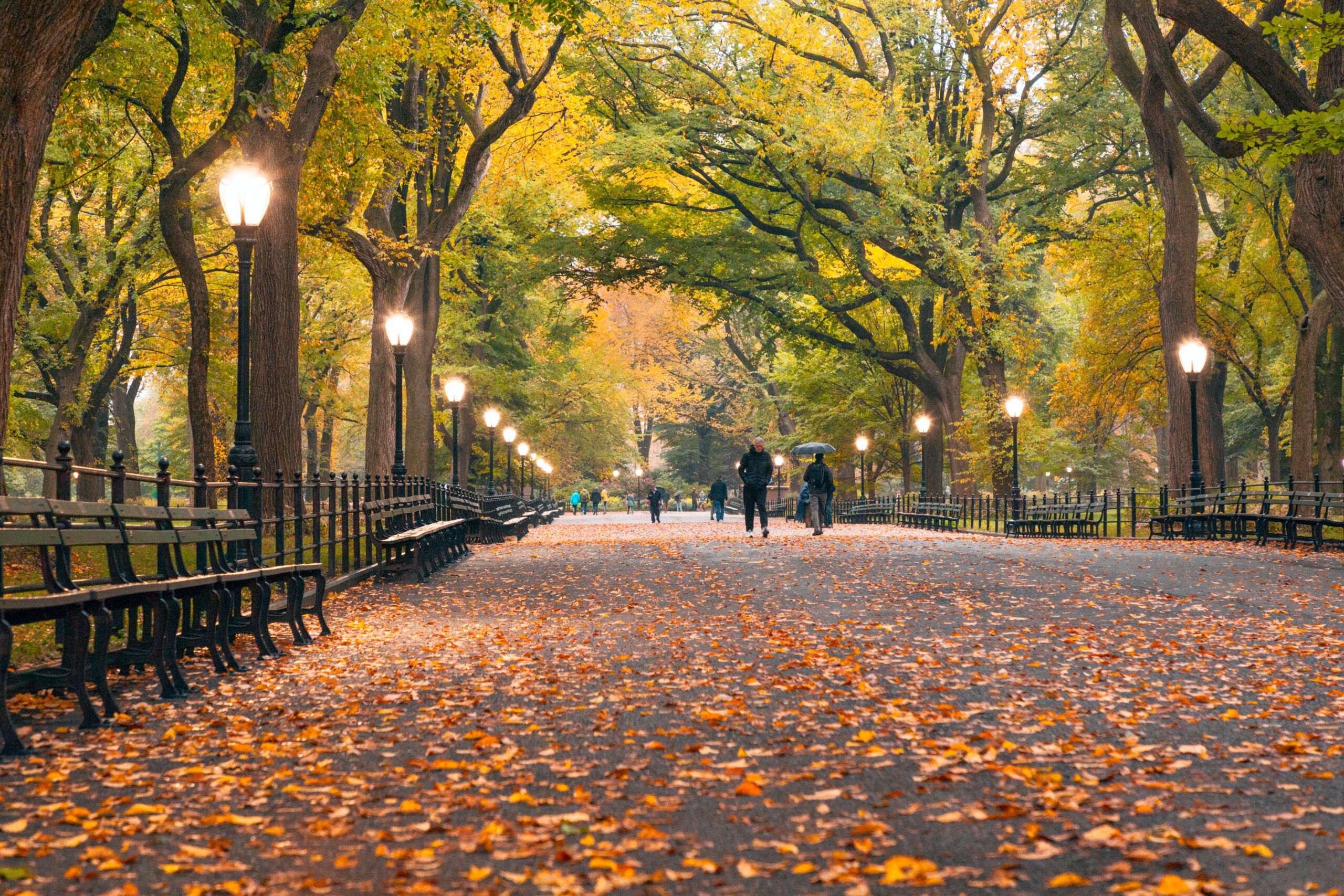
This year marks the 200th anniversary of one of these barely known geniuses, Frederick Law Olmsted, who was born on April 26, 1822. If you live in or have visited New York City, Boston, Detroit, Milwaukee, Chicago, Atlanta, Louisville, Trenton, Washington D.C., Palo Alto, or scores of other places in America, you have encountered his work. Olmsted was the landscape architect who changed the face of America’s cities with his magnificent urban parks and parkways. He, and later his firm which he established with his sons, created over 700 parks across America.

I first learned about Olmsted when I was working on Milwaukee’s Historic Preservation Commission. Before that time, I always assumed that our vast city parks were natural landscapes that were miraculously saved from development and enhanced with more trees and plantings. I couldn’t have been more wrong.

Every hill, meadow, pond, vista and trail in his parks was sculpted out of the earth. They are totally artificial landscapes created with bulldozers and hard labor. Mother Nature supplied Mr. Olmsted with the ingredients, and he created the terrains with his massive engineering feats.

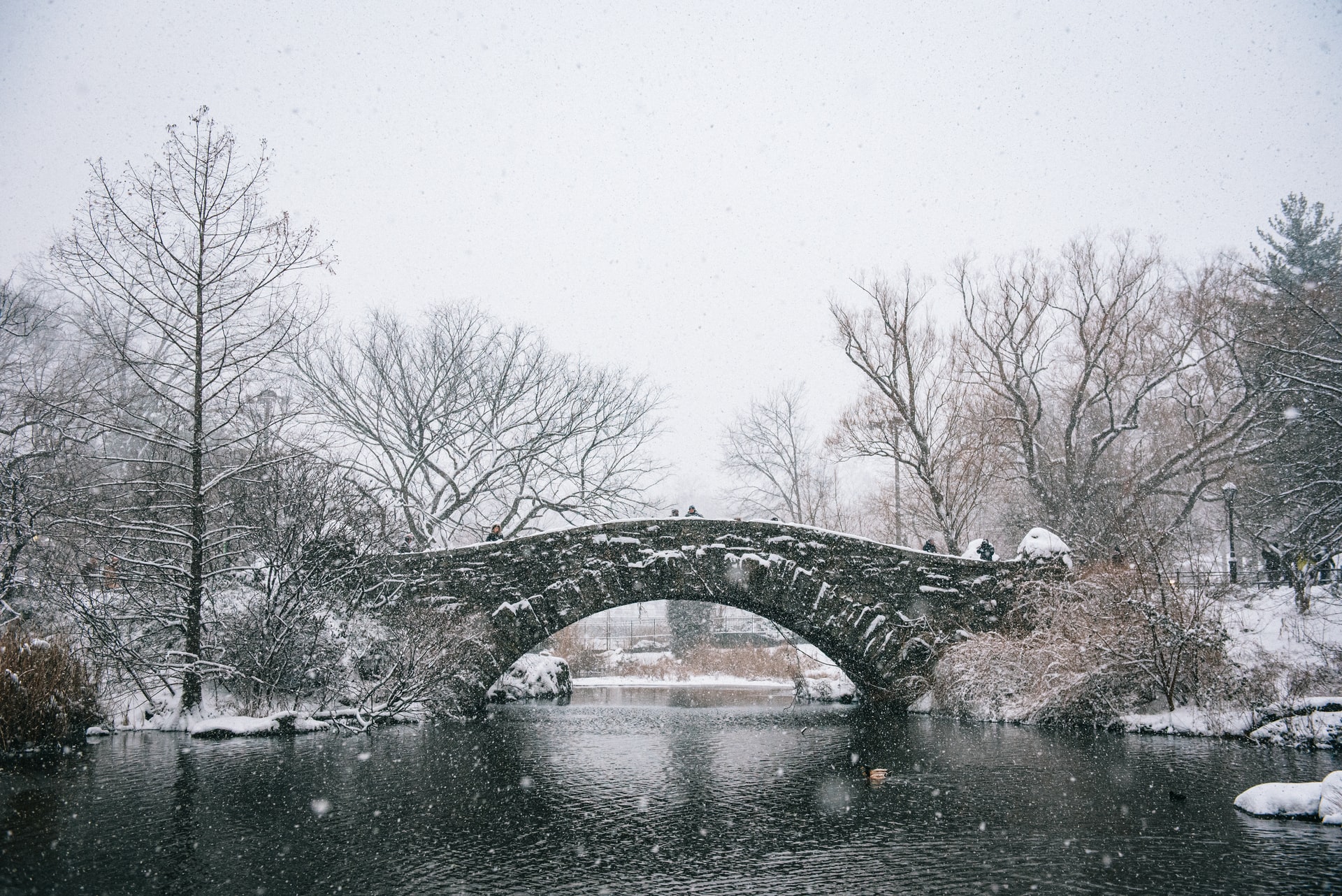
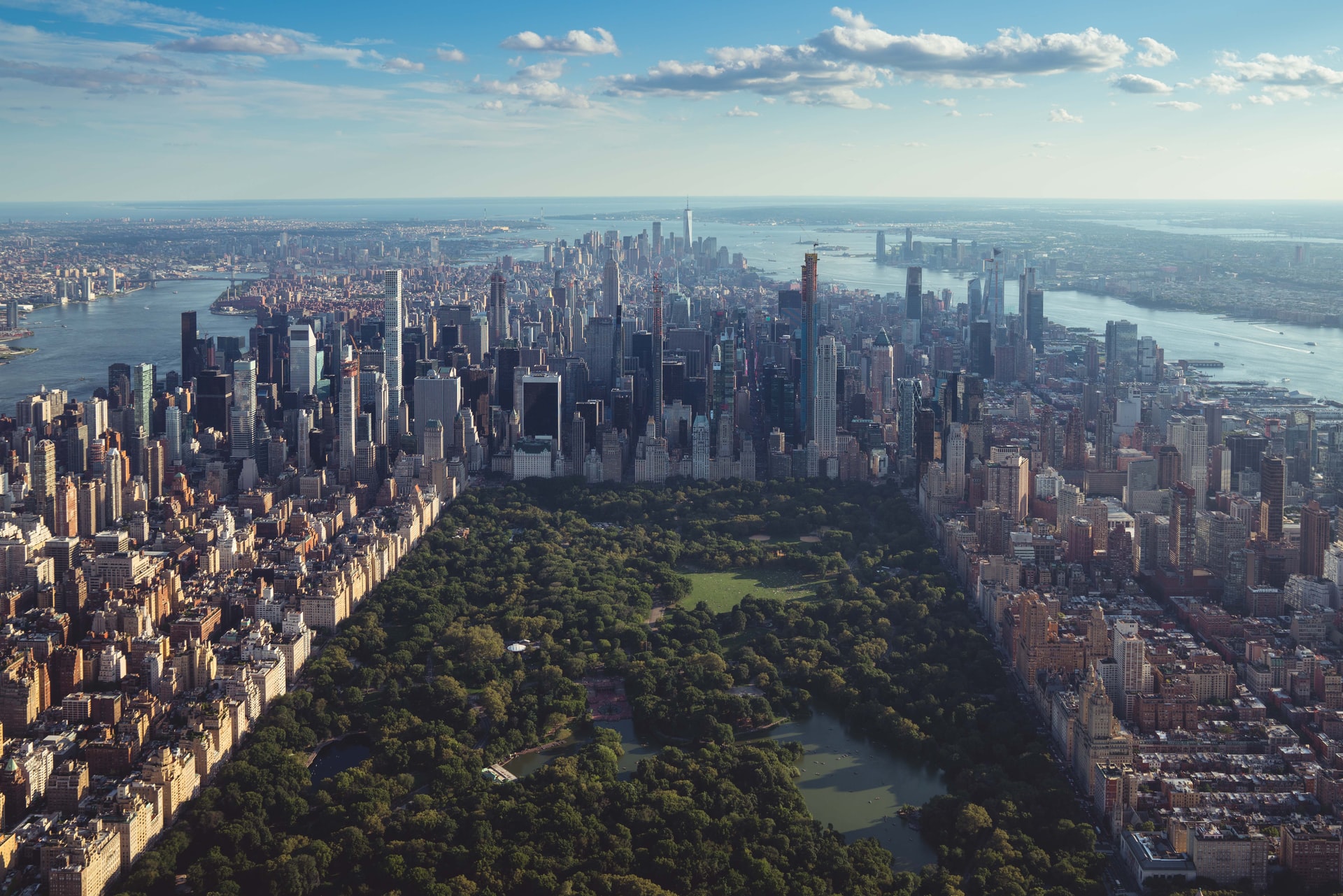
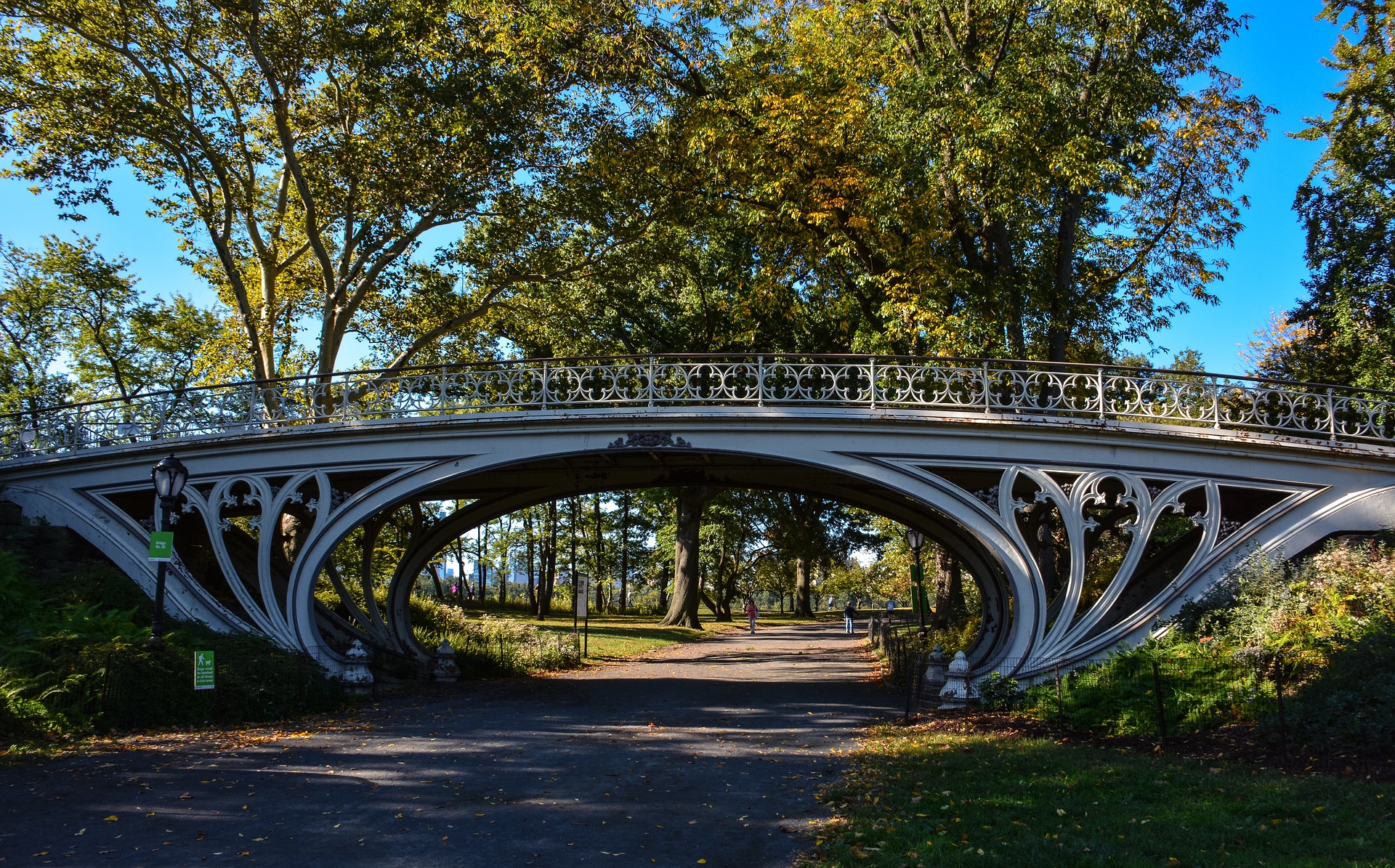
A quick look at how his stellar achievement, Central Park in New York City, was built is eye-opening. Starting in 1853, New York City acquired the land for Central Park via eminent domain, cleared out 1,600 residents and razed their homes, three churches and a school.* The city then asked for design submissions for the new park. Olmsted, a young topographical engineer, had just returned from a tour of England where he was profoundly impressed with English landscaping. He and Calvert Vaux, a young British architect, submitted a plan for the proposed park. Their design was the winning bid, and Olmsted would be the chief landscape architect of the park with Vaux designing the buildings and bridges.

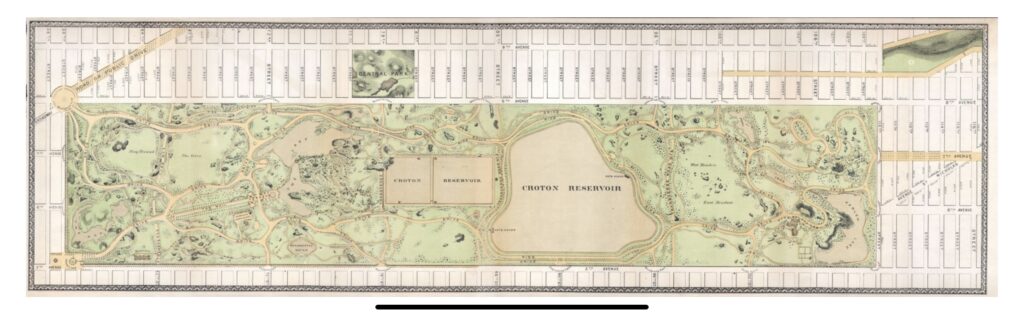
The work began: swamps were drained, more than 5 million cubic yards of stone, earth and topsoil were rearranged or moved, huge outcroppings of rocks were blasted out and 400,000 trees and shrubs were planted. The roads that would allow traffic to cross the park were sunken to not interfere with the vistas. Every detail of the park was carefully designed as seen in this plan.
Olmsted’s fabulous parks have been referred to as “the lungs of our cities”. Countless millions have been enriched by their beauty. Central Park alone had 42 million visitors last year. Surely, Olmsted deserves a prominent place in our history textbooks.

* Of the people displaced by Central Park, about 300 were residents of Seneca Village, Manhattan’s first and largest settlement of black property owners. Founded in 1825, the village had grown in three decades to include homes, gardens, cemeteries, churches and a school open to all the children living on the land of the proposed park. One family who owned land in Seneca Village ran a stop on the Underground Railroad that sheltered hundreds of people fleeing slavery.

For decades after the Central Park was completed, it became a “front yard” for the wealthy who had mansions on 5th Avenue. However, as time passed, Olmsted’s vision of public parks as a democratic ideal has been realized.
3

Quirky

From the time I was a small child, I have loved geography. Every year, from first grade to seventh, my favorite book was the geography one. Then my geography lessons ended except for one last, elective class in college. 

However, my fascination for where things are located on the planet, who lives in these places, and what these places look like has never stopped. 

I once met a 4th grade boy who had memorized the globe. Name any country, major mountain range or river and he could immediately place it. What a gift to have a map of the world in one’s brain. I’m still actively working to keep the world’s countries correctly placed. 

I am also intrigued by the many quirky aspects of geography such as the things that are commonly taught as facts but aren’t and the things which we think we know that we don’t. Here is a sampling of these mind benders.

  • How many oceans does the world have?

Google research results in the numbers 3, 4, 5 or 7 popping up. The correct answer is one. Planet earth has one world ocean made up of ocean basins. Cast a boat off any ocean coast and you can sail unimpeded around the globe back to where you started.

  • How many continents does earth have?

A continent is commonly defined as “one of the main landmasses of the earth”. If the Ural Mountains are land, it would appear that Europe is not a separate continent. But for historical, cultural and political reasons, Europe has had enough clout to make itself one of the seven continents. Tough luck, Eurasia.

  • Make a guess on the percentage of the world’s population that lives in the Northern Hemisphere.

We’re loaded. It’s 90%.

And now for some smaller oddities:

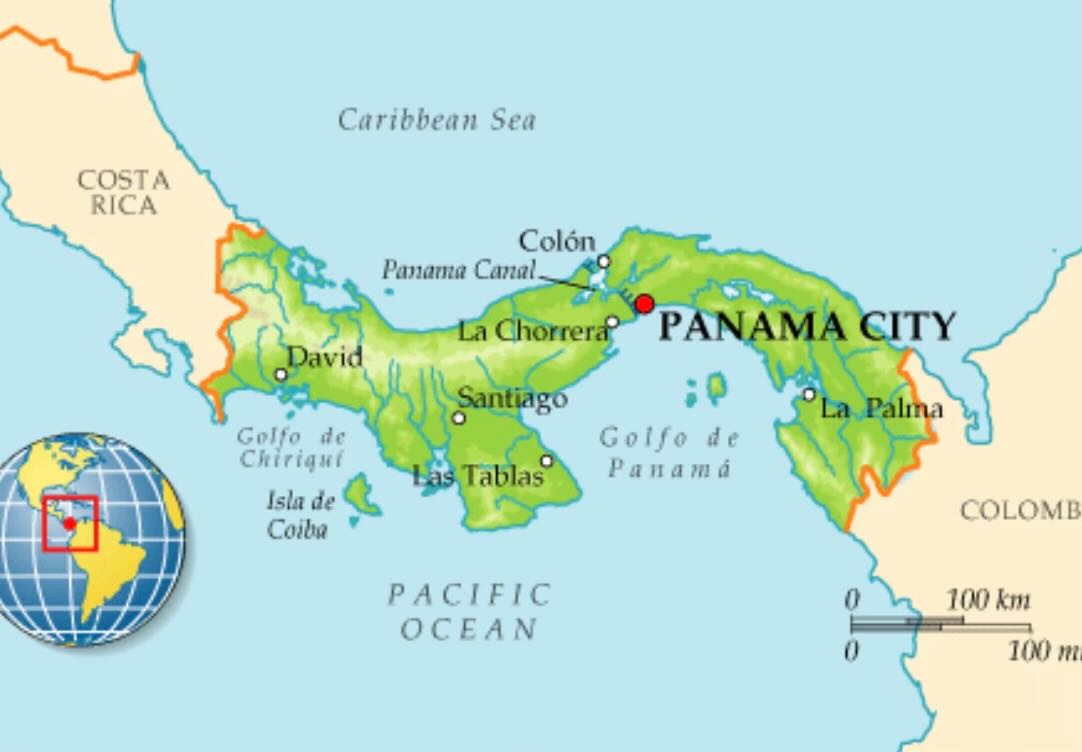
  • Which direction does the Panama Canal go?

The answer is north/south, as Panama goes east/west. And, because of its geography, Panama has never had a hurricane.

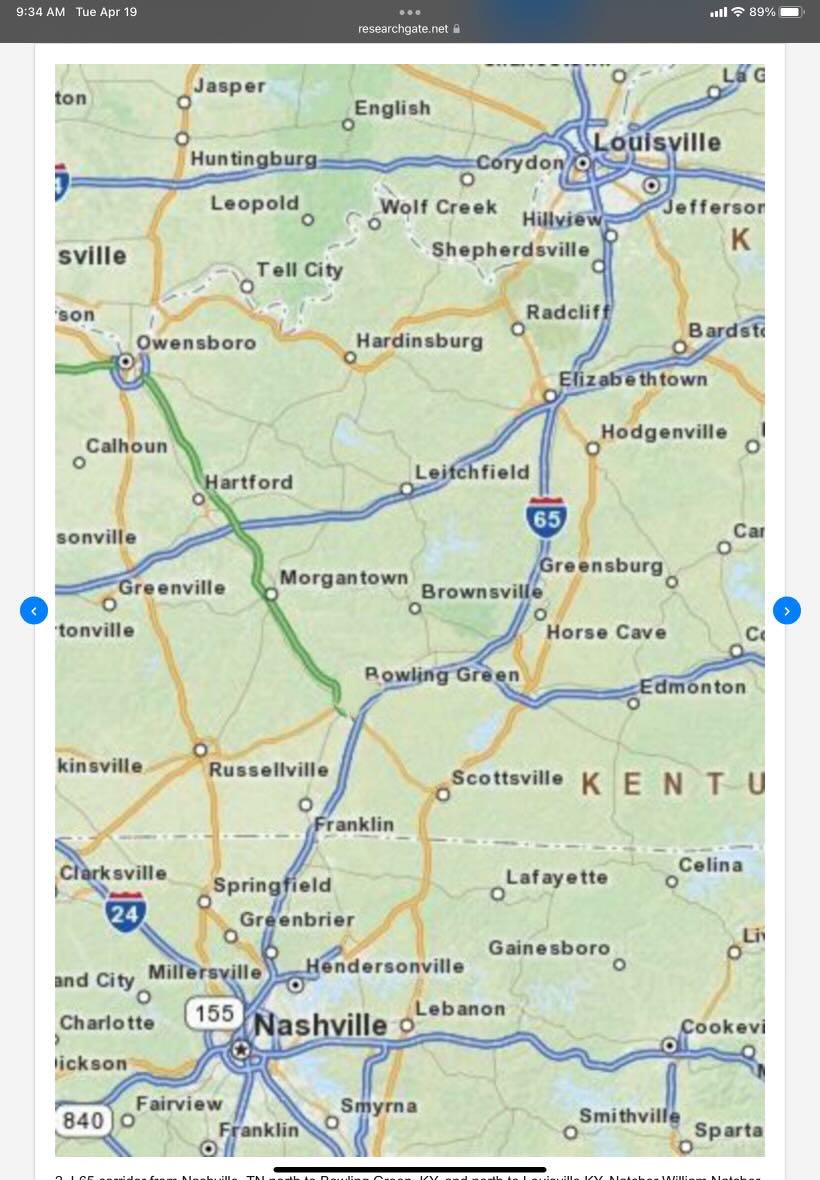
  • Which city is farther east, Louisville or Nashville?

I learned this answer a few weeks ago when planning a driving route to Atlanta. The freeway route for us would be from home to Chicago to Indianapolis to Louisville to Nashville and down to Atlanta. When I looked at this route in my road atlas, I realized that Louisville is east of Nashville. The shortest route is to skip Indianapolis and Louisville altogether and take Highway 41. Lower speed limit, but way fewer miles and stress.

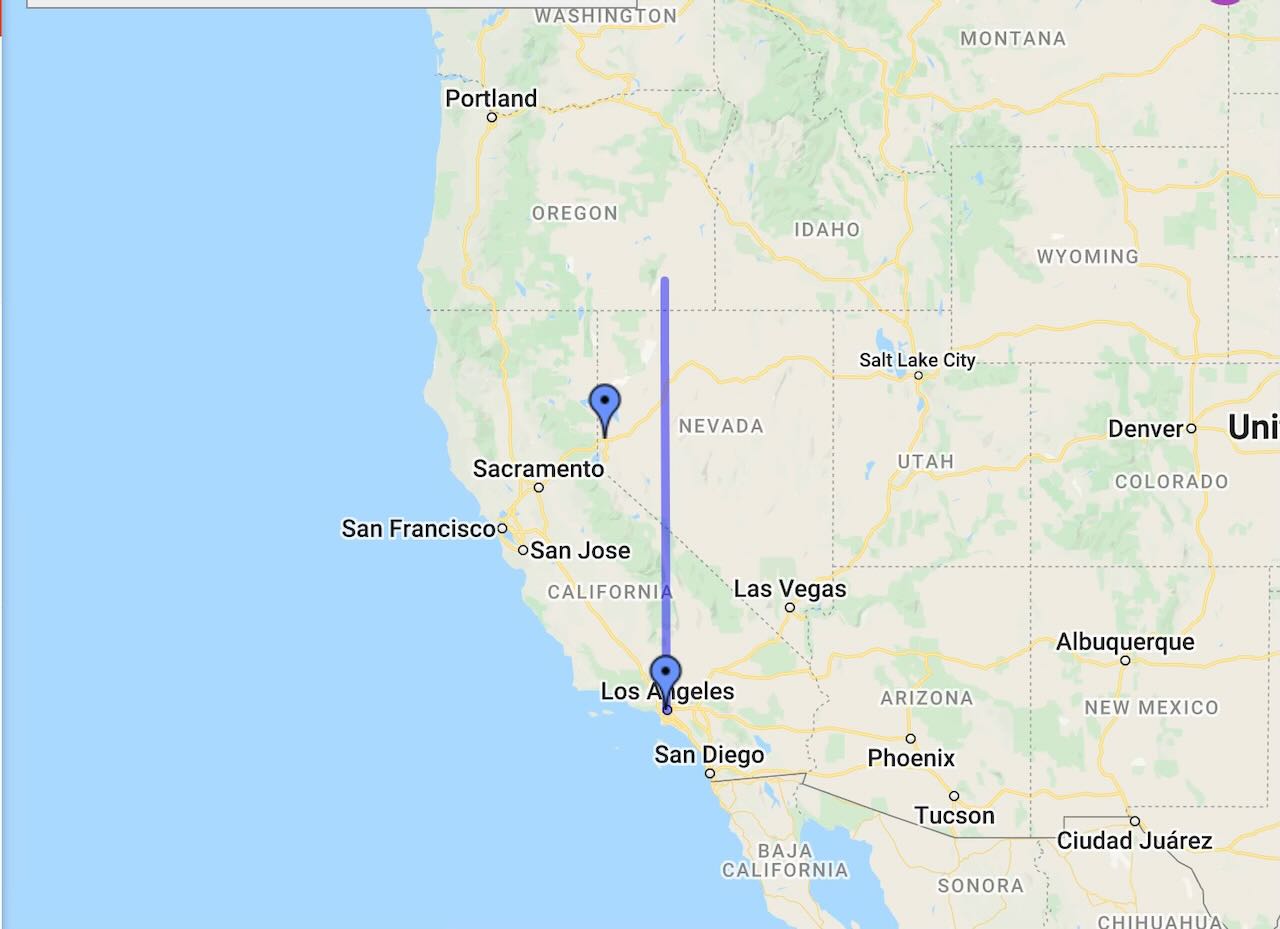
  • Which city is farther west, Reno, Nevada or Los Angeles, California?

Reno is much farther west than L.A.

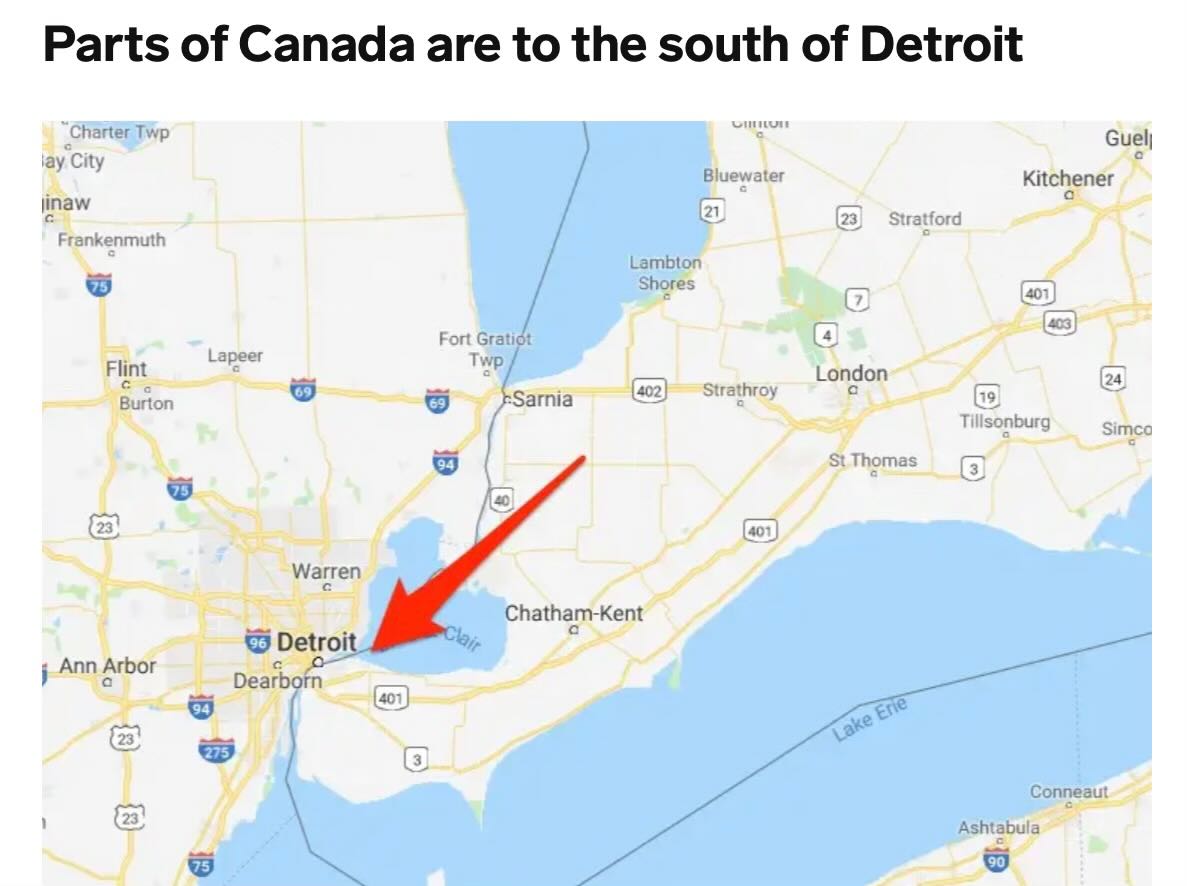
  • In which American city can you drive south and get into Canada?

Detroit, Michigan

For those of us who like to know where we’re at on the planet, it helps to occasionally consult an Atlas.

4

Wrong

Sometimes it is a wonderful thing to be wrong. I am reminded of this every time I look out our south-facing windows.

My husband and I designed our home, and making scores of decisions was a huge part of the process. Questions were raised such as “Do we really need a bathtub?” and “Can we have a flat roof?”(no and no) But one of the most crucial decisions is the first one: “Where should we put the house on the lot?”

My instant, intuitive response was “in the middle”. My spouse, on the other hand, preferred a site on the south side of the lot and adjacent to a grove of mature pine trees. I demurred, and this is where our house now stands. His judgment was brilliant.

Our views to the east and west are grand vistas. We have a complete view of the sunrise over the lake in the morning and an equally unimpaired view of the sunset over the fields to the west. We get the big picture and are grateful for it every day.

But my husband understood the close-up view is important as well. The pine grove is an entire world of activity that goes on all day and night, and we have ringside seats from our kitchen table.

The various bird families are a constant daytime presence and joy. Being next to the pines, we can discern the first, faint traces of yellow on our male goldfinches, a sure sign that spring is coming. And when a rare occurrence happened a week ago, we did not miss it. A flock of around 100 redpolls came to our feeders.

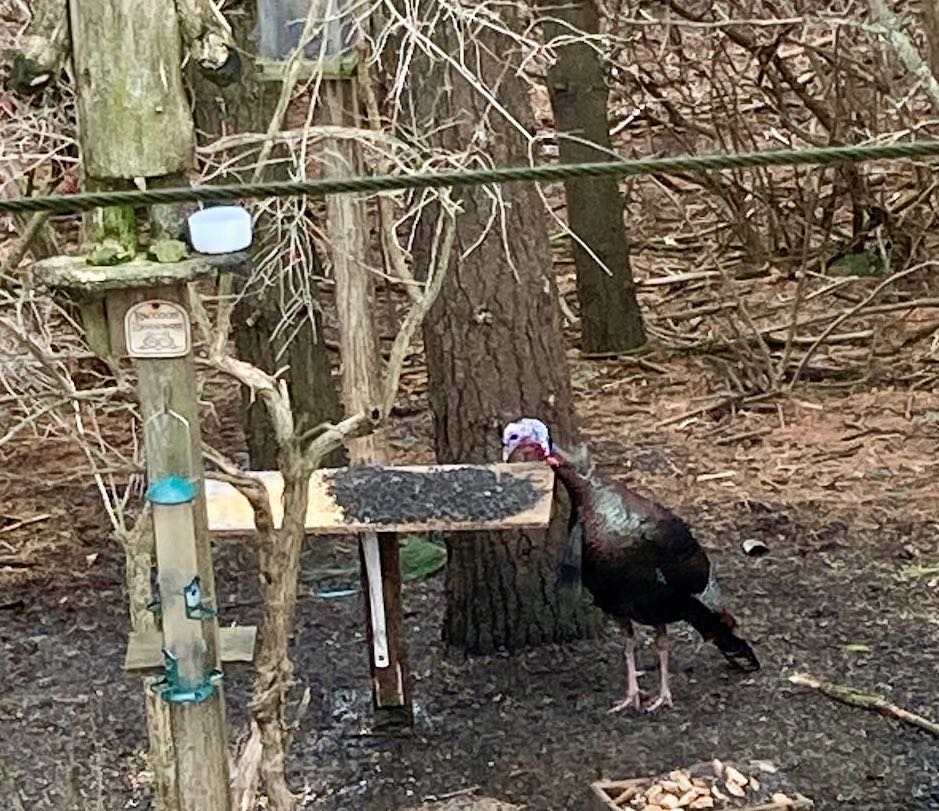
On a daily basis we get to check out what the juncos, mourning doves, woodpeckers, nuthatches, sparrows, chickadees, cardinals, finches and turkeys are doing. I’m a corvid lover, so the jays are a favorite of mine. Our group of six arrive in a flurry and bounce around like they have springs on their feet. I love their big cousins the crows as well, but they are extremely wary of coming up close to the house. I’ve threatened to hang hot dogs or Ritz crackers in the trees close by to lure them in.

After the sun sets, our nocturnal guests arrive. Watching the raccoons discover a particularly tasty treat never fails to amuse. When discovering a leftover piece of cake, a raccoon will immediately whisk it away to the depths of the woods. Raccoons are, however, ready to share the ordinary fare, seeds and nuts, with their friends. In winter, the deer pay us nightly visits as do my beloved opossums. Once, on a bitterly cold night, I even saw a tiny mouse race up a bush and make a leap into our hanging tray feeder.

The wildfowl bobbing in the lake and the deer in the fields across the road are no more than specks to our uneagle eyes. But thanks to a wise decision, we get an intimate view of wildlife. I happily stand corrected.

Breakfast Time

5

Sharing

Sharing isn’t just for kindergartners. It’s the basis of just about everything that makes life worth living. In this age of “ME”, those people who focus solely on themselves don’t seem to be getting any happier. In its many forms, sharing appears to be the win-win proposition. The person sharing and the person receiving both are enriched.

I am fortunate to be surrounded by friends and family all of whom eagerly share stories, books, food and suggestions on places to see, travel or explore. I am grateful to everyone who passes their knowledge along. “Have you read?”, “Have you seen?” or “I think you would like” are all words I love to hear. At the heart of all this sharing is the ultimate gift of time.

So thanks to all of you who take the time to send along all the newspaper clippings, posts, pictures, letters, cartoons, recipes and sometimes actual stuff (like a dead tropical spider found on a banana at the grocery store or an empty blue glass bottle).

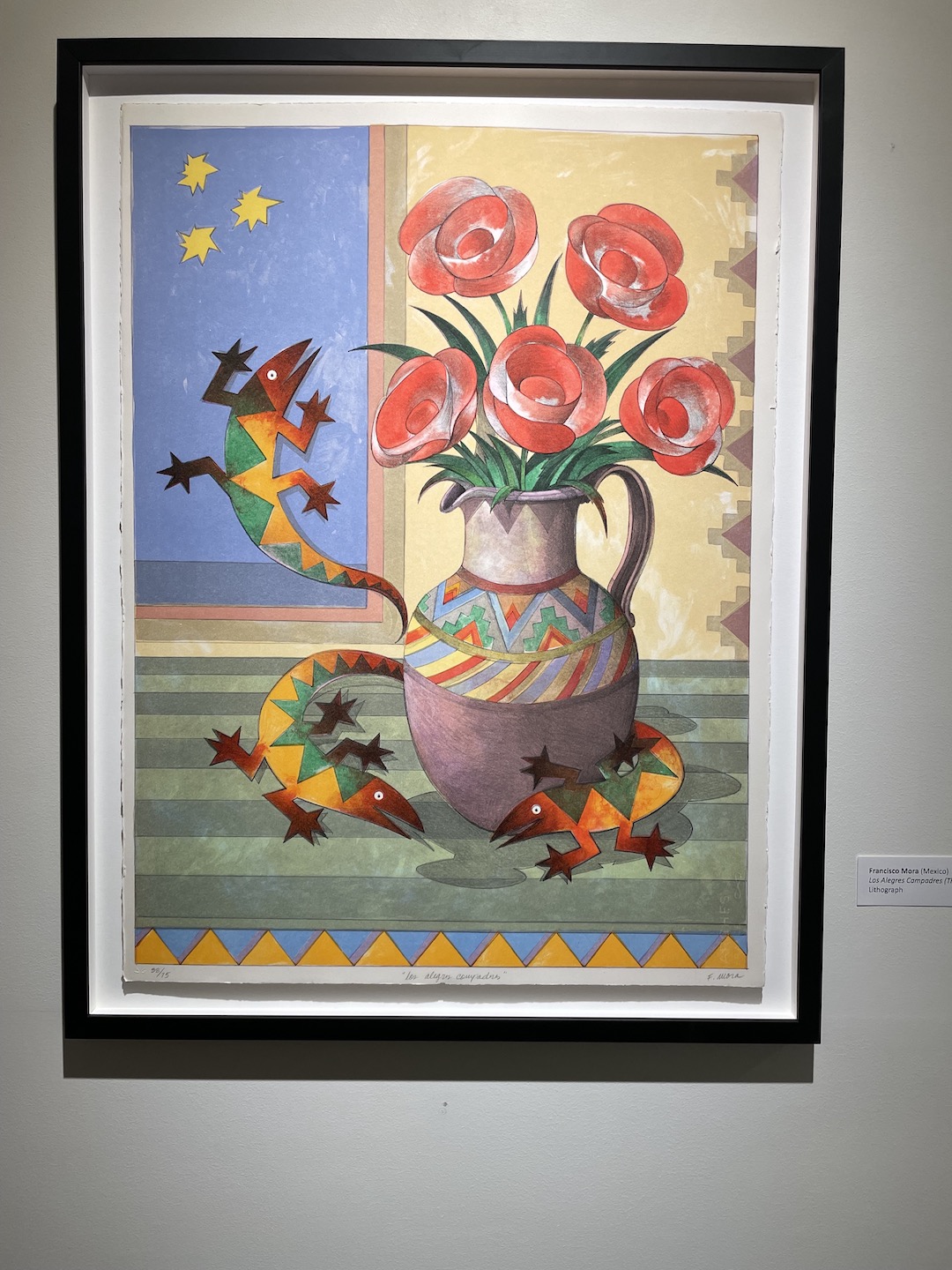
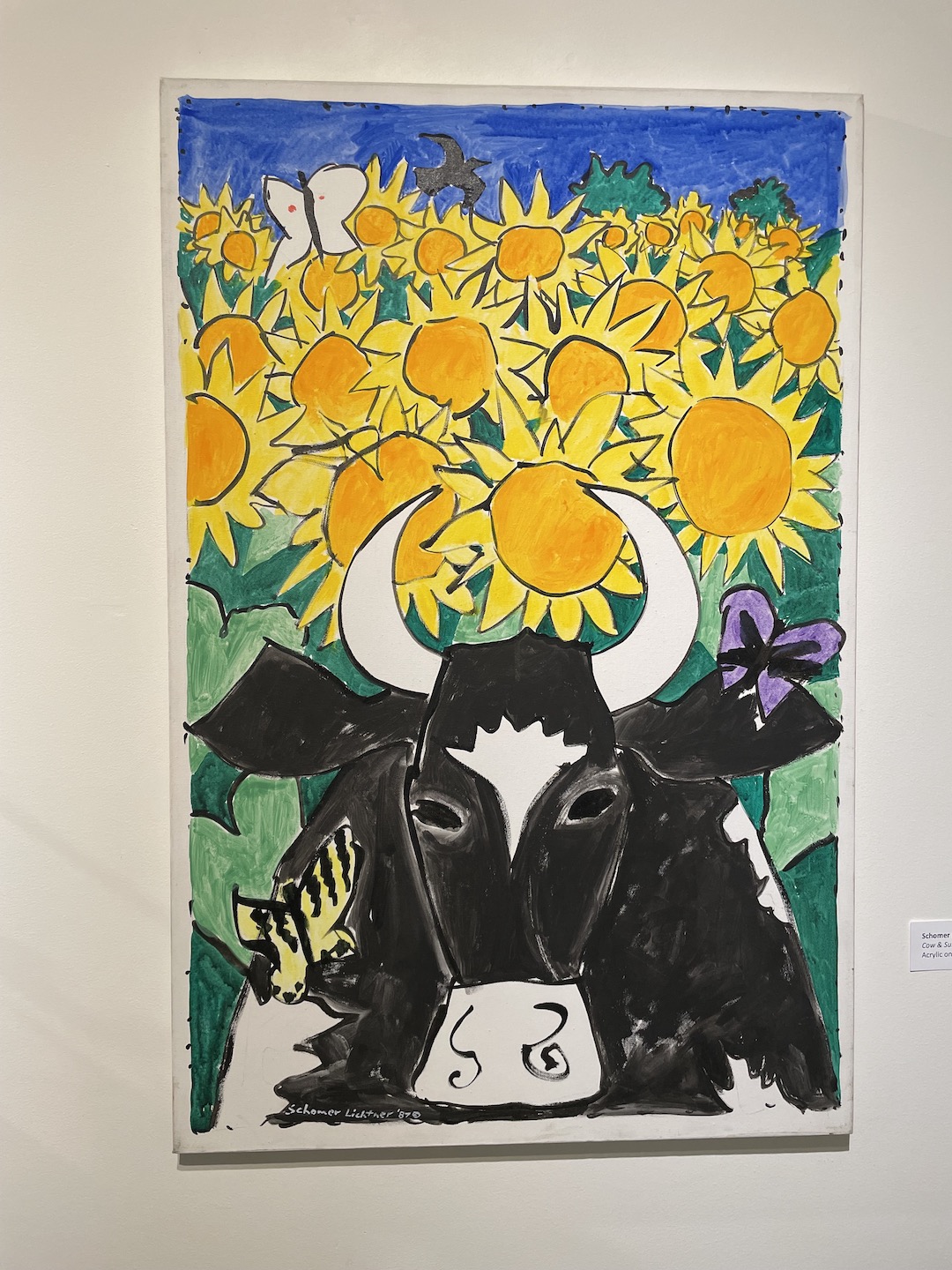
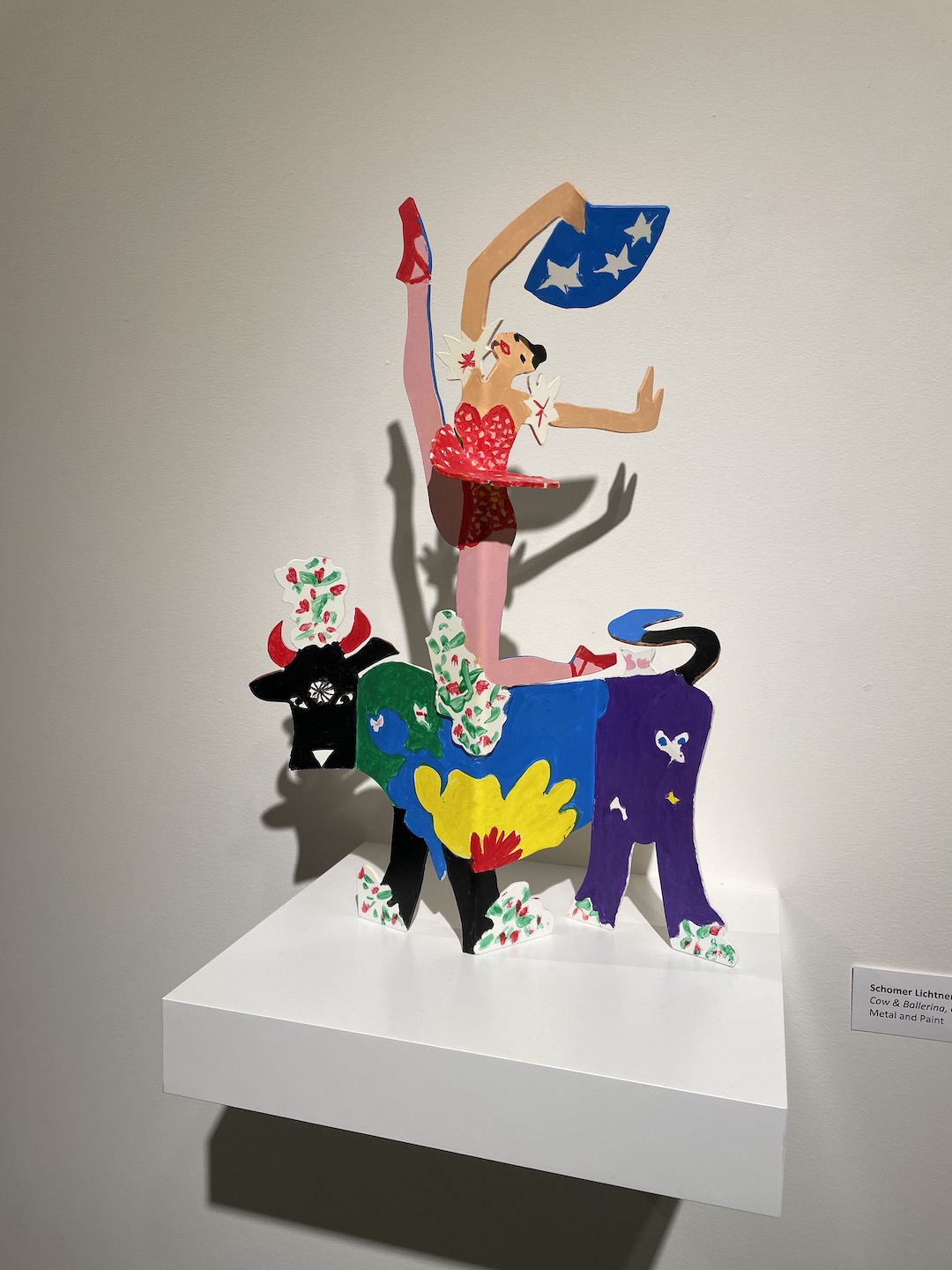
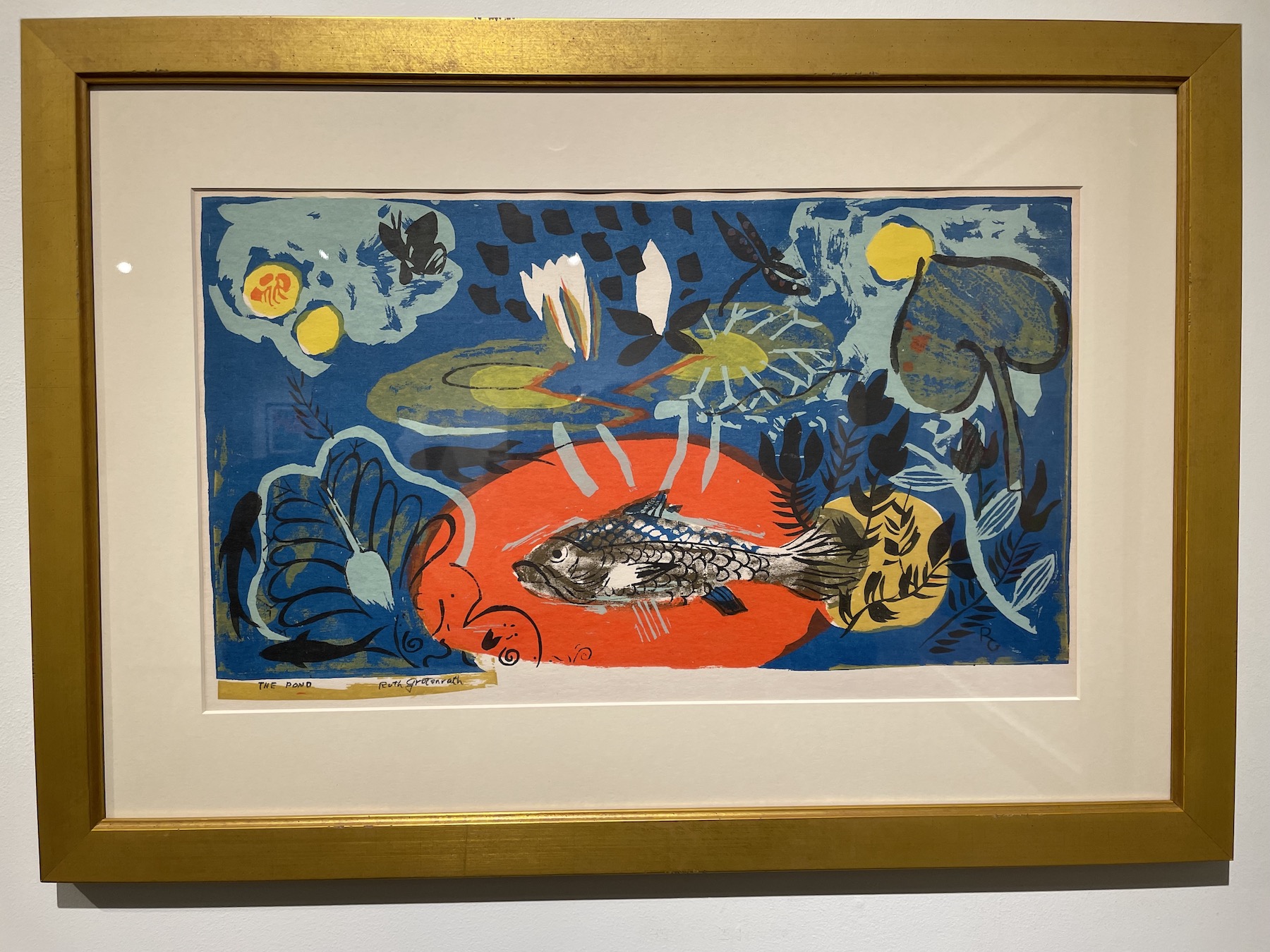
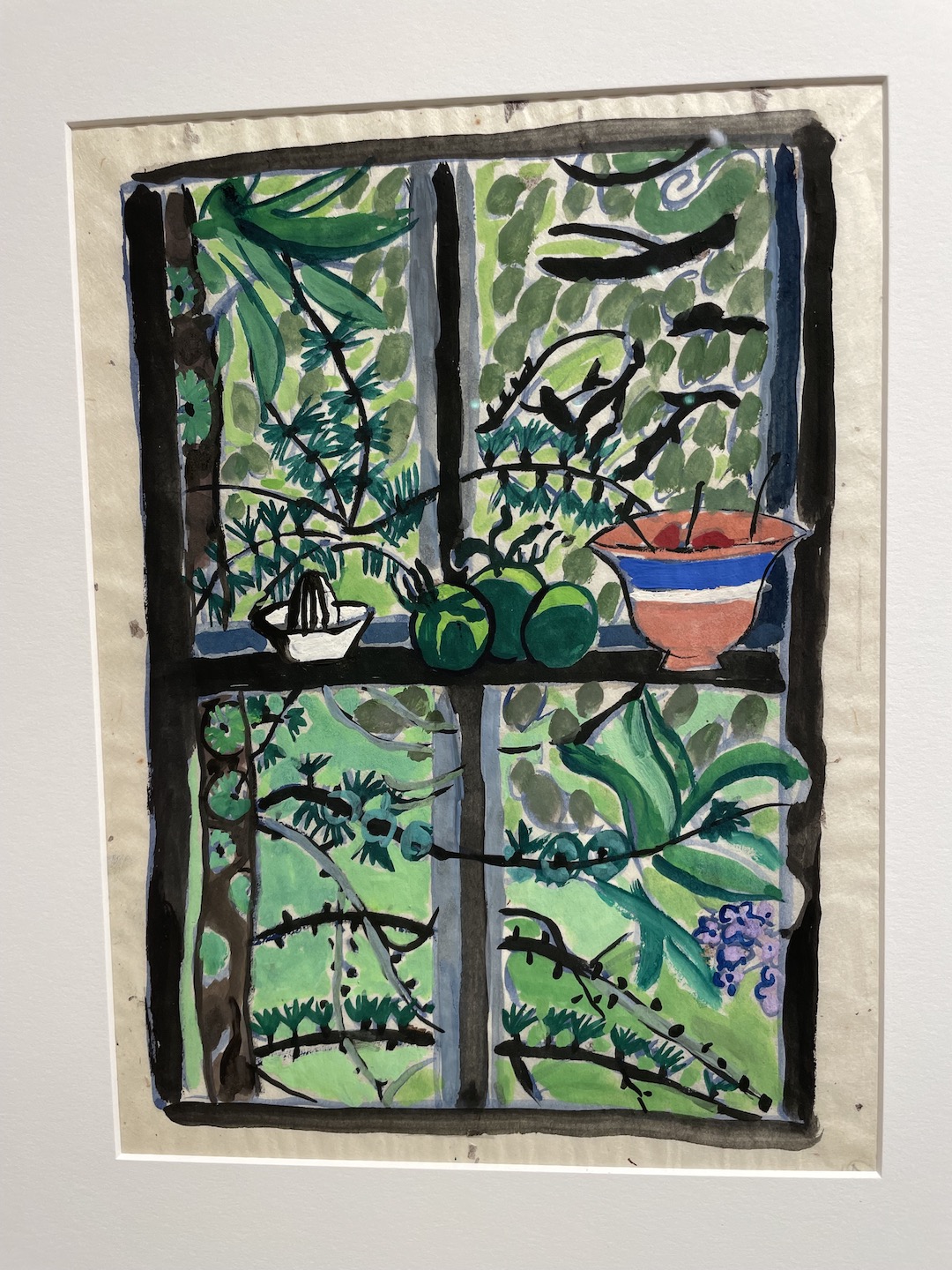
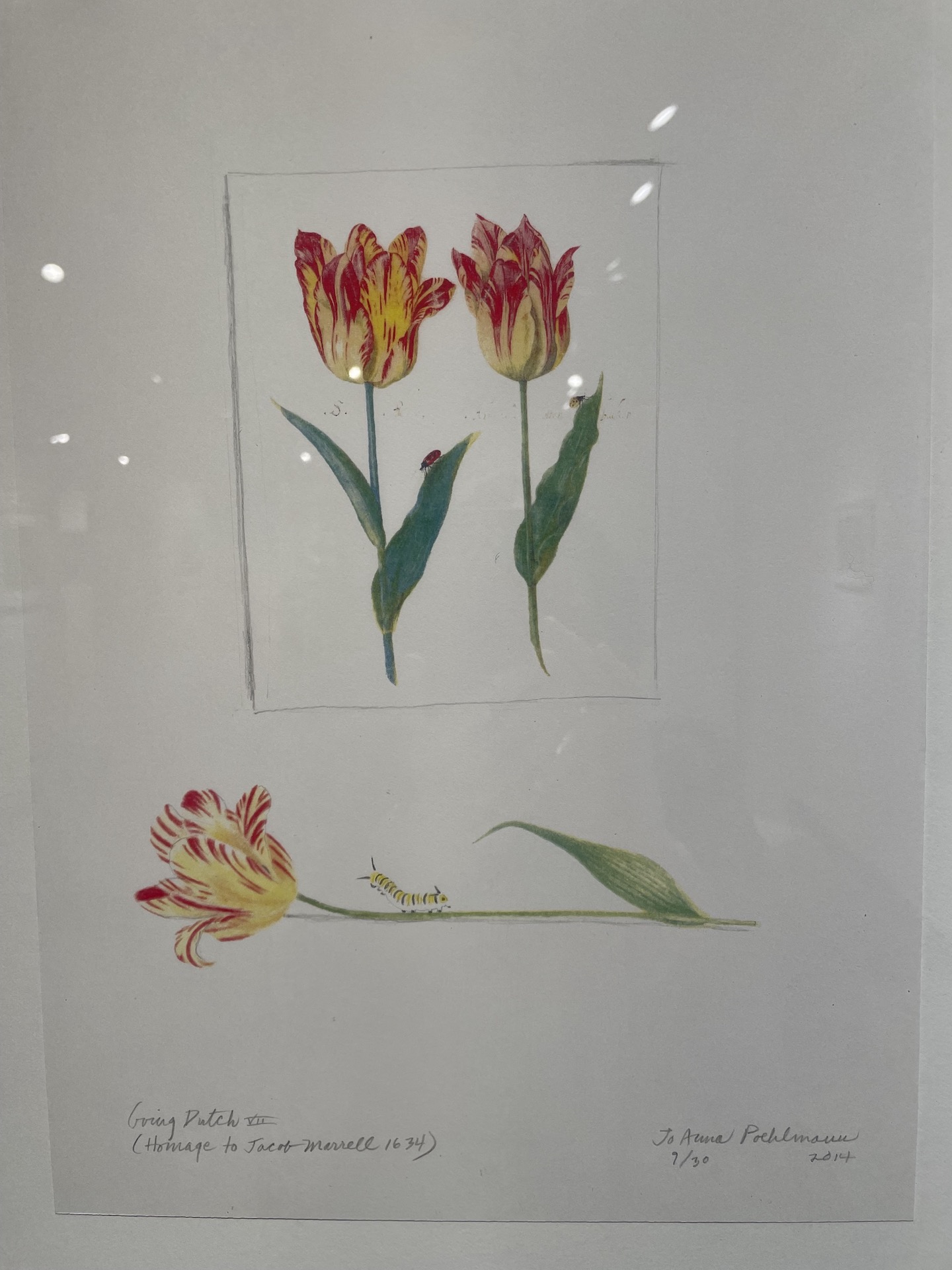
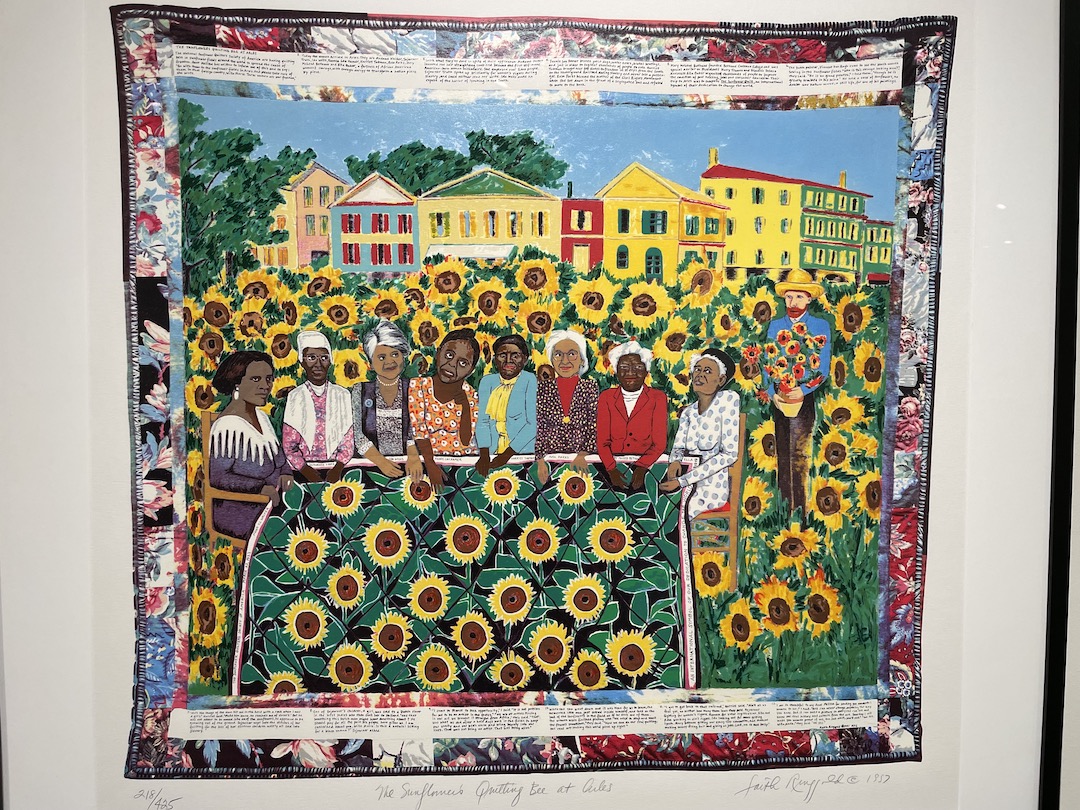
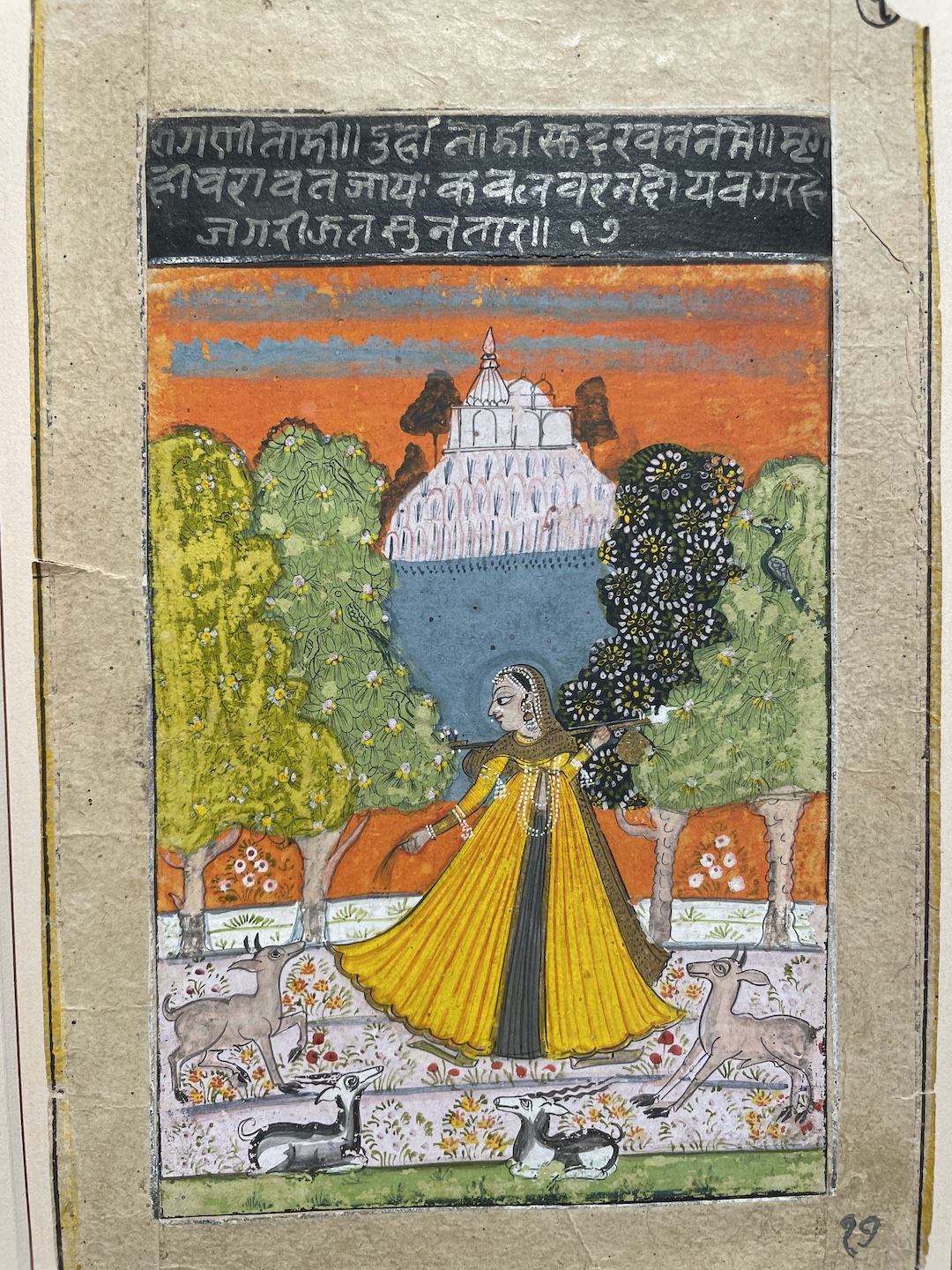
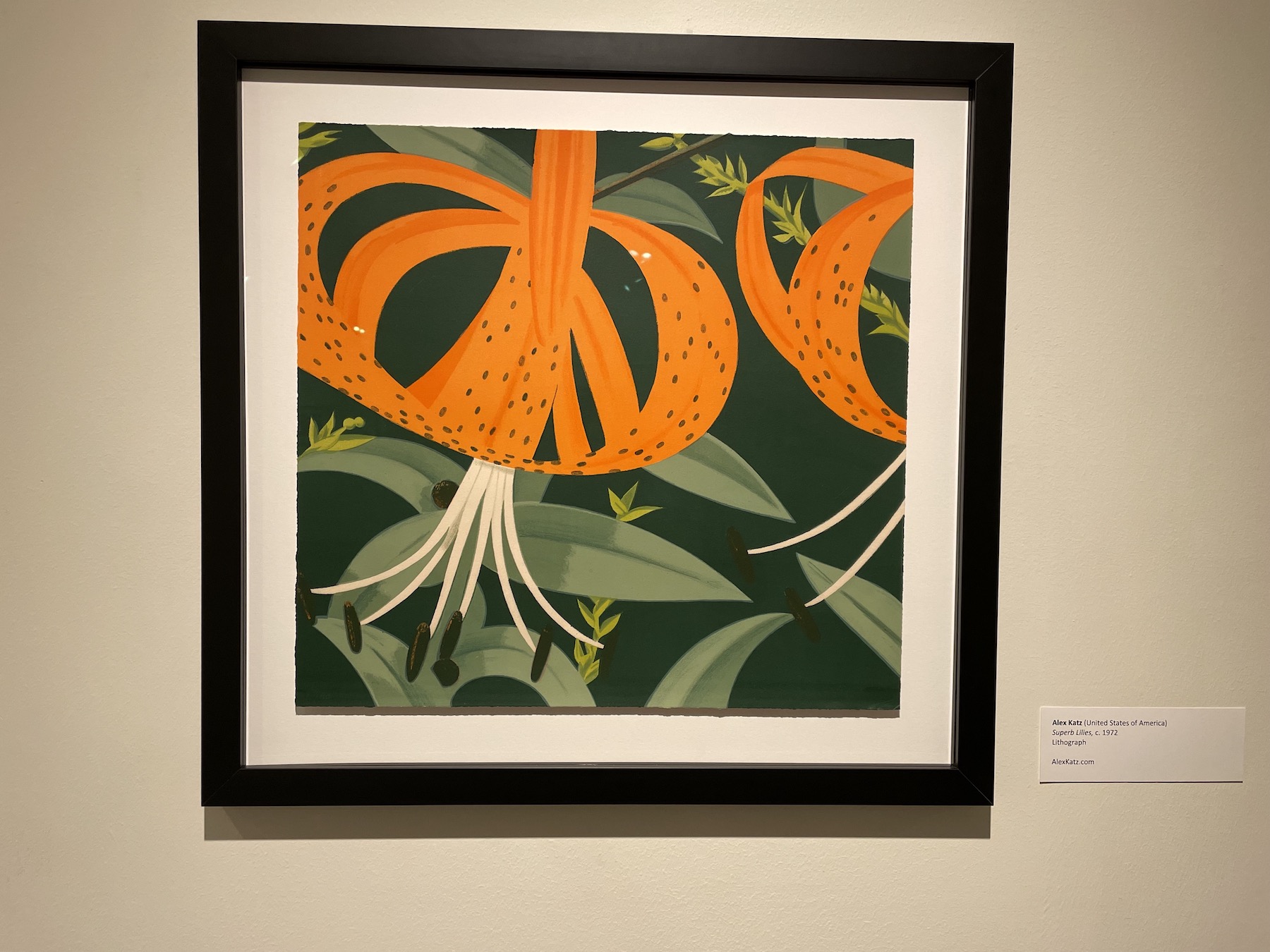
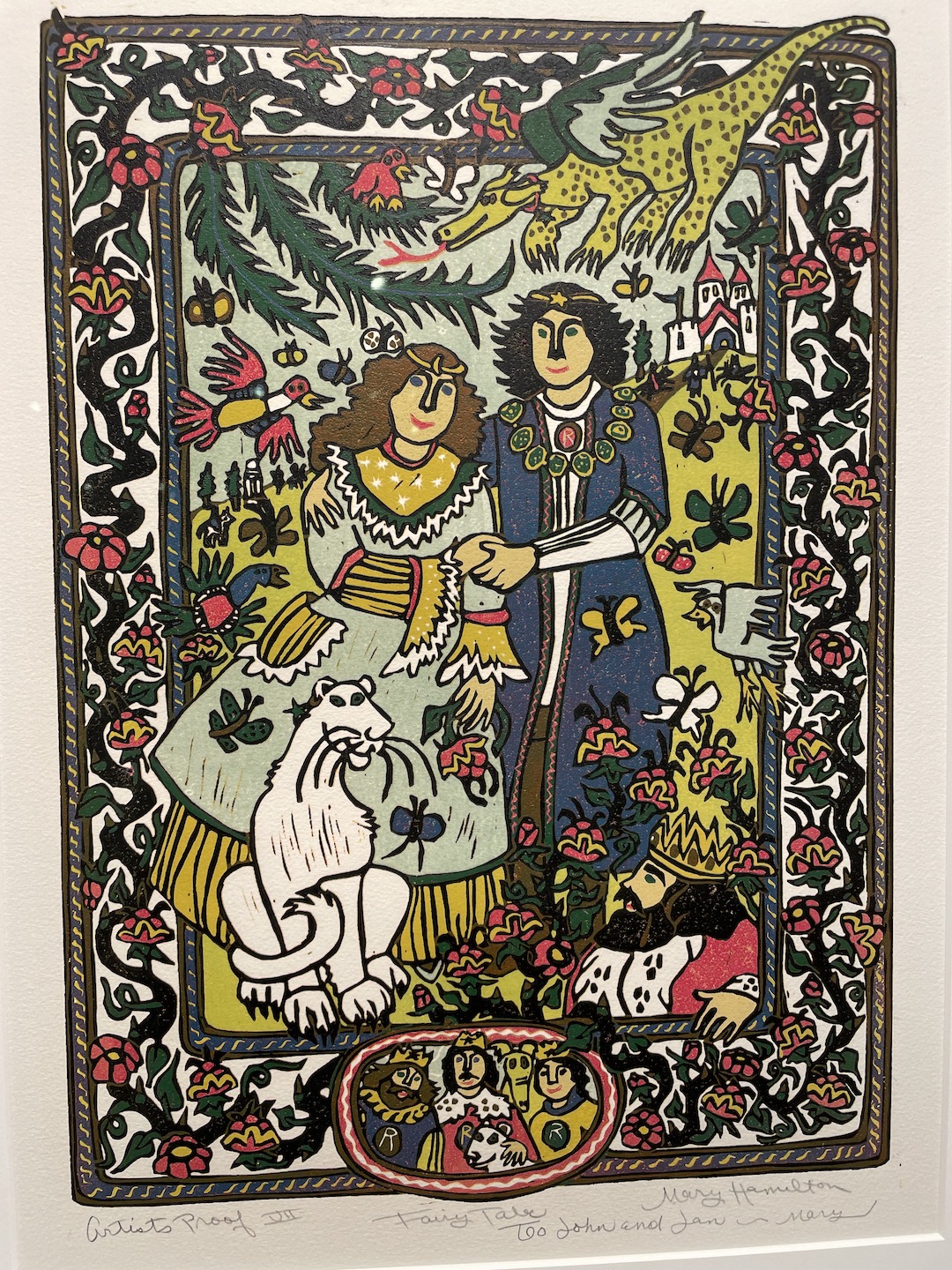
A friend recently told me about a gallery show she thought I might enjoy. Since the gallery is in an industrial area with no signage on the outside of the building, I never would have found it by myself. Now I would like to share (with permission) some of the joyful artworks at the exhibit, The Secret Garden, at The Warehouse in Milwaukee. It’s a feast for winter weary eyes.

3

Disarm

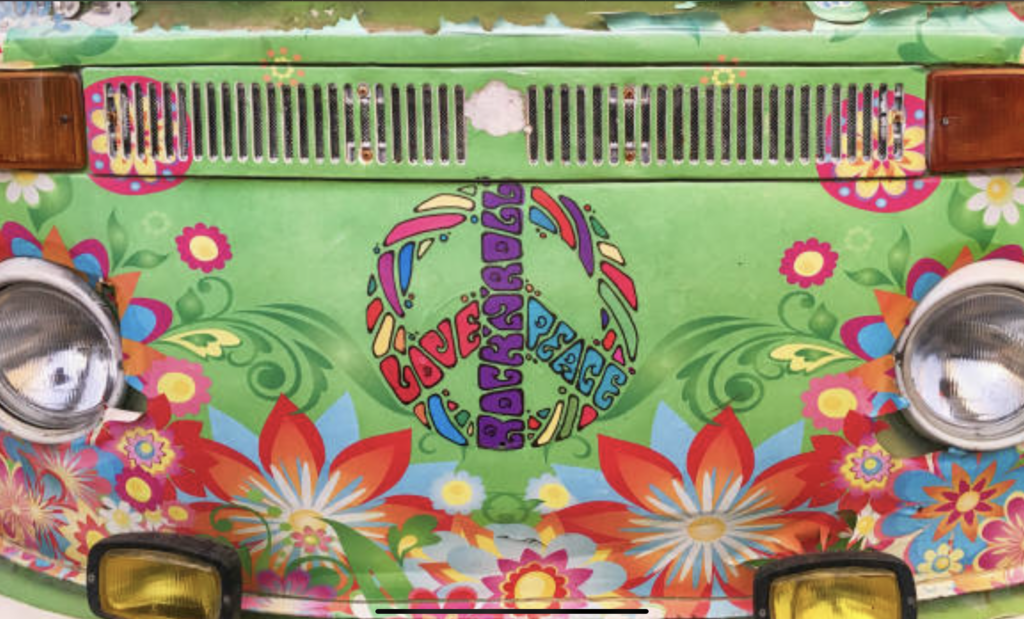
The Age of Aquarius during the 60s was a time when peace and love were incredibly in style. It was impossible to live through a day of that era and not see visual symbols of those qualities…hearts, flowers and, most prevalent, the peace symbol.

Although the peace symbol is one of the most recognized logos on the planet, few people know its origins or what its design represents. Fortunately, its designer has explained his inspirations.

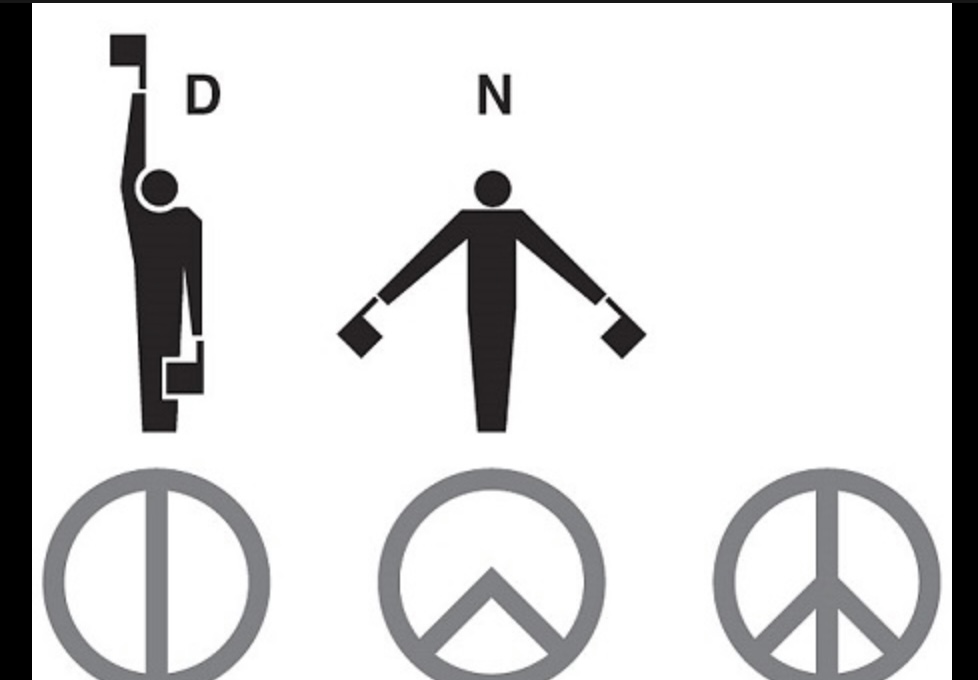
In 1958, a British graphic artist and ardent pacifist named Gerald Holtom was asked to design signs and banners for a nuclear disarmament march in London. Holton used the code signals of naval semaphore flags as the basis for his design… “N” for nuclear (two flags angled down at 45 degrees) and “D” for disarmament (one flag pointed straight up and one pointed straight down).

Simultaneously, Mr. Holton saw a personal, darker meaning to the symbol he created. As he explains in a letter to the editor of Peace News, the design was also “representative of an individual in despair with palms stretched outward and downwards in the manner of Goya’s peasant before the firing squad”.

Soon after the Good Friday disarmament march where the design was debuted, the Campaign for Nuclear Disarmament adopted it as their official sign. To this day it remains uncopyrighted.

Crossing the Atlantic to America, the peace sign was used by the civil rights movement. Bayard Rustin, an associate of Martin Luther King, was at that famous Good Friday march and is credited with suggesting its use for justice as well as peace. The Vietnam War was also raging at that time, and the versatile peace sign became the signature graphic of the anti-war and counterculture movements as well.

Down through the decades and around the globe, Mr. Holtom’s simple design holds its power. After the 2015 French terror attacks, artist Jean Jillien recreated the design in the shape of the Eiffel tower. And as Russia’s brutal war against Ukraine rages, the peace sign is again used to convey the universal wish…that good will triumph over evil.

5