Walking

Taking a walk is a great pleasure. It is also therapeutic. Getting outside, stimulating all the senses and using muscles galore is restorative.

I come from a family of walkers. My parents weren’t into sports, but they did believe in being fit. I logged many miles with them as a child, which perhaps explains why I cringe when seeing three, four and five year olds being wheeled around in their super-sized strollers. My own children trailed behind me like ducklings when they were little. One day a total stranger told me to “slow down”. I must note that both children did grow up to be healthy, strong walkers. Our daughter even completed the New York Marathon this year.

My beloved Aunt Vi was the best walker in our family. She never married and never drove a car, but she was born to move. For all her retirement years (and she lived to be 89) my aunt walked many miles a day…year round. The only thing that kept her from her daily hike was severe icy sidewalks. “I don’t want to fall and break a leg,” she would say. “I can’t imagine not being able to walk.” She got her wish. Aunt Vi had a long walk on the last day of her life.

Winter walking is a bit of a challenge for me as I am not a fan of below freezing temperatures. Luckily, last year I found an incredibly expensive, new winter coat at St. Vinnies for $4.00. It is not a fashion statement. In fact, I resemble a hooded, purple version of the Michelin man when I wear it. But being able to take a winter walk in comfort supersedes chic.

Here is a delightful verse I found in a 1987 book of New Year’s poems for young people.

First January Walk
I’ve been out walking
among the winds of dawn.
I’ve kicked frozen puddles
and cracked them into crystal bits.
I’ve stepped on snow
and left my footprints
to melt in the afternoon sun.
I’ve run after deer
and felt no fear
of losing myself
in the open woods.
Pine trees have given me
their evergreen secrets,
and one or two blue jays
have sung to me.
I am free
with the New Year’s air.
Emanuel Di Pasquale
IMG_3644

0

Champagne

It’s the perfect time to think about champagne. It’s an even better time to drink some. The new year ahead does not portend to be an easy one for those who value logic and decency.

Champagne is said to be the invention of Dom Perignon, a Benedictine monk whose abbey was in Hauteville, France. He was the cellar master there for 47 years and “laid down the basic principles still used in champagne making today.”

Legend has it that in 1693 he tasted his creation and exclaimed, “Come quickly, I am drinking the stars.”

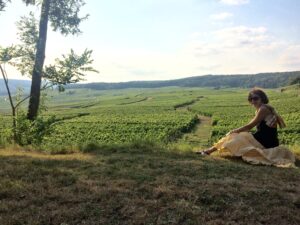
The champagne region in northeastern France existed long before Dom Perignon and the bubbly, celebratory wine. The Romans figured out that the cool climate, sloping hills and chalky subsoil in the area were ideal for growing grapes. From antiquity to the 16th century, red and rose wines were produced.

In those times, wine makers worked diligently to get any effervescence out of their wines, referring to fizzy wine as le vin du diable, the devil’s wine. Bubbles caused their thin glass bottles to frequently explode “like badly wired grenades”. Cellar workers wore padded clothes and iron face masks. In the 1700’s the invention of toughened glass and corks enabled the vintners to ship their sparkling wines.

Simultaneously, the royalty in Europe decided that champagne was their drink. Louis XV’s mistress, Madame du Pompadour, proclaimed, “champagne is the only wine that leaves a woman beautiful after drinking it”. No twentieth century madman could have branded it better.

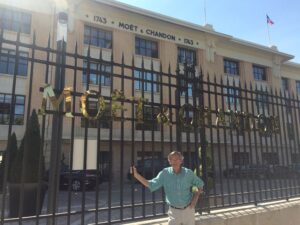
Today, the small town of Epernay south of Reims is the Capital of Champagne. Elegant villas that house the world’s most famous champagne producers line the town’s most famous street, the Avenue du Champagne. Under the Avenue are miles of caves where millions of bottles are quietly fermenting. May they rest in peace until they are uncorked.

Cheers!

0

Modern

Picture the perfect Christmas home scene. Chances are the vision is a Victorian or colonial style house with a giant wreath on the door, lighted candles in every window and gentle snow falling over all. Decorating a home for Christmas is easy if you live in a historic home.

For thirty years, we lived in a small, midcentury modern house. (See Atomic in the archives.) We loved our atomic ranch but knew that “Christmas” and “modern” were polar opposites.

The history of midcentury design is fascinating. Two horrific World Wars and a global depression had occupied the first half of the last century. The world was not nostalgic for the past. People wanted a new start. Rationing had ended, food was plentiful and every scrap of metal no longer had to be saved for the war effort. Optimism abounded that the atom could be used for peaceful purposes. Science and space exploration were the new frontiers.

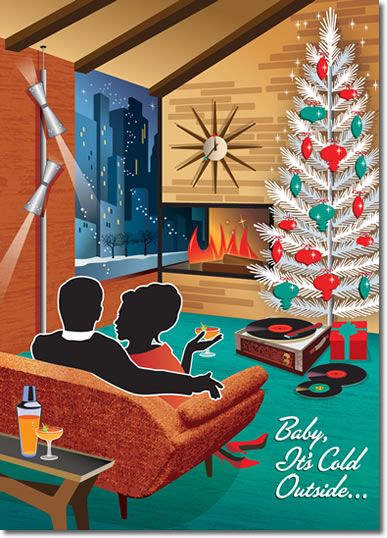
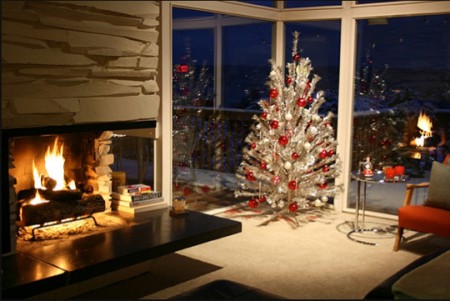
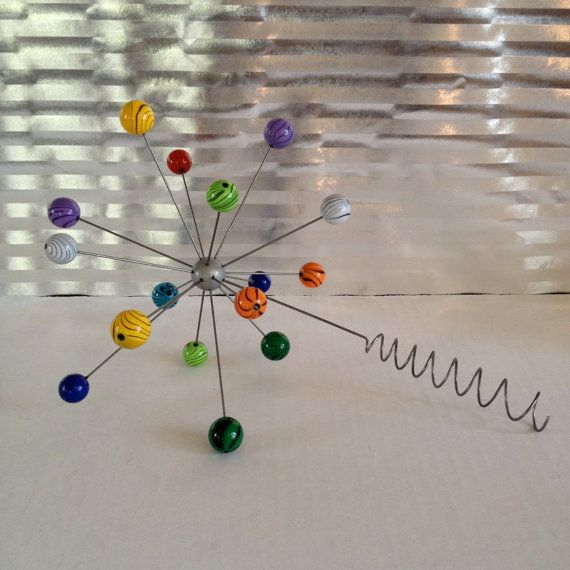
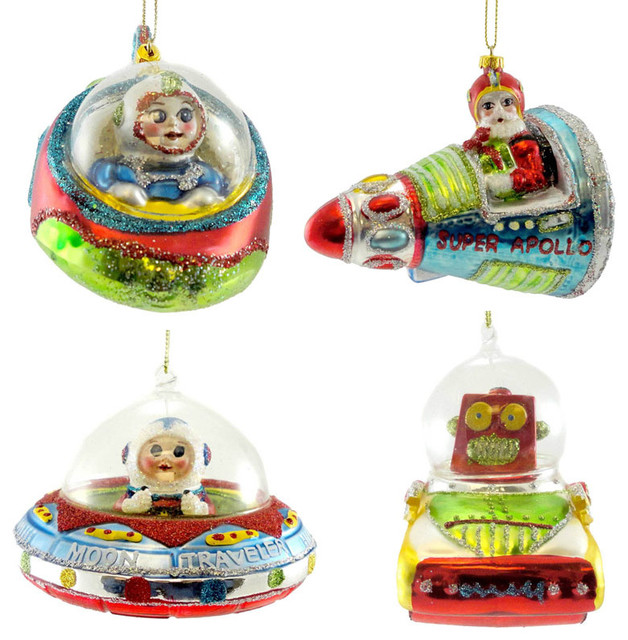
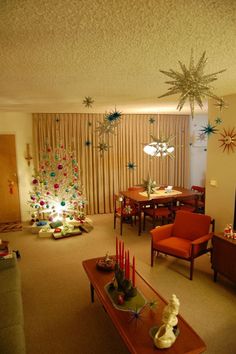
Midcentury Christmas decorations reflected all these trends. Aluminum Christmas trees flourished. Sputnik shaped ornaments decorated the metal trees. Space age Santas were in vogue.

Dare I say, take a look at these nostalgic pictures I’ve assembled from a non-nostalgic time. They’re a blast.

0

Pine


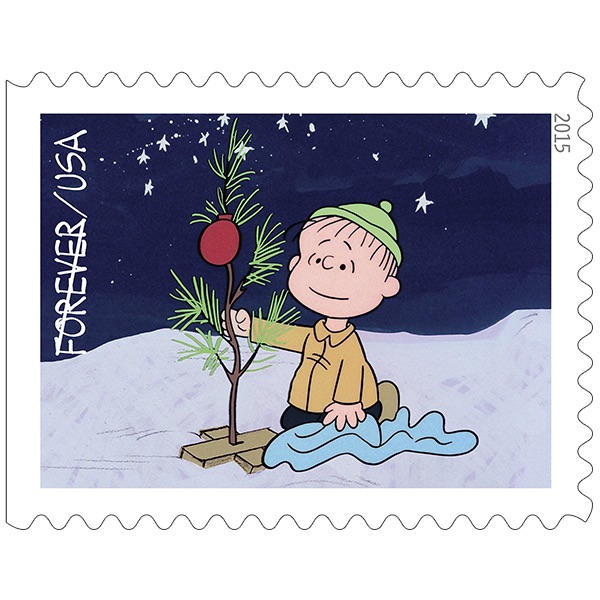
We had a Charlie Brown Christmas tree last year. These things happen sometimes.

As I left for work one morning, my husband informed me that he would be buying our Christmas tree that day. Returning home in the evening, I looked around for the pine tree but saw none. Then, I spotted a sad look on my spouse’s face.

Somehow, he said, every Christmas tree lot we had ever gotten a tree from was out of business. He promised to go searching again the next day.

The following night when I got home the sad look was still there. “We do have a tree”, he said,”if you can call it that”. A spindly, thin, little tree with one bare side was propped against the garage wall. He got the last tree on the only tree lot he could find.

The next day my husband cut off  some of the tree’s lower branches, drilled holes in the trunk and, in general, rebuilt the tree. We were happy with our Charlie Brown tree as any real tree is a joy and a miracle.

Last week I had a brilliant idea for this year’s tree. I suggested that we search around on the bottom of our cliff at the beach and cut our own tree. We know there are little self-planted pine trees there, volunteers, but they are hard to find in warmer months because of the tangle of vegetation. We also know that many of these tiny trees were swept out to the lake by the dramatic rise of the lake’s water level this past summer.

We climbed down and explored our own land. Many one and two foot seedlings had escaped the waves. And then we found a real tree…..five feet tall, not dense, but nicely proportioned.

“It’s a genuine Christmas tree”, I exclaimed as we both stared at it. After a short while we looked at each other and didn’t have to say a word…….we both knew we couldn’t saw the tree down. The tree had planted itself and braved five or more years of waves and wind and hungry animals. It deserved to keep reaching for the sun.

This week my husband will resume the search for a small, farm raised tree. I wish him luck…..plastic seems to be the in thing now.

CBCS

0

Lighted

For those of us in northern climes, the sun (if it has not been hiding under clouds all day) makes its exit now at 4:15, leaving us with 15 hours of darkness. Winter tests our spirits. We all crave light.

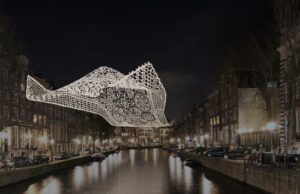
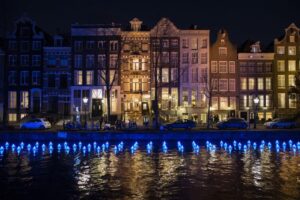
I recently read about an amazing art event that epitomizes our universal desire to light up the darkness at this black, cold time of year. In December and January, the city of Amsterdam hosts a Light Festival. Note that these are not Christmas lights but rather a spectacular art event that showcases the most innovative, state of the art, breathtaking and spirit lifting art pieces made from light. The art is installed on two routes, is free to view and encompasses the entire central city. Hundreds of thousands of people come together and turn their faces toward the light.

All the art is designed to interact with the urban environment whether it is installed on the water route or the walking route. And all can be seen by walking since sidewalks line the canals. However, boat tours of the light extravaganza are especially popular.

This year 2,000 artists from all over the world submitted entries. One of the most spectacular installations is a gigantic piece of Dutch “lace” in the shape of a traditional Dutch bonnet. In a delightful irony, it was designed by artists from Massachusetts.

Since we cannot all hop on a plane to the Netherlands, I have found the following pictures and video from this festival which aims to make, “the darkness more bearable”. Bravo to all the artists, architects, scientists, technicians and workers who took on the gloom and prevailed.


0