Pizza

I am old enough to remember the time in America B.P. ……Before  Pizza. I recall walking home from grade school and spotting a sign on a corner storefront. “Filippo’s Pizza” it read. The minute I got home, I asked my mother, “What’s pizza?”

“That is something foreigners eat,” she said. “We don’t eat pizza.” And she didn’t for all her 89 years.

I, however, went off to high school and was invited to go out for that foreign food. Naturally, I loved it at first bite.

I recently heard a restaurant critic review the best pizzas in Milwaukee.  She was right on the mark. Our house was situated dead center between two of her top four picks.

Maria’s defies description. The walls are entirely covered with paint by number pictures, many with religious themes. All empty spaces in the room are ablaze with Christmas lights and decorations, regardless of season. The place is such an art happening that the pizza, albeit delicious, seems secondary.

We discovered Ann’s Italian Restaurant in Hales Corners because my husband bought a Chevrolet that was a total lemon. That car  went back to the huge Chevy dealership every other week for repairs, and we noticed a small, lone bungalow house on the periphery of the vast car lot. The house was converted into a pizza restaurant, and its parking lot was always jammed. Something good was going on there.

Ann’s quickly became our favorite place to eat out. Not only is the pizza crisp and cheese laden, the decor is ambient. The various rooms are best described as rococo redux.  And, for some delightful reason, wine at Anne’s is served in large stemmed water glasses. One glass will cause anyone to forget a bad day, week or month.

The restaurant critic also mentioned the newest craze in pizza… pizza by the slice. Bear in mind that the slice covers a large dinner plate and is almost too heavy to lift. The slices come with such nontraditional toppings as macaroni and cheese and steak and fries. This fad just reinforces my belief that pizza should never be thought of as lunch or dinner. It should be thought of as decadence.

I invite you to weigh in, literally, on your favorite pizza hangouts.

0
Investigation

The big day is almost here, and an investigative report is in order. Spring in Wisconsin is not easy to find. So with notebook and digicam in hand, I am off to detect signs of this elusive season.

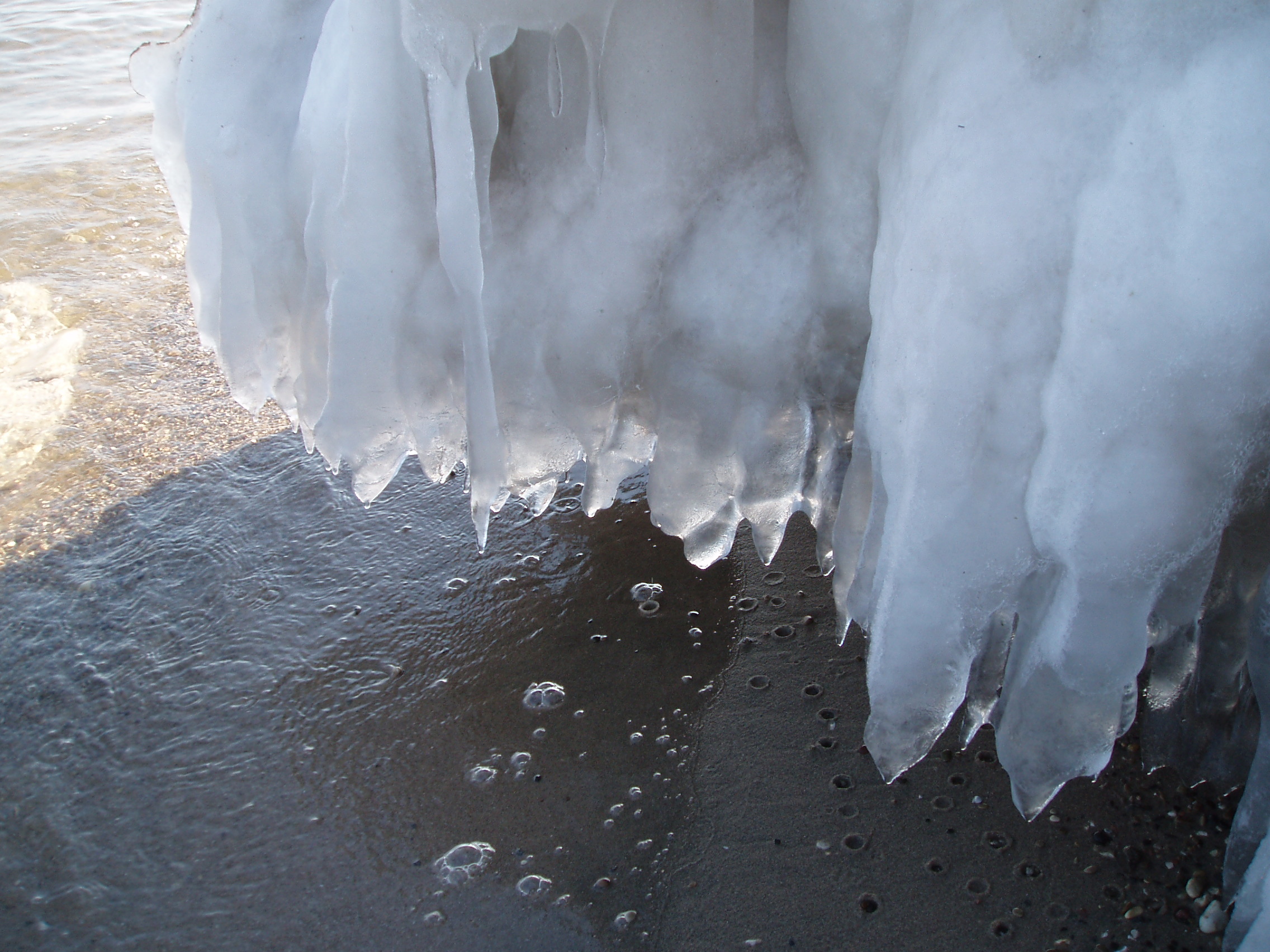
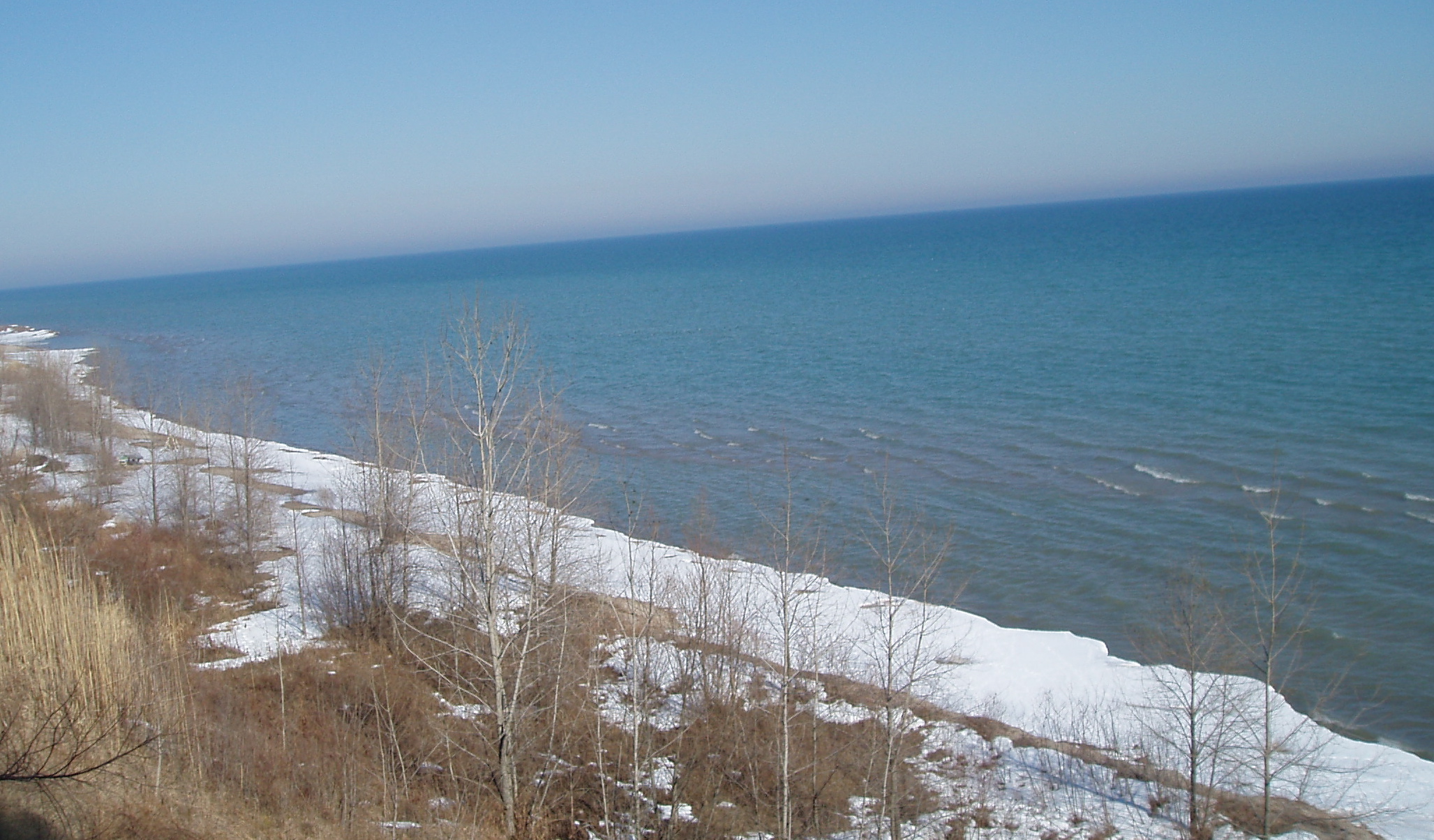
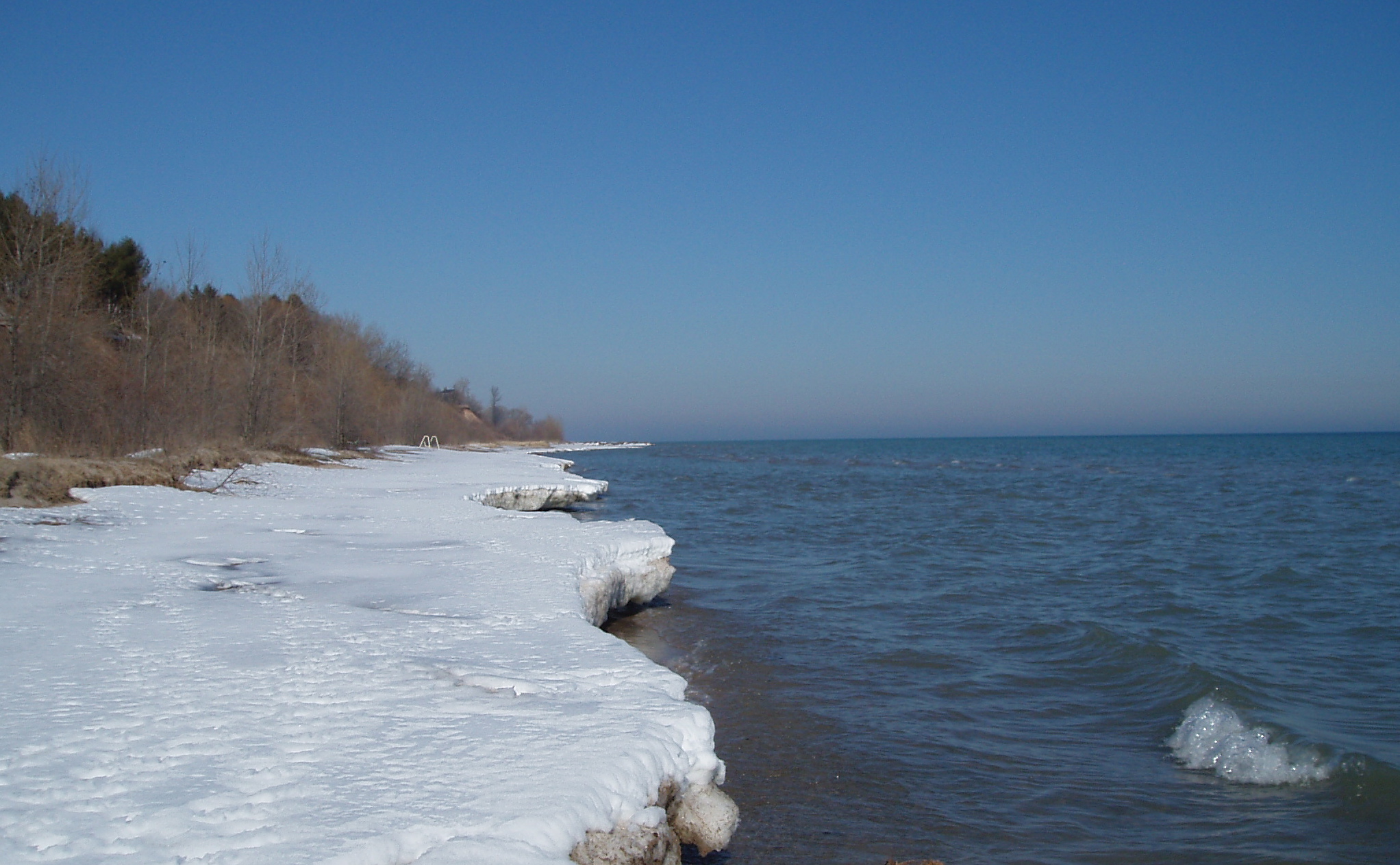
The first stop is the end of my front yard. Looking down on the beach, I’m staring at snow ending with mountains of ice at the shore. Loud cracking and popping noises are coming from the ice piles. The 70 feet of stairs to the beach are navigable, and I head down. Caution is the watchword when venturing on ice shelves, but I manage to  see the icicles at the edge dripping their way to oblivion.

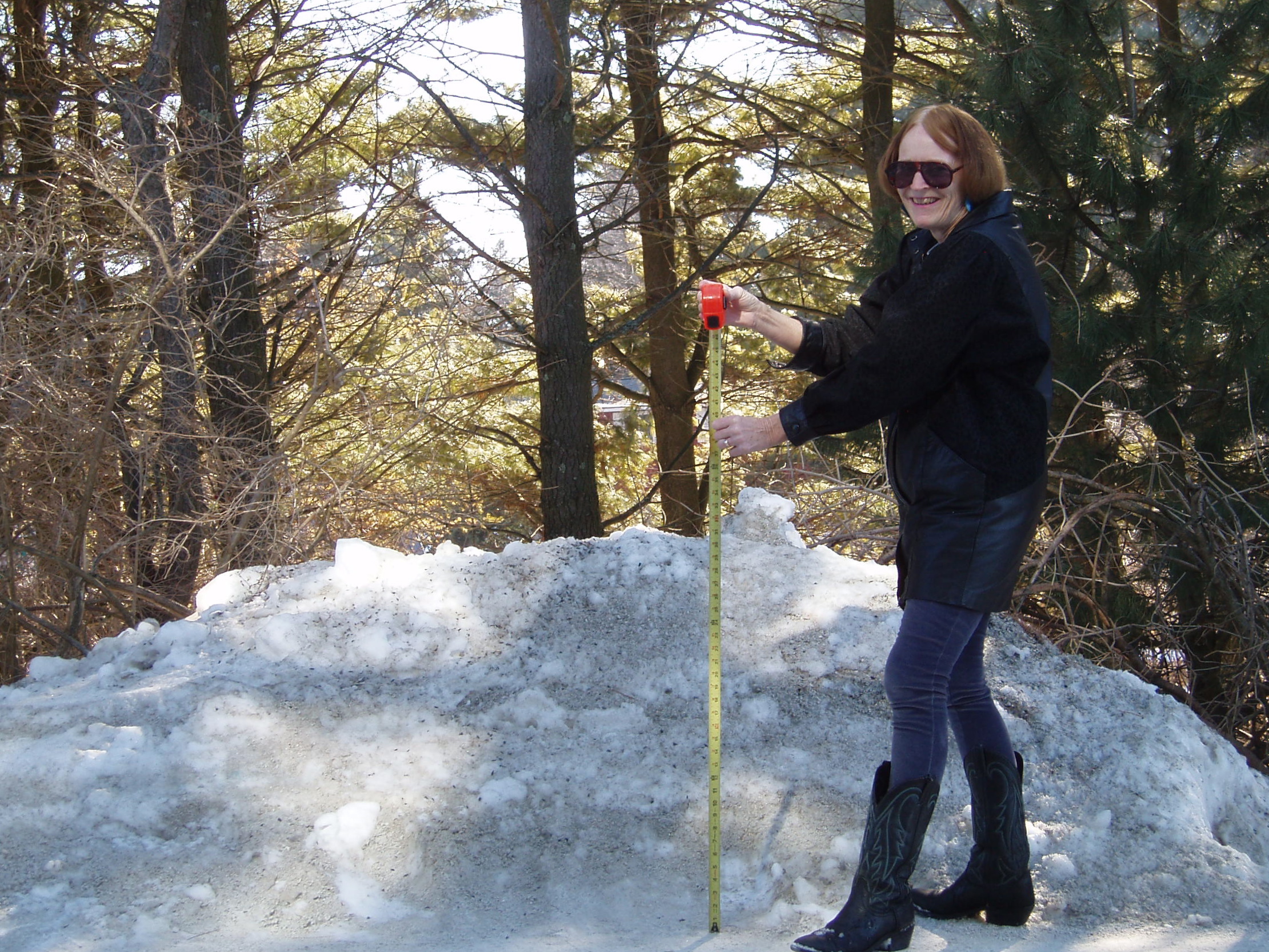
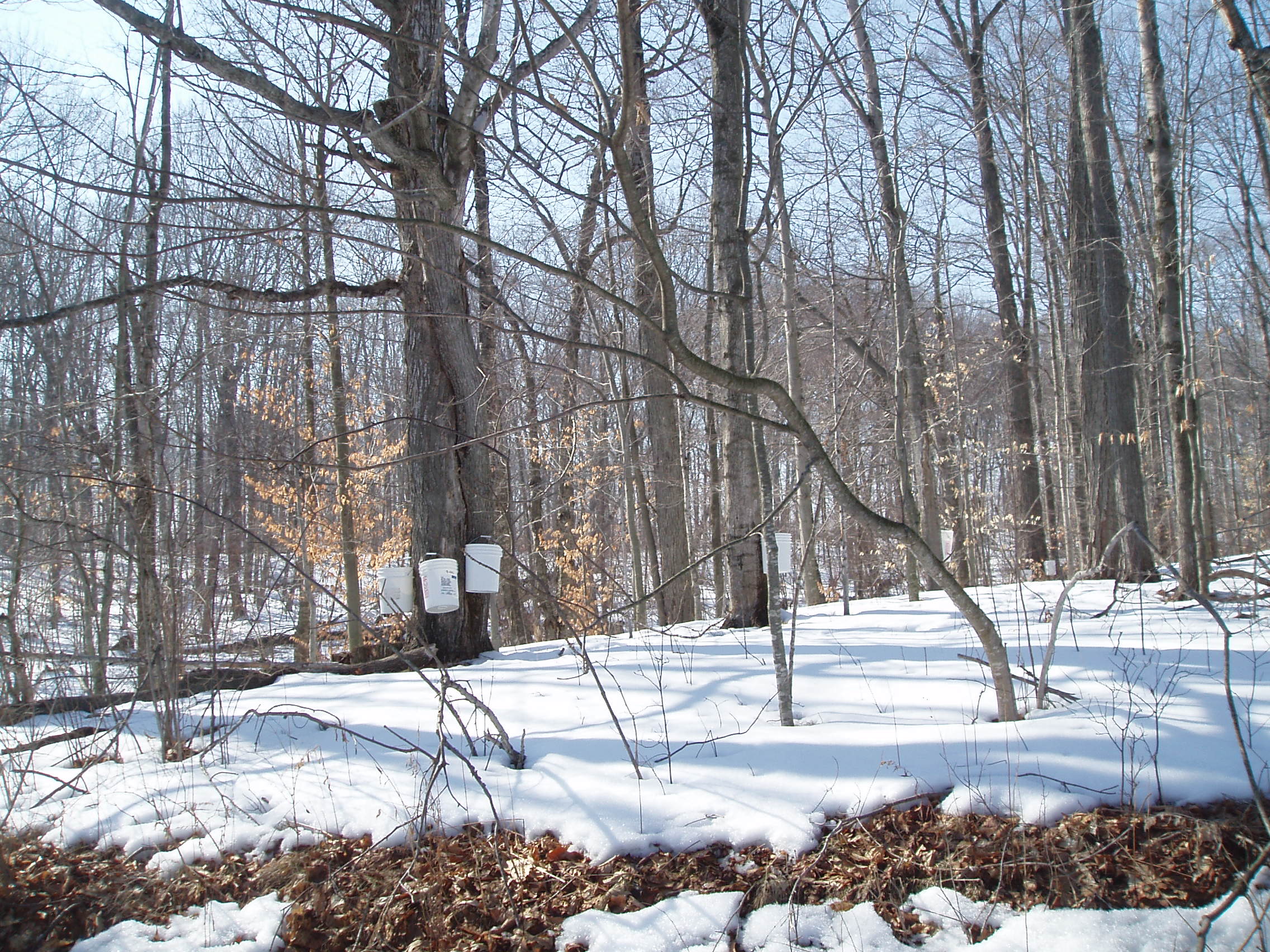
Returning back up to the driveway, I find the situation more grim. The snowbank measures 31 inches. Last year’s plowed up snow did not melt until the final week of April; I’m guessing we will tie that record this year. A walk down the road helps to revive optimism. Our neighbor’s woods is sprouting buckets on all the sugar maples. If the trees are rousing themselves from their winter dormancy, perhaps we can, too.

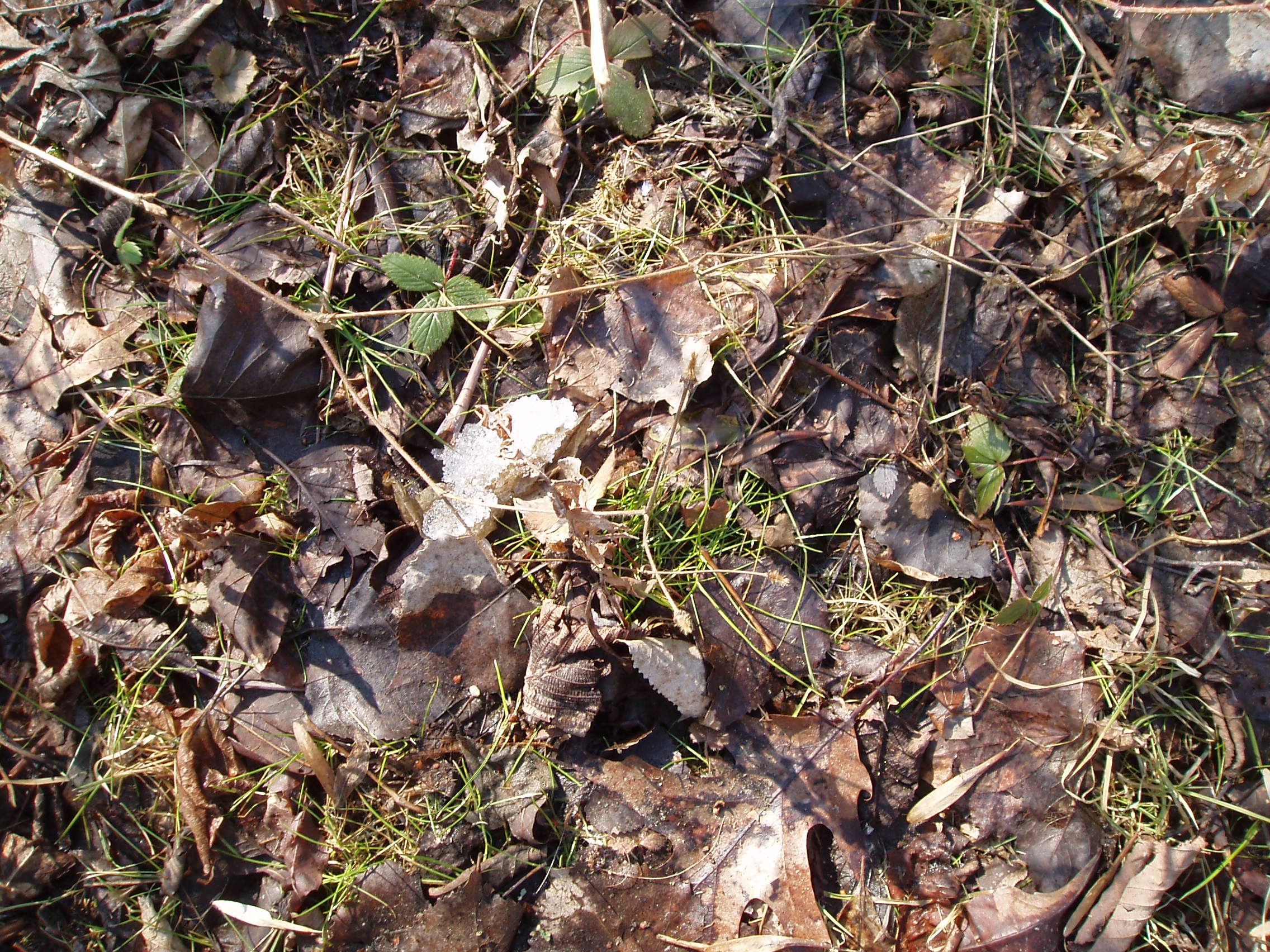
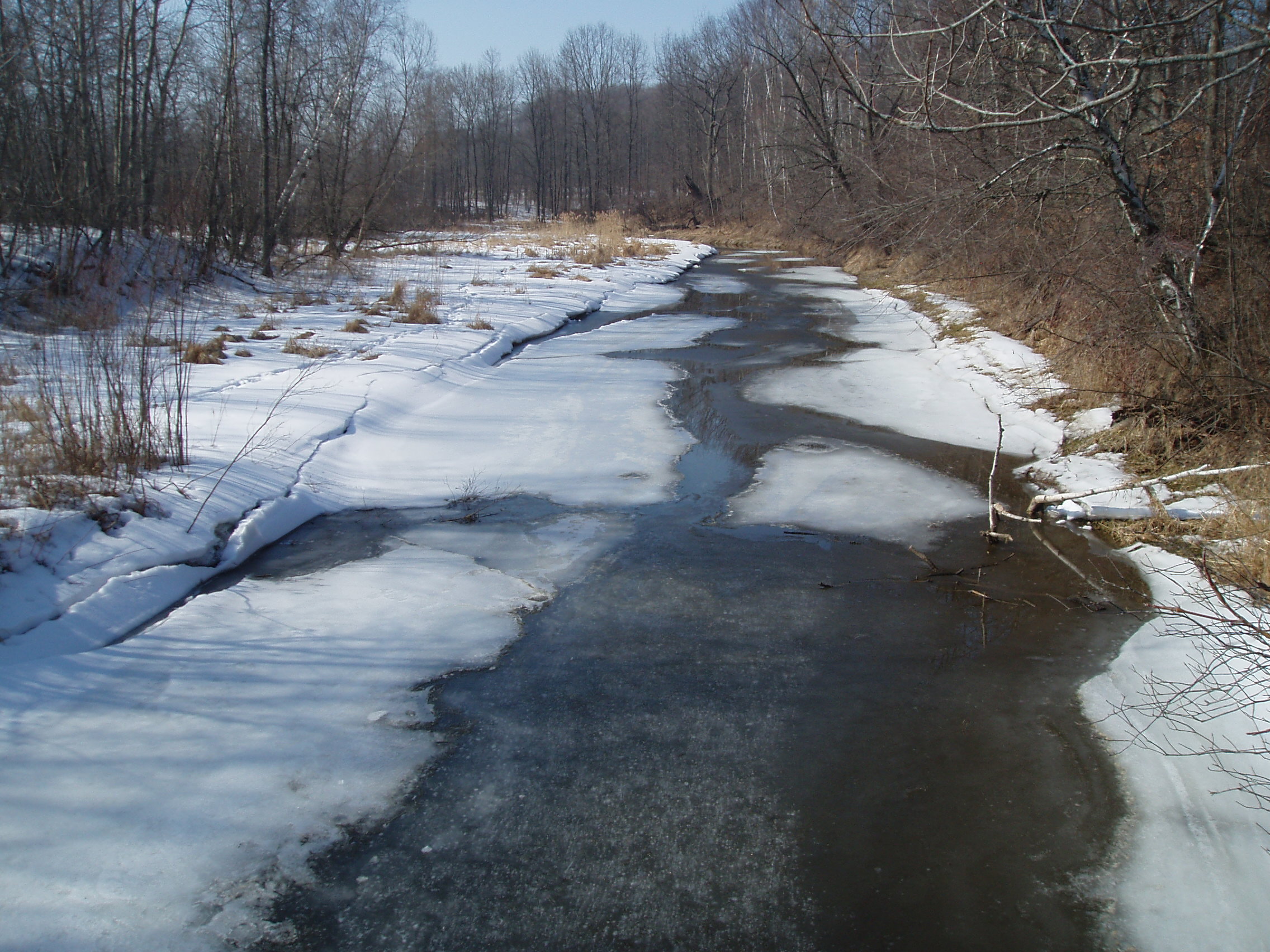
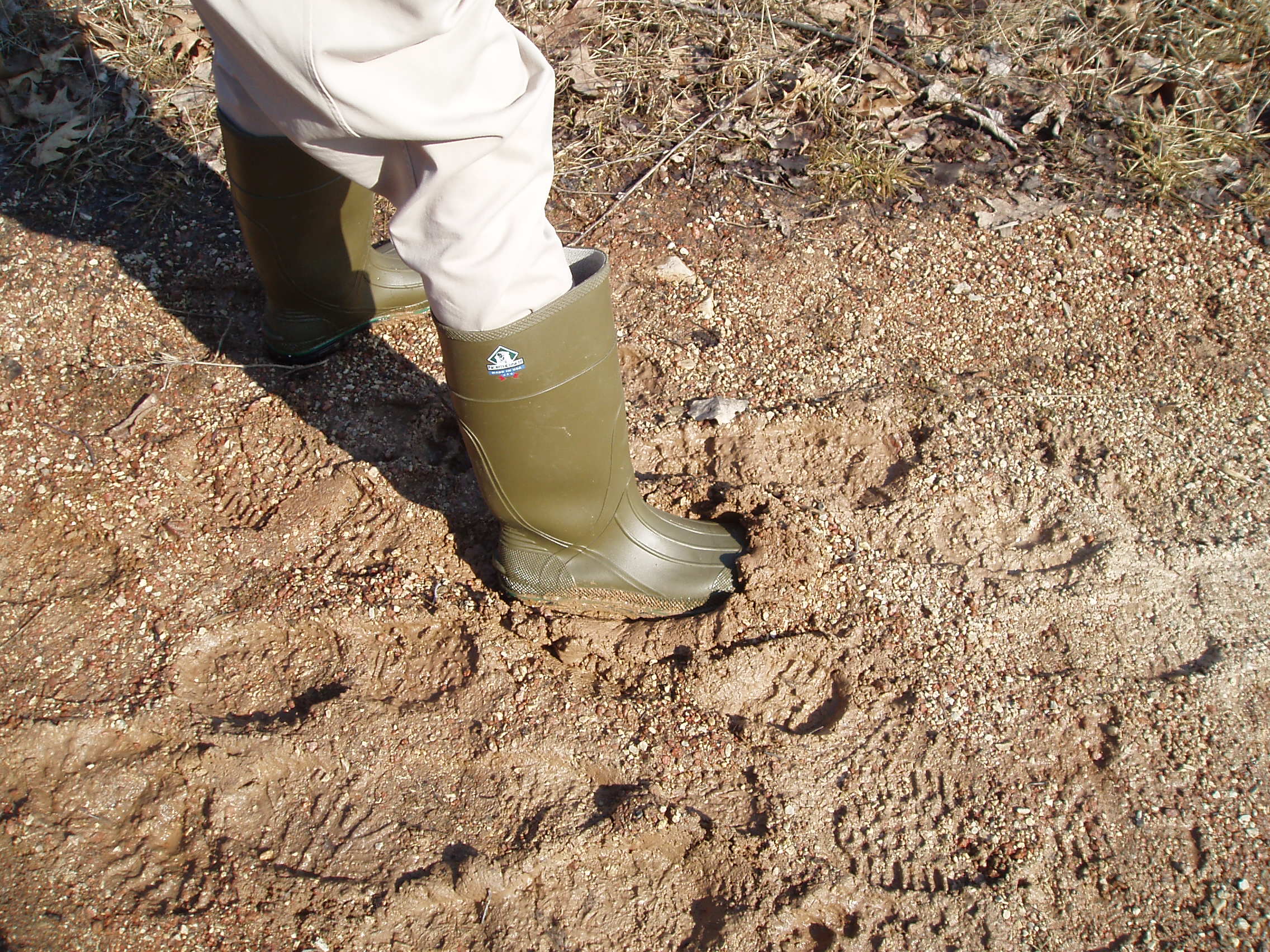
Across the road in the forest are more encouraging signs. Tiny green leaves are springing up between dollops of snow. The crows are talking up a storm. Patches of open water are appearing in the river.  And there is mud, lots of mud.

Last week I was working in a kindergarten class, and the teacher referred to March as “muddy March.” How lovely! When there is mud, can the robins be far behind?

0

Tropical

Nature definitely painted the tropics in technicolor. The flora and fauna that circle the middle of the planet are an explosion of vivid colors.

I do understand some of the purposes of this extravagant coloration; others elude me. But one fact is certain: nature is not putting on this color show to make the human species happy. Our joy in the spectacle is merely a byproduct. Lucky us.

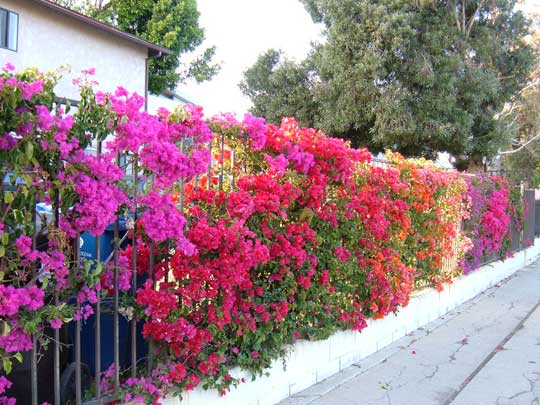
If I had to pick my favorite tropical flower, it would not, in fact, be a flower. I would choose bougainvillea, which is a bract, a colored leaf masquerading as a flower. Think of a poinsettia. The red “petals” are leaves. Tiny true flowers are in the center of the leaves.

Bougainvillea, which was named after an 18th century French navigator, can sprawl over entire walls, roofs and fences. Among the bracts’ colors are eye-popping hues of magenta, cerise, fuchsia, red and salmon. These flaming colors attract pollinators to the plant.

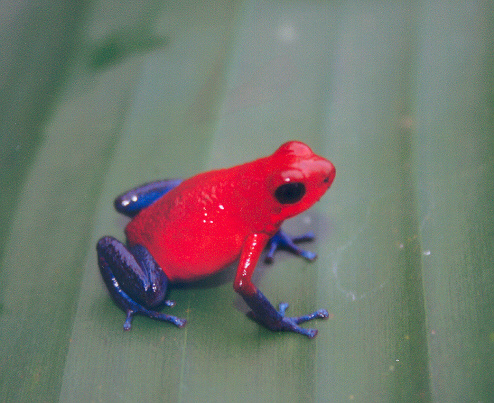
Many tropical frogs are also infused with jewel-like colors. The one inch long Blue-Jeans or Strawberry Poison dart frog of Costa Rica, for example, sports bright blue legs and a flaming red head and back. As with other vividly colored poison dart frogs, the purpose is survival. “Eat me and die (or hurt)” is the message being sent to other animals considering a froggy lunch.

Some tropical insects look as if they are covered with glitter. How can these gold bugs’ sparkles have any practical use? The answer is camouflage. A tropical rainforest alternates between dazzling sun and rain. Raindrops on the giant leaves sparkle, and the gold bugs blend right in.

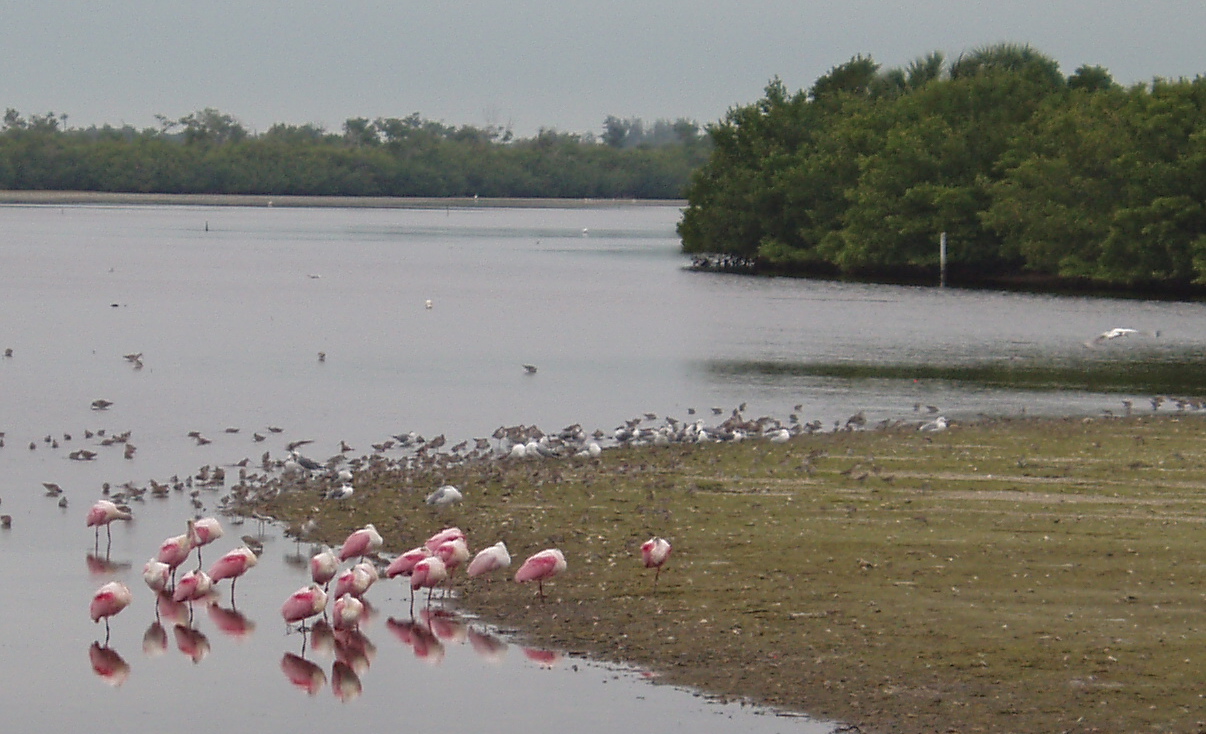
I recently had the good fortune to see a surreal example of tropical coloration. We were birdwatching in Florida when giant, pink objects started dropping out of the sky into the estuary.  They would have made flamingos look pale by comparison. The flock of over 25 birds were Roseate Spoonbills. These birds stand 32 inches tall and have wingspans of 50 inches. What possible reason could nature have for making neon pink birds? The color comes from the food the eat, but I’m surmising something to do with sex is going on as well!

0

Booked

A good project is a sure cure for late winter cabin fever. In our case, the project came to us. I walked into my room and couldn’t comprehend what I was seeing. Hundreds of books were strewn helter-skelter all over the floor.

The scene resembled that ancient Disney nature film where all the lemmings jump off the cliff. But my books were not committing mass suicide. My husband quickly diagnosed the cause of this bizarre scene. “Our forty year old bookcase has gotten tired,” he said. “The sides buckled causing some of the shelves to tip forward and eject the books. I’ll make you a built in bookcase.”

I knew the new bookcase would be well crafted despite some challenges. First, our cars are both subcompacts, not designed for hauling lumber. My spouse solved this problem by driving home from the lumber yard with his rear convertible window unzipped and sprouting long boards.

The second challenge was our household’s lack of power tools, the exception being a power drill. My bookshelves would be constructed the old fashioned way, with hand saws and a mitre box.

I lack carpentry skills but was able to help with the varnishing. Putting the clear satin finish on the maple boards was like painting with water. The beautifully patterned grains sprang to life as my brush ran across them.

Moving day finally arrived. I faced the daunting task of transferring over 600 books into their new shelves. “You will be up until midnight,” my husband predicted. He was wrong. The last book was placed in its new home at 12:37AM.

A friend of mine recently ended an email with this lovely quote from Anna Quindlen, “I would be most content if my children grew up to be the kind of people who think decorating consists mostly of building enough bookshelves.” My mother would be proud of me.

0

Fried

My mother-in-law was a splendid cook who had a life long penchant for junk food. How could she, I often wondered, produce memorable meals all her life and simultaneously be an unabashed Twinkie eater?

The answer rests in her childhood. Growing up on a homestead farm in Wisconsin, she lived in a family where money was scarce, but food wasn’t.

Years later she would tell us about Sunday dinners on the farm. The family’s affluent city relatives invariably showed up, ate ravenously and raved about the food; farm chicken, mashed russet potatoes, home canned green beans, freshly baked bread and garden fresh strawberry shortcake. She was aware that these city people could afford to eat squishy, white store bread, packaged cookies and meat that didn’t come from the back pasture. She would always end her recollections by saying, “they got so excited by that old food.”

Like all farm women, my mother-in-law learned to cook, can and bake at a young age. The family plus the farm hands needed to be fed three times every day. Her early life was not one of convenience foods, skipped meals or food on the run. It was the original slow food movement.

When my children were little, they were always eager to visit grandma. And what was their favorite meal, the biggest treat, which they all loved to share? Their culinary star grandma would pack them all off to Kentucky Fried Chicken for giant, greasy buckets of store bought chicken, mashed potatoes, leaden biscuits and gray gravy. Grandma had joined the ranks of the rich, and she was sharing the wealth.

0