Rainbows

I waited a long time to see my first rainbow. When it appeared, it did not disappoint, even though I had imagined that the colors would be as bright as my Crayolas.

Who does not take delight in a rainbow? A humongous arc of ROYGBIV in the sky compels attention and admiration. Ancient peoples created countless rainbow mythologies.

I once taught a delightful little three year old named Iris. “I’m a rainbow,” she told me one day as she sat painting. Indeed she was, named after the Greek goddess of the rainbow who dressed in rainbow colors and had golden wings.

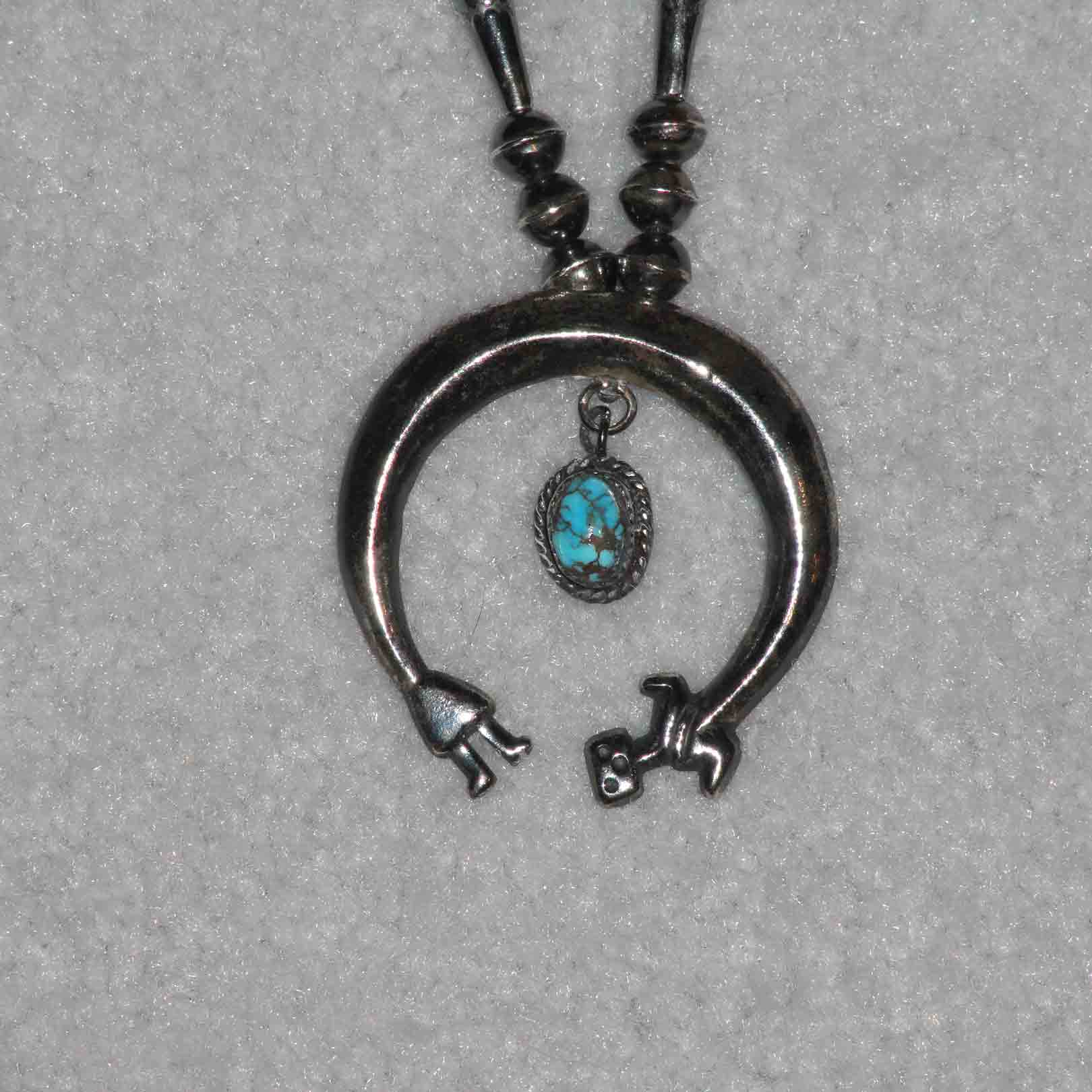
In Norse mythology, Bifrost is the rainbow bridge that connected the earth with Asgard, home of the Norse gods. Only the gods and warriors killed in battle could use the bridge. The Navajo have a male deity named the Rainbow God. He is instantly recognized as his body is curved in the shape of the rainbow’s arc. The Australian aboriginals believe that the Rainbow Serpent is the creator of the world and all its creatures, while the Estonian myths feature a rainbow snake who sucks up water and spits rain.

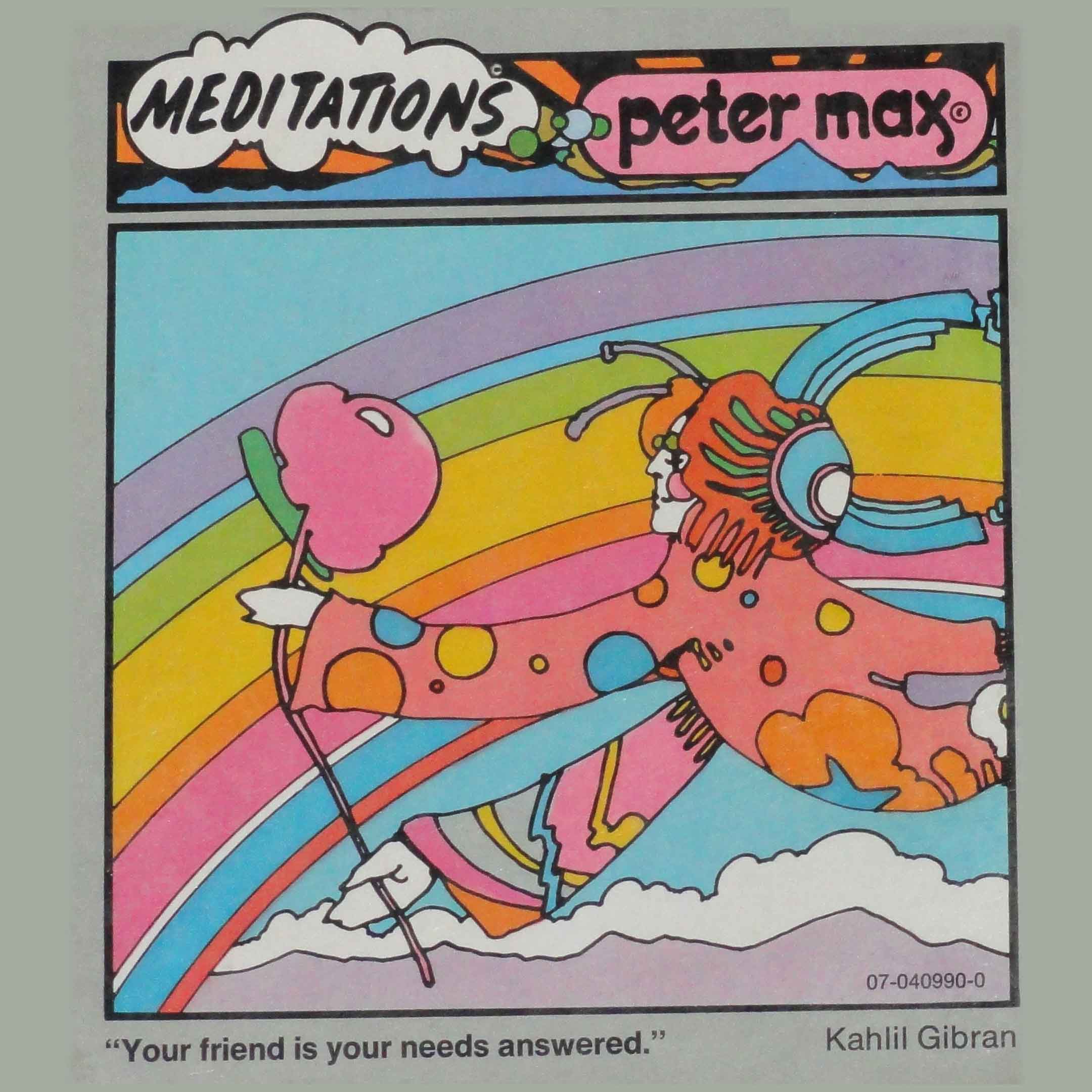
In more modern times, rainbows were the symbol of the Age of Aquarius. The iconic rainbow was everywhere, on hippie vans, billboards, posters, clothes and even dishes.

Two artists of that era were prolific rainbow painters. Peter Max not only used a brilliant rainbow palette when creating his cosmic art, he also often sprinkled rainbows both large and tiny throughout his paintings.

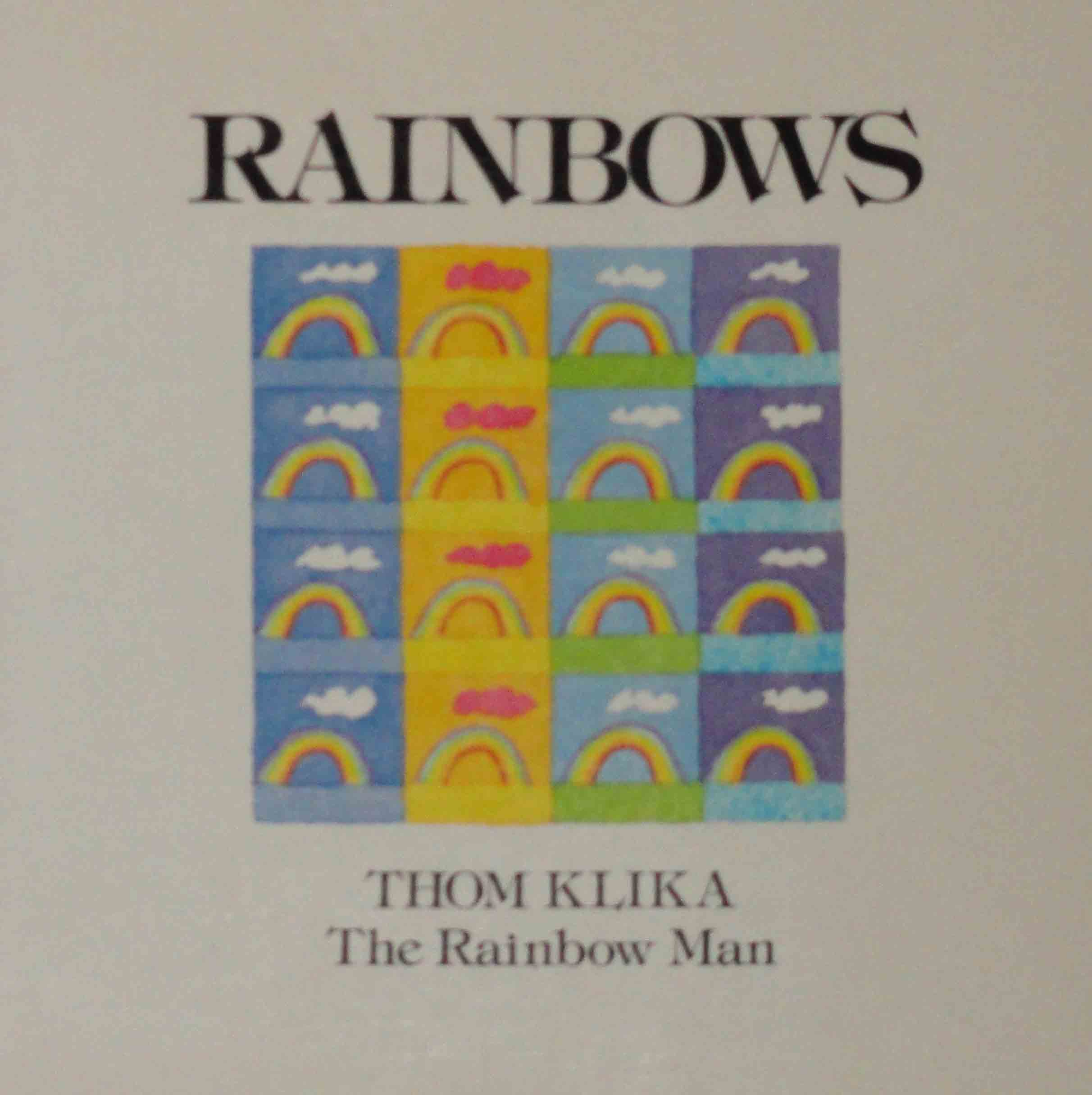
Thom Klicka took rainbows a step farther. Known as “The Rainbow Man”, he painted only rainbows. His most famous work was a large poster which consisted of hundreds of tiny and unique one inch square rainbow paintings. The purchaser was to cut up the poster and give away the tiny pocket rainbows. I gave away my entire poster; however, I still have a cherished copy of Rainbows by Thom Klicka, The Rainbow Man. (If you feel a need to go back to a gentler era, the book is still available on Amazon.)

Poets and writers make liberal use of rainbow imagery as well. I’ll let this quote from The Tao of Pooh by Benjamin Hoff be the final words.

“Those who think the rewarding things in life are somewhere beyond the rainbow burn their toast a lot.”
0

Backside

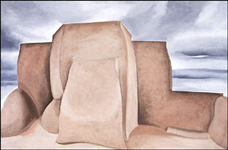
  • It’s an architectural icon.
  • It’s been painted and photographed thousands of times by artists including Georgia O’Keeffe, Ansel Adams, Paul Strand and John Marin.
  • It’s the back of this building, the apse and the buttresses, that gets all the attention.

If you guessed the Ranchos de Taos Church in New Mexico, you’re right. Officially known as San Francisco de Asis Mission Church, this adobe structure was built between 1772 and 1816 on the plaza of Rancho de Taos, and it’s a magnet for creative spirits.

The solid, curved adobe masses and four foot thick walls are visual proof that “less is more”. In addition, New Mexico’s thin air and brilliant sun conspire to create dramatic light and shadow play on the surfaces.

This iconic church is found on the Low Road to Taos. Don’t be mislead by the word “low”. The road is low only in comparison to the other route to Taos which is appropriately called the High Road.

Adobe may be the earth’s most perfect building material. It is the earth. Mix dirt with straw and water, form bricks, let them dry in the desert sun and stack. When the bricks are all in place, cover the walls with “rainbows” of adobe to make smooth surfaces.

An abandoned adobe structure naturally biodegrades back into the earth, the ultimate in recycling. The Rancho de Taos Church is, hopefully, hundreds of years from recycling. With luck, its pristinely maintained walls will provide inspiration for many more generations of artists.

 
Photo Credit: Diane Sheehan
Click for Carter Museum
0

Seashells

Our beach is heavenly. But our shells are evil.

Crunchy piles of zebra mussel shells punctuate the Lake Michigan shore. This particular mollusk needs to go back where it came from, namely, the Caspian Sea region of Asia. Nature works best when everybody stays in their own homes, a.k.a., habitats.

Good shells cover the beaches on Sanibel Island, Florida, one of the world’s top shelling destinations. Being a die hard beachcomber, I occasionally get myself down to that idyllic island. On the last visit, I got lucky and the Sanibel Shell Show was in full swing. Half science exhibit, half art show and all fun, I was inundated  in shell culture.

The local sixth grade class provided the highlight of the show for me. The kids acted as docents to explain the living shells in their display’s aquariums. I am sure that some of those young ladies are headed for careers in marine biology.

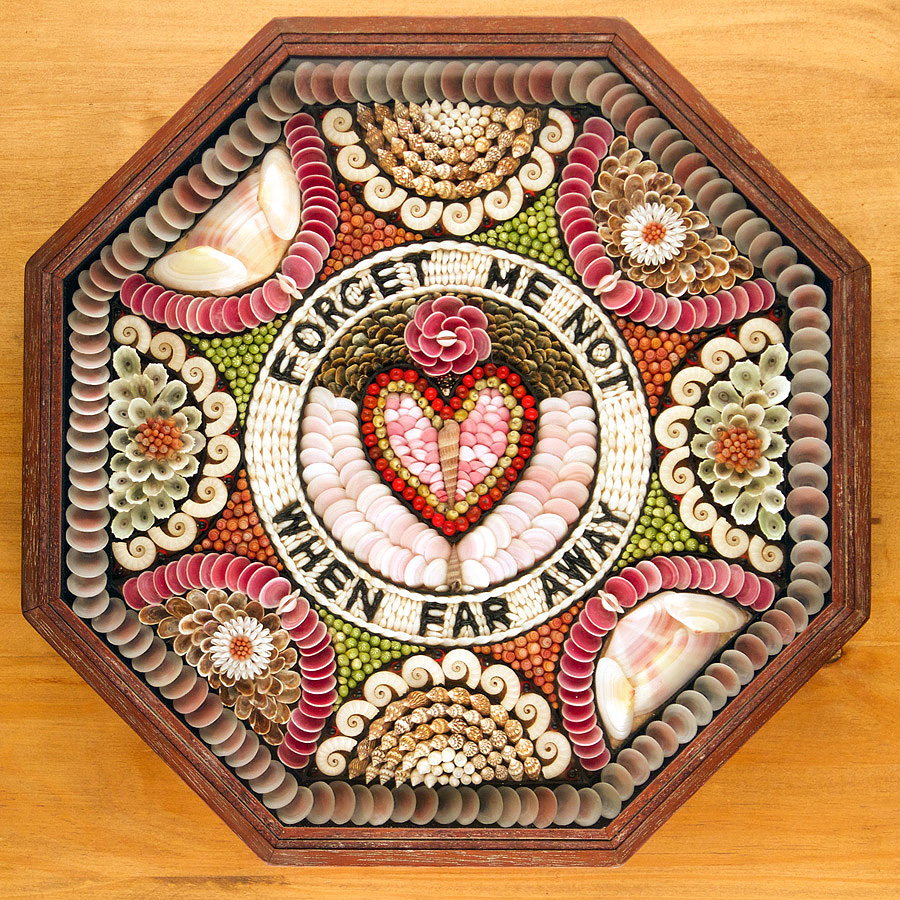
The shell art  part of the show fell into three categories. First, shells glued together to look like anything but a shell- bouquets of flowers or rabbits, for example. Next, shells collaged over the entire surface of objects such as frames, jewelry,boxes, lamps and chairs. And, lastly, Sailor’s Valentines, a term I had  never heard. A Sailor’s Valentine is a mosaic picture created with a wide variety of seashells. These shell greetings first were made by lonely sailors to wile away the long hours spent away from home. Their girlfriends were the recipients. I immediately saw parallels with modern day prison art where confined guys use matches and  gum wrappers to create art.

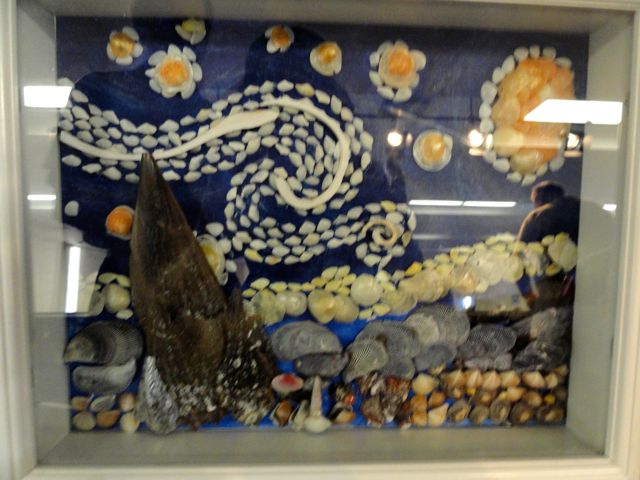
Here are some examples of Sailor’s Valentines plus my favorite shell art piece at the show. It is entitled “Starry Night Shells” and was submitted by a sixth grader.


0

Relocation

We run a 24 hour diner in our backyard known as the Tooley Cafe. Despite the astronomical rise in price of bird seeds and animal food, we are happy to host a large clientele of furred and feathered guests. However, hospitality has its limits.

Last week my husband woke to one loud chirp in the middle of the night. Since all the windows were open, he thought nothing of it, an insomniac bird, perhaps. He rolled over and drifted back to sleep, noting that our faithful bed cat, Taj, was A.W.O.L.

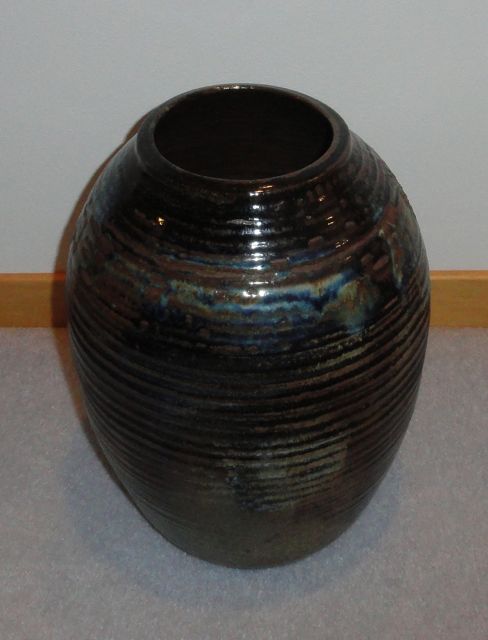
Morning arrived, and all was normal. The cat was back in our bed, the house was in order and we went about our daily routines. Since the day was a scorcher, the Tooley cats decided to stay downstairs in their cool basement or in our only room with a window air conditioner. At 4:00 PM, Taj choose to leave his air cooled room. He marched into the living room and went directly to our two foot high hand thrown vase, stood up with his paws on the rim and stared inside. Then he walked away to his favorite spot under the couch.

I instinctively knew that I had to look into that vase. Approaching gingerly, I peeked in. A chipmunk was cowering in the bottom.

We put a book over the top of the vase and carried the vase to the car. The vase, the chipmunk and we drove to nearby Fischer Creek Park where we walked into the woods and released our visitor.

We should have marked him with a spot of fluorescent paint. This is one chipmunk who is no longer welcome in the Cafe.

Home Sweet Home???
Home Sweet Home???
0

Buzz

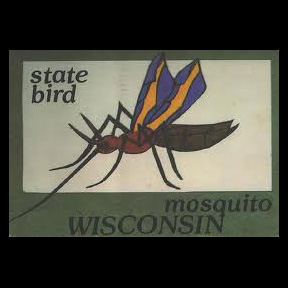
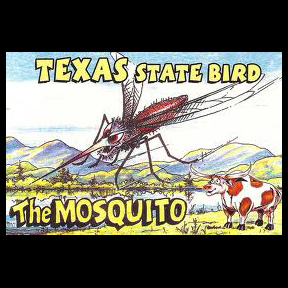
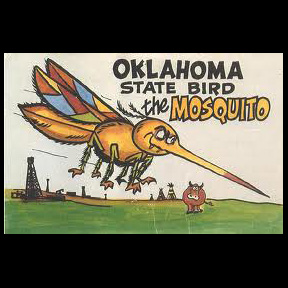
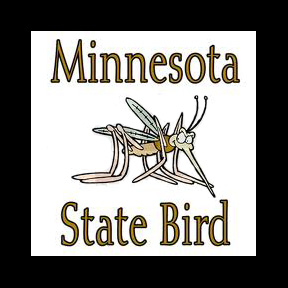
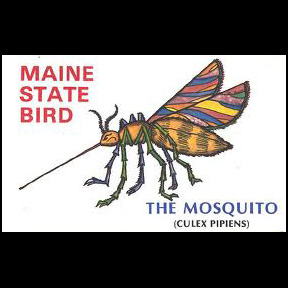
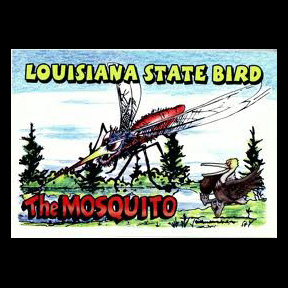
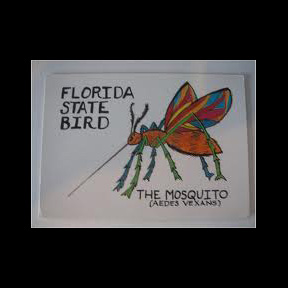
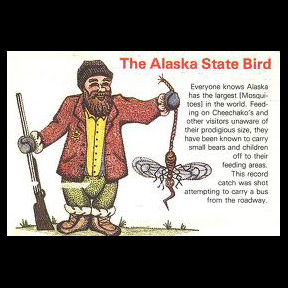
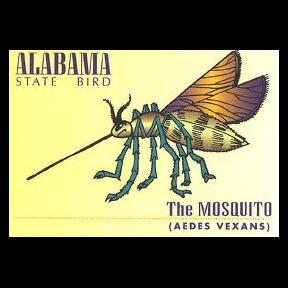
The girls are back. Correction: the mothers-to-be are back. Two days after the Fourth of July, mosquitoes appeared everywhere. The entire outdoors is under siege and our only choices are to stay indoors or spray from head to toe with disgusting chemicals. We have reluctantly chosen Deep Woods Off.

A third choice is possible but not practical. If we don’t exhale or sweat when we are outside, the ladies won’t find us. Carbon dioxide, lactic and fatty acids are their principle people finders.

We may not like our female attackers, but we must recognize their fine maternal instincts. Needing protein to produce healthy yolks for their eggs, they target us, penetrate our skin and spit in the wound. Their saliva prevents blood from coagulating. Then they suck up our blood until their abdomens bulge and turn red.

The moms each lay 80 to 100 eggs in any standing water they can find in a discarded tin can, bird bath, rain-barrel, sand box toys, pond or puddle. In a few days the eggs hatch into the larvae stage known as wigglers. The wigglers wriggle around in the water, stuff themselves and form a pupa. Shortly after, the newly hatched mosquitoes leave the watery life behind.

Mosquitoes, flies and gnats are part of the order Diptera meaning “two-winged insects”. Aristotle named them because the rear wings are only two little vibratory clubs. The Diptera have rapid wingbeats which produce the familiar buzzing sounds.

If  your yard is filled with the buzz of mosquitoes, try putting out the welcome mat for dragonflies, swallows, swifts, brown creepers, nuthatches, toads and bats. All of the above rank mosquitoes as haute cuisine.

0