Seasons

I have a Japanese American friend who is more observant of nature than anyone I have ever known. Her connection to and understanding of the natural world is simply astounding, and I have long wondered how her senses have come to be so finely honed.

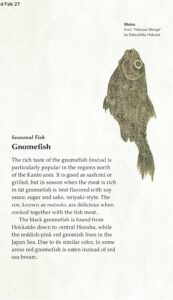
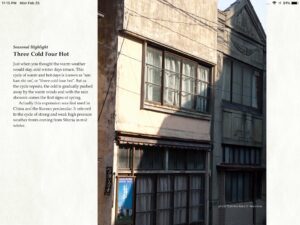
Recently, entirely by accident, I have discovered a clue. The ancient Japanese calendar had 72 seasons in which the tiniest seasonal changes in flora, fauna and weather were meticulously recorded. To this day, the influence of this “slow” calendar are apparent in the Japanese culture.

Compare 72 seasons in a year to our recognition of the seasonal turnings. In every school I visit, class decorations are apples and colored leaves in autumn, snowflakes in winter, flowers in spring and nothing in summer as we are all on vacation from school.

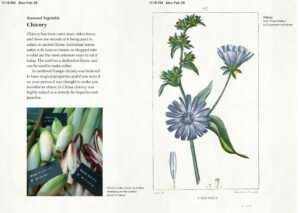
Imagine a calendar where approximately every five days a new season is noted and celebrated. And here is the good news. We don’t have to imagine this. An exquisite 72 season calendar has been recreated and can come to us on our computers. I took particular delight in this week’s post because the seasonal features involved cats and chicory, two things I love. But every week is grand and opens our eyes to the small wonders constantly unfolding all around us.

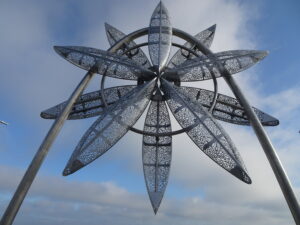
Of course, depending on where we live, our 72 seasons will be different from the Japanese ones. Our latitudes and longitudes don’t coincide. Wouldn’t it be wonderful if the poets, artists and nature lovers in our habitats could create a 72 season calendar for our locales?


Here is the current season…
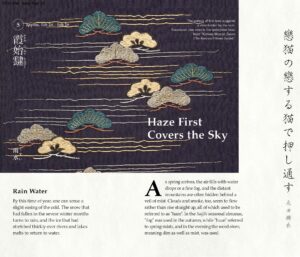
There is no website for a display of the 72 seasons, but there is an app for tablets and smartphones. Here is a link for continued access.


0
Anniversary

On February 22nd, I’ll begin the thirteenth year of writing this weekly blog. This doesn’t seem possible until I check the archive and notice that it is the size of a book, and not a slim volume, either.

As many of you may know, I began the blog as one small positive thing to do every week as an antidote to the horror of seeing America marching, more correctly running, into the second Iraq War. Never in my most vivid imagination could I have foreseen the perilous situation our country is currently in. Every day another piece of our precious Democracy slips away as lies, bullying, corruption, willful ignorance and disrespect become more entrenched.

My original intent for writing has become more important than ever. We all must find ways to keep our sanity in the midst of the insane situation that surrounds us.

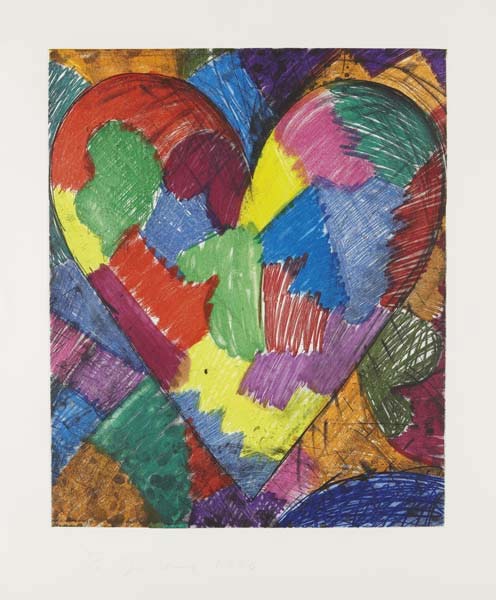
A friend recently sent a quote of Jim Dine’s. He is a pop artist who isn’t. Although Dine emerged into the art world simultaneously with the pop artists, he is not concerned with the exteriors of things, but rather with interior matters. His most famous works are huge paintings and sculptures of hearts.

Here is the Dine quote my friend shared:

“I have come to terms with a lot of things, because, when all’s said and done, there’s really very little one can do about a lot of things. You just accept them. The point is you just have to keep on working and you just have to keep on living.”

I concur with all his words except for the “accept” part. So I will offer this corollary advice from a song that debuted in 1944, the height of the Second World War.

  • You’ve got to accentuate the positive
  • Eliminate the negative
  • Latch on to the affirmative
  • Don’t mess with Mr. In-Between

Click here to hear Aretha Franklin’s version.


0

Sweethearts

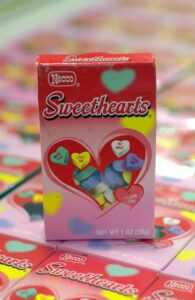
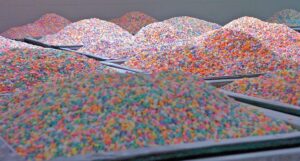
There’s a candy crisis in America. NECCO (New England Confectionary Company) has gone out of business and all their conversational hearts have been silenced.

Sweethearts, the official name for these sugary, chalky little hearts with sayings on them, were created by NECCO in 1866. The company began in 1847 when Oliver R. Chase invented a machine that cut shapes from wafer candy. Oliver’s brother, Daniel Chase, figured out how to print sayings on the candy. Originally used for weddings, the hearts had verses such as, “Married in white, you have chosen right” or “Married in pink, he will take a drink.”

The conversational hearts associated with Valentine’s Day began in 1901. Americans have had a continuous love affair with them ever since. To stay current, some of the sayings were updated in the 1990s with LOL, EMAIL ME, BE MY ICON and www.Cupid among the new additions.

In 2017, NECCO, the oldest candy company in America, sold 8 billion hearts. But the company as a whole was struggling and was sold at a bankruptcy auction in 2018. The new owners subsequently sold the company to another candy company. To the shock of NECCO’s 230 workers, the new owners, the Spangler Candy Company, abruptly shut down the plant and announced that no Sweethearts would be produced in 2019. Not a sweet thing to do.

Stricken fans of Sweethearts and Necco Wafers began hoarding the remaining supplies as soon as the news of the factory’s closing surfaced. However, the Brach’s Candy Company was gleeful. They also produce conversational hearts, albeit without a company history dating back to the Civil War. Quoted in Food and Wine Magazine, a spokesman for Brach’s boasted, ” …we offer a much broader range of on-trend  flavors, colors and textures…as far as the sayings go, Brach’s Conversational Hearts are laser-printed, delivering much higher accuracy than Necco’s stamped process.”

Fans of NECCO’s hearts aren’t buying this talk at all. I personally feel that the blurriness or off-center nature of some of Sweethearts’ words were part of their charm. Love is never perfect.


0

Installations

Public art can bring joy or dismay. Either way, I wouldn’t want public money not to be spent on it. People need art because the arts humanize us. Art is never without controversy, and even controversial art serves a purpose: it gets us thinking.

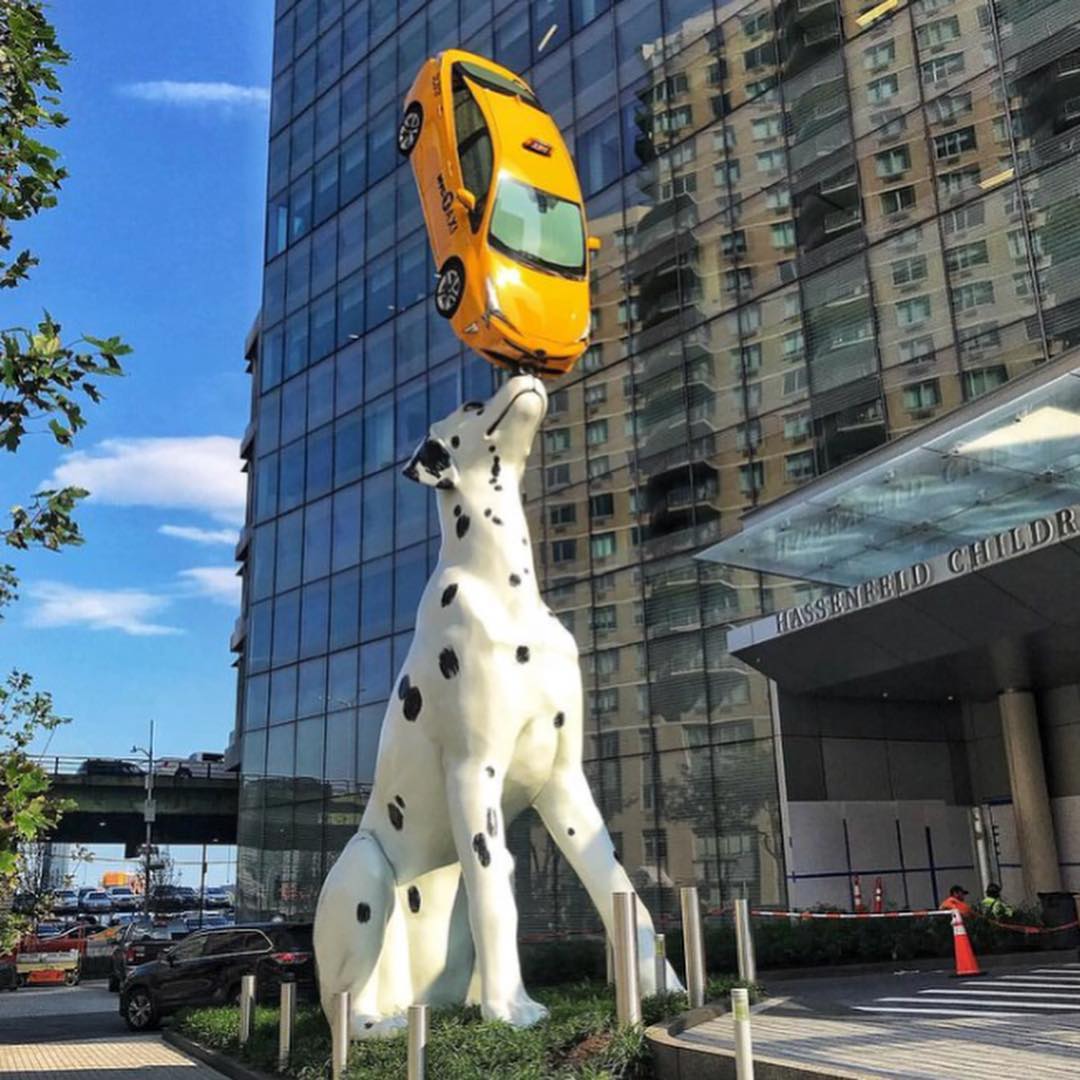
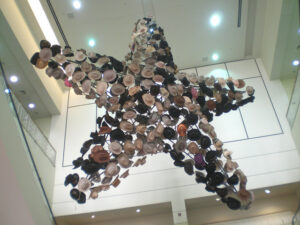
New York City has recently gone on a big binge of public sculptures. One new piece is particularly delightful to me, and I can’t wait to see it in person, preferably on a rainy day. Entitled “SPOT”,  Donald Lipski’s sculpture stands in front of Hassenfeld Children’s Hospital in Manhattan. The work consists of a 24 foot tall, spotted Dalmatian which is balancing a real New York City taxi on its nose. The cab is sans engine and other guts, but when it starts to rain, the windshield wipers turn on.

Explaining his creation, Mr. Lipski says he wanted the big dog/taxi combo “to have assets we hope to find in our doctors: focus, confidence, patience and sweetness.”

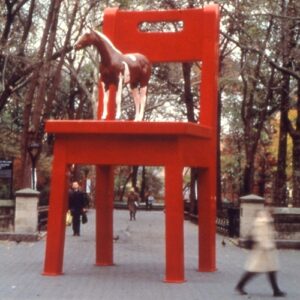
This child-friendly sculpture aroused my curiosity about Donald Lipski’s other installations. I quickly learned that he is one of America’s most prolific creators of art in public places. Scanning through numerous photos of his large scale works, I loved the wit, diversity of materials and imagination he employs. But then came the big surprise: he is also the designer of a sculpture I see frequently and loathe.

The sculpture was commissioned by the University of Wisconsin and stands outside our big football stadium in Madison. A UW graduate, Mr. Lipski named the sculpture Nails’ Tales, after his roommate Eric “Nails” Nathan. The sculpture is a lone limestone column from which dozens of footballs are emerging like some malignant growths.

When asked if the University gave him any guidelines, the artist said the University’s facilities manager and athletic director both asked for “something that projects power and strength. Something that is tall and vertical and holds its space…something virile.”

Lipski adds, “They were without saying, saying they wanted something phallic.”

And that is exactly what Donald Lipski gave them. It is probably a fitting tribute to football, a sport where guys bash each other’s brains out.


0

Pantry

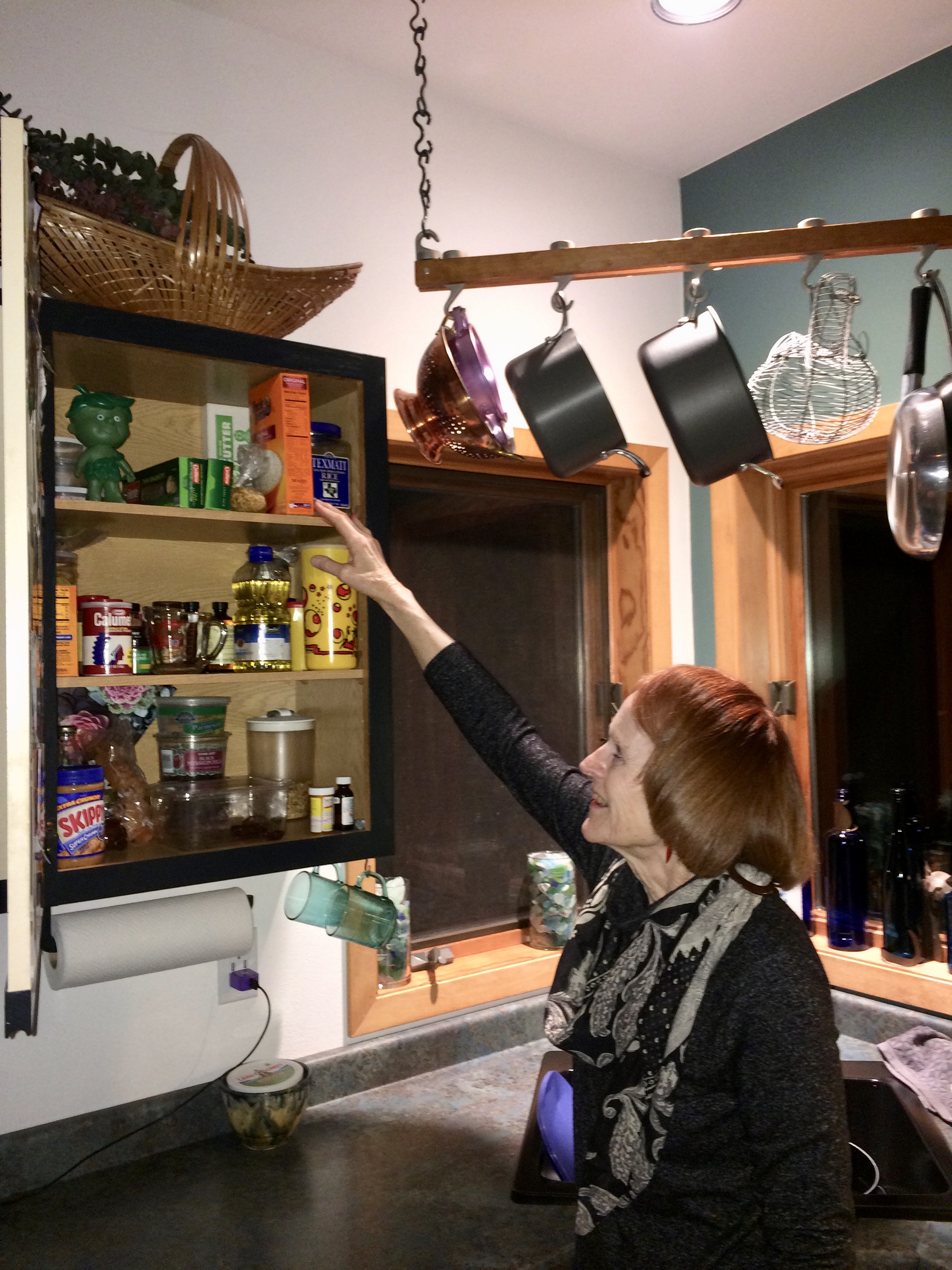
Last week, the New York Times’ food section ran a feature on the well-stocked pantry. The writers offered three lists of must-have items for the essential, expanded and expert levels of home cooking. Even before reading the article, I feared I would miss the mark on every level. And I also knew it would be my father’s fault.

Deeply embedded in my psyche is the belief that wasting food in a world where so many go hungry is very, very wrong. My father always asked my mother to cook only what our family needed for dinner, not extra food “in case someone drops over at dinner time”.

We never stockpiled food, either. Our cupboards and fridge were never crammed to overflowing. Tons of food was wasted in the 1950’s, however, as it was piled into bomb shelters so that nuclear families could survive a nuclear holocaust. (Our species does love magical thinking.)

Reading the foodstuffs required for “perfect pantries”, I was surprised that I had most of the items deemed necessary for the essential level of cooking. In fact, I excelled in the essential baking ingredients. But I will never have the right stuff on hand to reach the exalted levels of expanded or expert cook.

Here are but a few of the many items I am lacking:

  • red curry paste
  • harissa
  • verjus
  • olio santo
  • verjus
  • mirin
  • caperberries
  • dukkah
  • shichimi
  • gochujan
  • thai bird chilies
  • makrut lime leaves

I would bet a big pile of money that these items sold out last week at upscale urban markets such as Whole Paycheck.

Acknowledging that the pantry items won’t be the same for every cook, the article did provide some solid advice on managing the food we buy. My favorite was F.I.F.O. , or first in, first out. In other words, “cook in order of freshness”.

Other wise words were, “If you haven’t used it in a year, get rid of it. Then restock with an eye to the things you are confident using and what you love to eat.

Now those are words I will be happy to cook by.

My cupboards aren’t bare.
0