Cowed

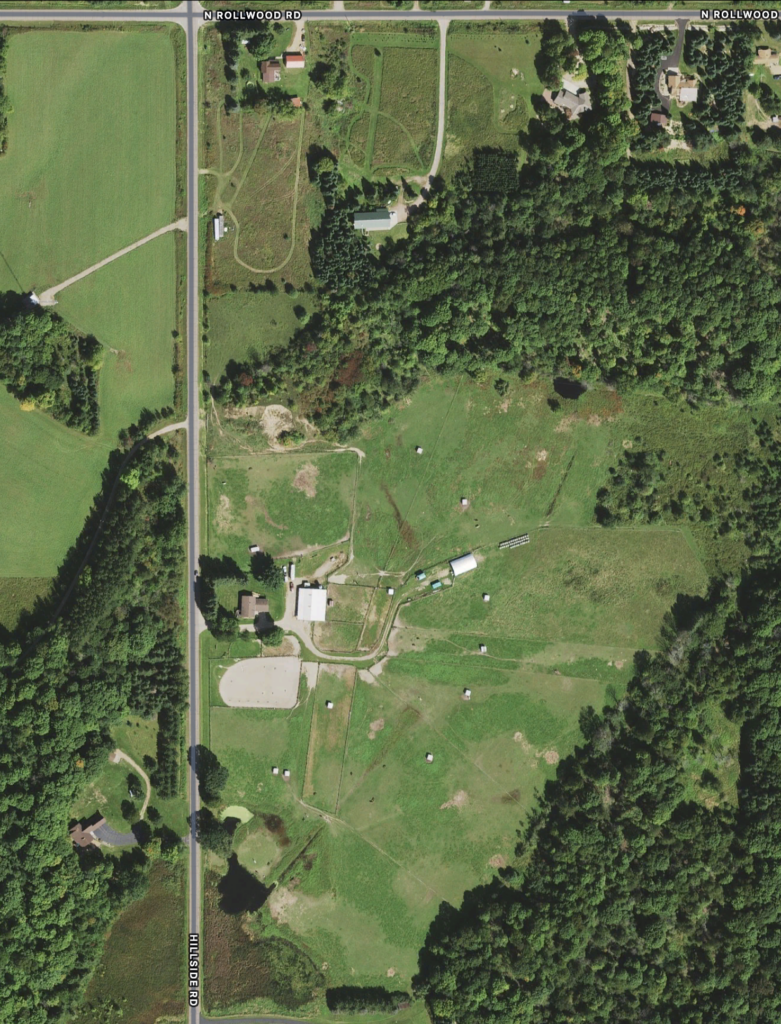
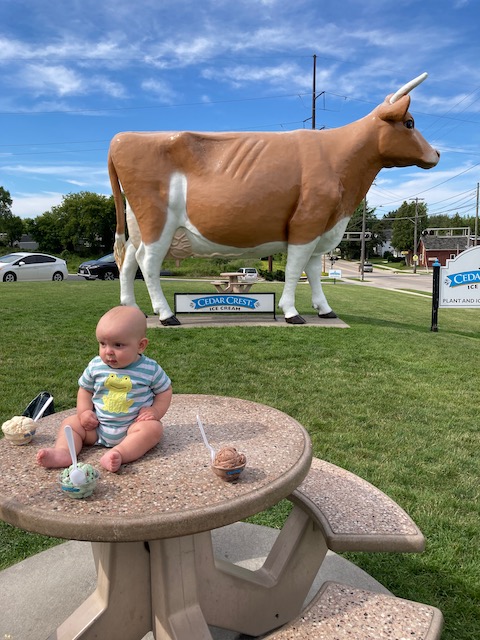
My husband and I are ardent fans of giant fiberglass cows. We are fortunate to live just down the road from Bernice, a beautiful big girl who stands in front of our local ice cream factory. Affectionately referred to as “the Big Cow” by almost everyone in Manitowoc, her hometown, she has been known to don special attire for events such as Sputnikfest.
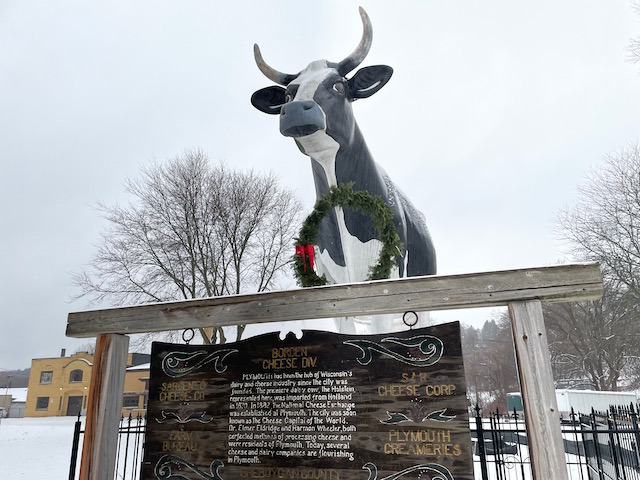
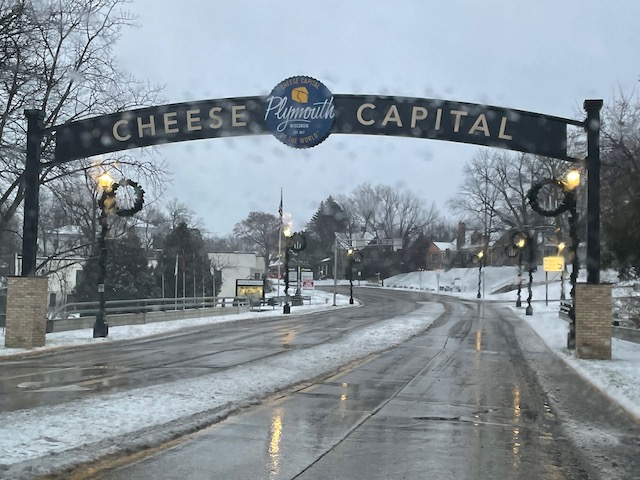
In the nearby town of Plymouth stands another supersized bovine named Antoinette. This lady’s a Holstein and a tribute to Plymouth which bills itself as “The Cheese Capital of the World”. That might be a bit of hyperbole, but the city’s cheese statistics are impressive. Four major cheese factories operate in the town and they produce 15% of Wisconsin’s cheese. (Wisconsin makes 27% of America’s cheese.) If Plymouth were a country, it would be the 4th largest cheese producer.
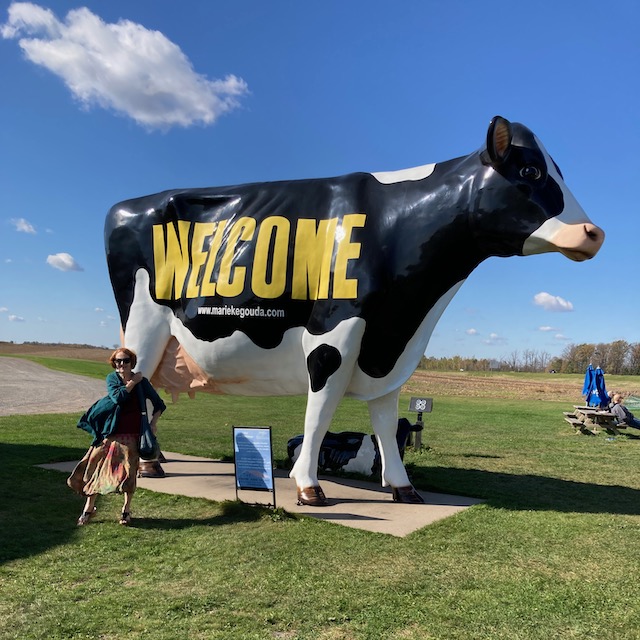
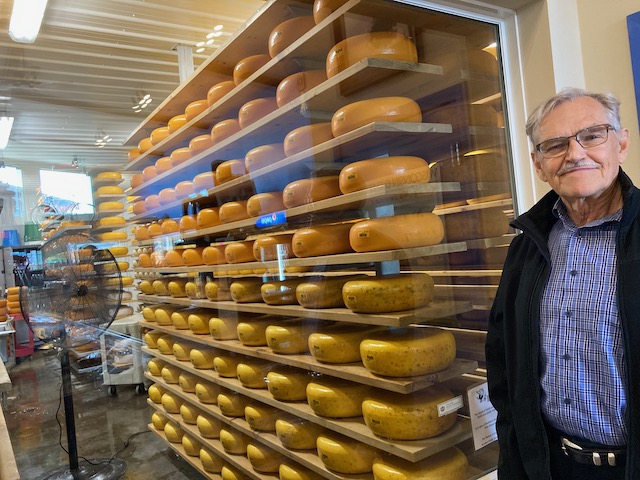
On a recent road trip, we serendipitously discovered two more humongous, Wisconsin girls. The first welcomed us to the delightful Marieka Gouda Cheese facility in Thorp. The owners are from the Netherlands so they know a thing or two about making award-winning Gouda cheese. A visit to their store and cafe is like a mini trip to Holland.
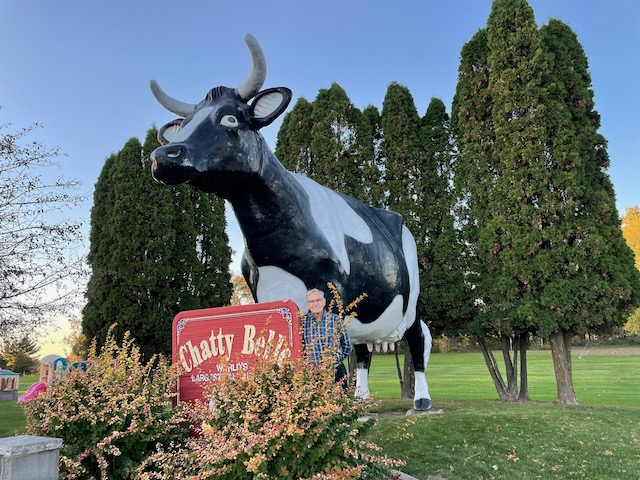
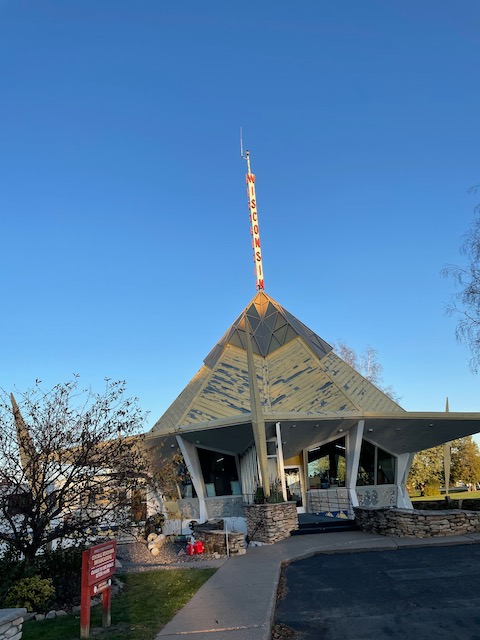
The second cow, Chatty Belle, lives in Neillsville and is “the World’s Largest Talking Cow”… if you put a quarter in her voice box. She was named by a first grader who received 100 pounds of butter for coming up with the winning name. Chatty Belle’s a traveler, her first appearance was at the 1964 World’s Fair in New York. When she came home to Wisconsin, she brought the Wisconsin Pavilion at that Fair back with her. This whimsical piece of Atomic Age architecture stands beside her and is used as the headquarters for a local radio station. Chatty Belle will tell you all about it.
2

Margherita

Almost everyone loves pizza. A generous combination of grease, salt, carbs and seasonings is hard to resist. Plus, no utensils need be involved to eat it.

My husband and I are firmly in the camp of pizza-lovers. So much so, that we reserve pizza eating as a treat, a dinner out at a carefully chosen pizzeria. Lacking a wood-fired oven, we don’t ever attempt to make them at home.

Like all pizza aficionados, we do have preferences. We both agree that the crust should be paper-thin and crisp; we don’t want a mouthful of dough to overwhelm the toppings. We also have a favorite pizza, the Margherita.

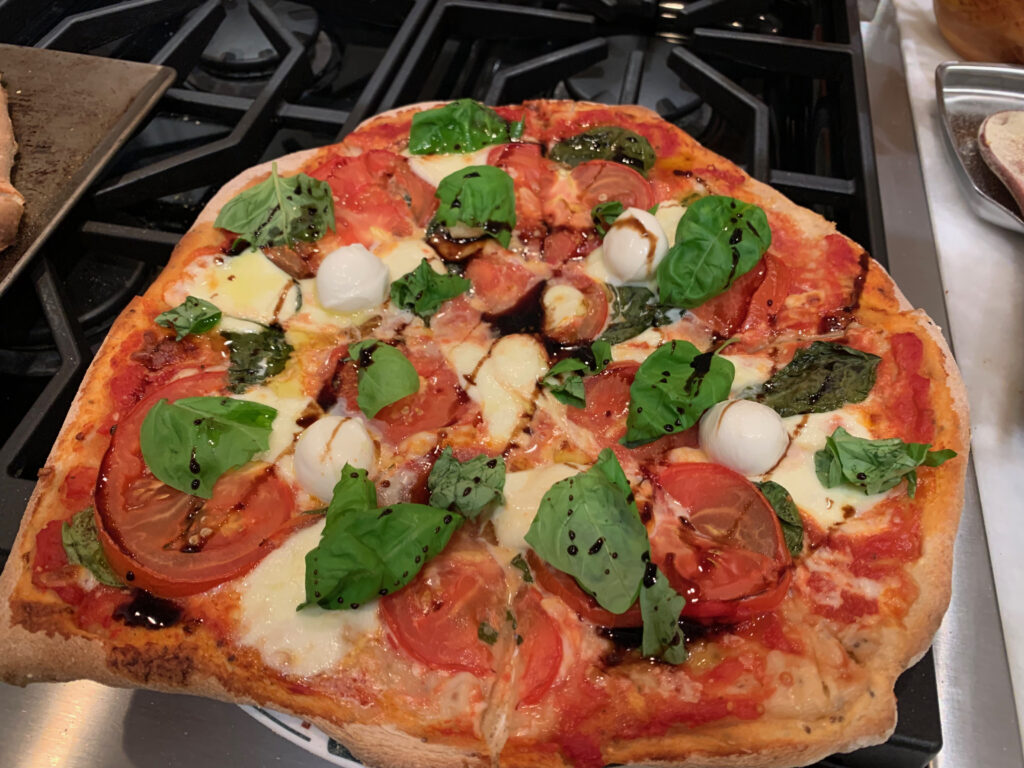
A story accompanies the Margherita pizza, and, though not completely verifiable, it’s a great origin tale nonetheless. According to legend, Italian Queen Margherita and King Umberto I were visiting Naples, the pizza Mecca of Italy, in 1889. She had become bored with the elaborate French dishes that were popular with royalty at that time and asked Naples most famous pizza maker, Raffaele Esposito, to create three different pizzas for her. She ruled against the marinara with garlic and the anchovy ones. Her royal seal of approval was bestowed on the one with red tomato sauce, white mozzarella cheese and fresh, green basil leaves. The colors neatly coincided with those of the Italian flag.

Pizza, including the Margherita, came to America in the late 19th century when waves of Italian immigrants arrived. It was sold for 2 cents a slice from peddlers’ carts in Italian- American enclaves. However, it took World War II to make pizza a staple of American life. Soldiers returning from the fighting in Italy missed the pizza they had eaten there. Pizza consumption subsequently exploded all over the U.S.A., and its popularity has not waned in 80 years.

The Margherita may be named for a queen, but it is traditionally a peasant food…cheap, filling and loaded with taste. Buon Appetito!

4

Feasting

Everyone in America has heard the Thanksgiving story from their kindergarten days on up. The happy Pilgrims and Indians got together for a feast. Turkey was served and pumpkin pies followed.

Historians have the daunting task of sorting out the true facts of events from the folklore, myths and wishful thinking that invades our recollections of the past. In the case of Thanksgiving, the process can be described as “trying to separate the mashed potatoes from the gravy.” Fortunately, primary sources such as letters and documents do exist from those times. Here are some of what they reveal.

One of the best accounts of that first Thanksgiving comes from a letter written by an English settler, Edward Winslow, on December 11, 1621. He does not use the word “Thanksgiving”, but describes a weeklong harvest celebration with King Massasoit and 90 Wampanoag men “so we might after a more special manner rejoice together.”

Edward Winslow’s letter goes into detail about the menu. The colonists had planted (with advice from the Wampanoag) 20 acres of Indian corn and 6 acres of barley and peas in the spring. In fall he reported, “our corn did prove well, our barley indifferent good but our peas not worth the gathering.”

When the harvest was in, the Governor of the colony “sent four men ‘fowling’ (which) served the company almost a week.” Historians note that no mention can be found of what kind of wildfowl were shot, but wild turkeys were present in Massachusetts at the time. So turkey may or may not have been present on the table.

What is known with certainty is that venison was in abundance at the feast. Five deer were presented to the Governor as a gift from the Wampanoag. Records also note that the Indians often supplied the colonists with shellfish as well.

Pie was not the finale of the meal. The colonists had no wheat or butter to make a crust and no ovens for baking. However, both the Wampanoag and the colonists grew pumpkins and other indigenous squash which could have been served other ways.

The guest list at the party can be constructed from historical documents. The 90 Wampanoag men who attended were the survivors from a tidal wave of infectious diseases brought to the New World by the European explorers and fishermen who preceded the colonists. These diseases, such as smallpox, reduced the population of Native Americans in the Massachusetts Bay Area by about 90%. The colonists found empty villages and fields waiting for them to occupy.

The original colonists in Plymouth did not have an easy time that first year, either. Approximately half of them died, and only four women were alive in the fall of 1621. The preparation and celebration of our most famous harvest festival was almost entirely an all-male affair.

The traditions continue!
2

Bragging

It’s interesting to read what states have to say about themselves. And we can do exactly that when we drive down America’s highways. Many states put a line on their license plates bragging about their uniqueness. Some of these taglines are true, some are sort of true and some are downright misleading. I’ve done a bit of fact checking, and here are the results.

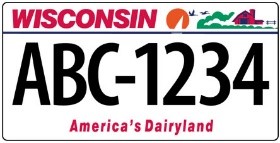
My state of Wisconsin proclaims “America’s Dairyland” on our plates. Yes, we do have cows everywhere in Wisconsin, but California takes the prize for being the biggest dairy producer with more cows and more milk production. Wisconsin comes in second followed by Idaho, whose plates say “Famous Potatoes”.

Minnesota, Wisconsin’s neighbor, boasts of “10,000 Lakes”. In fact, they have 11,842. The Wisconsin Department of Natural Resources claims that we have 15,074 lakes. However, I’m going with Minnesota having more lakes than we have. There is no standard definition of the word “lake”. In Minnesota, a lake is defined as more than 10 acres. In Wisconsin a lake is defined as “anything we want to call a lake”. Some “lakes” near our house would hardly even qualify as duck ponds. If Minnesota’s 10 acre rule were followed here, we would have 5,898 lakes. Brag on, Minnesota.

Florida proudly announces that they are the “Sunshine State”. Not even close, Florida. Here are the scientific facts on which states get the most sunshine:

  1. Arizona
  2. New Mexico
  3. Nevada
  4. Texas
  5. California
  6. Colorado
  7. Oklahoma
  8. Kansas
  9. Utah
  10. Florida

Florida is, however, the state with the most hurricanes in recorded weather history. I doubt that “Hurricane Heaven” will show up on Florida plates any time soon.

Connecticut’s plates announce that they are the “Constitution State”. One would assume that they are referring to the Constitution of the United States of America. But no, the “Constitution” on the plates is a 1639 state document called “The Fundamental Orders” an “agreement under which the unchartered colony of Connecticut organized its government”. Extremely misleading, Connecticut.

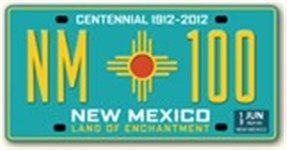
My favorite license plate both for design and slogan is New Mexico’s. They claim to be the “Land of Enchantment”. Enchantment is, of course, a subjective thing. Since every one of the scores of times that I have been in New Mexico I have been enchanted, those plates speak truth to me.

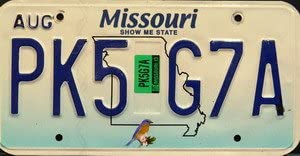
And a final word to Missouri. I really don’t want you to “Show Me”.

1

Adobe

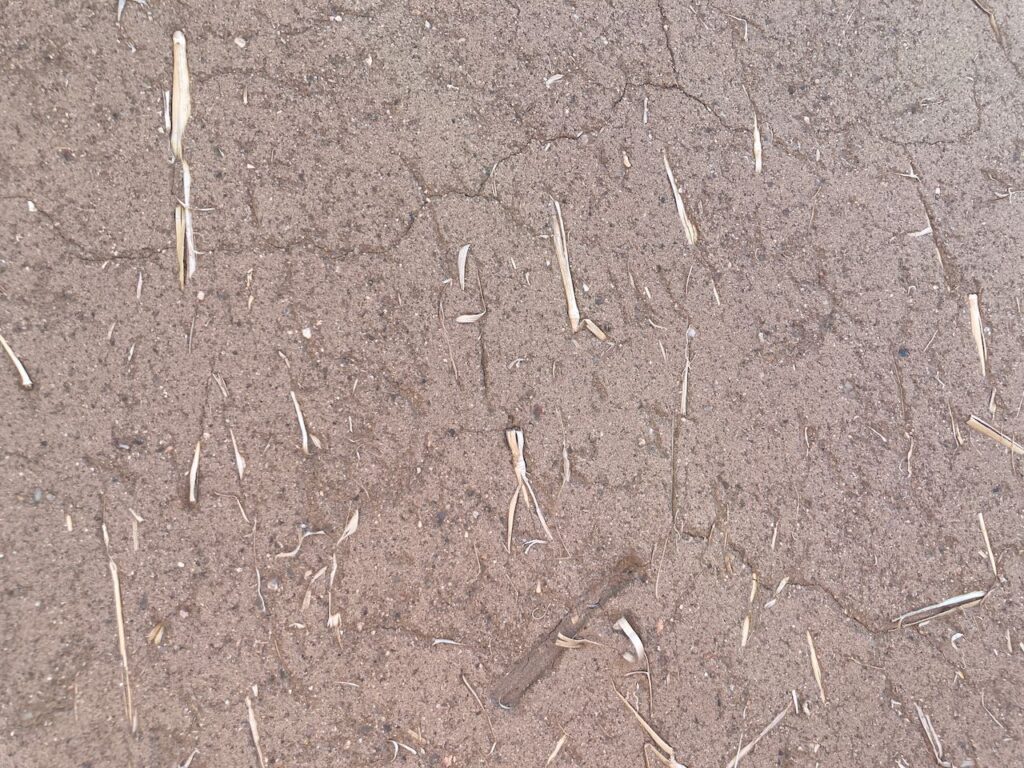
My husband and I recently stayed overnight in a lovely house made out of mud. When people started building shelters, they utilized the materials provided by the nature around them. In the case of desert dwellers, it is the earth itself. It is not a coincidence that our home has a wood frame and wood siding. We live surrounded by plentiful trees and forests.

In the American southwest, mud houses are called “adobes”. The Macmillan Dictionary definition of adobe is “earth mixed with straw used for making bricks to build houses”. The bricks are dried in the sun, no kiln needed. More mud is applied in a rainbow motion over the stacked up adobe walls to create a uniform surface.

Some of the oldest buildings in the world are constructed of adobe bricks. They are durable, fireproof, non-toxic, soundproof, thermal regulators and biodegradable. Even by current standards, an extremely impressive list.

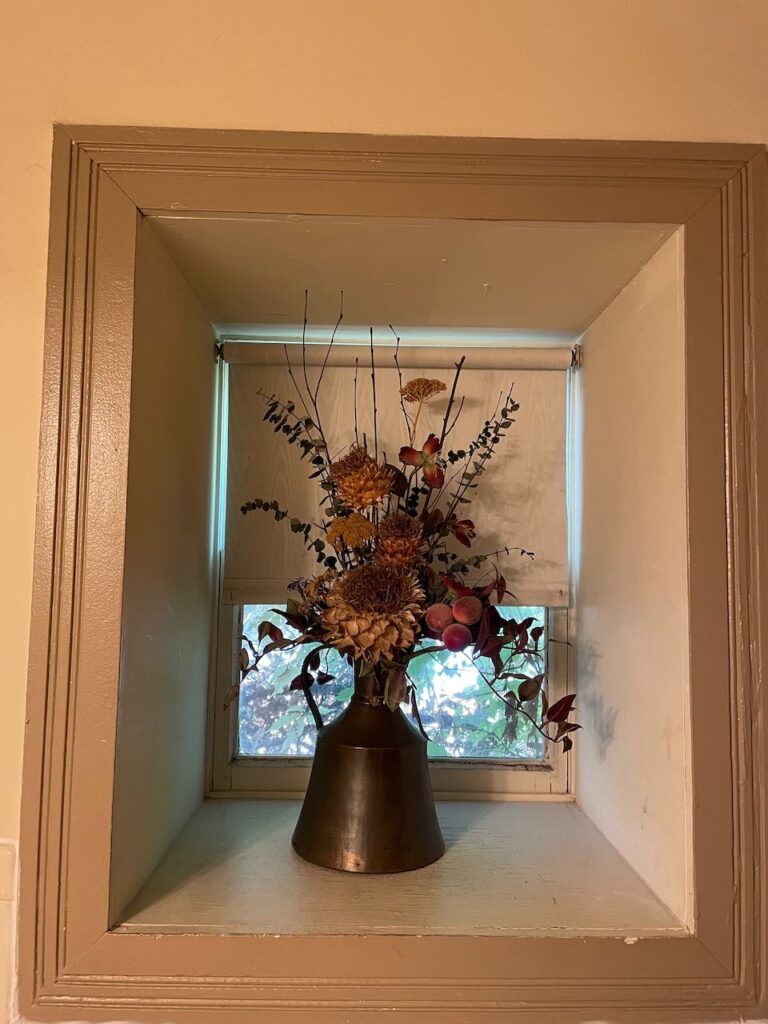
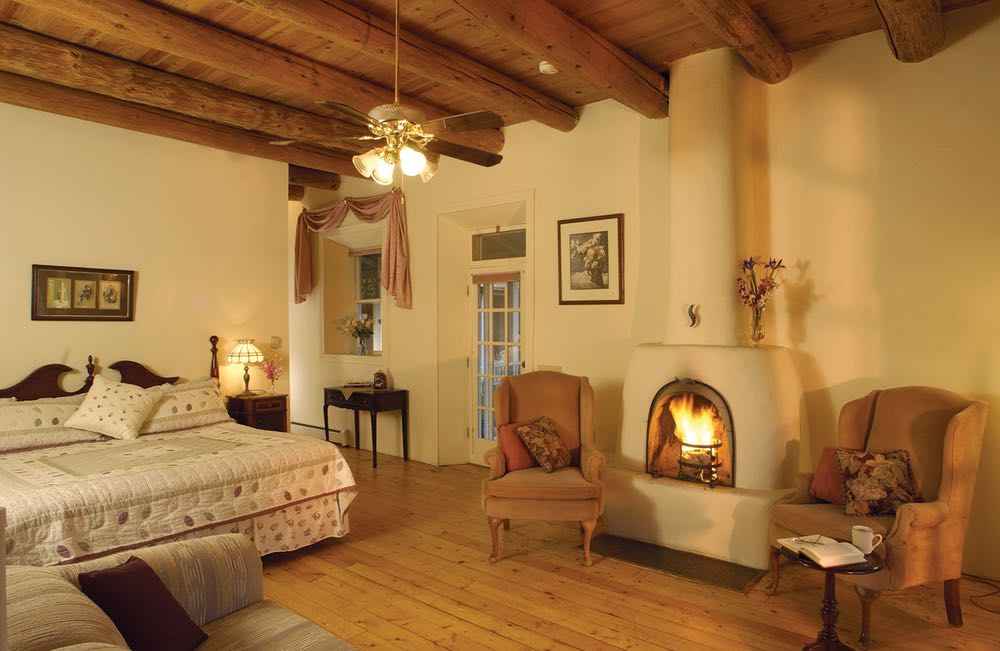
Since mud and clay are highly malleable, building features such as corners, fireplaces, chimneys, niches and courtyard walls can be sculpted. I have heard these gentle curves poetically referred to as “beautiful shoulders”.

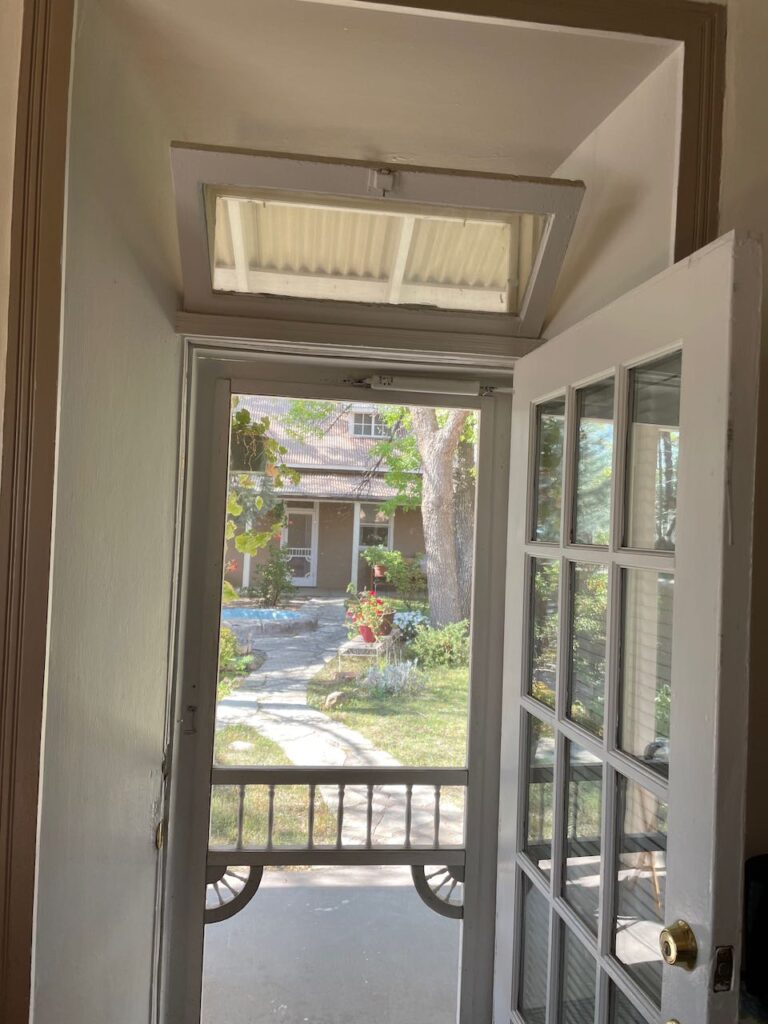
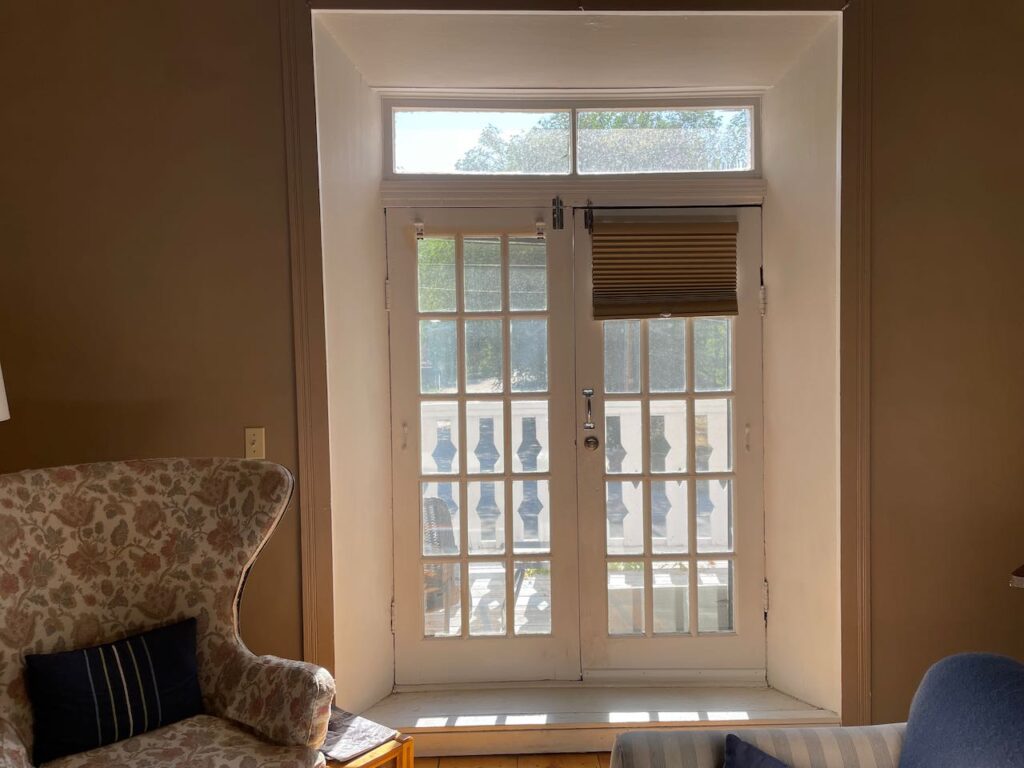
The walls of an adobe building are a foot or more thick. As a result, window sills are like deep shelves and doors are a distance from the interior side of the wall. Adobes give a hug from within.

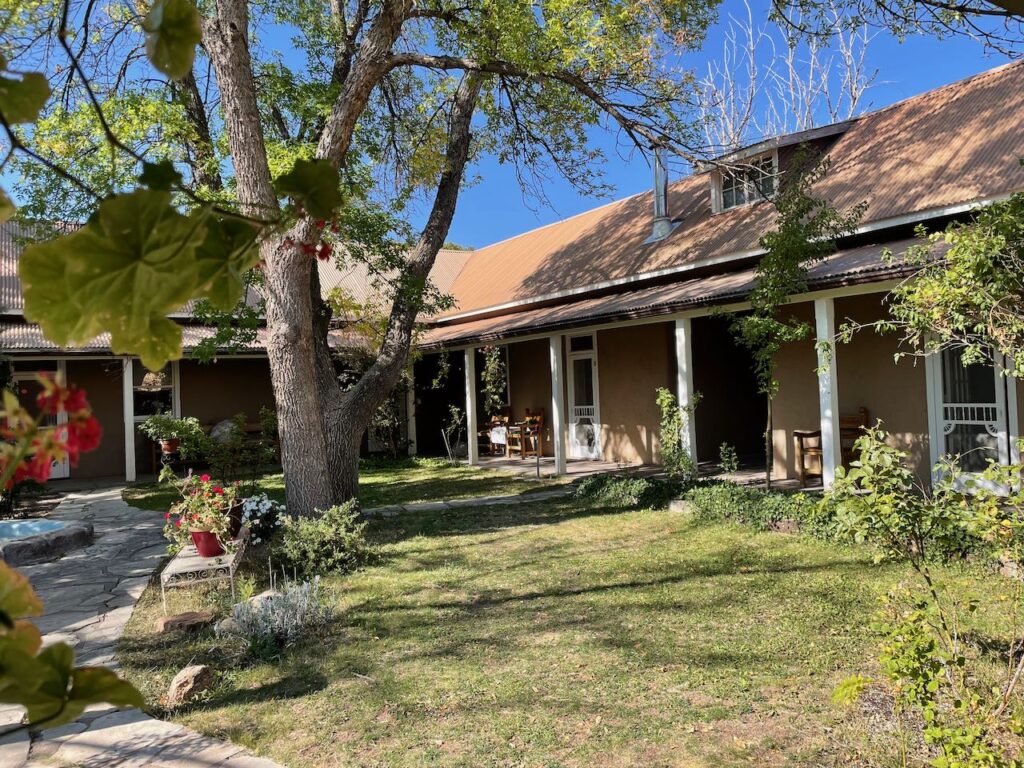
Here are photos of Hacienda de Chimayo in the mountains of New Mexico. It has been providing shelter for over 100 years.


2