Purse

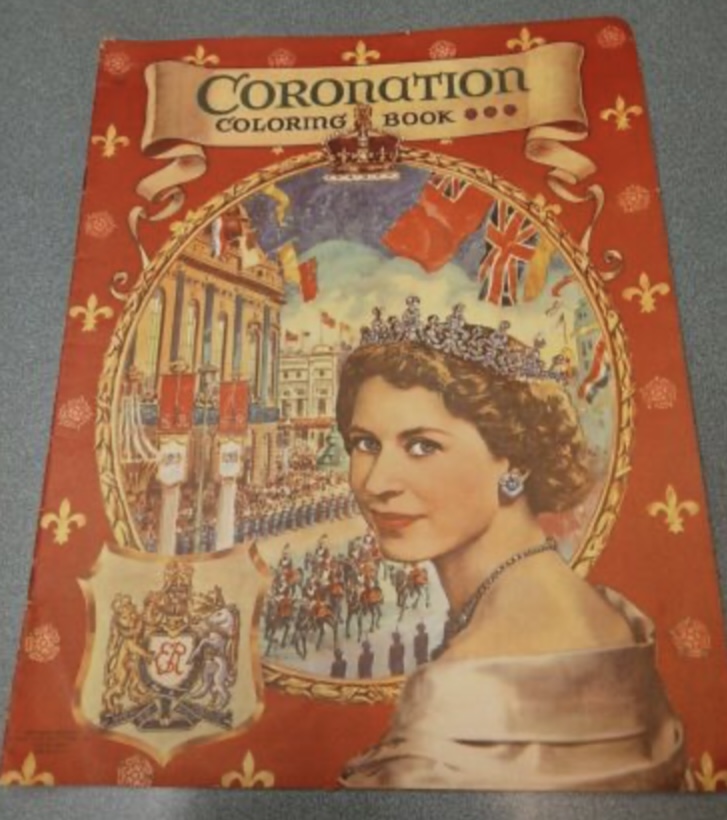
Note: My mother bought me the Coronation Coloring Book in 1953. She was a Britophile her entire life, loving the royals, our Morris Minor car (a mechanical disaster) and her subscription to Punch Magazine. Perhaps history tells me why my mother, of 100% German ancestry, was enamored with all things English. My mother’s life spanned both World Wars and she may have wanted to be on the side of the good guys.

Last Tuesday, a picture rocketed around the world of Queen Elizabeth receiving Liz Truss as the new Conservative Prime Minister. Her majesty was, as always, an impeccable presence. Her signature large hat, coordinated outfit, tasteful jewelry, non-changing hairstyle and large rectangular purse…all were in place.

Last Thursday, the Queen was dead, and the shock waves were felt around the planet. Reflecting on her life and legacy, I immediately thought of an odd thing, a Montessori classroom.

Dr. Maria Montessori worked with the poorest of the poor children from Italy’s teeming slums. She believed these young people needed to escape the chaos of their daily lives and have an ordered place in which to learn, a place where things weren’t in constant flux. In her classrooms, the red rods, pink towers, sandpaper letters, maps and bead boards all lived in their own cabinets with similar equipment. Even the objects’ locations on the shelves never varied. Everything was unfailingly dependable. The children felt safe and secure. Maria’s method has flourished for over 116 years.

Queen Elizabeth II gave the British public the same comfort as those classrooms. She always showed up and was calm, ordered and above the fray. She was the antithesis of a drama queen. Her subjects were united by her courage and devotion.

For me, the most poignant part of Tuesday’s picture was the purse over her arm. The Queen was in her own summer home, Balmoral Castle. No practical need for a large pocketbook existed. But there was a strong symbolic reason for the handbag: it maintained her reassuring image.

In an age where change comes with whirlwind speed and “get” is more valued than “give”, the Queen remained constant to the words she spoke on the day of her 21st birthday. “I declare before you all that my whole life, whether it be long or short, shall be devoted to your service.”

She kept her promise.
7

Stacked

For some unknown reason, we humans love to stack stuff…all kinds of stuff. And we have succumbed to this desire for ages.

Our distant ancestors piled up rocks to mark trails, gravesites, ceremonial grounds or caches of food. These stacks are called cairns from the Gaelic meaning “heaps of stones”.

We continue to heap up stones in these modern times. A current craze of rock stacking has swept through our American parks. Park rangers strongly disparage the practice for a variety of ecological reasons. Here is how one park landscape in Door County, Wisconsin, was radically changed by park visitors. Some view this as an art happening, others as vandalism, akin to graffiti.

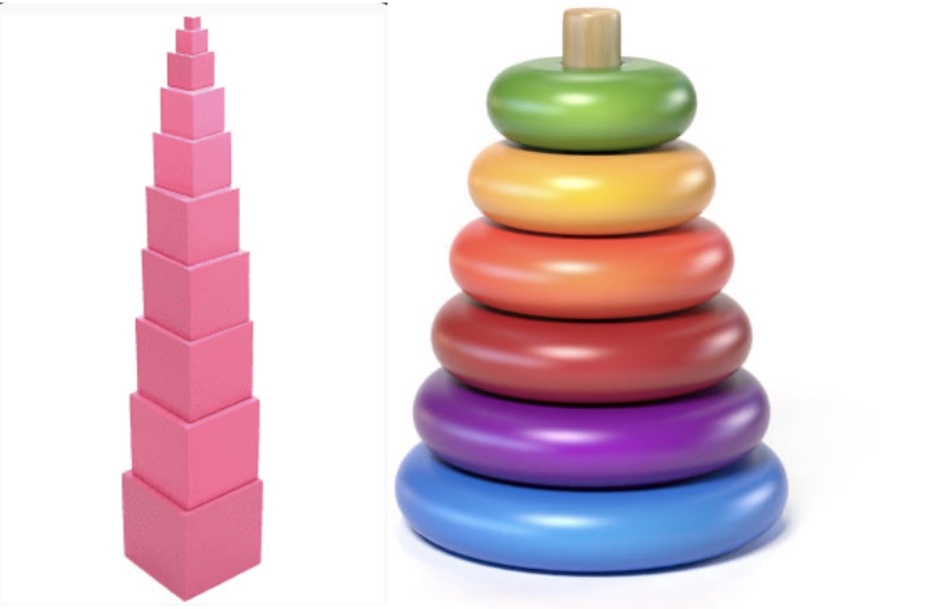
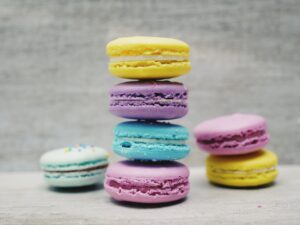
Perhaps rock stacking is inevitable, as we are taught to love stacking early in life. Stacking toys are considered to be education toys and numerous variations exist such as these colorful rings on a pole. Plus, no Montessori classroom is complete without the famous pink tower.

Our delight in placing one thing on top of another extends beyond rocks and blocks. One of my favorite examples is a beloved roadside attraction beside Interstate 80 in Williamsburg, Iowa. Kinzie, a farm implement company, has stacked up their grain carts in front of the company headquarters. The stack is made up of four production units, four custom-made models and one 16th scale cart replica on top.


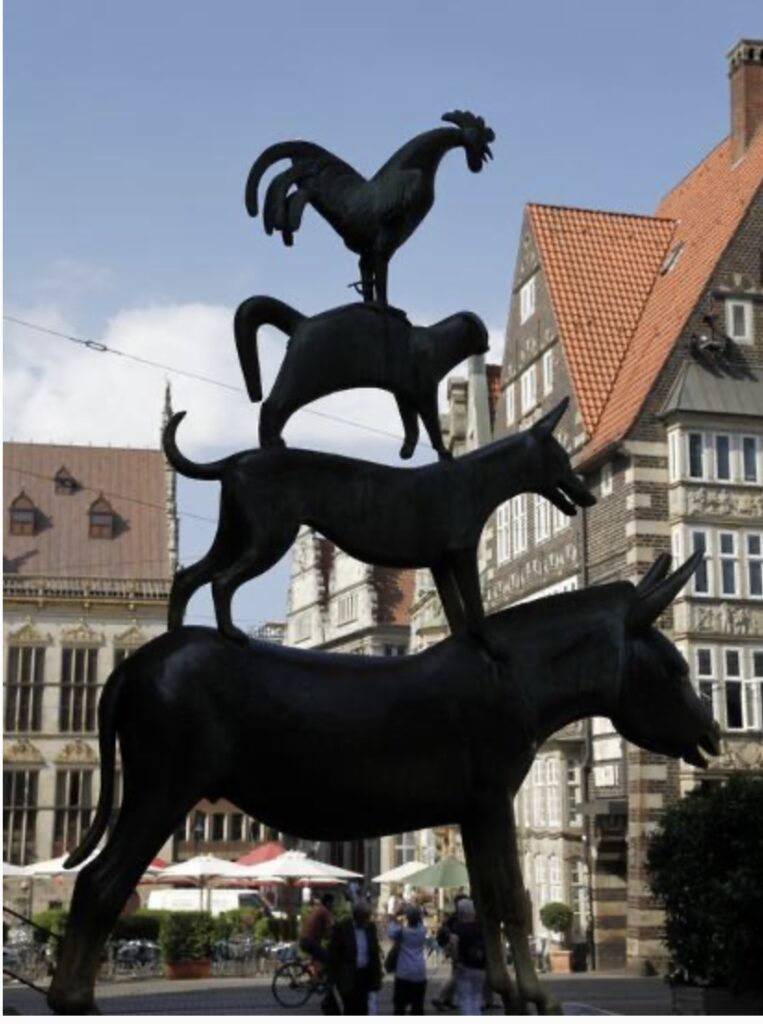
Here are more examples of our penchant for piling. Perhaps we are hard-wired to do this.

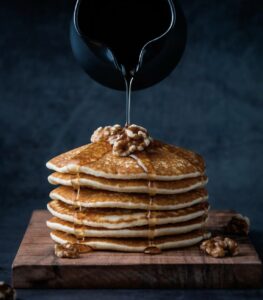
Of course, you might prefer to eat your stacks.


7

Shrinkflation

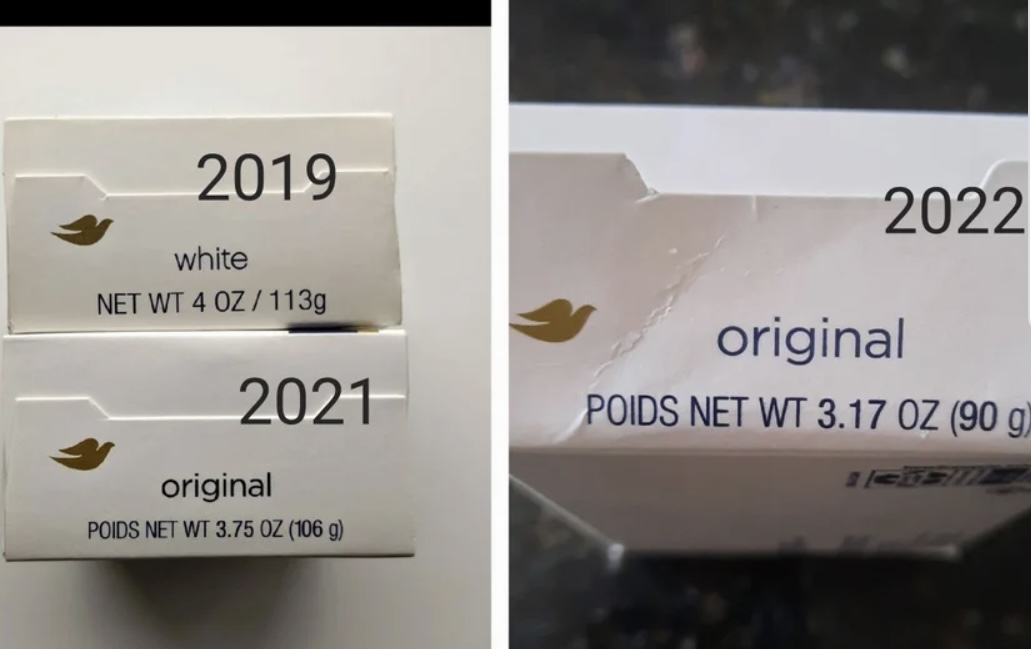
Are you as fed up as I am with shrinkflation? That is the term economists have coined for “the practice of reducing the size or quantity of a product while keeping the price the same.”

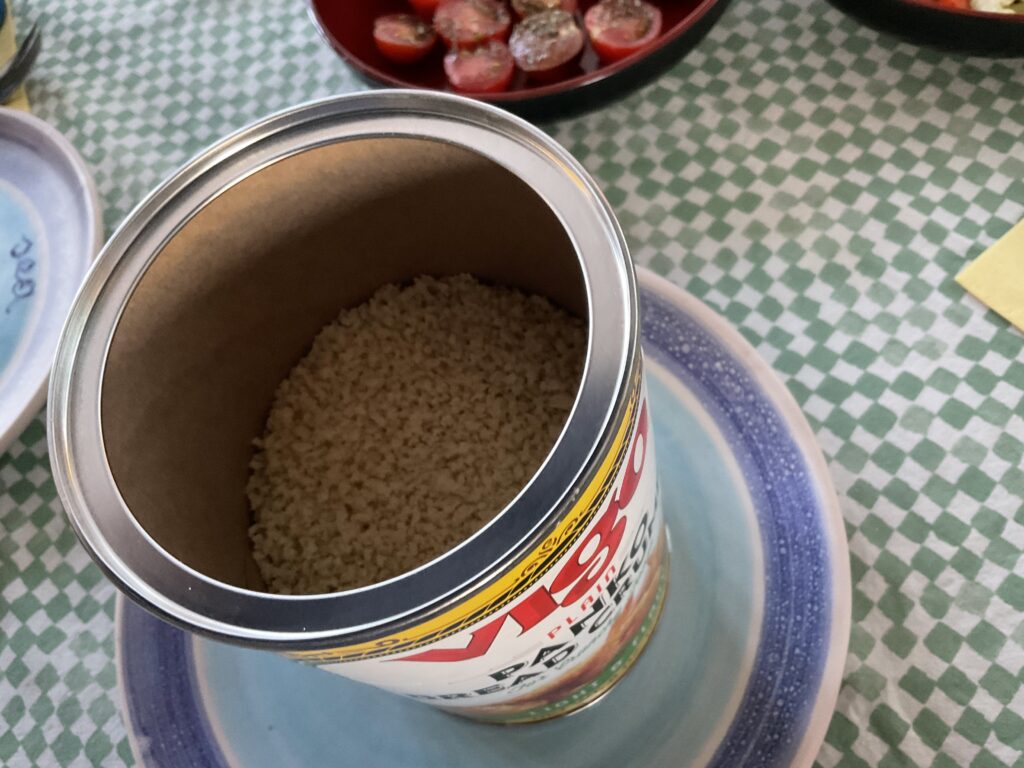
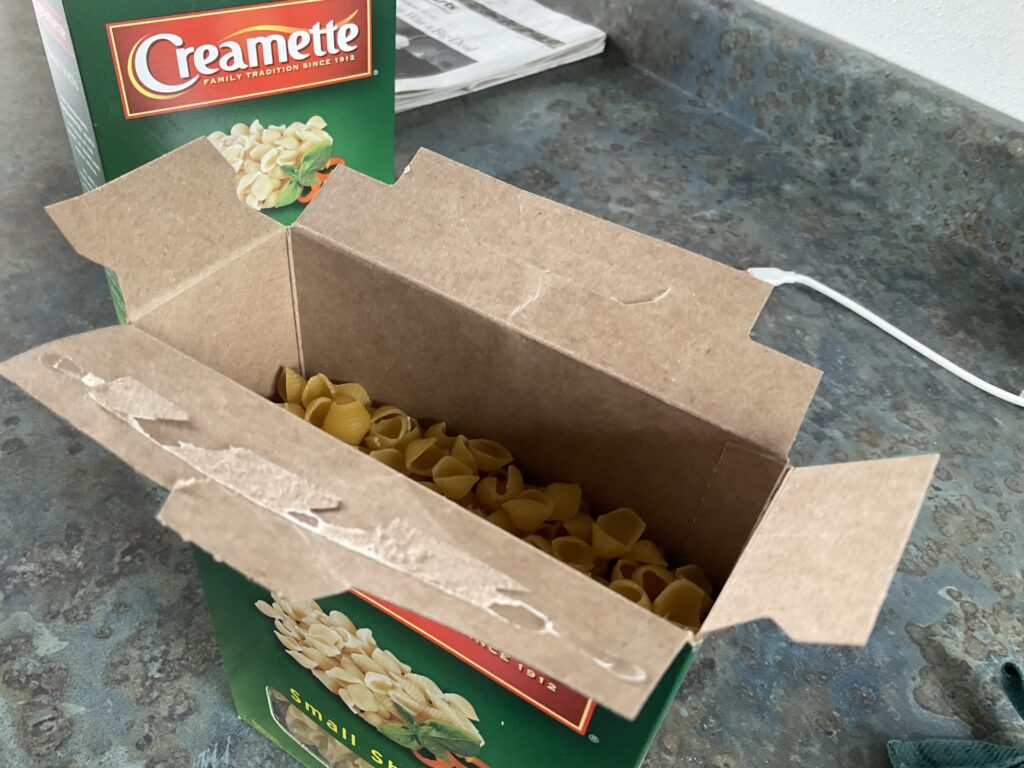
For example, I recently opened boxes of Panko and macaroni and was staring at this. These contents did not “settle during shipping.” They packed their bags and left.

Currently, we consumers are experiencing a tidal wave of shrinkflation, and it comes via multiple scams. Here are two types from the many that pack the grocery shelves.

All this attempted deception almost makes one nostalgic for the old general stores. They did have advantages. (But sanitation was not one of them. Germs were not recognized as troublemakers until the late 1800s.)

Most of the foodstuffs in general stores were in barrels or hanging from a hook. The shopkeeper was behind the counter and the customer was served. Imagine that…customer service!

Packaging of orders was minimal, usually a piece of butcher paper. And for me, the best part would have been getting exactly the amount I wanted. What could go wrong, except a shopkeeper’s thumb on the scale? In this case, I’m sure word of that cheating would have spread quickly to the detriment of the cheater.

We, on the other hand, have no recourse against multinational food corporations. All we can do is vent. Like this.

4

Doggie

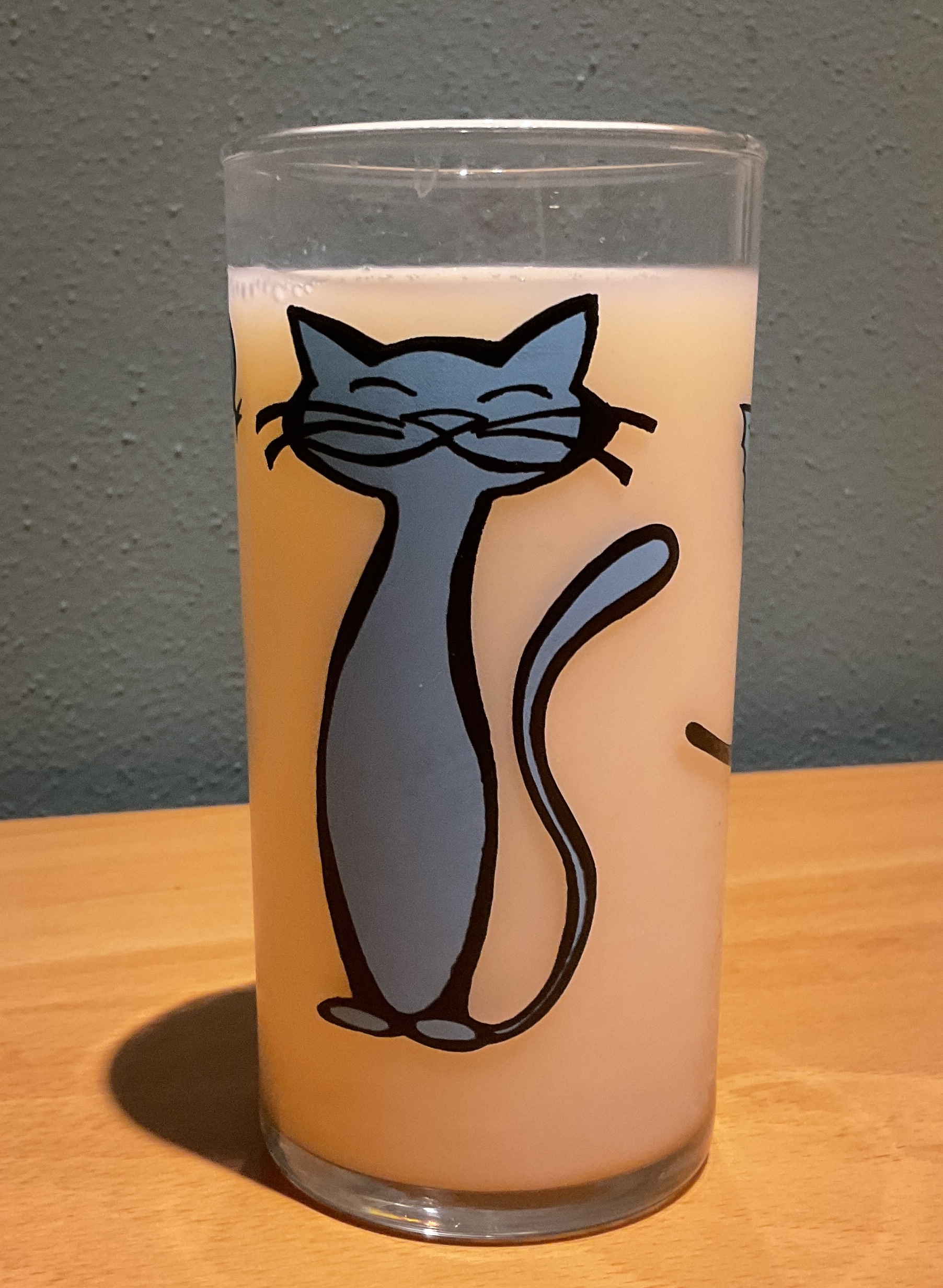
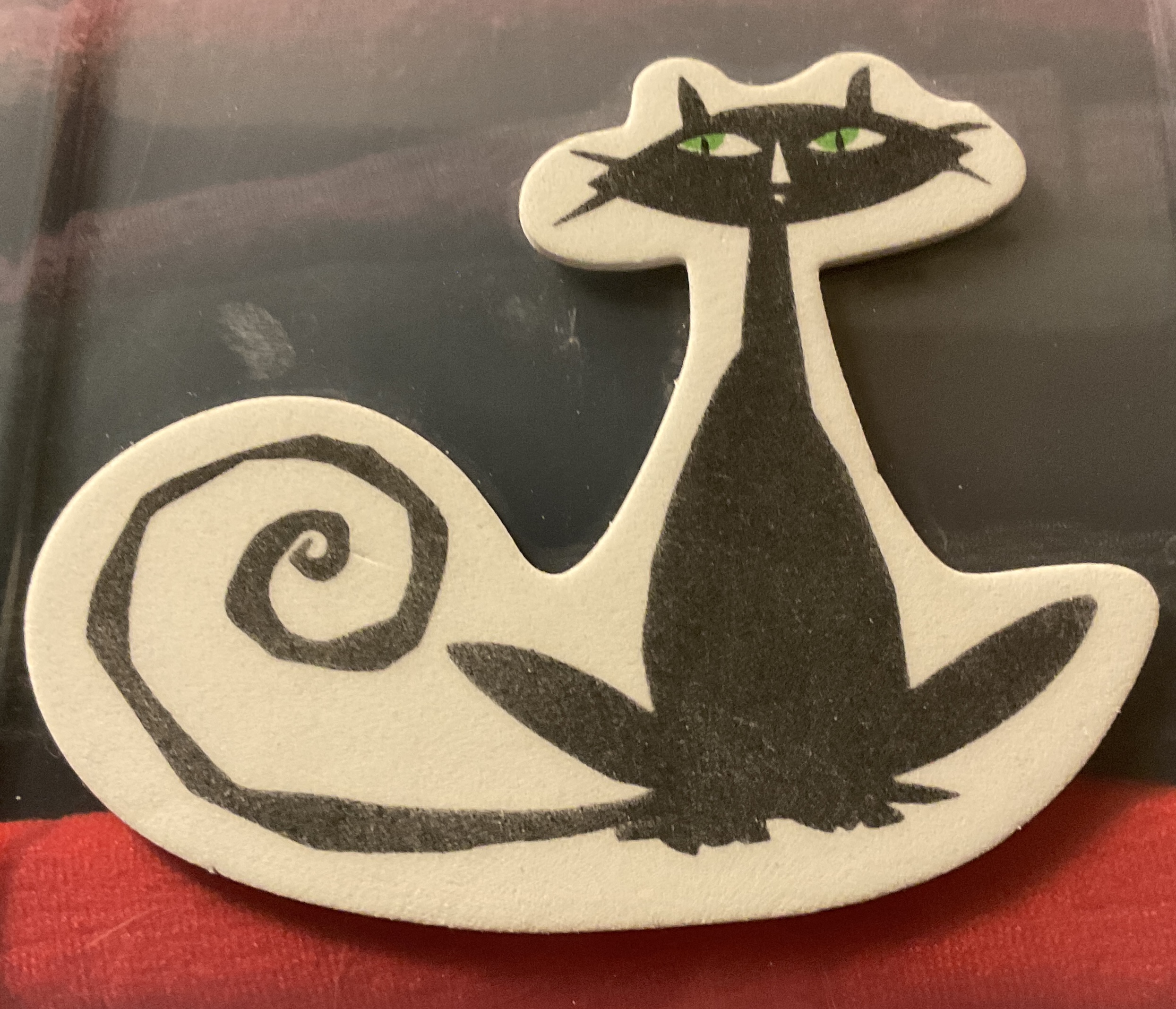
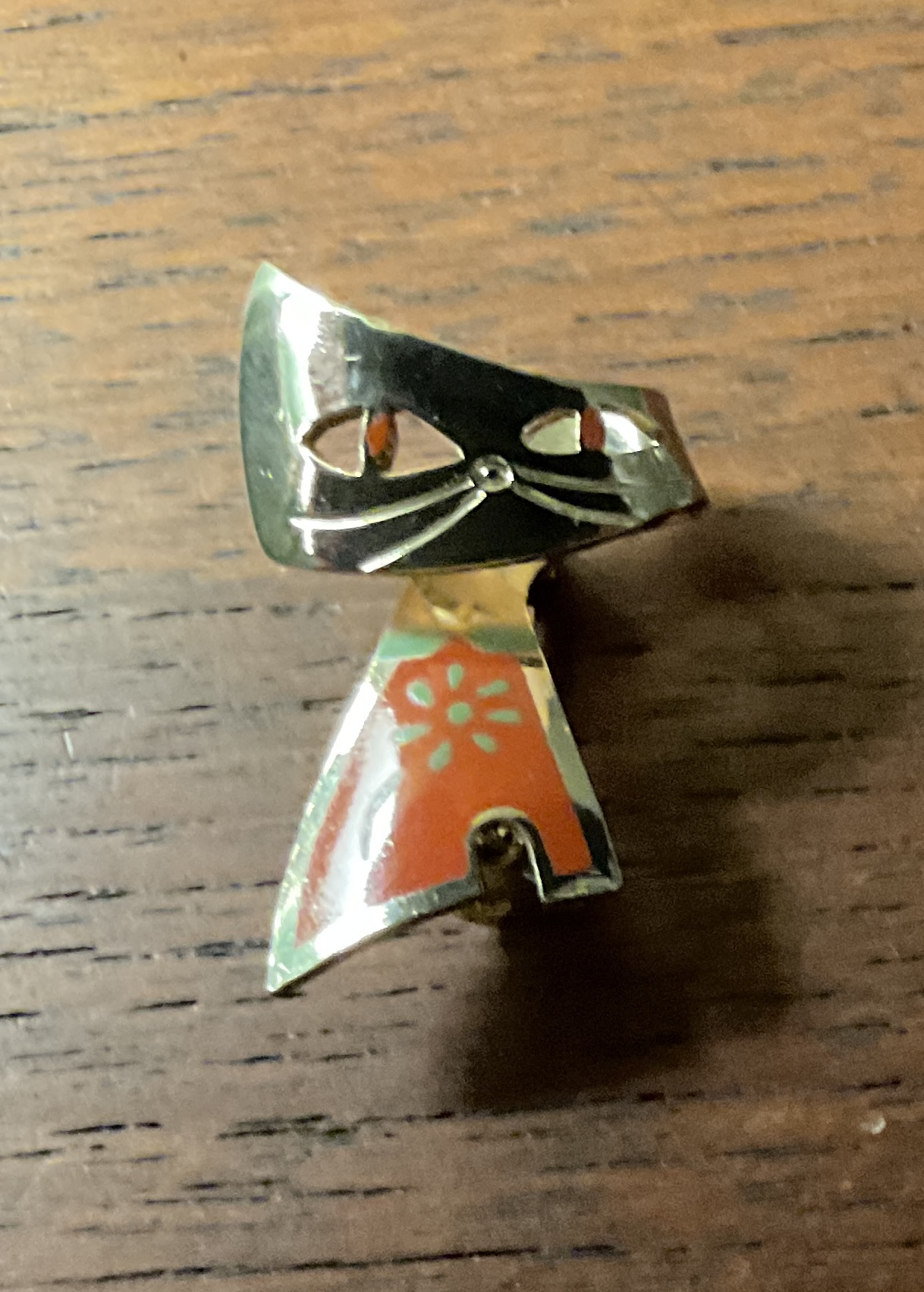
The other day I came across a group of mid-century cat drawings. These stylized cats were a staple of mid-century design popping up in jewelry, cocktail glasses, lamps, eyeglass frames and countless other places.

My delight in the cats led me to wonder why dogs did not achieve the same popularity as mid-century icons. (I do try to be fair and include dogs in my worldview.) And then the lightbulb went on in my head.

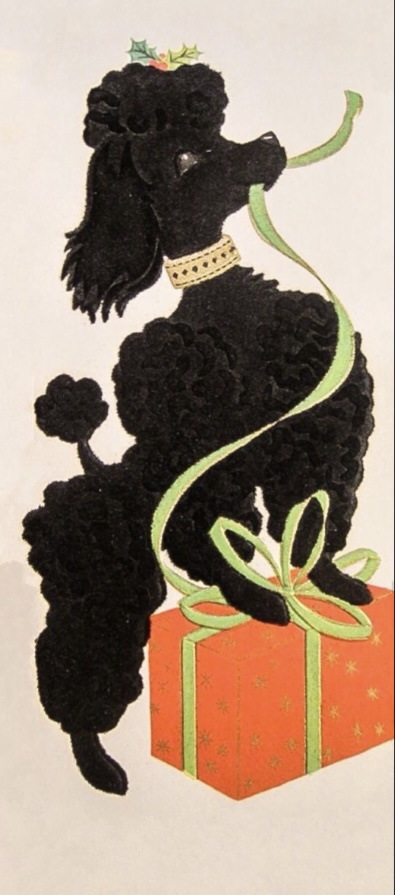
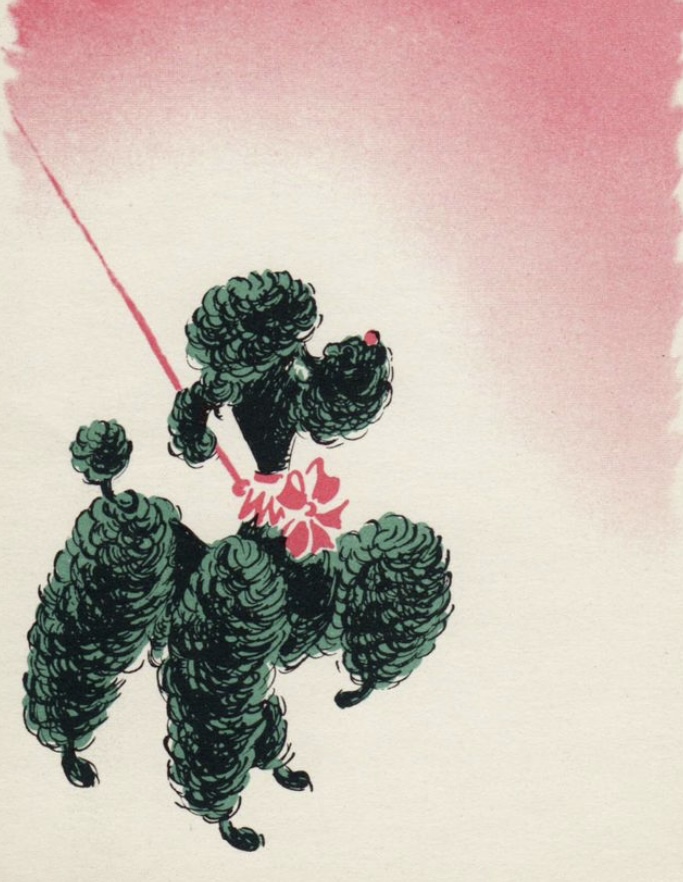
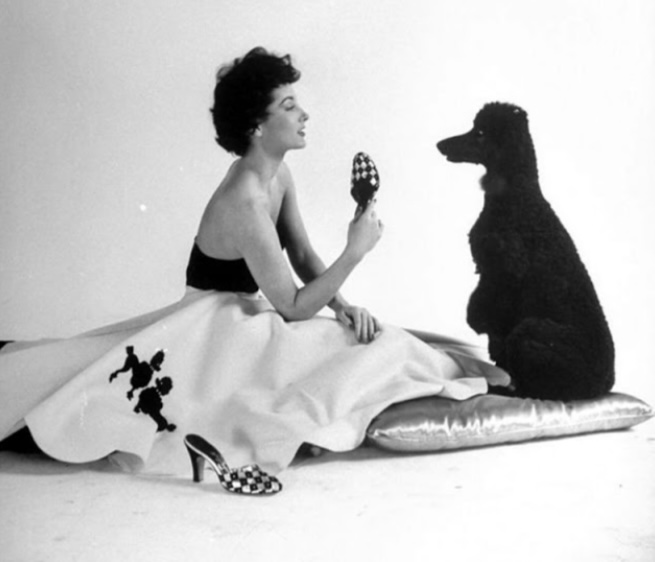
Dogs were hugely popular in the 50’s era art, however, it was only one particular breed that achieved stardom. Care to guess which breed?

The answer, of course, is poodles. How could I have momentarily forgotten my wonderful, circular, turquoise blue felt skirt with the strutting poodle dog?

I don’t think it is a coincidence that mid-century cats were generic cats and that dogs were represented by one breed. Only 42 breeds of cats exist, and they are all similarly shaped…minor variations on a theme. According to the American Kennel Club, there are 190 different dog breeds. The World Canine Organization recognizes 340 types.

Dogs differ dramatically in design from mastiffs to chihuahuas. Plus, they have been domesticated twice as long as cats, thus giving people much more time to breed them for human needs. Cats did not need to be messed with to be useful: they all catch mice, and they refuse to do anything else we might find helpful.

Here are a few pictures I’ve put together of 50’s cat and dog art. These “dog days” of August seemed like a good time to do this. As far as I know, no “cat days” are set aside in any month. I can only conclude the reason for this is that cats know every day is a cat day.

P.S. One other 1950’s dog achieved great fame. Click here to view.

4

Smiles

Every summer for the past 33 years, I have written and presented a program for children in libraries all over Wisconsin. And every summer when the programs are over, I say the same thing to my husband, “I wish I could do this all year long.”

It’s the perfect job for me. I get to do everything I love: research, write, interact with librarians and children and drive all over my beautiful state.

The reading theme this summer was “Oceans of Possibilities” and I decided to write “A Whale of a Program” about the ocean itself and some of the amazing creatures who live there. Here are three of the eye-opening facts I shared with the kids:

  • A blue whale’s tongue is the size of an elephant.
  • An octopus has 9 brains, 3 hearts and blue blood.
  • A new shark has been discovered that glows in the dark.

At the conclusion of all my programs, the children do an art project. This year’s project was colorful fish hand puppets. Their creativity and smiles were rampant. How could I not wish this summer of smiles to never end?

Check out their happy faces below.

5