Word

“Stay tuned, “the announcer said, “for the Word of the Year.”

Loving linguistics, I immediately found my brain speculating on what 2011’s hot word would be. Computer jargon and names of techie gadgets flooded my thoughts along with the sinking feeling that I might not even have heard the word. I do tend to be about a century behind in some areas.

I was wrong on all counts. The most important word of 2011, according to commentator and linguist Geoff Nunberg, turned out to be “occupy”.

Since I like the word occupy, I cheered that selection. Occupy dates back to the 14th century and means “take possession of” and “to take up space and time”. During the 16th and 17th centuries it was a euphemism for “to have sexual intercourse” which caused the word to fall out of favor from polite usage.

To be clear, I do not intend to sleep in a tent near Wall Street or anywhere else for that matter. I do not even sleep in a tent when on vacation.

But since our country has turned as surreal as Oz, I do intend to fully occupy my own life and protest injustice wherever it occurs. I’m looking forward to a busy 2012.

Happy New Year!

0

Eve

Christmas Eve is the only Jewish style holiday Christians have. I’ve always been puzzled why this phenomenon isn’t noted.

Celebrations on the night of December 24 are the most important of the year for millions of American families. Yet the day starts out as a normal, ordinary work day for most of the populace. Stores and offices, banks and restaurants are all open, the mail is delivered, traffic is jammed and life is normal.

And then, the magical transformation begins. As the sun sinks lower and lower, the wheels of commerce start shutting down. The ordinary day gives way to a magical evening. For children, the most eagerly awaited night of the year is upon them. It doesn’t start with a bang or a sunrise; it just fades into a different aura.

I shouldn’t be surprised.

Buying, acquiring and possessing are huge values in America. Logically, the frantic, excessive shopping will be extended to the last ray of daylight. But the madness does stop, if only for a few precious hours. The peace is palpable. Time seems to be suspended, and we can all return to a place where meaningfulness still exists.

0

Kitty

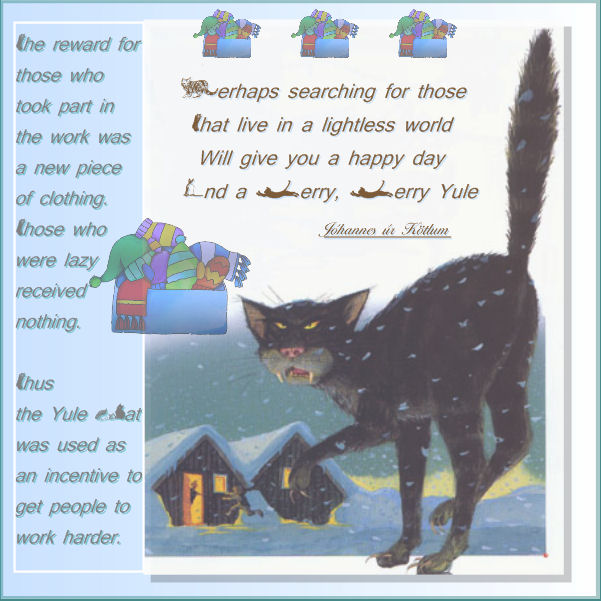
No one will ever call this cat “kitty”. While researching the Norse goddess Freyja and her twin, chariot-pulling cats, I stumbled onto a reference to the Icelandic Yule Cat, Jolakottur.

Visions of a sweet Christmas tale appeared in my head. A trip to Google quickly dispelled those notions. Iceland’s Yule Cat is a bad cat, no doubt about it. The gargantuan cat eats children, and that’s about as grim as it gets….pun intended. The only protection from this ferocious feline is to wear all new clothes on Christmas Eve. Most Icelanders do exactly that.

In Icelandic mythology, the Yule cat is the household pet of Gryla the ogress and her children, the 13 Yule Lads. Their stories must be saved for another blog as Gryla myths are numerous and date back to the 13th Century.

The Yule Cat myth most likely was created to make farm laborers work harder. The Masters stipulated that all the work with the Autumn wool be completed before the Yule. The hard workers were rewarded with a new piece of clothing while those who were lazy were told by the gentry that they would be eaten by the fiendish Yule Cat. The cat would recognize those who were behind in their chores: their clothes would be old and worn.

In our household we have one cat named Taj who looks exactly like the black Yule Cat with his yellow eyes. But Taj is sweet, and I think we will survive the holidays without donning all new clothes.

Unless you are a curmudgeon, click here for an absolutely delightful short video from Iceland about the infamous Yule Cat.

0

Universal

My daughter is the universal woman. How did this state of affairs come to be?

Granted, our daughter is a woman of varied talents. Her first career was in hotel and restaurant management. She can feed 500 people and be nonplussed. This career ended on the way to the hospital when she was in labor with her second daughter. The owner of the B&B and restaurant that she managed repeatedly called her en route to the hospital with work issues. Clearly, when you can’t have time off to deliver a baby, a new career is called for.

Managing big box stores seemed more promising. The hours are brutal, but the behemoths do close for a few hours each night making a wee break possible.While managing Gap and Marshall Fields stores, our daughter became the universal woman, and it happened every Christmas Eve.

“The real desperate shoppers come in on Christmas Eve Day,” our daughter notes. “They have left everything for the last possible moment and don’t care what presents they buy. Anything stuffed into a box will do.”

With eyes glazed over, these last minute shoppers, mostly men, would ask our daughter for suggestions.

“What size does your lady wear?” she would ask.

“Why,’ the answer would come with lightning speed,”she’s your size.”

How amazing that our little girl grew up to be the universal woman.

0

Beauty

No English phrase exists for the Japanese concept of wabi sabi. My favorite explanation is found in a children’s book by Mark Reibstein. This lovely book, entitled Wabi Sabi, is about an unassuming brown cat of that name.

When the cat asks her mistress and various animals the meaning of her name, they all reply,”That’s hard to explain.” Finally, a wise old monkey in a pine grove prepares tea for her and proclaims,”simple things are beautiful.” As Wabi Sabi sees her reflection in the tea bowl, she realizes that, although plain, she is beautiful as well.

I recently read Wabi Sabi to a group of fifty first and second graders and, to my delight, many of them grasped the idea.

Researching further, I came upon this description:

“Wabi sabi is the Japanese art of finding beauty in imperfection and profundity in nature, of accepting the natural cycle of growth, decay and death….it is underplayed and modest, the kind of quiet, undeclared beauty that waits patiently to be discovered.”

Wabi sabi had its origins in ancient China, entering Japanese culture with Zen masters. In particular, Sen no Rikyu of Kyoto built a teahouse with a door so low that even an emperor would have to bow down to gain entrance.

Wabi stems from the root wa which refers to harmony, peace and balance. A wabi person is one who is content with little and in tune with nature. Sabi pertains to the temporal nature of all things, the fleeting nature of beauty.

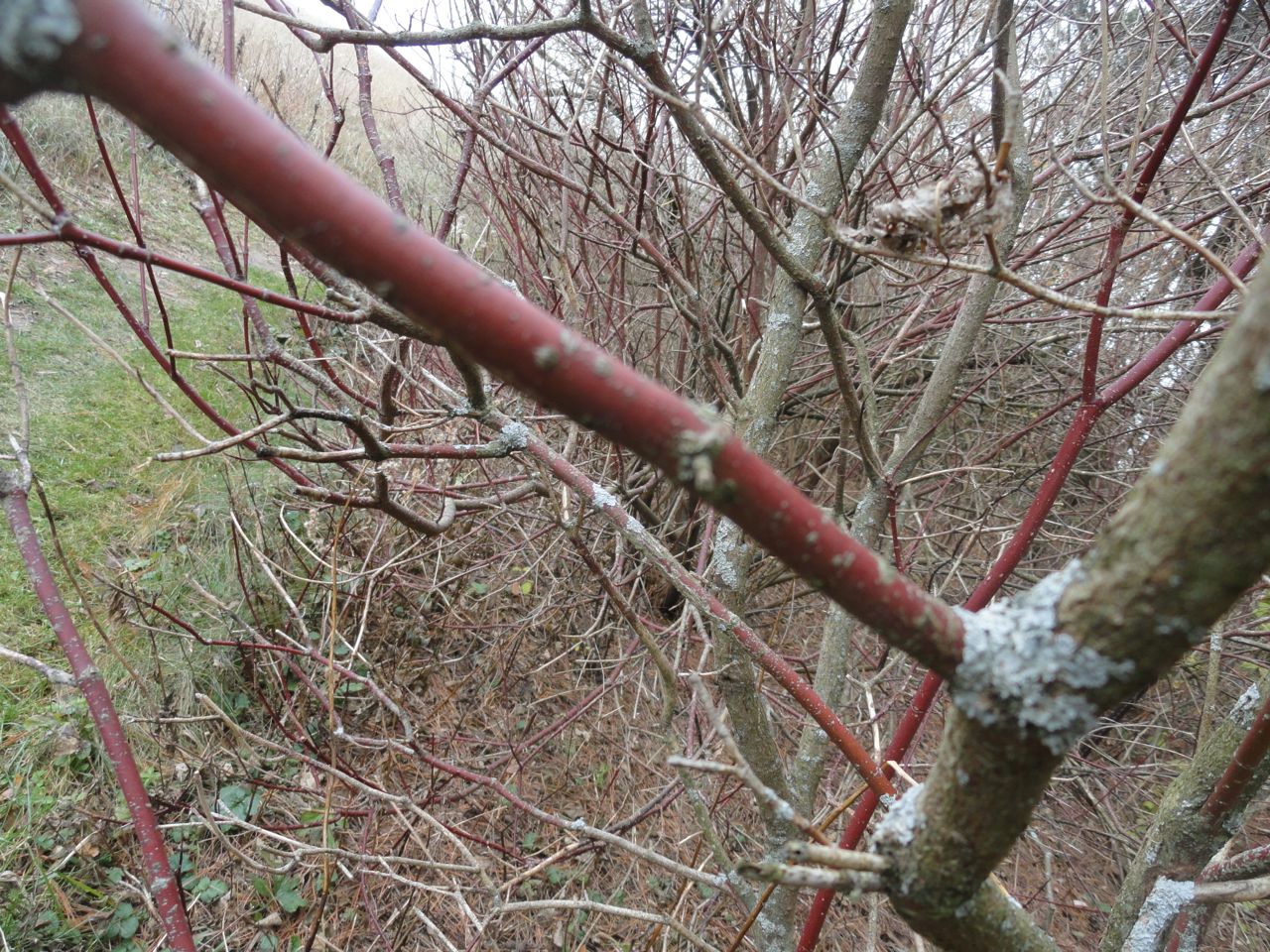
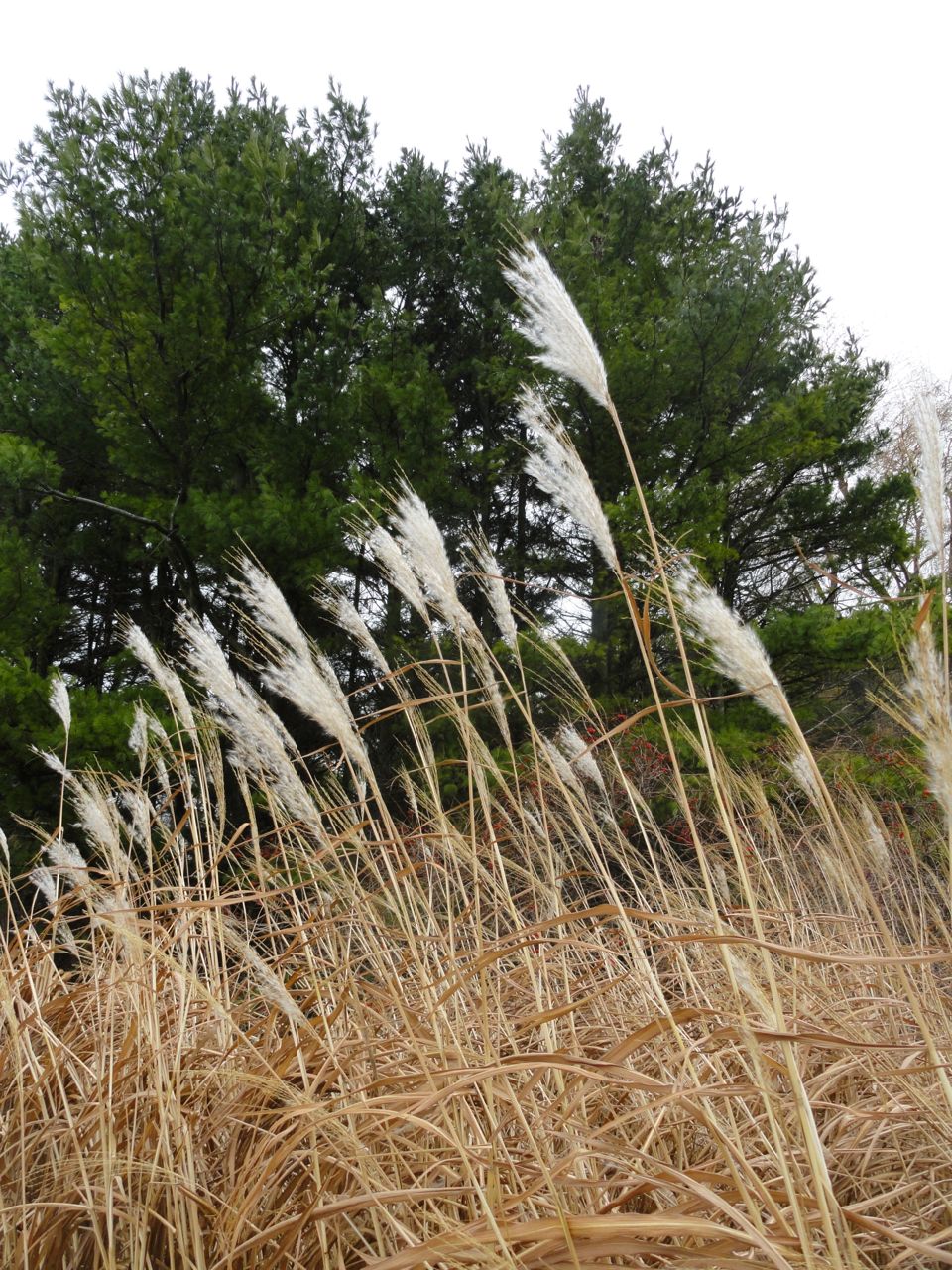
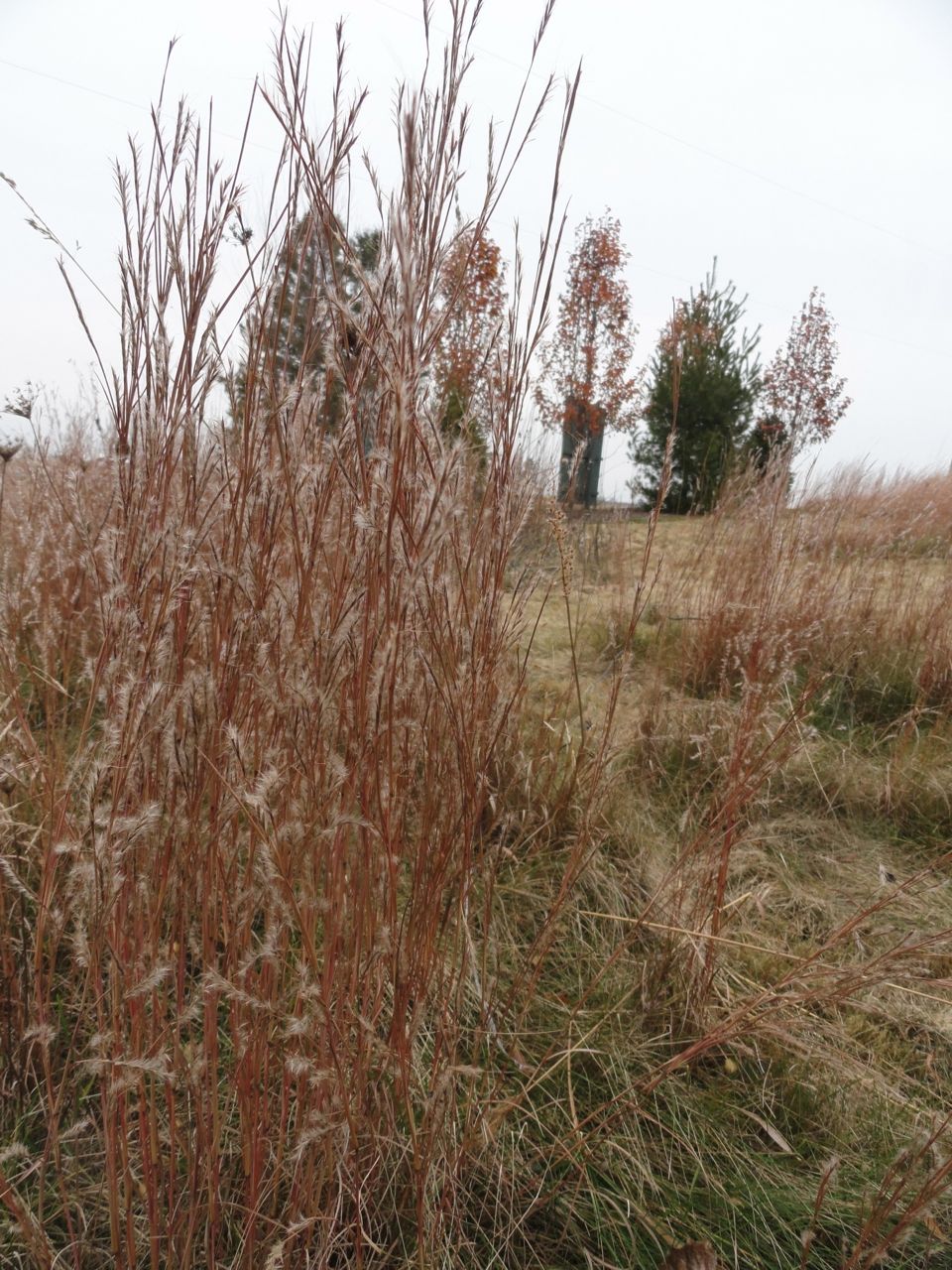
Wabi sabi can be found in weathered wood, the patina of old silver, rust, shadows and fallen leaves.

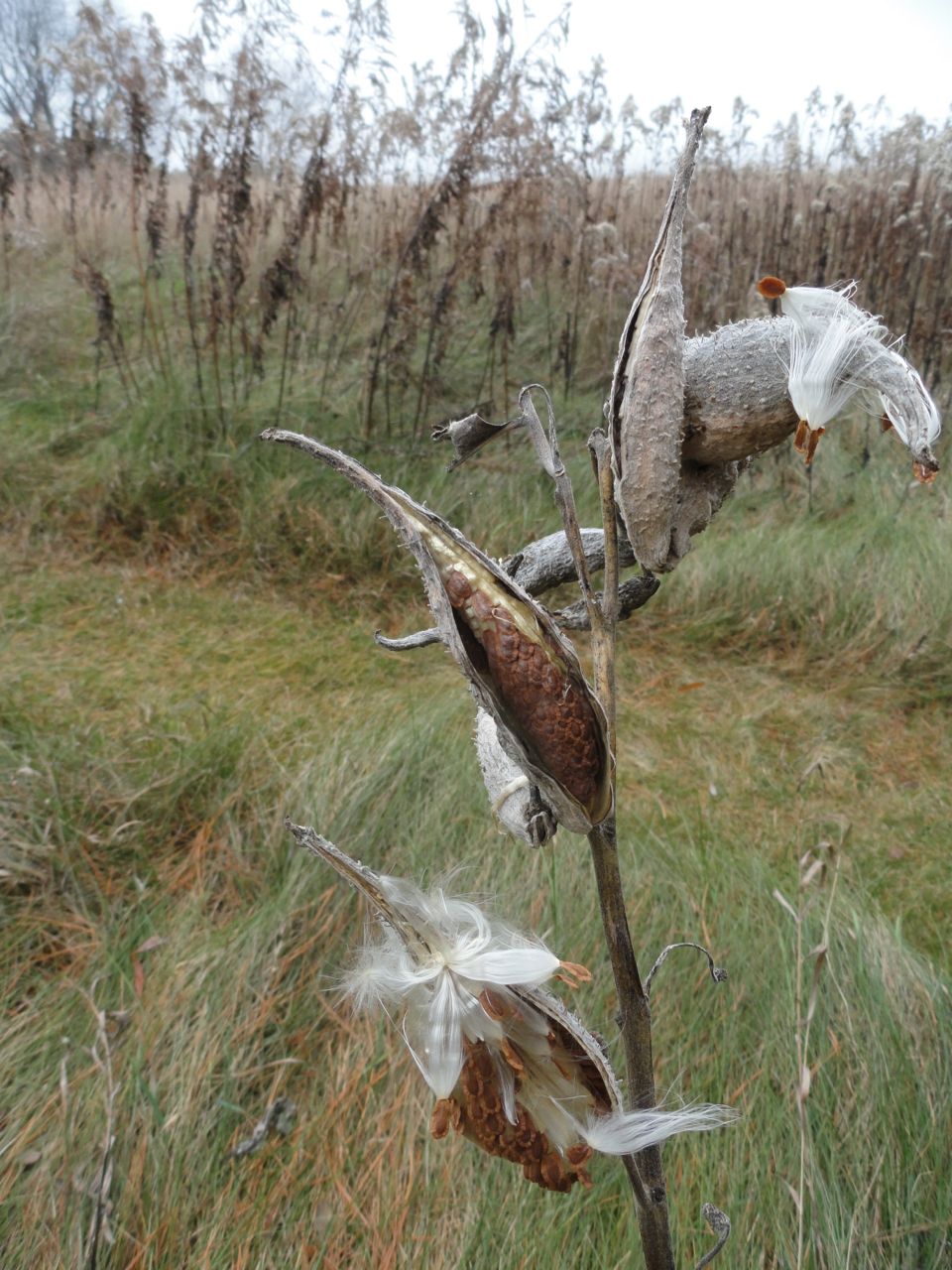
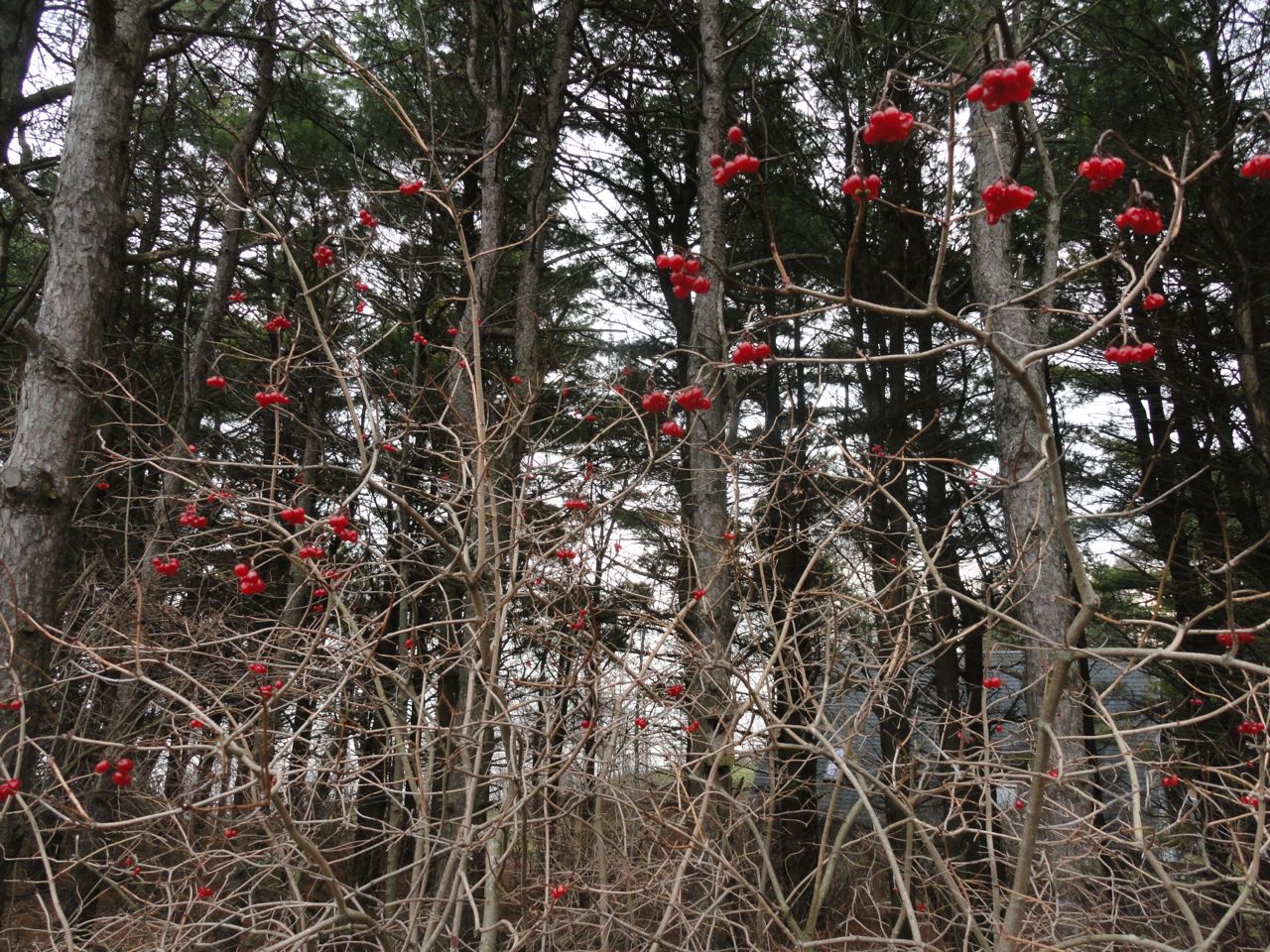
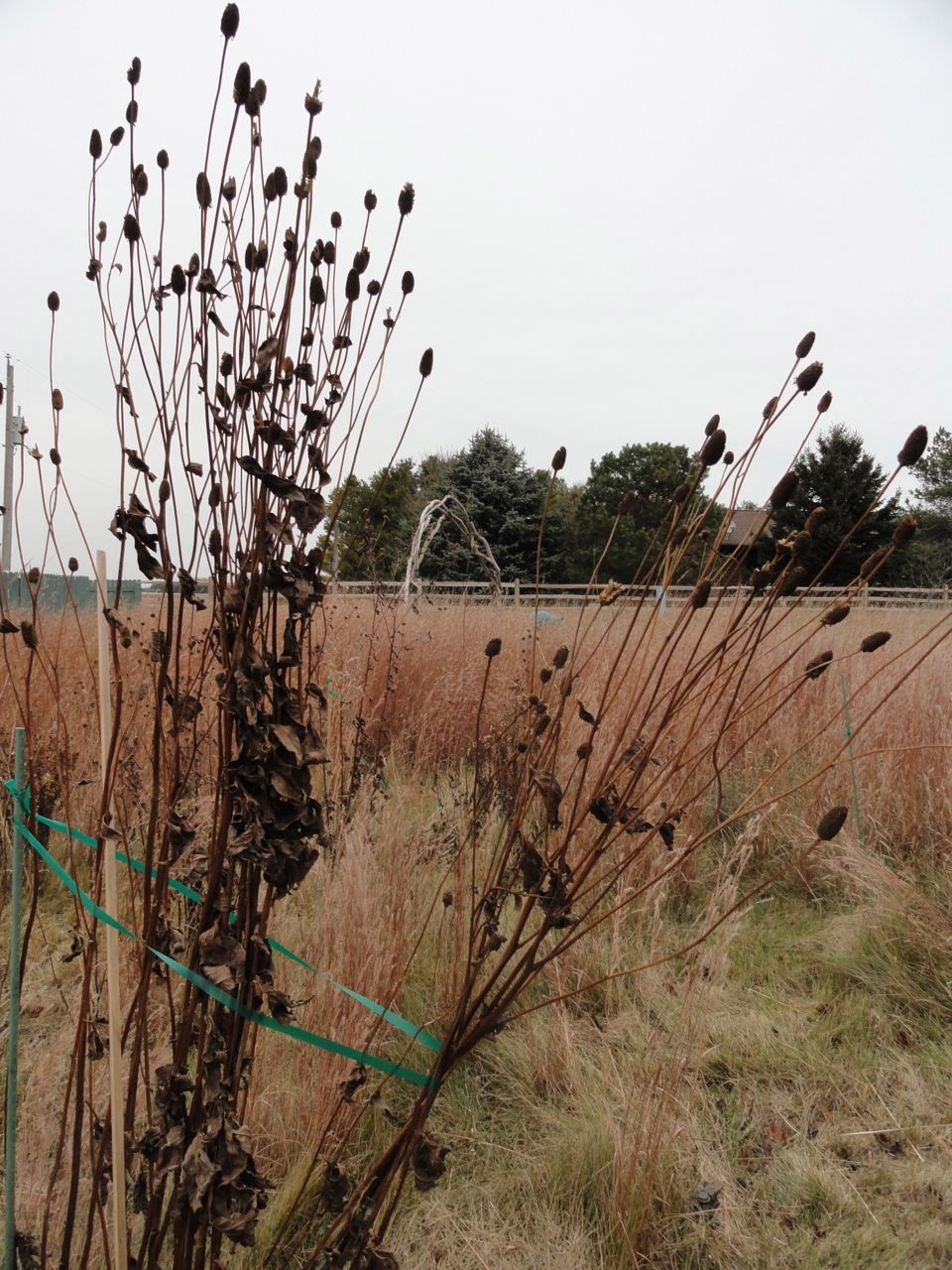
November is a wabi sabi time of year. The technicolor lushness of summer flowers and fall leaves has fled, yet the first glittering blanket of new snow has not yet transformed the landscape.

Bare umber seed heads
Silhouettes on leaden skies
Finches are busy.

0