Flowering

In college, I chose botany over zoology figuring I would find more joy in dissecting plants than dead animals. This fortuitous decision gave me more than three credits. It gave me a life-long love of botany. Summer has just arrived, and what better time for a refresher course in Botany 101… minus the exams.

For starters, 90% of all the plants on earth now are angiosperms or flowering plants that have seeds enclosed in fruit. This phylum contains approximately 300,000 species which are grouped into 416 families. However, over one-fourth of all the flowering plants are in the top three families.

Ask a small child to draw a flower, and the flower will almost always be in the aster family, Asteraceae, the largest plant family with 24,000 species. It’s the classic flower design, a round center with petals radiating around. Our gardens overflow with this family: asters, sunflowers, daisies, dahlias, chrysanthemums, marigolds, zinnias, cosmos and dandelions. But we can also eat some of the family members, lettuce and artichokes.

The orchid family, Orchidaceae, is the second largest plant family with over 20,000 species. Most orchids like it hot, growing in the tropics. And the majority of orchids are epiphytes or “air plants”. They attach themselves to trees in the rainforest to get more light. Needing no soil, the roots dangle in the air taking in the moist air and rain. Around 200 species of orchids are native to the United States, of which 50% call Florida home.

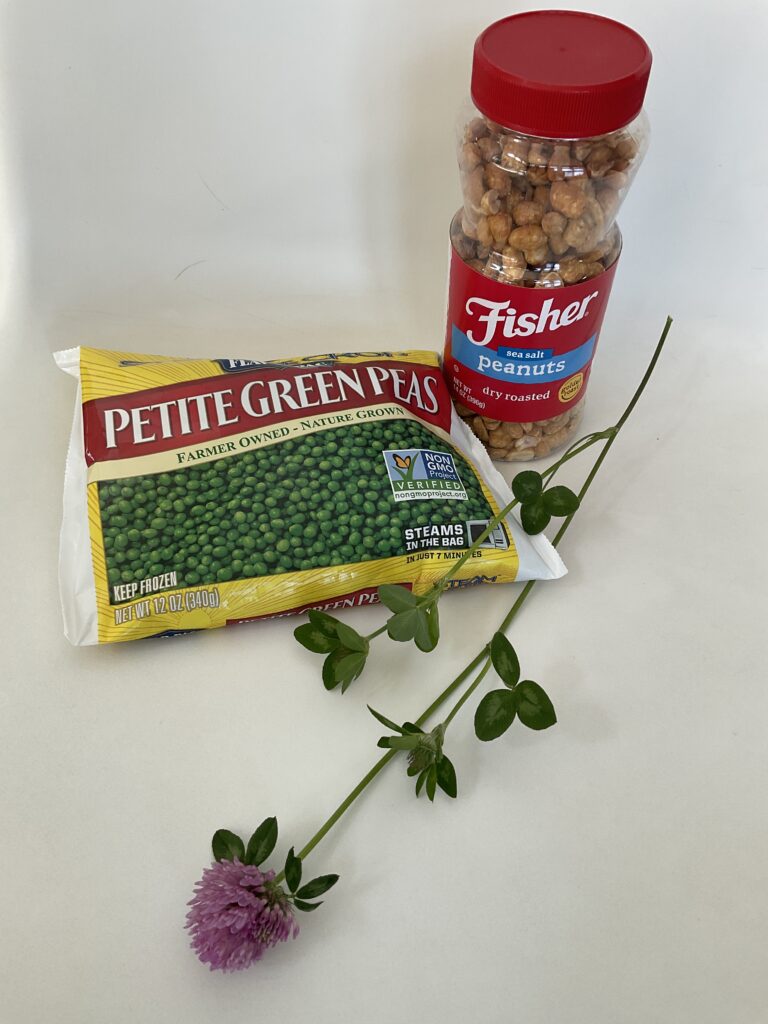
If you like pea soup or bean burritos, thank the third largest plant family, Fabaceae, the pea and legume family with 18,000 species. Members include peas, all sorts of beans, clover and alfalfa. Peanuts are family members, too, and they form in an unusual way. “Flowers develop near the ground. After the flowers have self-pollinated, its developing fruits force themselves under the ground first vertically, then horizontically. Its fruits then continue developing underground until they mature.”
Humans would not survive without the fourth largest plant family, the grass family, Poaceae. Its 12,000 species include the major worldwide food sources, wheat, corn, rice, oats, rye and sorghum. Bamboo is also a grass. Ponder this: A person can sit in a bamboo house on a bamboo chair at a bamboo table and eat bamboo shoots off a bamboo plate. And this story could go on and on.

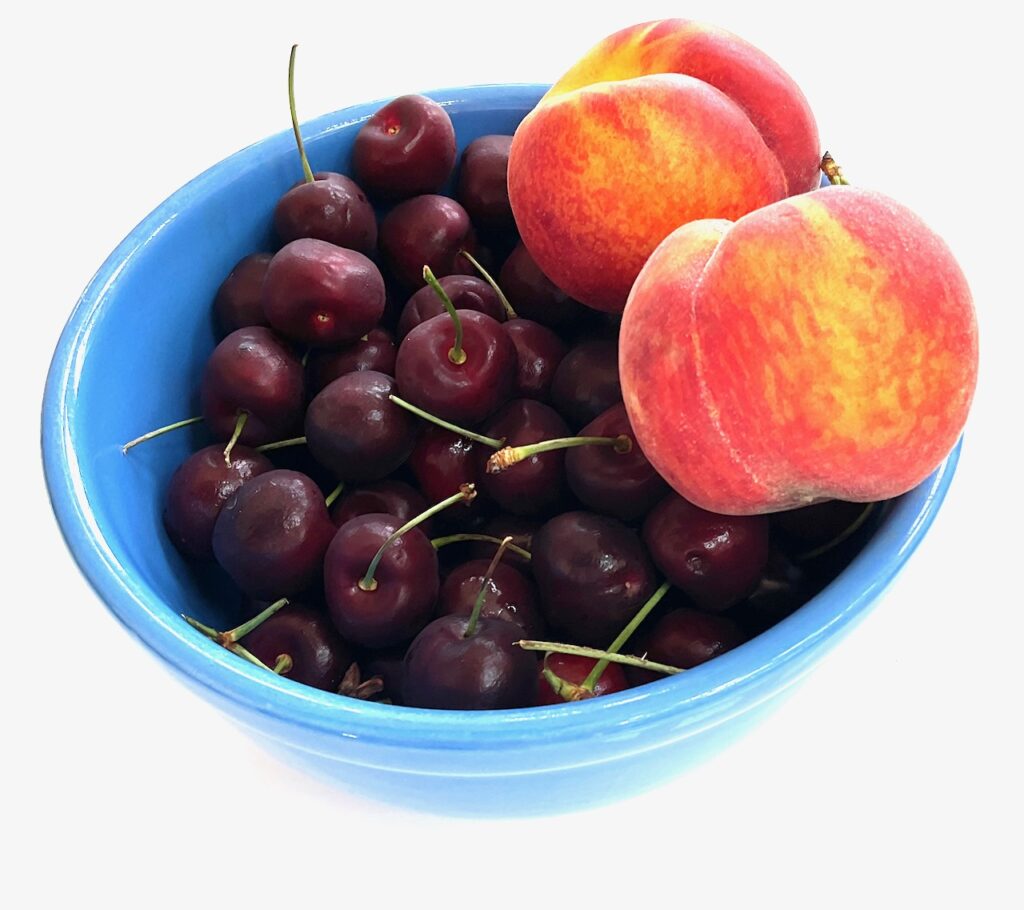
And last, I’ll end on a note of sweetness. Rosaceae, the rose family, has over 2,500 species. How can a summer day get better than this…smell the roses while eating a ripe peach? Or perhaps you would prefer a plum, pear, apricot, apple, strawberry, raspberry, cherry, blackberry or almond. The rose family is the taste of summer.

5

Doors

Doors are invitations. They beckon and cajole. Enter. Come in. See what lies within.
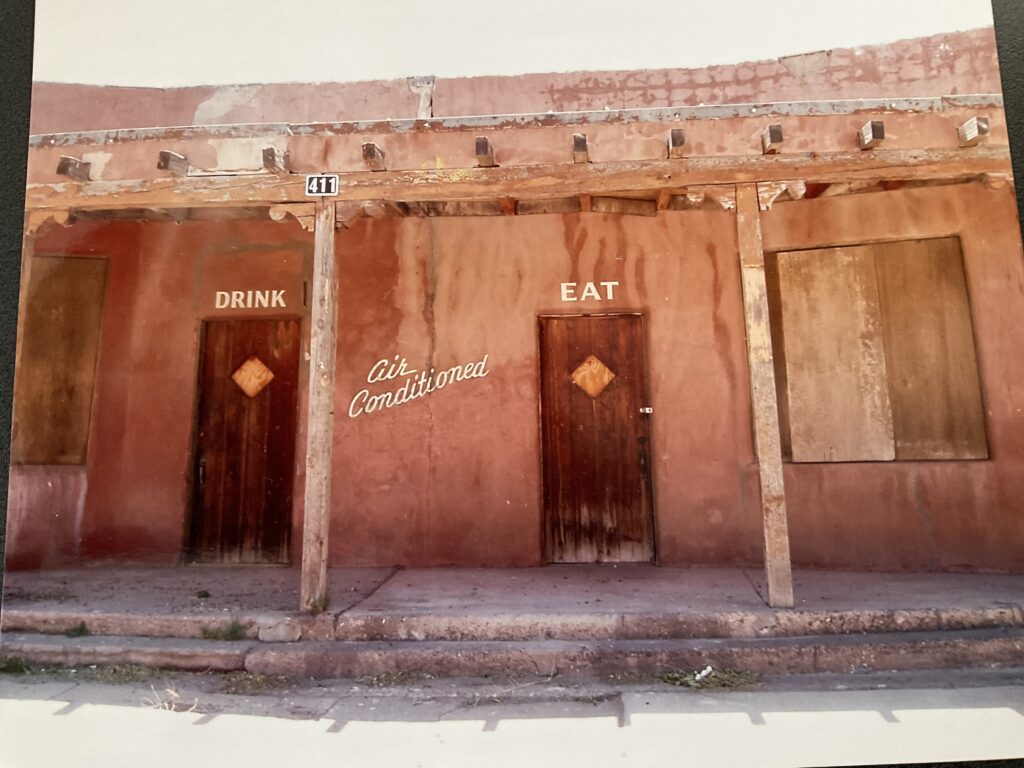
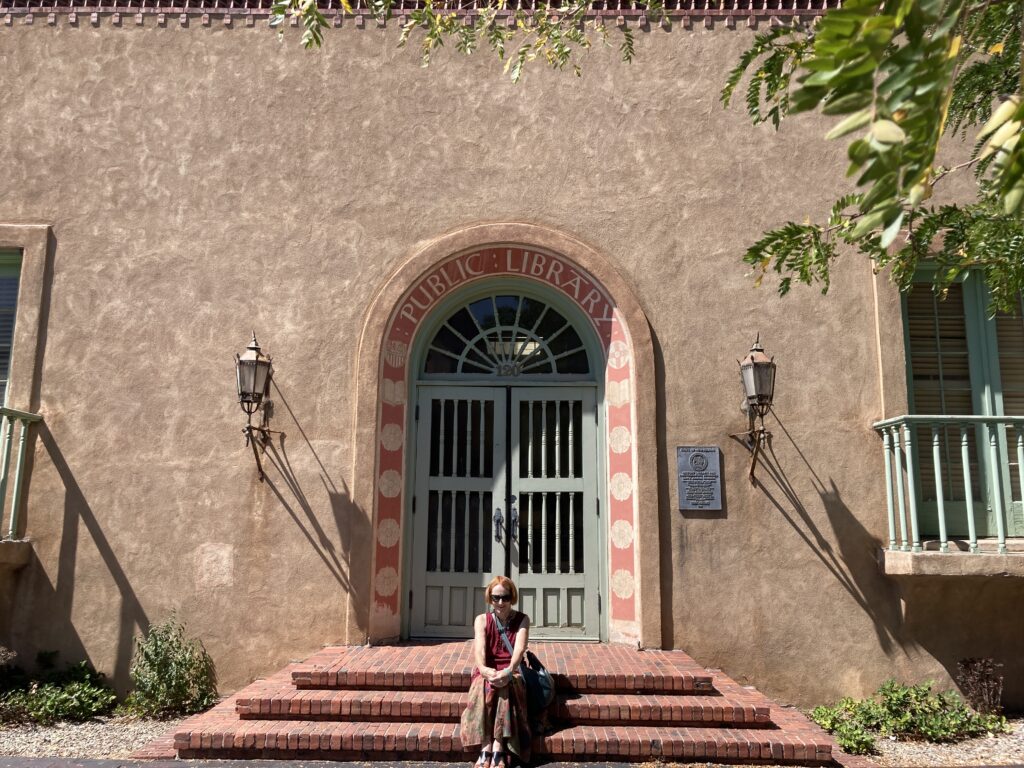
Down through the years, my husband and I have been drawn to doors and have photographed or posed with them on our many travels. We never set out to make a portfolio of door pictures. Each photo was merely a spontaneous moment, an invitation that could not be resisted.

With the advent of social media, I’ve noted that we are not alone in our attraction to doors. Splendid doors are universal subject matter for both amateur and professional photographers.

Here is our collection of doors. Have you met any good doors recently?

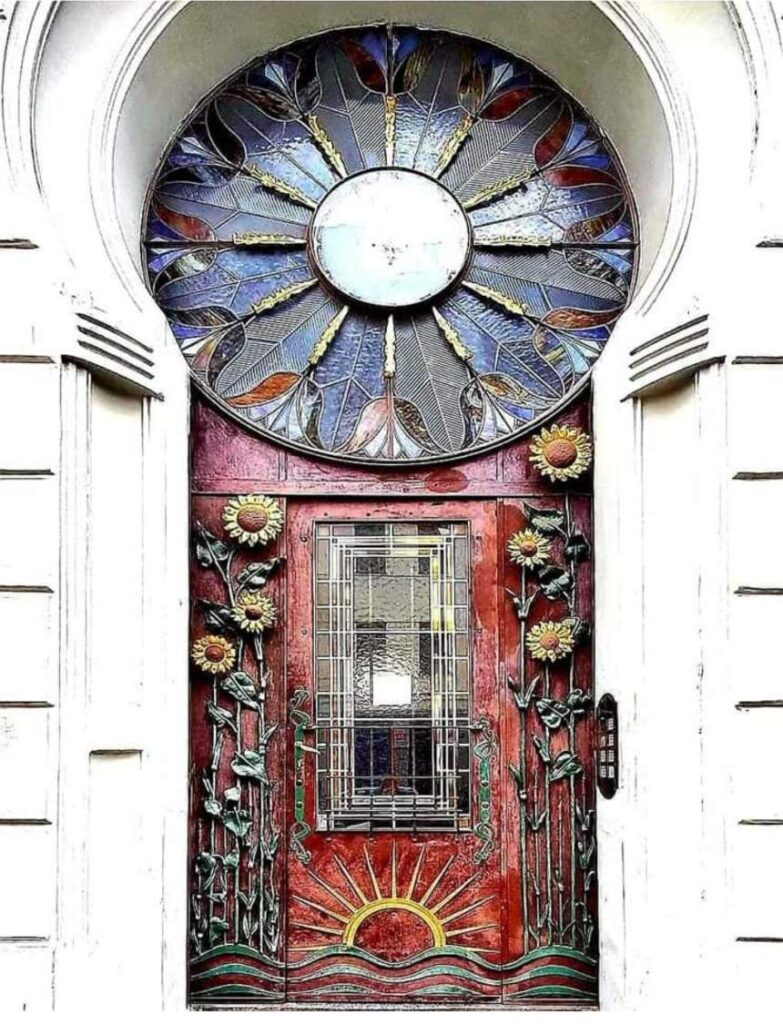
And finally, here are two doors in the Czech Republic that we have not met in person but would love to visit. The first was embellished by Anna Kasparkova, a 90-year-old Czech grandma who decorated houses in her small village. The second photo is the Sunflower door in Prague.

5

Catty

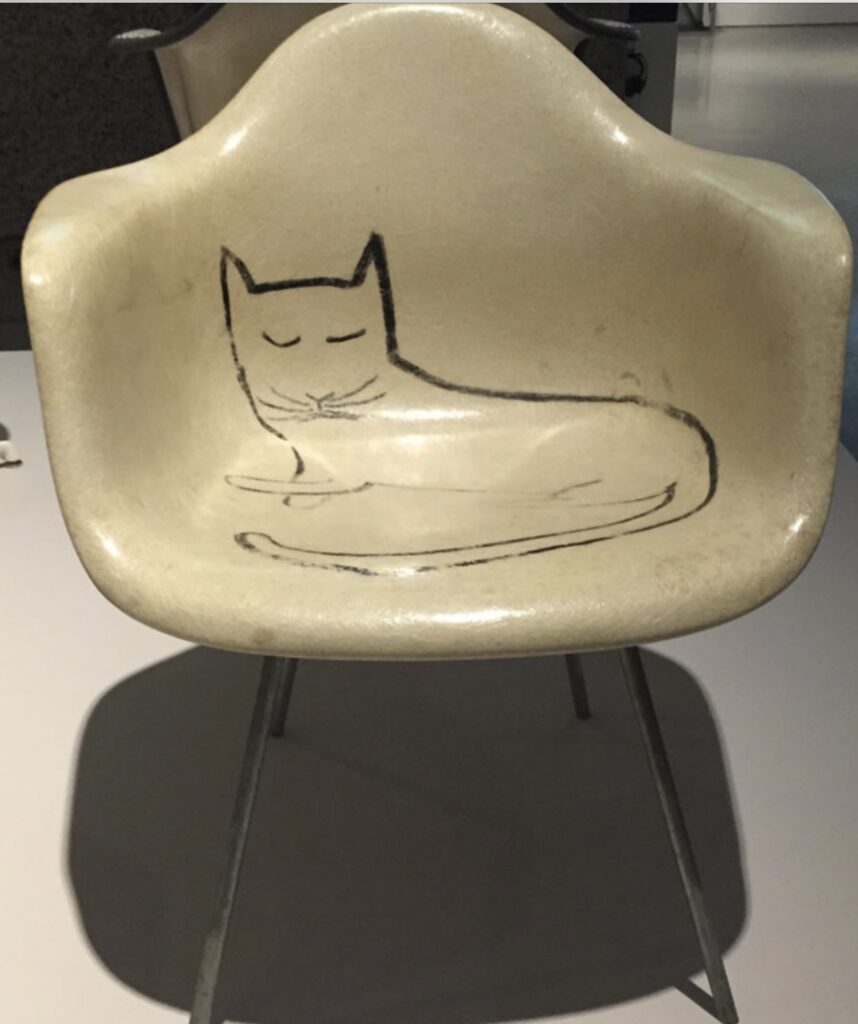
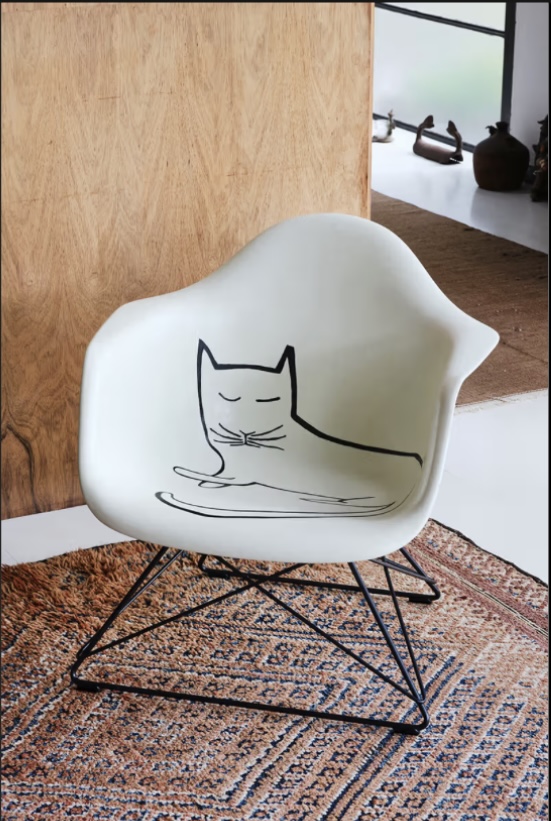
I recently saw a chair which I am longing to buy. It will be produced in a limited number of 500, of which only 180 will be available in the United States. Unfortunately, I’m priced out…it’s selling for $2,500.

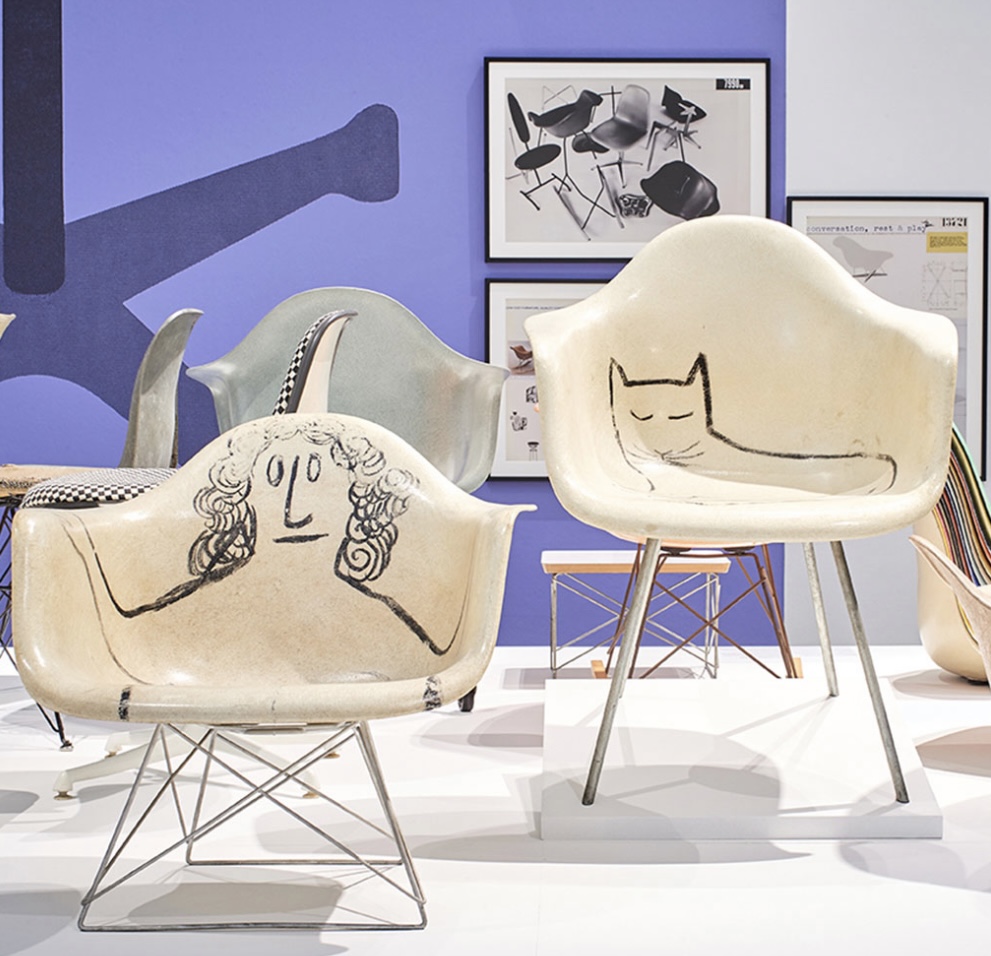
This unique piece of furniture is one of Charles and Ray Eames’ iconic designs. Known as the shell chair, it was developed in the 1950s using the Eames’ innovative plastic molding techniques.

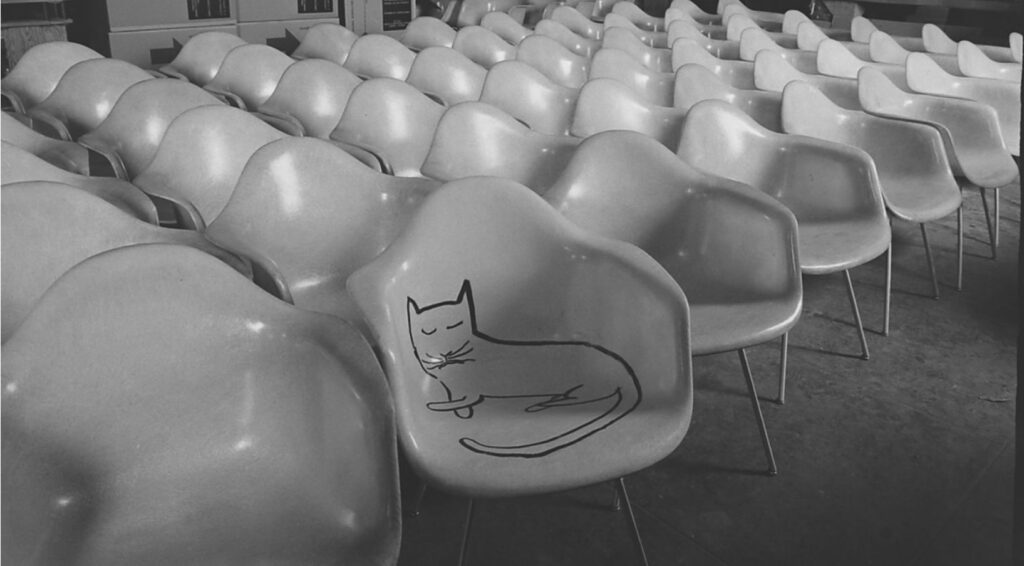
Shortly after the chair’s creation, Saul Steinberg, the witty artist best known for the 1,200 drawings he created for the New Yorker magazine, visited Ray and Charles in their Venice, California studio. In a playful moment, he grabbed a paintbrush and started painting his famous line drawings all over the walls, floors and furniture. The couple viewed this “vandalism” as good fun and documented the event with photographs.

Cats were one of Steinberg’s favorite subjects, and he painted one resting in the newly created shell chair. Now, nearly three-quarters of a century later, furniture makers Herman Miller and Vitra are producing exact replicas of that whimsical chair.

Ben Watson, the president of Herman Miller, states, “Being able to celebrate some of the most revered names in art and design from the 20th century through the recreation of one piece is truly special. This chair embodies the joy in Herman Miller’s approach to modern living”.

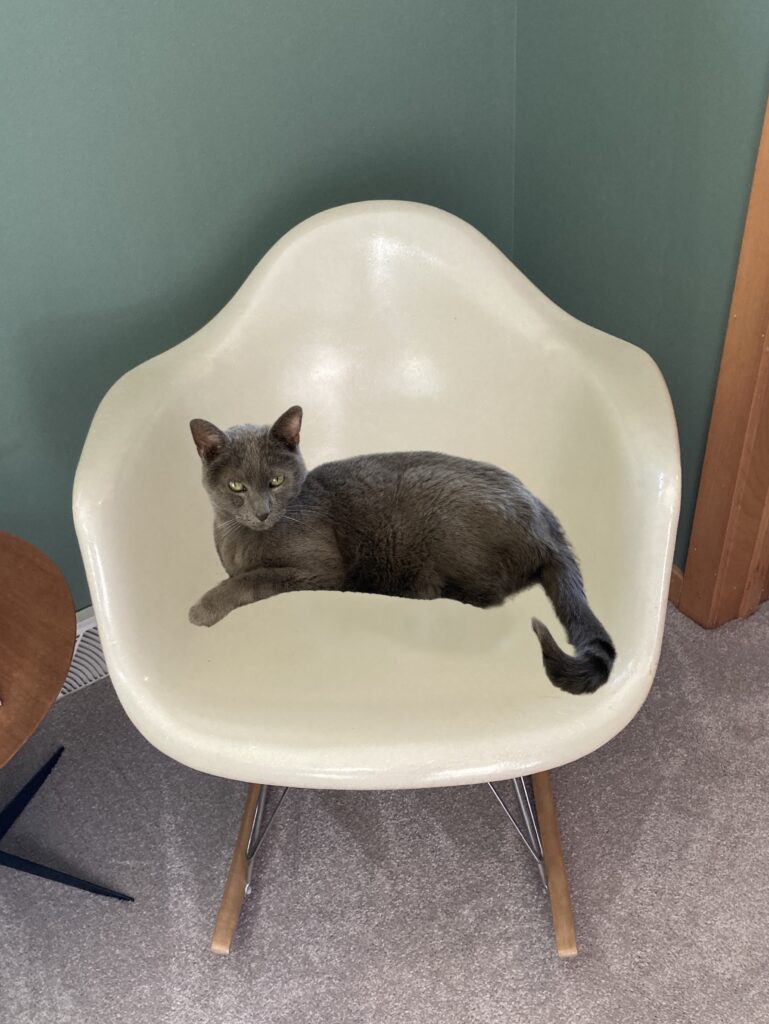
I may not have the funds for the feline chair, but I do have an Eames shell chair. And it is often embellished with a cat…a real one.

5

Umbrellas

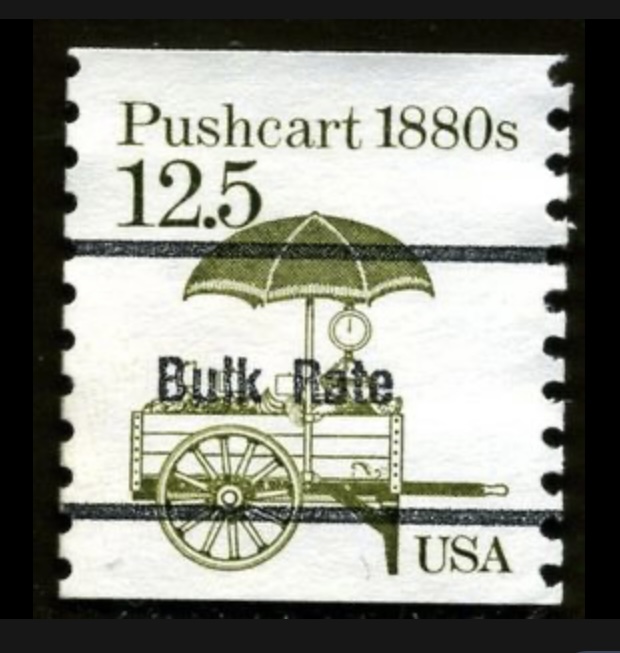
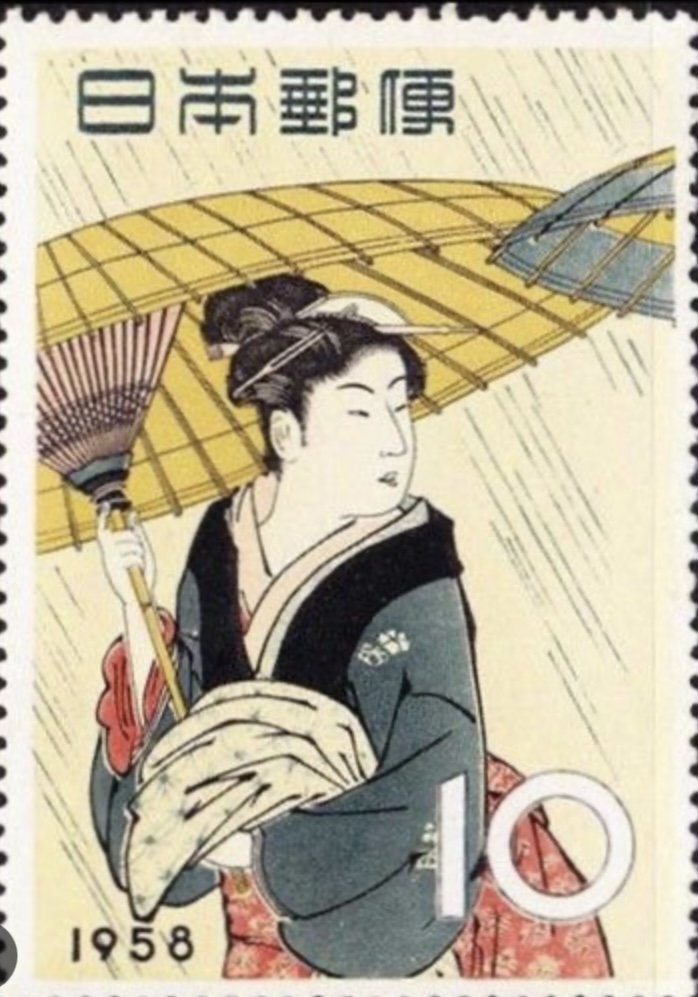
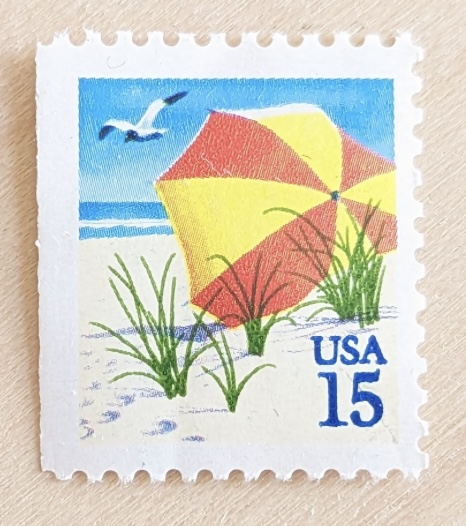
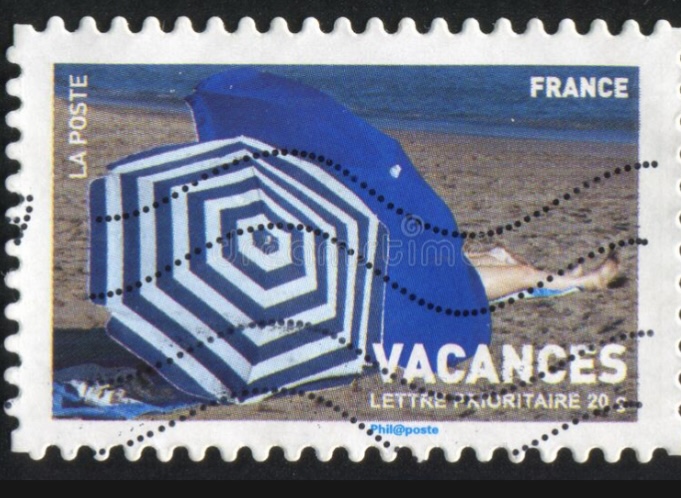
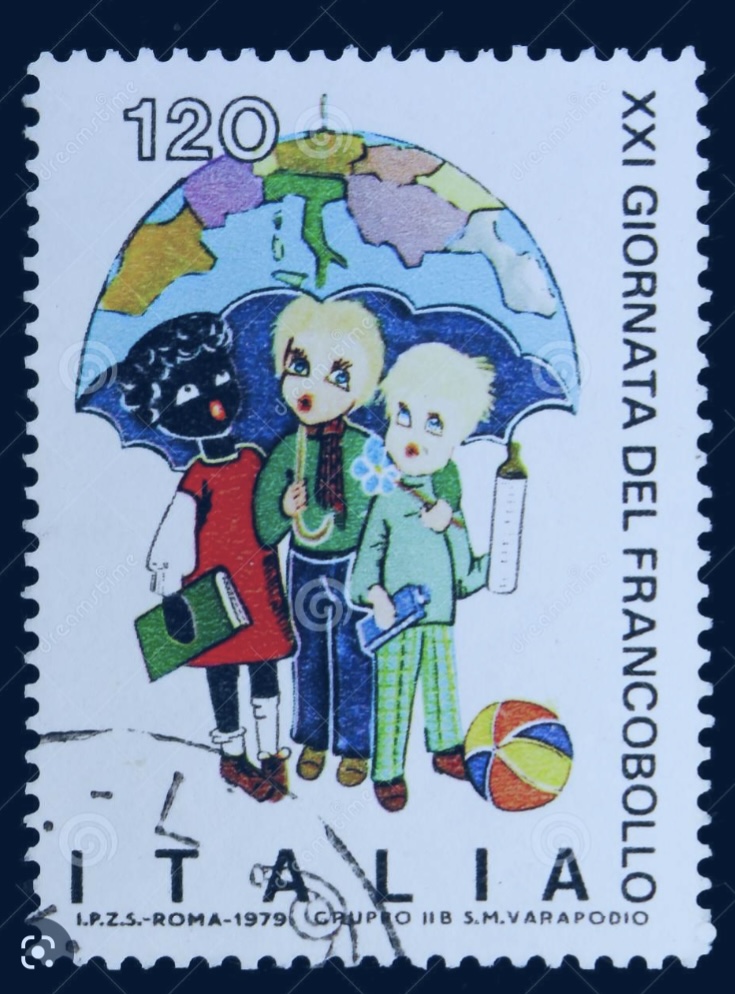
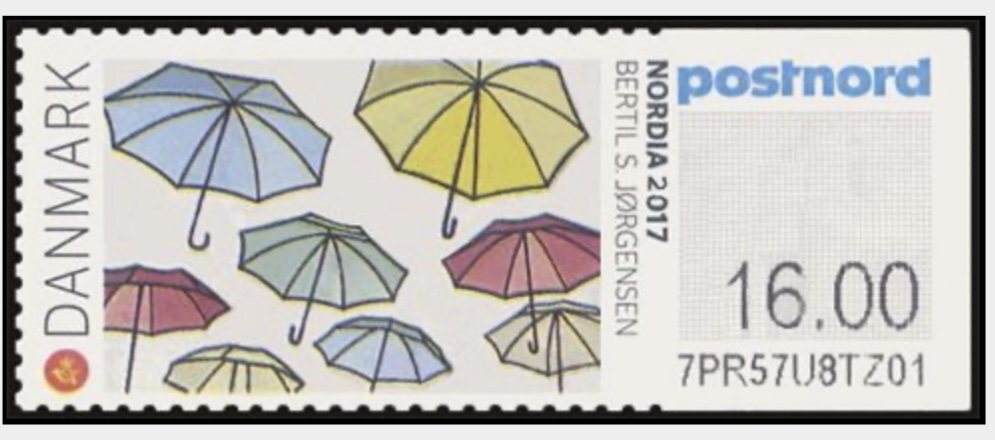
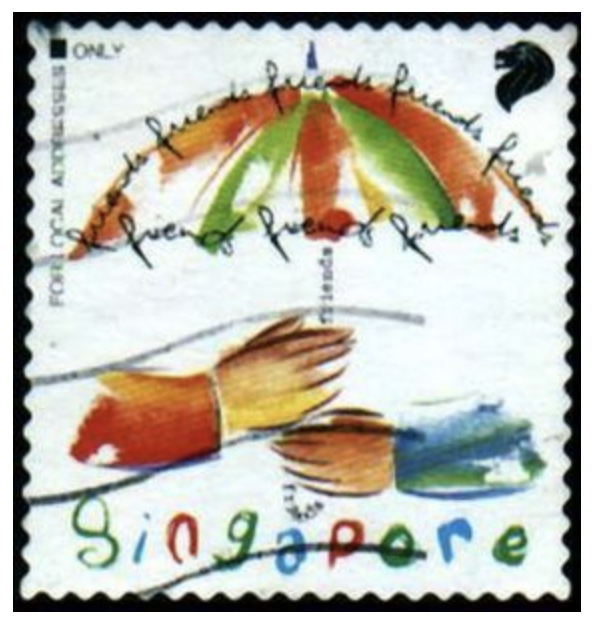
I once was hired to do a children’s program at a huge stamp show. After working, I wandered through all the exhibits and found them fascinating. Stamps are, in essence, miniature works of art.

Not being a collector, I was surprised to learn that some highly unusual themes can be the basis of a collection. And one of the highlighted themes at this particular show was umbrellas. It was an eye-opener.

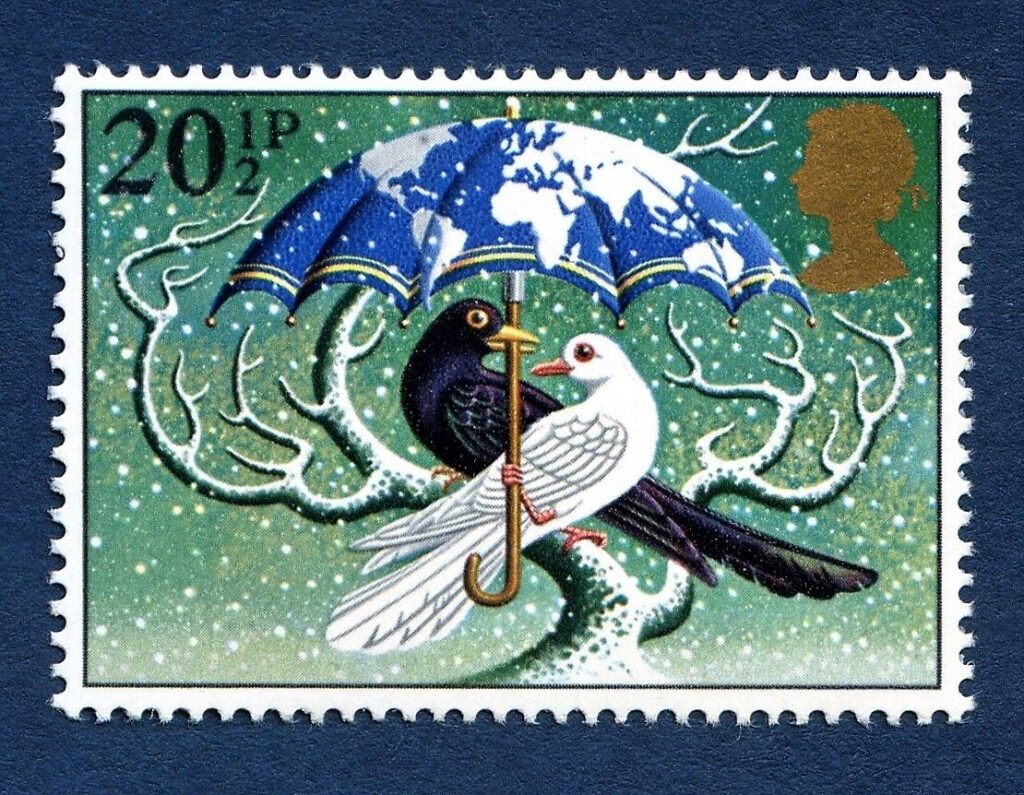
My initial thought was, “How many countries would issue stamps honoring such a mundane object as an umbrella?” Lots, it turns out, and that is because umbrellas are not at all mundane. Their uses go way beyond merely keeping our heads dry in a downpour.

I have created a small gallery of some of my favorite umbrella stamps from around the world. May their beauty and creativity make your day sunnier.

5

Dumped (Part 2)

A few weeks back, I devoted my blog to the tragedy of 2,352 cans of beer being dumped for the crime of masquerading as champagne. Little did I realize that I would be writing so quickly about another flagrant dumping incident. This event, however, involved pasta, and the scene of the crime was New Jersey where all sorts of weird stuff happens.

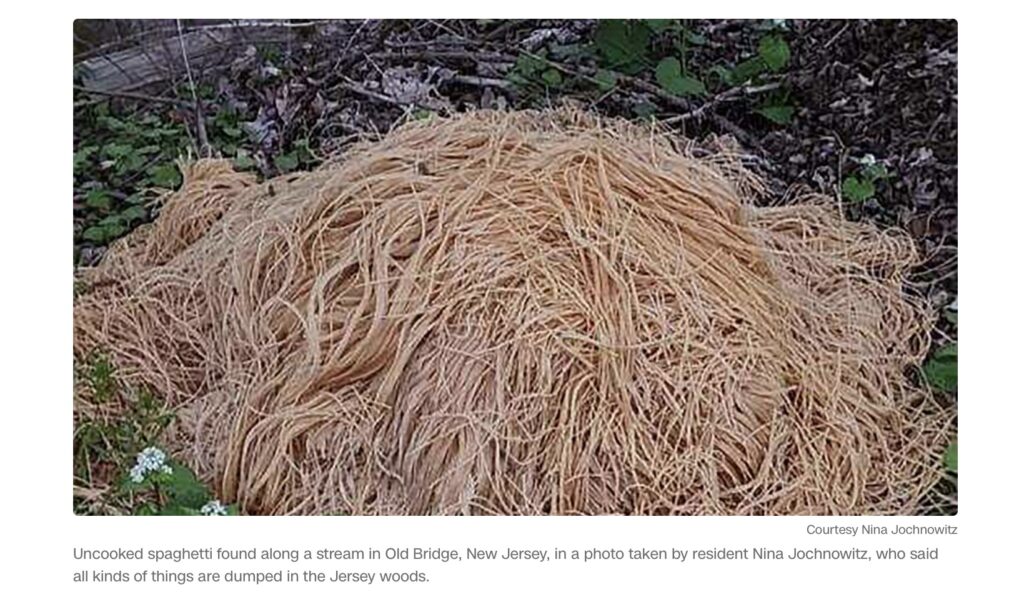
Heaps and piles of various types of pasta, 500 pounds of it, mysteriously materialized beside a stream. There was enough of Italy’s finest to fill 14 wheelbarrows. The pasta appeared to be fully cooked, but some savvy resident figured out it was dumped raw. Heavy rains had simply made it go limp.

The mystery was quickly solved. A veteran was cleaning out his mother’s house which was up for sale. She apparently did not want to run out of pasta during the Covid lockdown and had stocked up.

I hate to think what would have happened if another hoarded Covid item, toilet paper, had been dumped. Our son and his friends used to decorate the yards of football rivals with toilet paper. We made it crystal clear to him that if our yard got hit in revenge, he would be cleaning up the mess before it rained. Ditto for other properties if we received complaints from the parents of rival team members.

The pasta was removed by town workers with no negative environmental impacts. But when the story went viral, social media did light up with funny comments.


“They thought they had a suspect, but turned out to be an impasta.”

“Lead suspect is a guy named Al Dente.”

“Don’t forget his partner, Lin Guini.”

And my favorite…

“No one dumped anything, pasta is indigenous to the woods of New Jersey.”

3