Hands

I’m an art teacher and a firm believer in the amazing creativity of children. My first goal for my  youngest students is to keep their spontaneous, delightful art pouring out of them for as long as possible.

Naturally, I abhor coloring books, stencils, patterns and gimmicks that show kids how to make copy cat “art”. In an ideal world, adults inspire young artists to express themselves.

This introduction brings me to a classic example of how to destroy children’s  natural drawing abilities. I seethe when I see it: the turkey hand.

The children are taught to draw around their hand and turn their thumb into a turkey head and their fingers into feathers of prescribed colors. Many children shown this gimmick will never draw an original turkey again……why think about how to draw something if you don’t have to? That’s dumbing down, turkey style.

I was recently doing a class on landscape drawing with middle schoolers who never had an art teacher  during their elementary school years. As I was walking around the room looking at the evolving drawings, I was stopped cold at one student’s desk. An eighth grade boy was tracing around his hand making a landscape of turkeys.

“Guess what?” I said as gently and unobtrusively as possible. “Turn your paper over and draw anything original and I’ll be the happiest art teacher in the world.”

I don’t expect older kids all to be proficient artists, but I do want them to know what art is …….and isn’t.

I once suggested to a group of my young students to draw a picture of  ” Turkeys on the Tundra”.  These are my kind of  turkeys; did you know they rode snowmobiles?
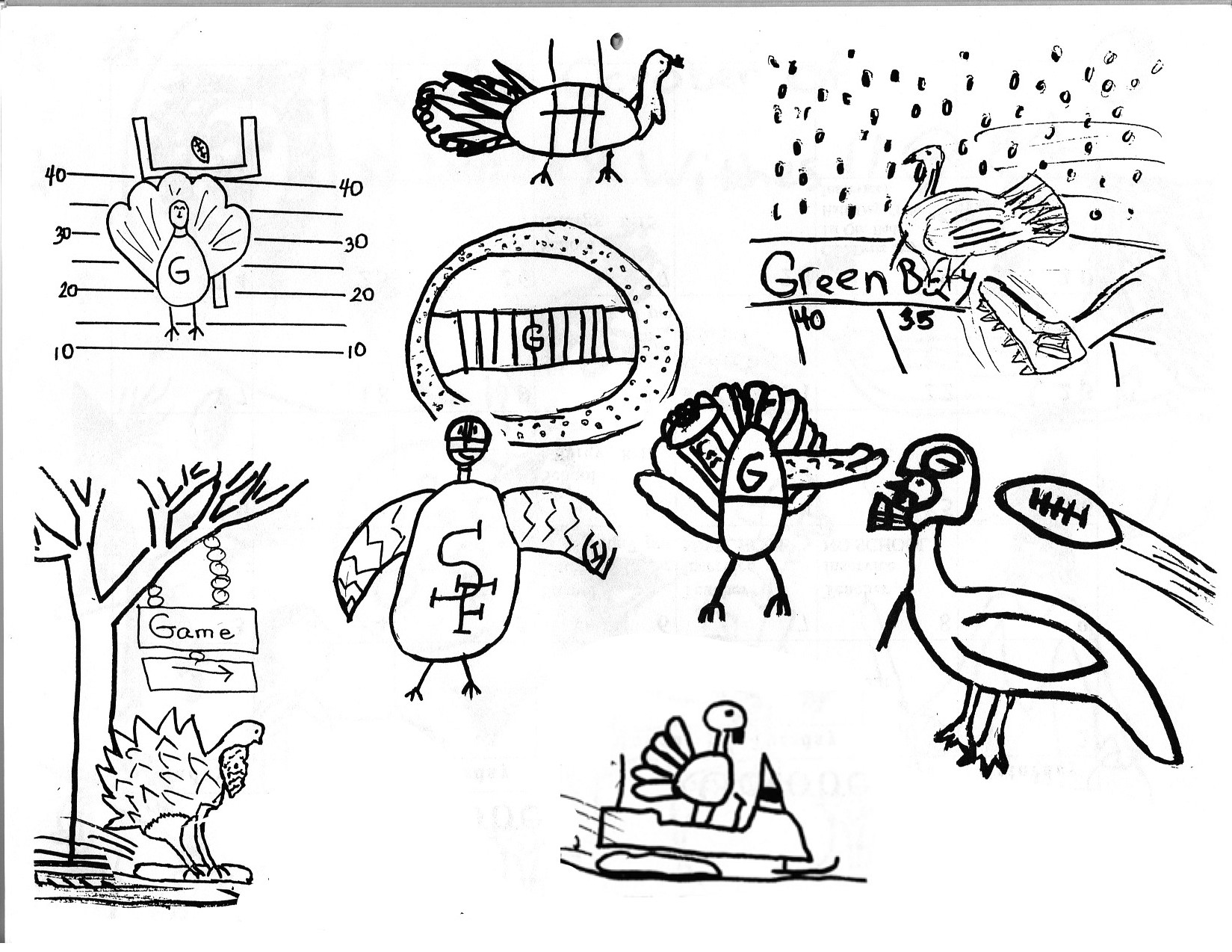
Turkey Hands 2

0

Treasures

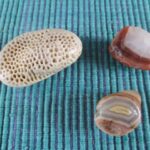
I’ve been a beachcomber all my life. As a child, spending a day on the Lake Michigan Grant Park Beach was bliss. I spent hours searching for treasures; unusual rocks, fossils, shells and beach glass.

My ardor hasn’t cooled one bit now that I live with a beach in my front yard. In fact, the number of treasures that I search for has expanded.

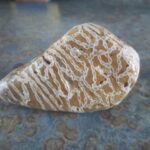
When we first moved to the lake seventeen years ago, I picked up a curious rock one day. The small gray rock was covered with raised white patterns which resembled crocheted chain stitches.

“Look at what I found,” I exclaimed to my husband. “Looks like some kind of industrial waste,” he replied. Nevertheless, I liked my rock and saved it.

This past summer I was browsing in a bookstore in Petoskey, Michigan, and came across “Rocks of Lake Michigan”. Flipping through the pages, I discovered a large photo of my industrial waste labeled “fossilized chain coral”.

Naturally, I had to gloat a bit. “Check out this rock,” I said, showing my guy the rock book.

By a lovely coincidence, the day after we returned home I found another beautiful specimen of chain coral on our beach. That’s two in seventeen years; the rarity of finding these fossils is part of the fun of beachcombing.

A few weeks ago we found a completely different treasure washed up on the rocks. We are now the owners of a sturdy wooden chair, sans seat. One of our winter projects will be painting the chair and adding a piece of screen for a seat. We plan on putting the salvaged chair in The Tooley Cafe with sunflower seeds on the screen. It’s a sure bet that the birds will love it.

November is the wildest, stormiest month for Lake Michigan waters. I wonder what new gifts will arrive?


0

Poignant

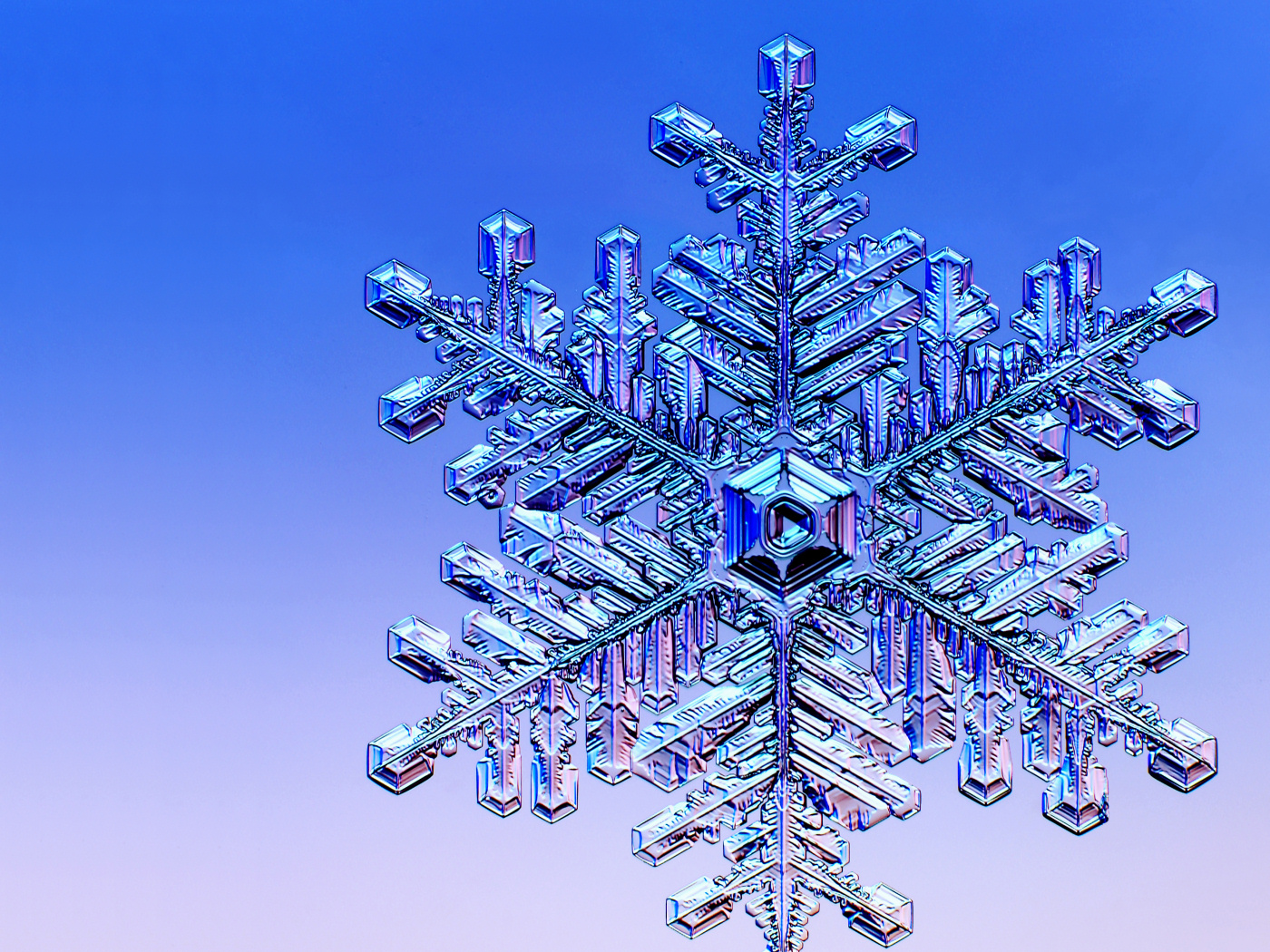
It can only happen once in every year. I glance out the window and the first snowflakes of the season are lazily drifting in the chill autumn air. For me, this moment is the embodiment of the word poignant which comes from the French meaning “profoundly moving, keenly felt”.

The flakes look so innocent, ethereal and lovely. They delicately brush the ground and melt. In a few minutes none will be floating in the air. But I have lived in this place all my life and am not easily fooled. Those snow crystals have billions of friends waiting in the wings.

The import of the first snowflakes is immense. I can no longer hope for a few more rare days of Indian Summer. Even the hardy asters are doomed to freeze now and the last of the geese (or at least the smart ones) have deserted us.

Freezing ice, howling blizzards, treacherous roads, frozen fingers and weeks when the sun never makes an appearance all separate us from the next spring.

In Norse mythology hell (hel) is extremely cold. Hel is also the name of the Norse Goddess of the underworld who rules her frigid realm from her palace known as Damp with Sleet. I think she might have felt right at home during a Wisconsin winter.

sf

0

Beets

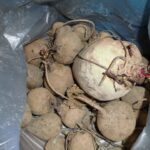
Pulling into my driveway, I spotted a bulging plastic bag beside the door. After getting the car into the garage, I peered into the mystery bag to discover a big pile of dirty brown lumps. “Terrific,” I thought, “my neighbor has given us beets freshly dug from his garden.”  Unwashed beets are truly the ugly ducklings of the vegetable world.

I was delighted to get a gift of beets, but I know that many people would not be. I understand how veggies in the cabbage family can be loathed, their powerful aromas can linger in a house for days. But how can ruby red, mild flavored beets induce distaste? Perhaps some beet haters can enlighten me.

Beta vulgaris or beets can be loosely classified into four groups: the table beet, eaten for its root, the leaf beet, or chard, the sugar beet and the mangel-wurzel. (No, I did not make up that last one.)

Beets go far back in history. The earliest Romans ate only the leaves, by the time the Christians showed up, the Romans were indulging in both the leaves and the roots.

The sugar beet is an improved variety of B. vulgaris. It is long, skinny, white and indebted to Napoleon Bonaparte for its popularity as a source of sugar. An English blockade of France had cut off France’s sources of cane sugar. Napoleon solved the sugar crisis by having 70,000 acres planted in sugar beets. A refinery was set up in Paris and the Parisians again could have their cake and other sublime pastries as well.

The mangel-wurzel, a.k.a. mangold, is large, coarse, yellow to reddish-orange and best eaten if you are a member of the cattle or pig family. The English, however, use them for sport as well as animal fodder. In the village of Silverston each October, teams of three players hurl mangel-wurzels in turn, aiming to hit a large, leafless mangel-wurzel known as “the Norman”. (Grudges do have a long shelf life!) Check out The Mangold Hurling Association website.

At our house we prefer to eat our beets, sprinkled with grated orange zest and dotted with butter.


0

Potions

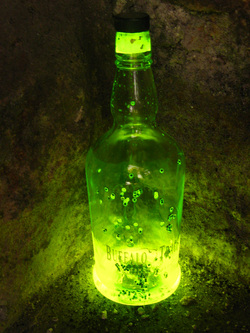
One of my favorite Halloween poems is by Nancy Willard, children’s poet extraordinaire. She delightfully describes the trickiness of concocting a perfect potion:

You must take special care of potions,
syrups and essences and lotions.
You know the work will not go well
if you should mispronounce a spell.
A single lapse in common sense
can have a fatal consequence.
The last apprentice took no time
to learn a complicated rhyme
that turned a lily to a lock.
He turned into a hollyhock.
For magic free of aggravation,
practice.

If I could brew up a potion, it would not be a love potion. People can make that kind of magic happen all by themselves.

A kindness potion is what I would stir up. I figure a concoction to melt hearts of stone is sorely needed in the world at this moment. People who delight in taking school lunches away from hungry children and food stamps from poor families would get a good dose of my potion. All the immigrant-haters, racists and homophobes would also be served along with the folks who believe that every problem can be solved with a gun.

The main ingredient in my magic potion would be empathy with vibrant tones of compassion, tolerance and charity stirred into the brew.

Wouldn’t it be wonderful if magical thinking worked in the real world?

magic

0