Red

“If you find a piece of red beach glass, you will be having a red letter day,” I recently remarked to a friend. And then a question spontaneously popped into my brain…..why do we call special days red letter ones?

The answer was easy to find and dates back to the 1400’s. Since the peasants couldn’t read, the church fathers printed the special feast days on ecclesiastical calendars with red ink. And here we are, six hundred years later, still having red letter days.

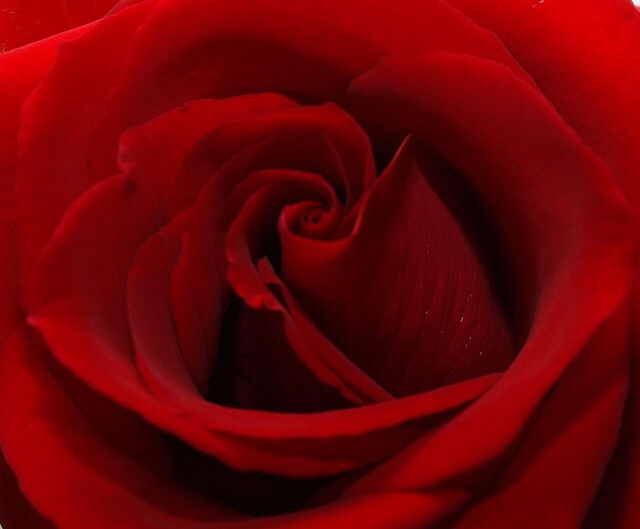
Red is an assertive color. First on the visible spectrum of light, it has the longest wave length of all the colors. Red is hard to ignore and evokes strong responses.

On the positive side we have those red letter days and we can get the red carpet treatment or be a red blooded male. Red is the color associated with love and Valentines Day. Christmas without red is unthinkable. In Asia it is the good luck color seen everywhere at New Year’s time and wedding celebrations.

But red has numerous negative connotations as well. It is not good to see red, be in the red, be caught red handed or have to deal with red tape, red cents or red herring. Scarlet letters have a vastly different meaning than red letter days. Red is also associated with danger, therefore, Homeland Security does not issue mauve alerts.

During the day, red is bold, flamboyant and screaming for attention. But when the sun starts to set, red is the first color to retreat into the shadows. Those red sails at sunset aren’t red.

Scientifically, red, green and blue are the primary additive colors of light and produce white when mixed together. Red, yellow and blue are the primary colors of pigment. They produce brown (mud color, as I tell my students) when mixed together. This is all confusing, but in both science and art, red stands out. It’s the drama queen of colors.
image

0

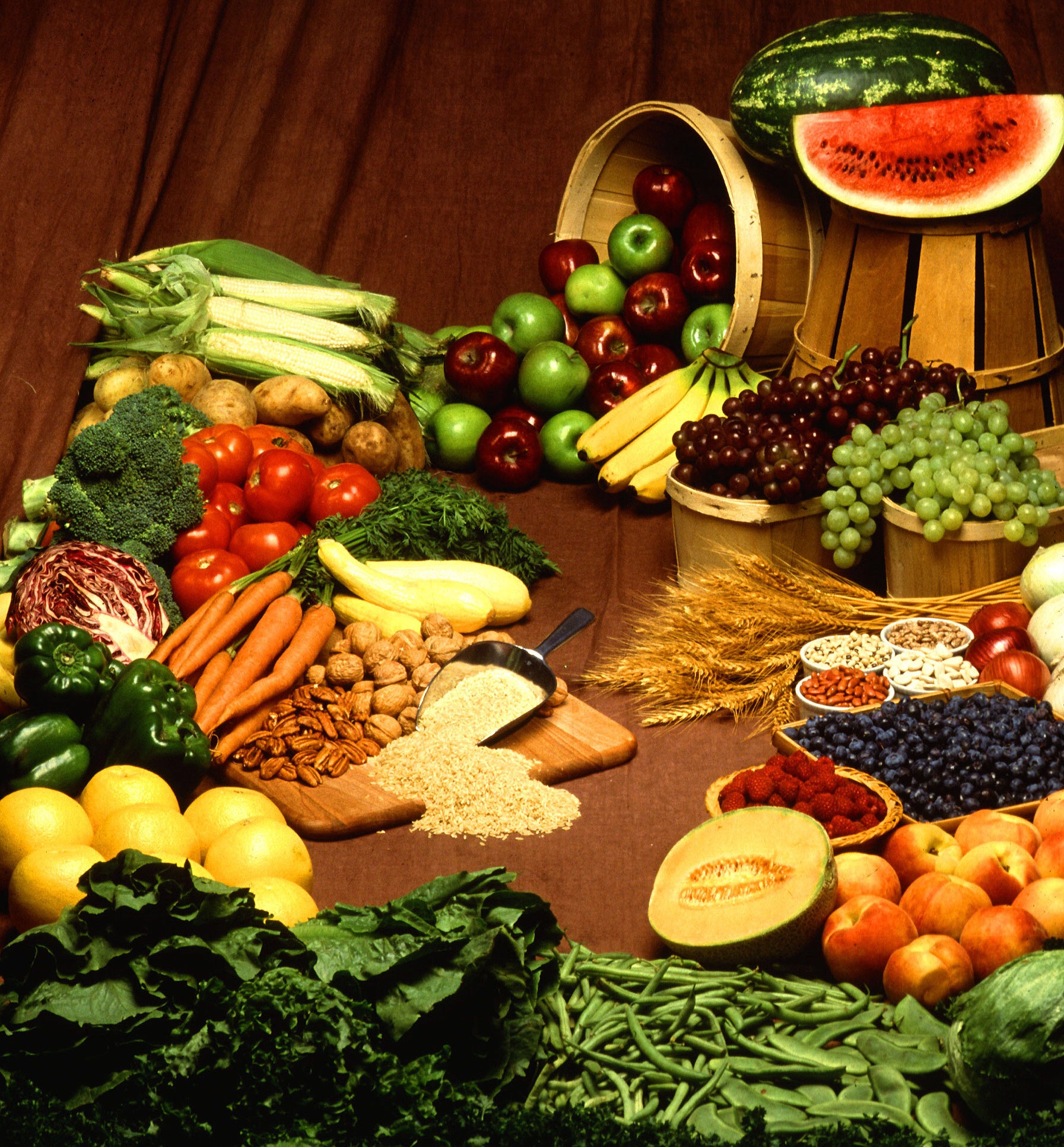
Delicious

Food is not medicine. I recoil every time I hear it defined that way. And I most certainly want to avoid eating any meal prepared by someone who thinks food is the equivalent of a prescription. The only people who eagerly look forward to taking medicine are called addicts, hooked on oxycontin or other drugs.

Medicine is used to cure, not nourish, and should be used wisely and sparingly. Food, on the other hand, is the fuel of life and a feast for the senses. If we decide not to eat (by going on a fad diet for example) our bodies send us hunger pangs and cravings, reminders that something essential is missing.

I look forward to every meal, every day, and I view cooking as an edible art project. Authors who write about the pleasures of the table, such as M.F.K. Fischer, Ruth Reichel and Julia Child, are among my favorite writers. Sample a few of their words plus those of Michael Pollan:

“If you’re concerned about your health, you should probably avoid products that make health claims. Why? Because a health claim on a food product is a strong indication it’s not really food, and food is what you want to eat.”  Michael Pollan

“I think one of the terrible things today is this deathly fear of food: fear of eggs, say, or fear of butter. Most doctors feel you can  have a little bit of everything.” Julia Child

“Anyone who feels they’re too sophisticated or too grown up to eat caramel corn, is not invited to my house for dinner.”   Ruth Reichel

“A world without tomatoes is like a string quartet without violins.”   Laurie Colwin

“Giving someone a taste of something delicious at exactly the right moment is a fail-safe way to start a good relationship.”   Kim Severson

Food is a purveyor of pleasure as well as sustenance. No spoonful of sugar is necessary to make it go down.
image

0

Jazz

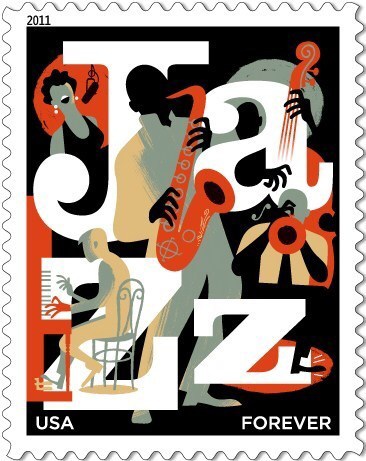
The jazz comes on when the sun goes down. My husband and I agree that jazz is at its best when the world is dark and the day is done.

Neither of us have had any formal schooling in music, a fact we both regret. Having studied the visual arts, I understand that added enjoyment comes with added knowledge.

Our jazz education has been an improvisation. Over the years we have had the good fortune to spend time in New Orleans. We’ve learned by listening to jazz legends at Tipitina’s on Tchoupitoulas Street, The Maple Leaf Bar on Oak Street and Mid-City Lanes Rock ‘n Bowl. The Jazz and Heritage Festival and French Quarter Festivals have provided hours of jazz at its best.

Home here in Wisconsin, we were schooled by many jazz savvy friends. I was a member of Artist Series at the Pabst, a group that brought the best in classical and jazz music to Milwaukee. These friends and fellow board members enriched our lives in so many ways I would need a book, not a blog, to tell the story.

Now that we live far from the big city, the jazz arrives nightly just before we sit down for dinner. Our beloved CDs are in retirement because of an amazing radio station, Radio Swiss Jazz. Twenty-four hours a day, seven days a week, this station streams jazz in the styles we love most. I recently learned that the station’s playlists are the result of constant listener feedback. I would love to meet these mellow jazz fans.

If you are also a jazz lover, check out Radio Swiss Jazz…..even during the day. More Radio Swiss Jazz options are here.
image

0

Woody

His official name is Marmota monax monax, but we just call him Woody. A woodchuck, or more likely a succession of woodchucks, has graced our yard all the seventeen years we have lived here.

Woodchucks, a.k.a. groundhogs, are the largest and heaviest members of the squirrel family. Distinguishing features include a broad, pudgy body, short, strong legs, little rounded ears and a well-furred tail.

“Homebody” is a good word to describe Woody. A woodchuck rarely ventures much farther than two or three hundred feet from its burrow. Being diurnal, these short excursions all occur in daylight hours. And it is a solitary creature. We have never seen two together.

Woody is a daily presence from April through October. By early fall, he waddles about thick  with fat from gorging on summer greens.  Woody is a confirmed herbivore.

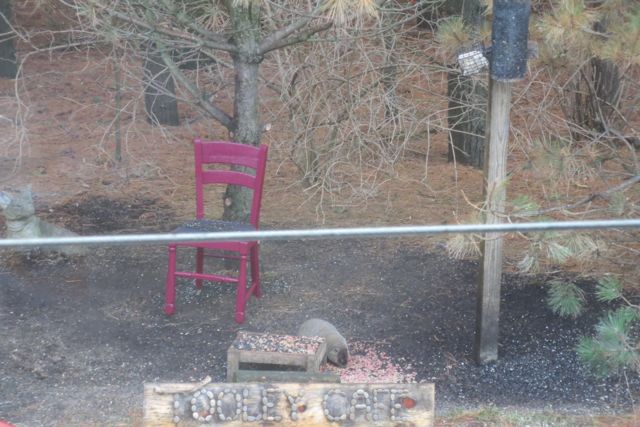
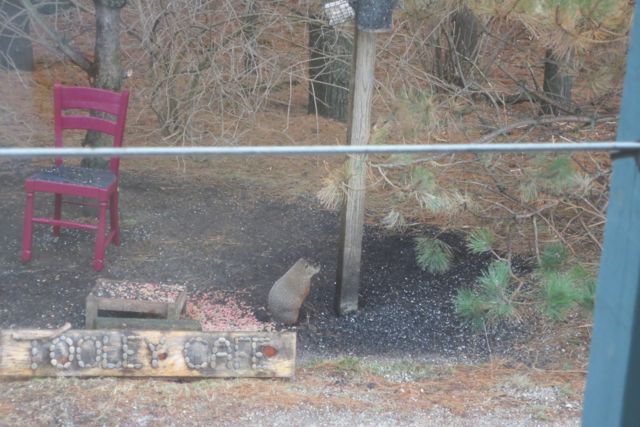
When cold weather arrives, groundhog retires to his underground hole, curls up in a ball and drapes his tail over his head. Woody is a true hibernator. His heartbeat drops down to 4 beats a minute, down from 75+ when he is active. Body temperature plunges to 38 degrees as compared to 90 degrees. We know spring has returned when a skinny Woody appears under our feeders, guzzling up the fallen sunflower seeds.

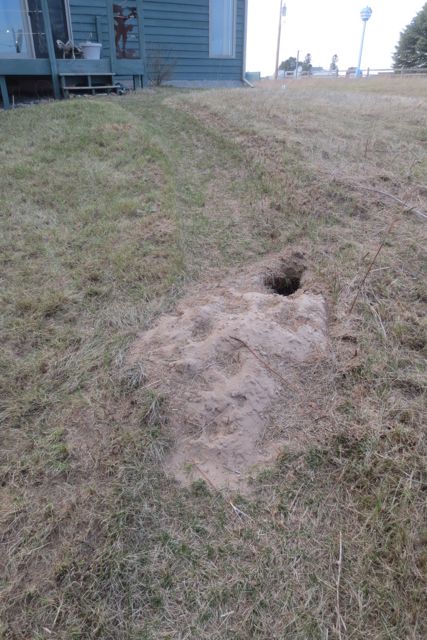
Last week I came up from the beach and down the mowed grass path that leads to our front deck. But I soon stopped in my tracks. Our woodchuck had excavated an enormous hole and pile of dirt right in the middle of the path. I laughingly informed my husband as I entered the house that he would be mowing a detour to our path thanks to Woody’s building activities.

We are happy to reroute our path. In the past, Woody has dug burrows under both our neighbor’s and our decks. Since these construction sites came dangerously close to our foundations, we are all in favor of a giant hole in the middle of our front yard.

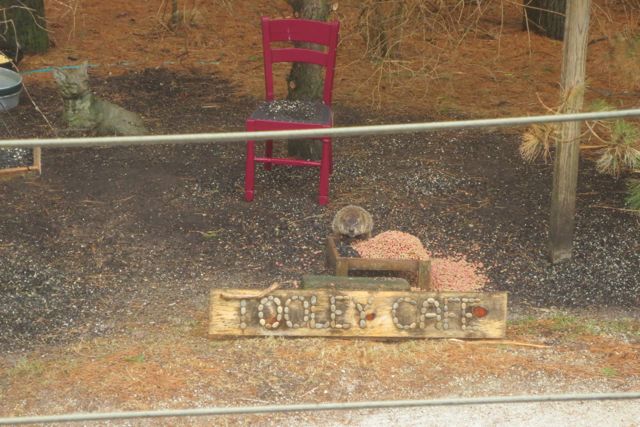
Our groundhog is a welcome and whimsical part of our yard’s wildlife. We smile every time we look out and see him in the Tooley Cafe.

0

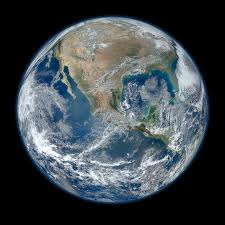
Earth

Here are two basic facts:

The earth can survive without people.

People cannot survive without the earth.

Wouldn’t it be wonderful if these truths could be taught to every grade school child? What a meaningful celebration of Earth Day that would be. Instead, many schools will send the kids outside to pick up litter and tell them they are saving the world. How did we arrive at this state of magical thinking?

I know that even extremely young children can understand our dependence on the Earth. In my plant program, I have children trace their favorite foods back through the food chain……..the ice cream is made from milk which comes from the cow which eats the grass that grows in the light of the sun. After tracing back several menu items, the children can all answer my next question, “Can we live without plants and the sun’s energy?”

Many forces are working against education in our nation. At the moment, teaching details gets preference over teaching the big picture. Unfortunately, students don’t learn to think when their time is spent memorizing copious little facts for endless tests.

Parents who believe the world is 2,000 years old and science isn’t real exert influence in many school districts. In a nation that embraces political correctness, these people’s views sometimes get equal weight with those of the most educated scientists in the world. If only teachers would be allowed to reply to parents who are against science with the quote, “Everyone is entitled to their own opinion, they are not entitled to their own facts.”

And lastly there is greed. Huge profits can be made by exploiting the Earth’s water, mineral, animal, plant and human resources. For-profit charter schools can generate big money for their shareholders from taxpayers’ dollars and simultaneously teach that unregulated capitalism is good for the planet.

We may be the species with the biggest brains, but if we succeed in making our planet uninhabitable for us, we will also be the stupidest.

earth


0