Nature

We knew it was time to move when the leaves weren’t allowed to fall.

For thirty years we lived in a small house on a large lot in an exceedingly well-trimmed city neighborhood. Immediately after moving in, we began planting trees. Our yard was already graced with a mature willow and clump birches; we added mountain ash, maple, black walnut, poplar and apple trees.

Our neighborhood was the perfect place for both children and trees to grow. A park and a creek were a block away. Schools, grocery stores, a drugstore and even our dentist were all within walking distance.

Wishing to be good neighbors, we followed the community norms. Once a week, we faithfully mowed the lawn and edged the sidewalks. After every storm, our yard cleanup began after the last raindrop fell. We raked up sixty bushels of leaves each autumn and shoveled tons of snow within hours of each blizzard.

As the years flowed by, we realized the yard had become a splendid habitat for urban wildlife. Birds flocked to our feeders and nested in the lush trees. One year the squirrels co-opted our son’s treehouse for their nest platform. Ducks waddled over from the creek, and a possum took up residence under our deck. We welcomed our visitors.

Unfortunately, many of our neighbors viewed the wildlife as spoilers of the immaculate, man made order of their yards. Plans were usually made for the speedy removal of any trespassing creatures.

Then, one day, our immediate neighbors complained that leaves from our messy trees were blowing into their yard. Simultaneously, most of our local shops were relocating to the suburbs as megastores, and our beloved creek was completely lined with concrete, causing it to resemble an open sewer.

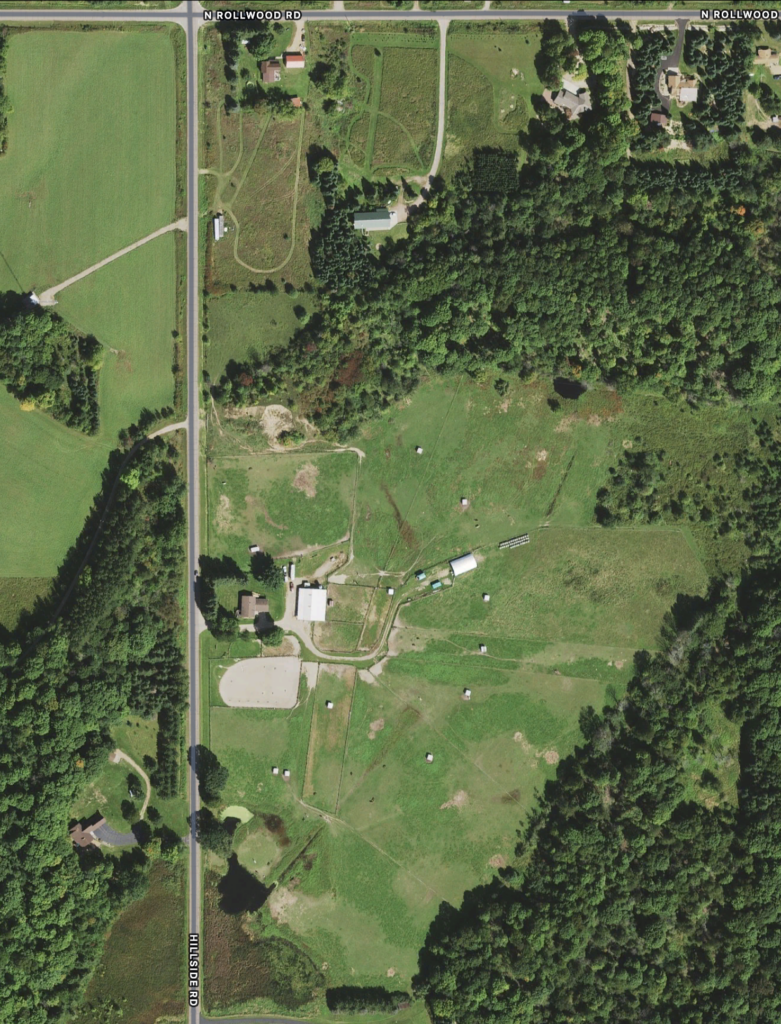
One of the few constants in life is change: how we respond to the changes determines our happiness. We decided to move to the country and build a modest house with multitudes of windows from which to view the woods, wildlife and water. Now the grasses grow tall and unmowed, the leaves fall and are unraked and two of our three outer doors remain unshoveled. All animals are welcome in the Tooley Cafe.

The television got left behind in that move eighteen years ago. All the entertainment we need is outside our windows. Nature provides an infinite number of channels… no cable needed.

image

0

Dump

Going to the dump was a ritual of rural life in times past. When my husband was a little boy growing up in northern Wisconsin, the trash and garbage was dumped during the day and the bears were viewed at night. But his family, like many others, left the farm. My guy was a city person for the next forty -five years.

However, we now live in the country, and going to the dump is again part of our routine. “Dump” is not the correct word, but the one we use from habit. Recycle Center is the correct name, and it is a place our entire town can take pride in. Neat, organized, well-run and odor free, we can have confidence that the items we so conscientiously sort are actually being recycled.

The same could not be said for our big city trash collection. Numerous times I watched as our carefully washed bottles and de-labeled cans were all dumped willy-nilly into the big, open mouth of the garbage truck. “No way,” my brain screamed, “could those poor souls who sorted this mess at the recycle plant’s conveyer belts get this to work.”

On Saturday morning my tiny Hyundai Accent becomes the garbagemobile. The buckets of aluminum cans, tin cans and bottles fill the trunk. Bundles of newspapers and flattened cardboard boxes get the back seat. Household garbage gets jammed in any empty space available.

From nine to three, a steady flow of cars pour into the Recycle Center and are watched over by the friendly couple who manage the site. A combination of vigilant over site and peer pressure assures that no dumping occurs. We citizens of Centerville file our recyclables. Not a can or scrap of paper litters the ground.

It took me a while to catch on to another aspect of the site of which my husband had not cued me in. Unwanted items that are usable are lined up along one outside wall of the recycle shed and are free to the takers. This can be problematic. Recently someone set out scores of books and I ended up bringing more things home than I left off.

rc

0

Obsolete

I certainly hope that people aren’t going out of style. I’m fond of my species and would hate to see all of us be doomed to obsolescence or obscurity.

The portents aren’t good. Consider the current trends. Teachers are replaced by computers and online courses. Doctors are allowed fifteen minutes with their patients, and the patients get a carload of pills to replace the lost time with the physicians. Cars will soon drive themselves and drones will deliver packages. A check out kiosk replaces the desk staff at the library. Robots are rampant, working in factories, hospitals, warehouses and myriad other workplaces.

By becoming addicted to social media, people further their own irrelevance. How many Facebook friends would give generously of their time, talent or energy to help an online “friend”? Being a friend means being there for others, and the thought of doing that for 600 people is nonsensical.

The start of a New Year is an optimistic time, a clean page. In that spirit, I offer this wise observation by the late film critic Roger Ebert. We can make this the year of the people.

“I believe that if, at the end of it all, according to our abilities, we have done something to make others a little happier, and something to make ourselves a little happier, that is about the best we can do. To make others less happy is a crime. To make ourselves unhappy is where all crime starts. We must try to contribute joy to the world. That is true no matter what our problems, our health, our circumstances. We must try.”
― Roger Ebert
image

0

Scissors

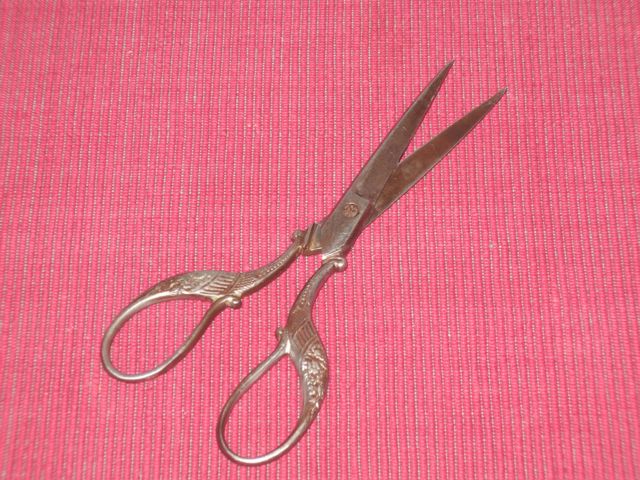
My grandmother gave me her elegant little scissors when I was about twelve years old. IMG_1858Any gift from her was significant as she had so little to give. Everything in her house was old, sparse or well worn.

I visited my grandmother Sunday afternoons. And when we weren’t playing cards, I would do art projects on the round dining room table.

My German grandmother did not believe in idle hands. Her sentences often began with the words, “Now we’ll just get to work…”. She knew what she was doing when she let me take the scissors home.

When I went to college, my precious scissors went with me. Sometimes friends in my art classes would ask to borrow it. I would always let them, but with a silent plea in my heart for its safe return. By some miracle, my scissors always came back to me.

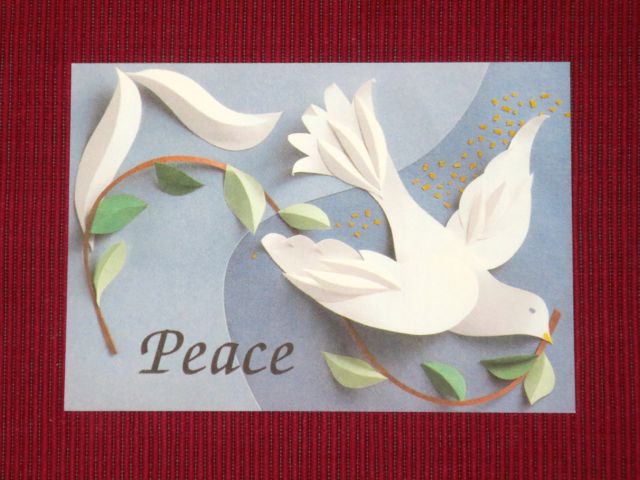
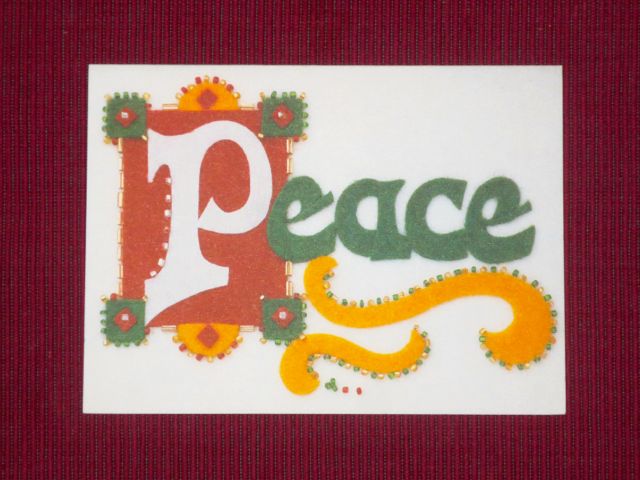
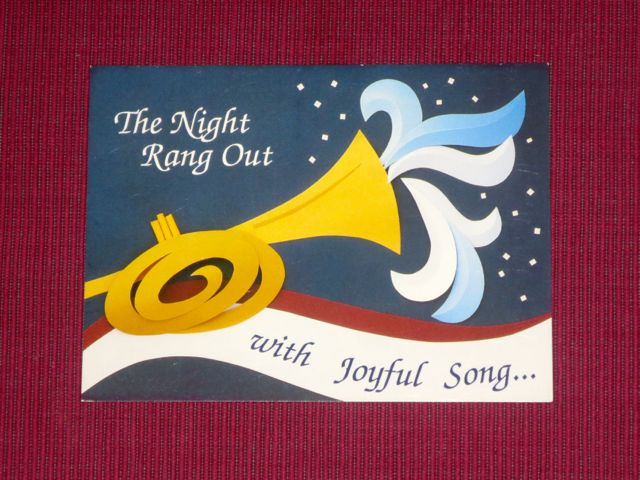
I did not teach art until our children went off to kindergarten. Instead, I did free lance art with my scissors at home. I turned out posters and greeting cards with hand cut paper letters and paper sculpture. Abbey Press and Conception Press started buying my free lance designs and continued doing so for the next thirty years.

When asked what kind of art I do, I usually reply, “The kind of art that gets thrown away”. Graphic design isn’t like painting or sculpture; it usually has a short shelf life, thus keeping the artist’s ego in check.

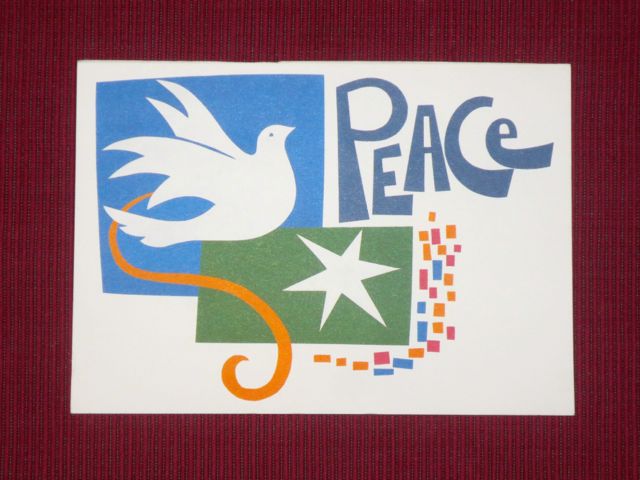
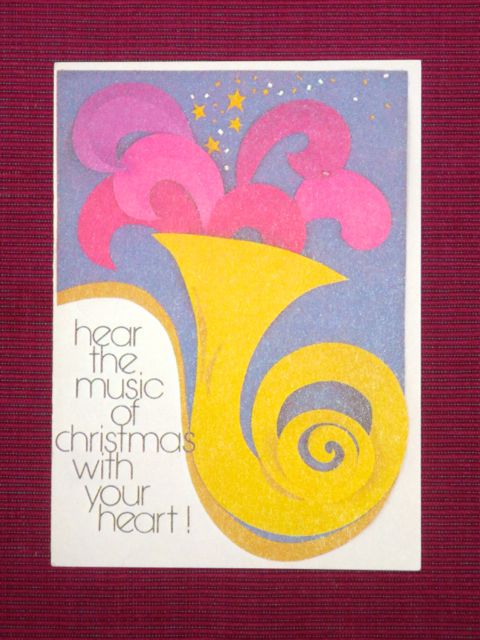
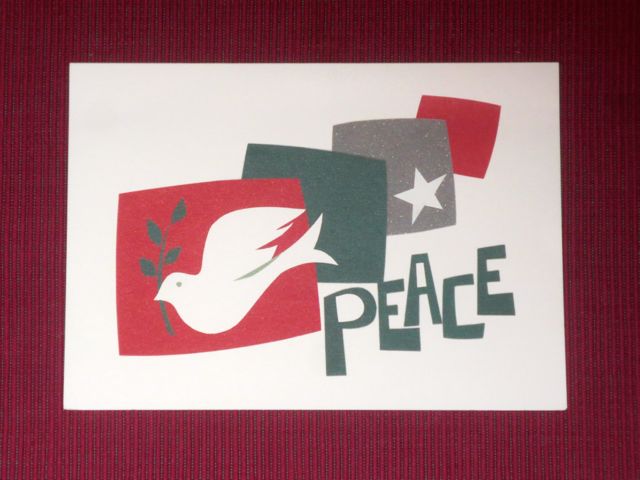
I realized the other day that my very special scissors has had its one hundredth birthday. But it and I are ready for more art projects. Here is what we do when we get together.

0

Polar

I am not a polar bear. Therefore, I am seriously questioning my choice of habitat. The temperatures last week were well below zero every night with daytime numbers in the single digits.

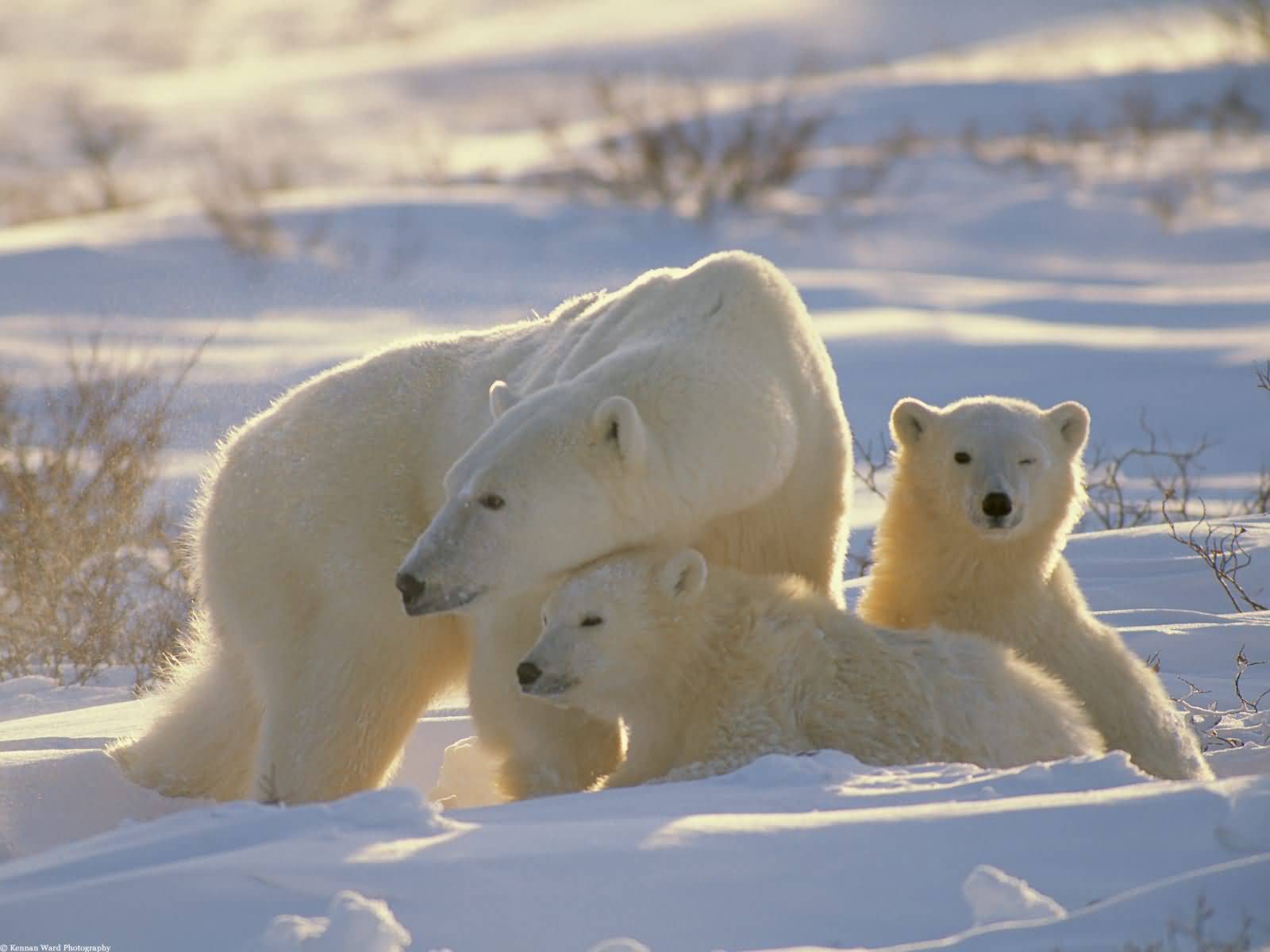
Polar bears are ideally adapted to survive and thrive in the harsh Arctic environment. To a polar bear, minus 30 is fine and 10 above is getting a bit toasty.

A built in Arctic survival kit comes with each bear. First, each animal is equipped with a thick coat of waterproof fur which is padded by a second layer of even denser fur….in other words, two winter coats. Next comes the bear’s skin which is black, a heat absorber.

Under the skin is the best coat of all, four inches of fat. Since blubber is the substance that holds in body heat, the bear is wrapped in the equivalent of super-sized blankets.

The thin extremities on any animal are the first to freeze. But there are no frostbitten limbs on a polar bear. Fat legs, massive feet and fur encased toes are all chill chasers. Stiff fur covering the bottom of the paws is for both warmth and traction on ice. Long, sharp claws act like ice picks to reduce slips as well.

Dinnertime for the bear entails a swim in the Arctic Ocean to search for its number one menu item, ringed seals. Four inches of blubber make it a pleasant paddle and slightly webbed toes make swim fins unnecessary. We, on the other hand, would face certain death from hypothermia if we attempted a momentary Arctic plunge.

A quick mental check of my winter adaptations comes up with a big, fat zero, just like the current temperature. I have only one ray of hope. I’ve got a brain.

Creative thinking is required here. What can I do to emulate the superb adaptations of those big, white bears? I sense an orgy of Christmas cookies and fat leaden foods coming on.

polar bears
www.firstpeople.us
0