Redux

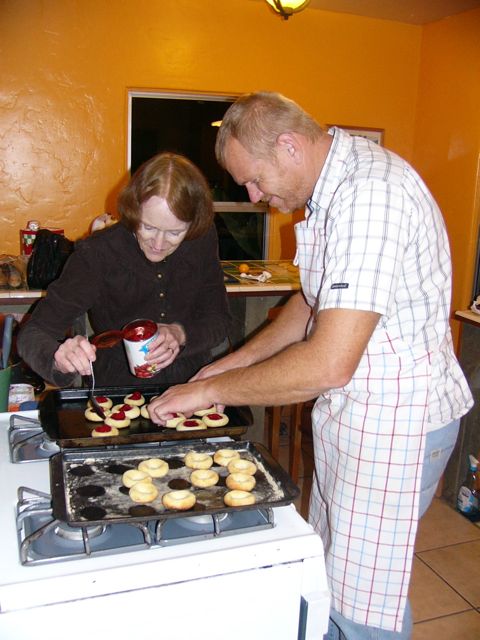
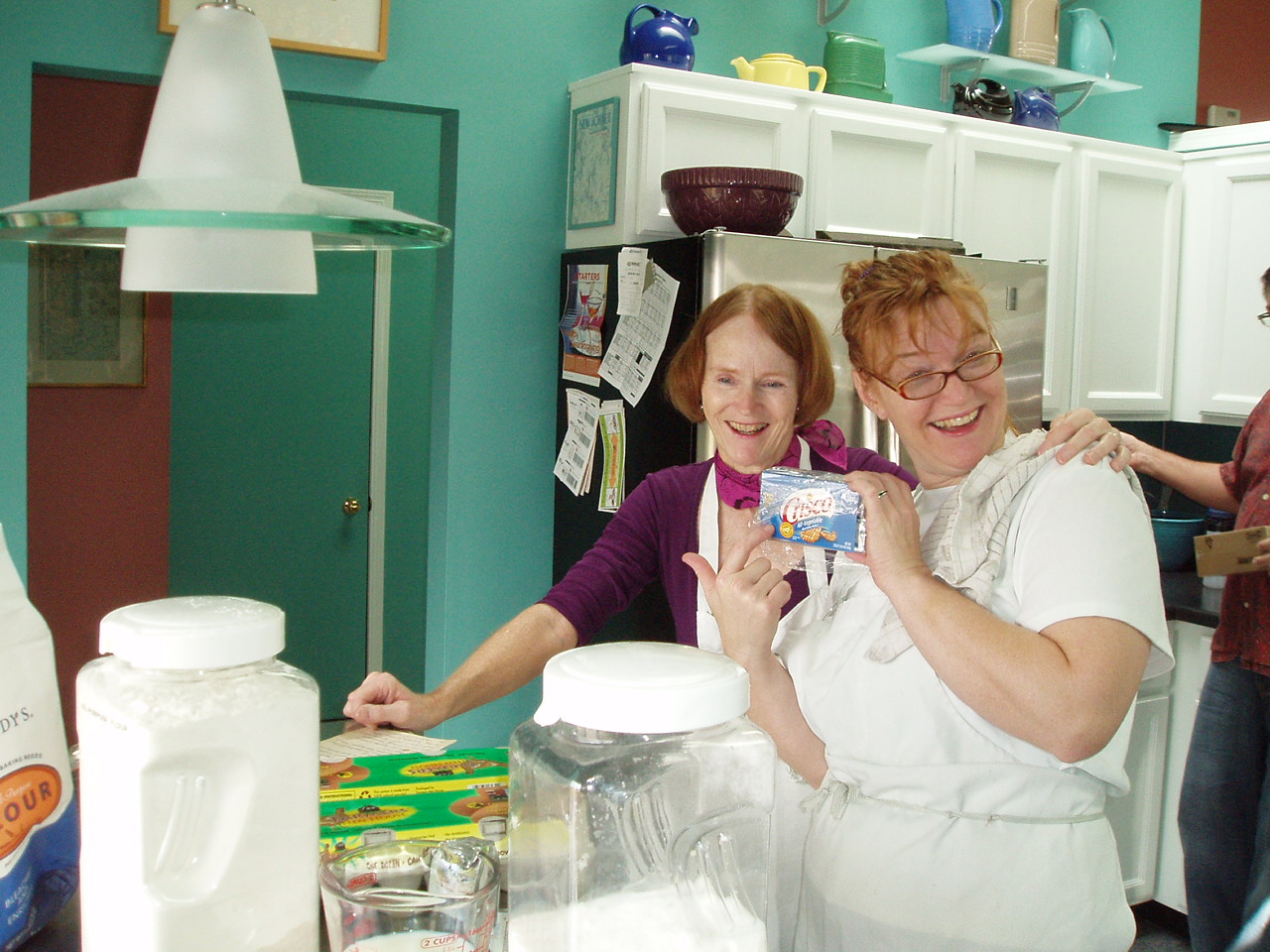
My son is not a competitive person. He’s highly creative and mainly focused on what his multiple muses are chattering about. But he is concerned with upholding his honor, in this case, his position as the yeast baker in our family. He is famous for his home made pizza crusts which rival those found in fine pizzerias. His dinner rolls are also notable.

On a recent visit to Southern California, I asked him what was on the agenda.

“We are definitely baking kolaches tomorrow,” was his reply.

“Terrific,” I said, knowing that I need all the group practice I can get before attempting a solo run.

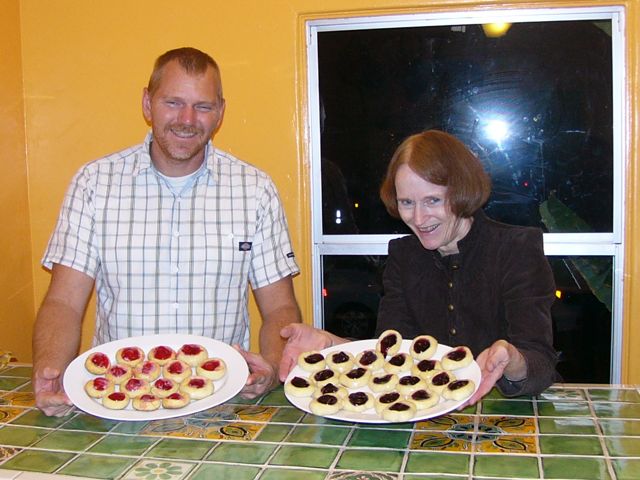
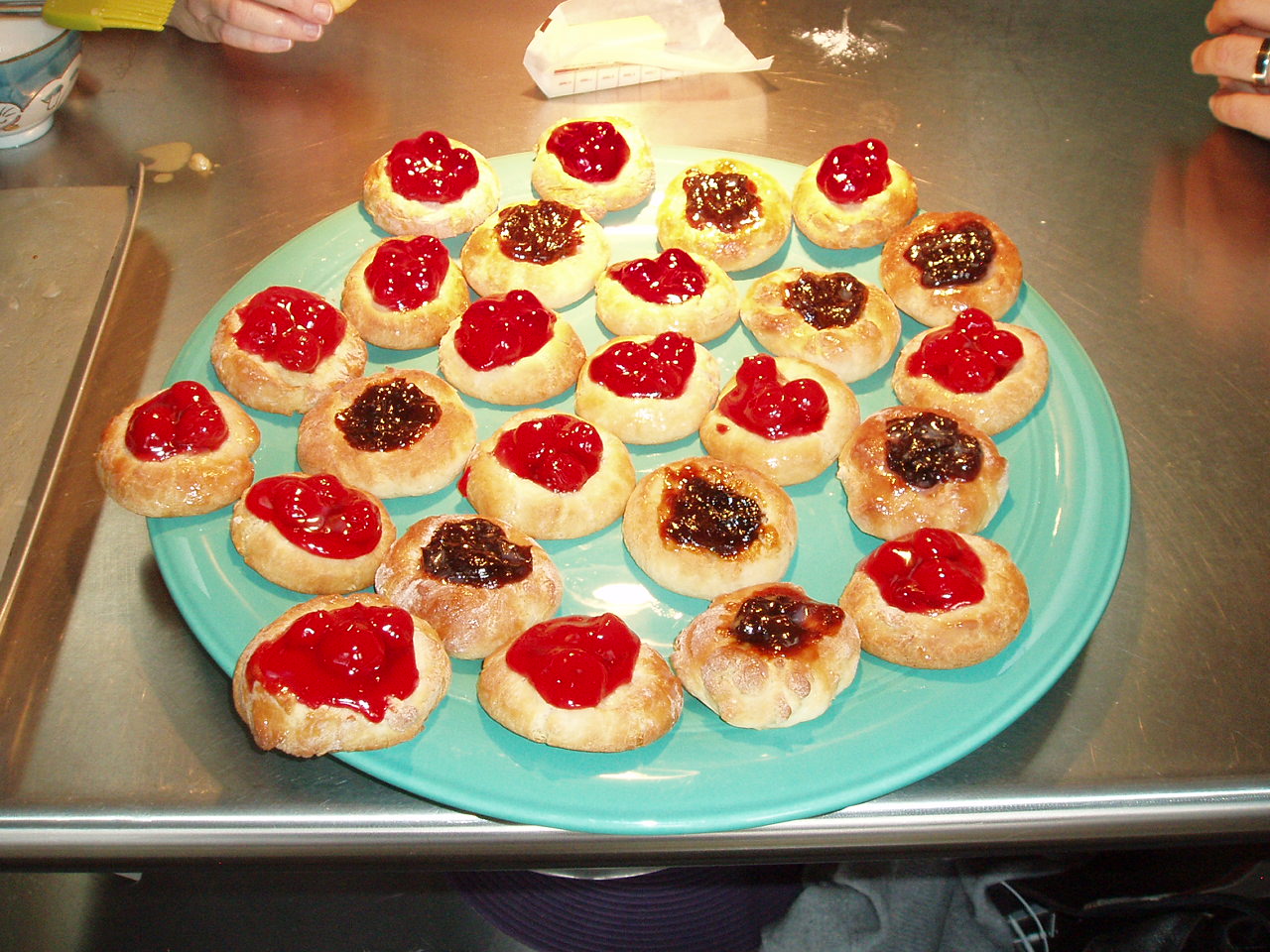
A discussion on fillings revealed some strong aversions to prunes from several family members. I volunteered to go shopping for canned fillings. Three grocery stores later, I concluded that my son’s wonderfully diverse neighborhood is not populated by any eastern Europeans. Not only were there no cans of poppyseed or almond fillings, one store carried just pumpkin. I settled for cherry and blueberry.

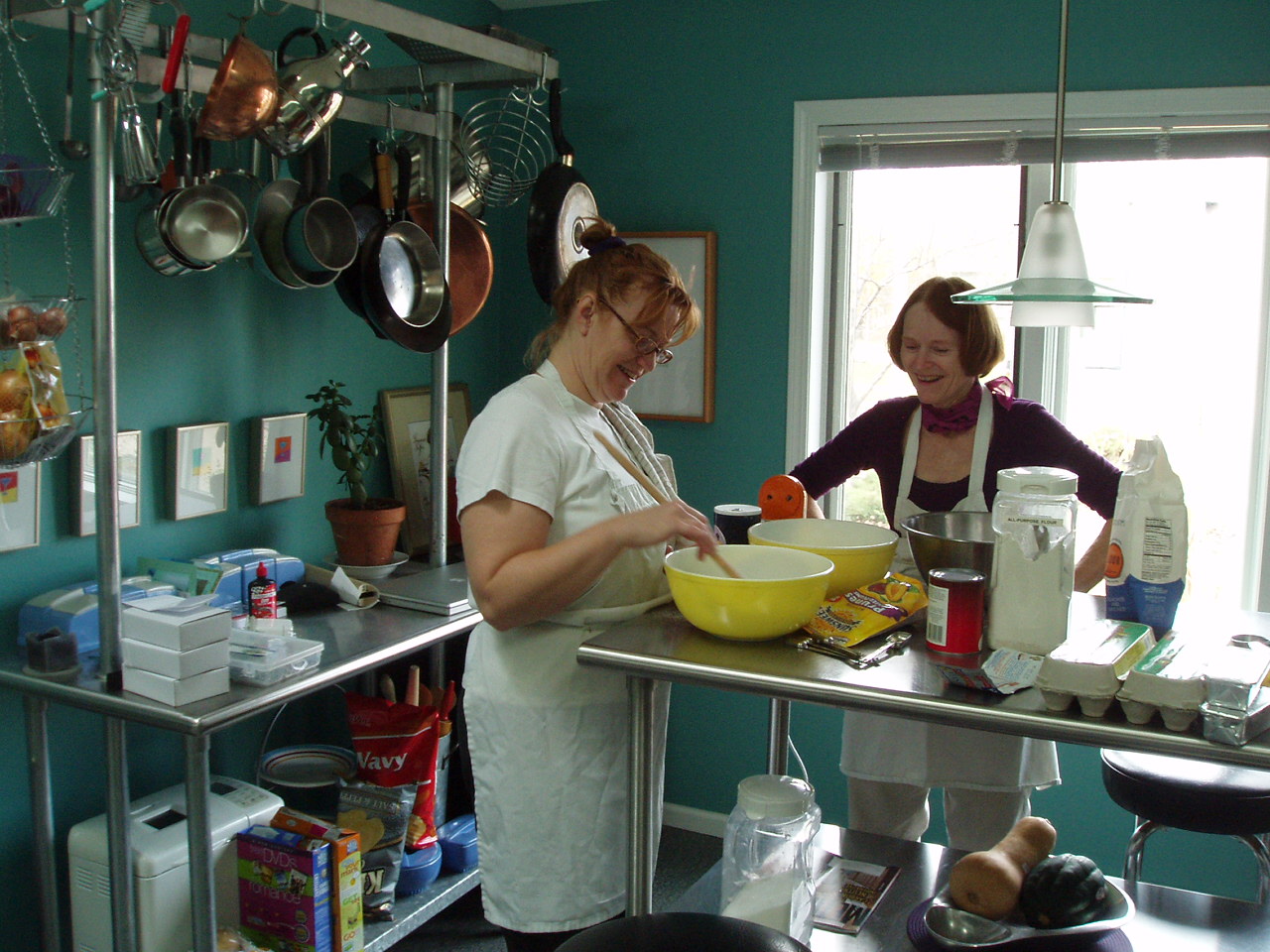
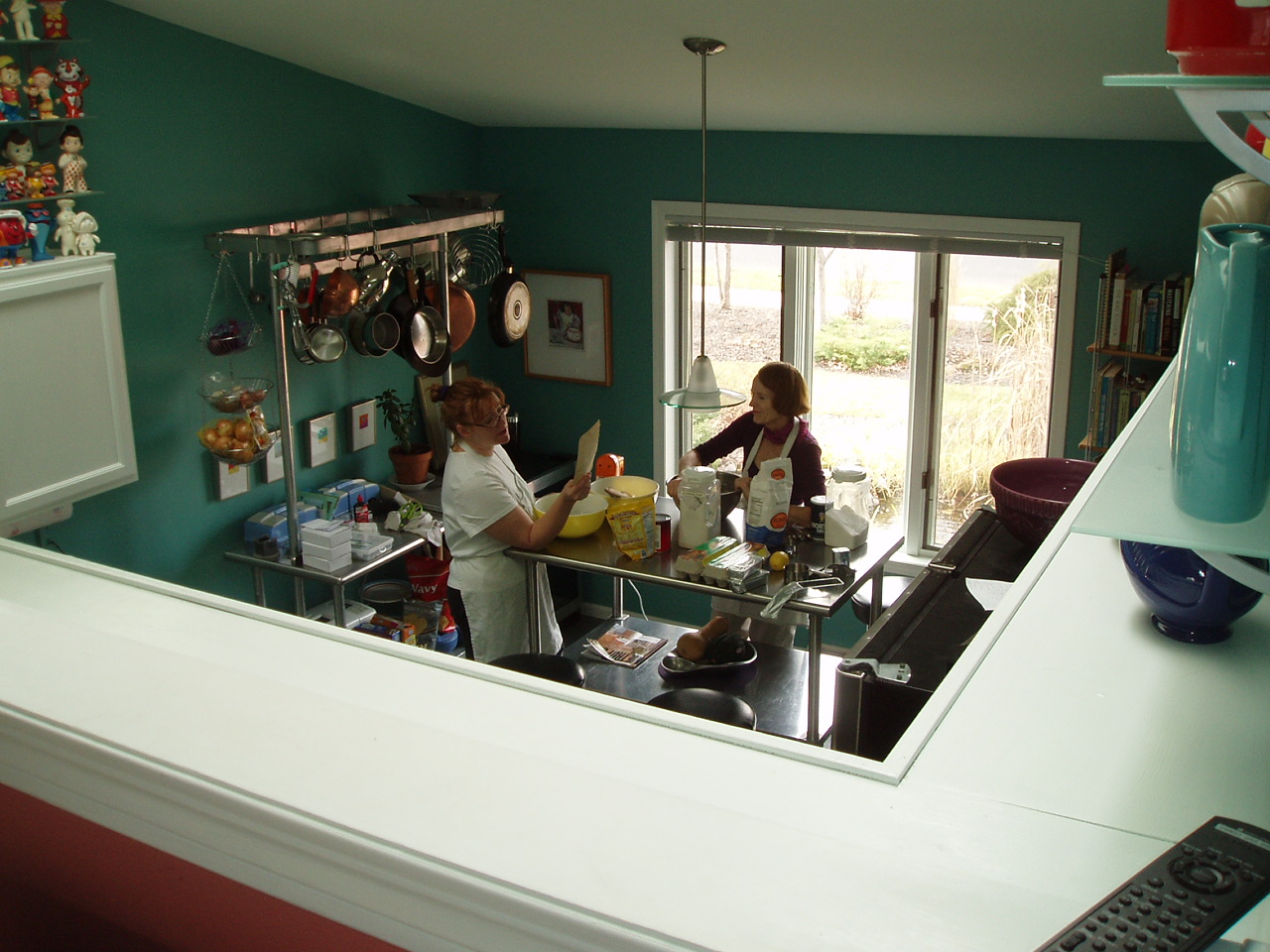
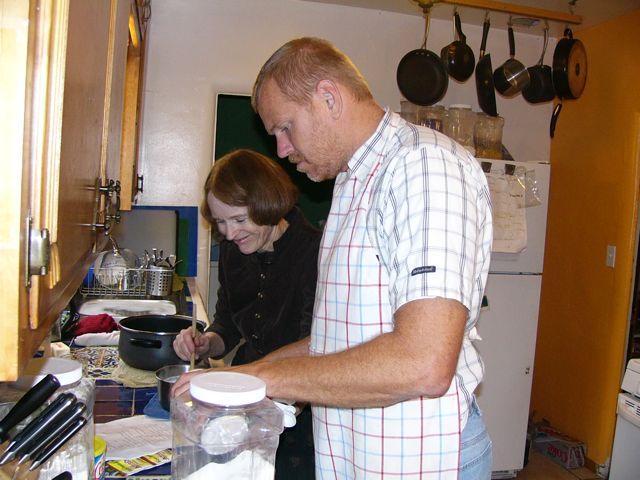
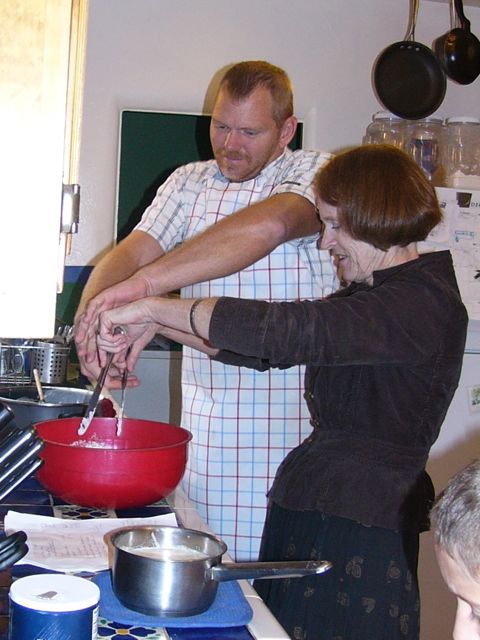
The next challenge was the temperature. We were not having a poster day for California climate… it was downright chilly and rainy. Our son’s house does have a furnace, but it hasn’t been turned on in a decade or so. Before we began baking, we fired up the stove, shut all the windows and waited for a semblance of warmth to fill the kitchen.

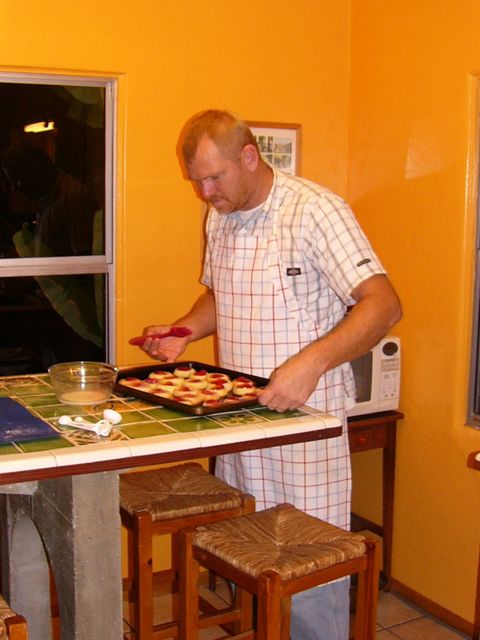
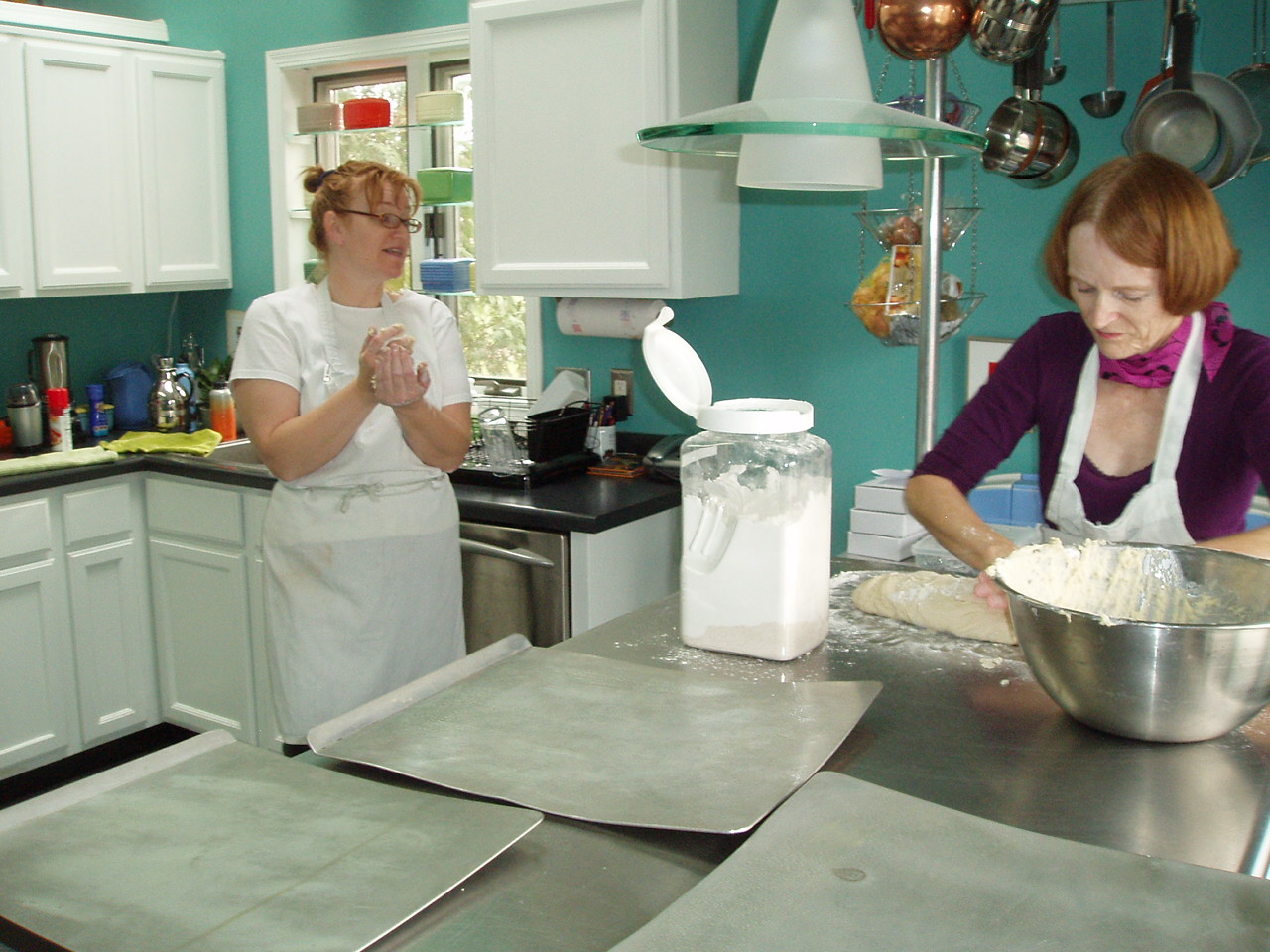
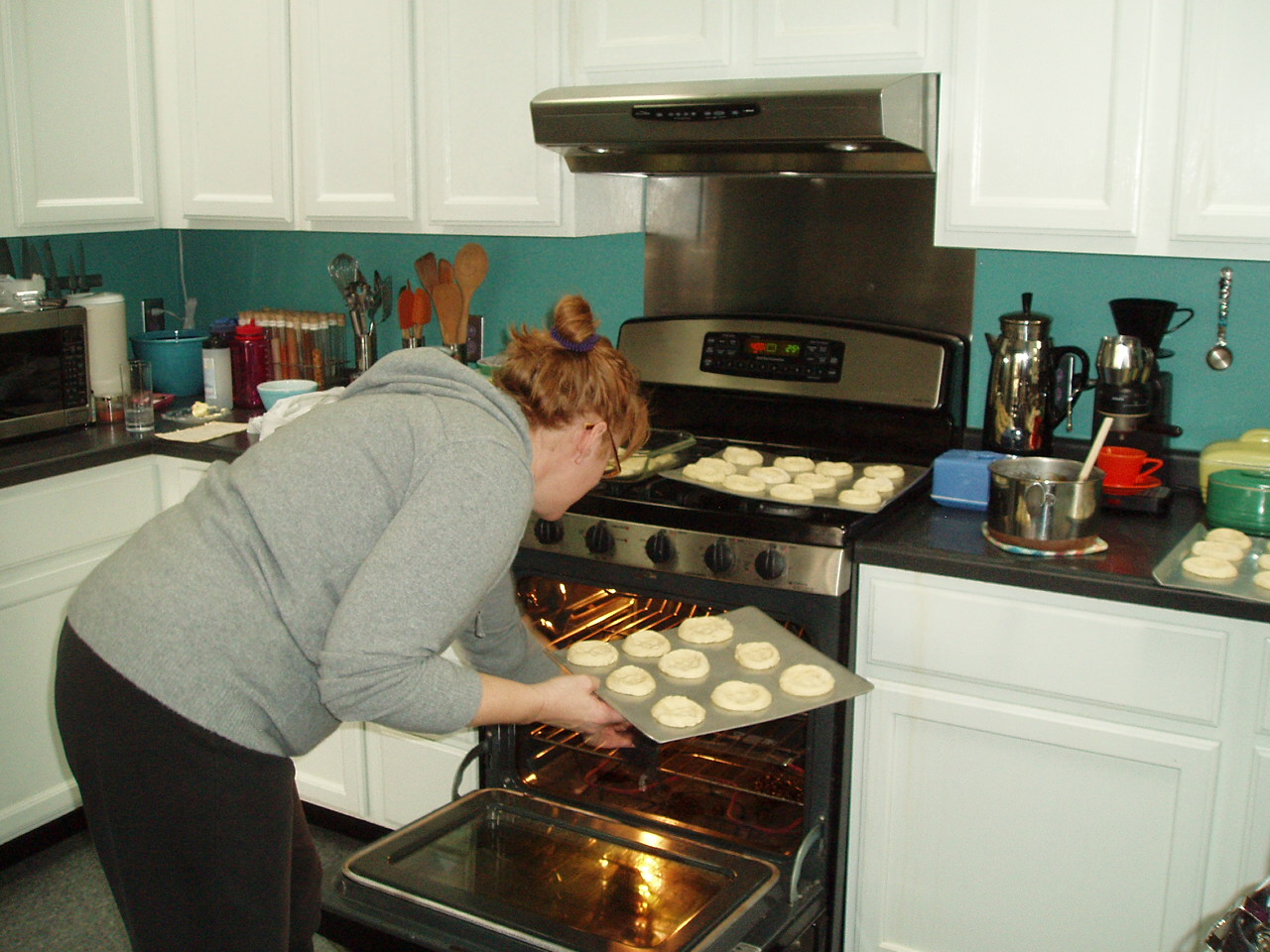
The whole baking process went smoothly except for several trays of kolaches which balked at doing their second rising – a protest against the untropical kitchen temperatures, no doubt. The pans were moved to the top of the range, and the kolaches immediately began cooperating.

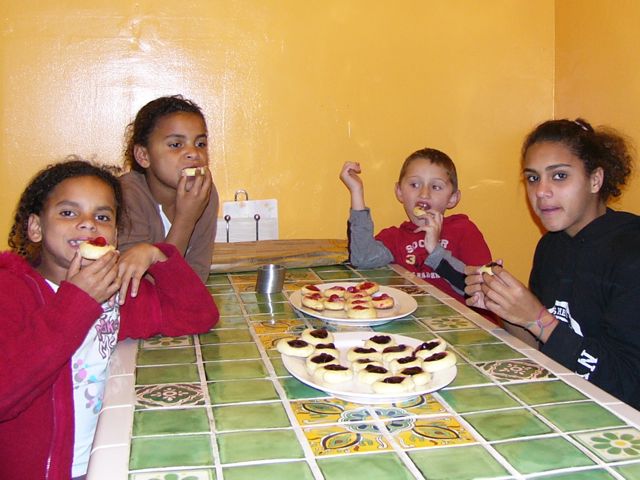
As lovely smells began drifting from the oven, children began flowing into the kitchen. They were followed by a large black dog. All needed to be convinced that waiting for the kolaches to be filled was mandatory.

When we pronounced that the time to eat had arrived, an amazing thing happened. Sixty kolaches were reduced to twenty in less than thirty minutes. The survivors were removed to a room behind the garage. At 2:45pm the following day, no traces of kolaches, not even a crumb, were in sight.
0

Joy

Thoughts on happiness seem appropriate for the end of the year. Recent science theories are raising the possibility that happiness may be hard-wired into certain people and absent in others. I offer no opinions here: I’m simply grateful to find myself in the happy camp.

Buddhists put huge store in happiness. The Dalai Lama and Thich Nhat Hanh teach that “all people want happiness.” As much as I want to believe this, we’ve all seen people jettison any chance for happiness to get more power, prestige or money.

For those genuinely pursuing happiness (as guaranteed in our Constitution), the bookstores are brimming with self help books on the topic. I do have a hunch, however, that the contents of these books can be reduced to one index card:

  1. Figure out what you like, excluding items that are destructive to self and others. (Three hot fudge sundaes per day, for example, are probably not conducive to lasting feelings of well-being.)
  2. Do the things you like.
  3. Be oblivious to how others judge your choices.

My Aunt Jane was a life long tomboy who hated shopping and fashion. She happily resolved her wardrobe needs by getting out a mail order catalogue and buying 15 identically styled blouses and 15 identically styled slacks in a rainbow of colors. Every day she grabbed one of each item and never had to think about fashion again. Her fashionista sister reacted with pure sartorial horror to this brilliant and colorful pursuit of happiness. To which dear Aunt Jane replied, “I don’t care. It works for me.”

0

Tradition

It’s ironic. My grandfather was from Bohemia, but his German wife, my grandmother, never baked kolaches, the “national” pastry of Czechoslovakia.

My husband’s Scotch-German mother, on the other hand, was a stellar kolache baker, learning the art from her Czech neighbors. She would bake batches of these delectable treats whenever we visited and would double the recipe for Christmas. None of the Xmas kolaches ever saw the New Year.

Last summer my great nieces asked if I had any family recipes. I did, but, not being a yeast baker, I never got a copy of the famous kolache recipe. “I’ll see what I can do,” I promised.

My daughter is a pro in the kitchen – literally. She was the former manager of the Ford Foundation Executive dining rooms in New York. I inquired about the kolache recipe. She did have a copy, and I asked her if we could attempt to duplicate her Grandma Vera’s famous kolaches.

“We can do it,” she replied. She was not deterred when I told her that my first attempt at yeast baking many years ago greatly resembled an “I Love Lucy” episode.

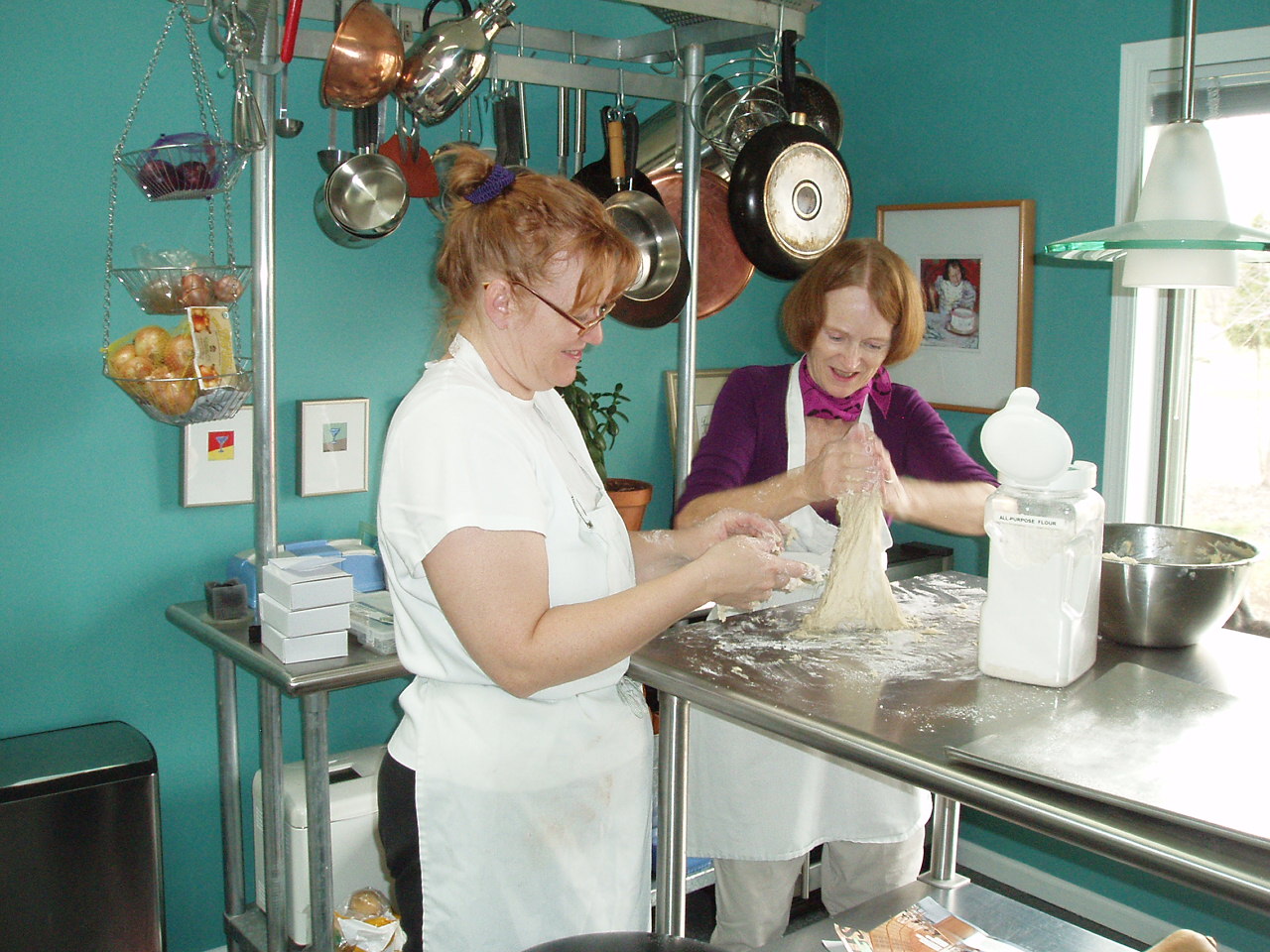
We did the great kolache experiment in my daughter’s beautiful and well equipped kitchen. We carefully followed the original dough spattered recipe.

I am happy to report that all went well. The dough rose (3 times), the prune filling set and the final product was luscious, although naturally not as good as the original.

We only had to rely on our baking knowledge twice. The original recipe called for a streusel topping which none of us remembered. When we mixed together the 3 tablespoons melted butter, 3 tablespoons flour and 3 tablespoons sugar we did not get streusel – we got a sweet roux. We knew that was a mistake. Since we couldn’t call Grandma and ask, “What’s this all about?”, we simply dumped it. My daughter mixed up a powdered sugar and milk glaze which worked perfectly.

The other challenge was the baking time… the instructions simply said “bake”. We guessed well at about fifteen minutes. The kolache tradition lives on.

0

Duke

You know you’re out West when the downtown streets are named Iron, Coal, Lead, Silver, Gold and Copper. Specifically, you would be in Albuquerque, New Mexico, named after “His Grace, Juan Luis Carlos Adelberto ‘Chato’ Limon y Mas Cerveza de Alburquerque”, The Duke of Albuquerque. Time has mangled the spelling of the Duke’s name.

I count Albuquerque as my second home, even though I don’t own a square inch of it. Home is where you can find just about anything without a map and where friends will take you in at any hour of the day or night.

Albuquerque has no secrets. The city is sprawled out along the Rio Grande Valley. When you drive out of the airport at night, the entire town is glittering below you. The Eastern side is the Sangre de Cristo mountains. The oldest part of town is down in the valley next to the river, and is appropriately called “Old Town”. The main street, Central Ave, is a nostalgia trip: it’s the old Route 66.

Contrary to some guide books, Hispanic Old Town is not just for tourists. Ironically, one of my favorite French cafes is tucked into a charming Old Town plaza. The head chief at La Crepe Michel has been turning out exquisite meals in her diminutive restaurant for 22 years.

No visit to Albuquerque is complete without a stop at a Flying Star. The food and drink at the 9 “Stars” is wonderful and affordable, the decor is atomic. Order the “Red Stuff” to drink. Yes, that’s its real name – this town is casual.

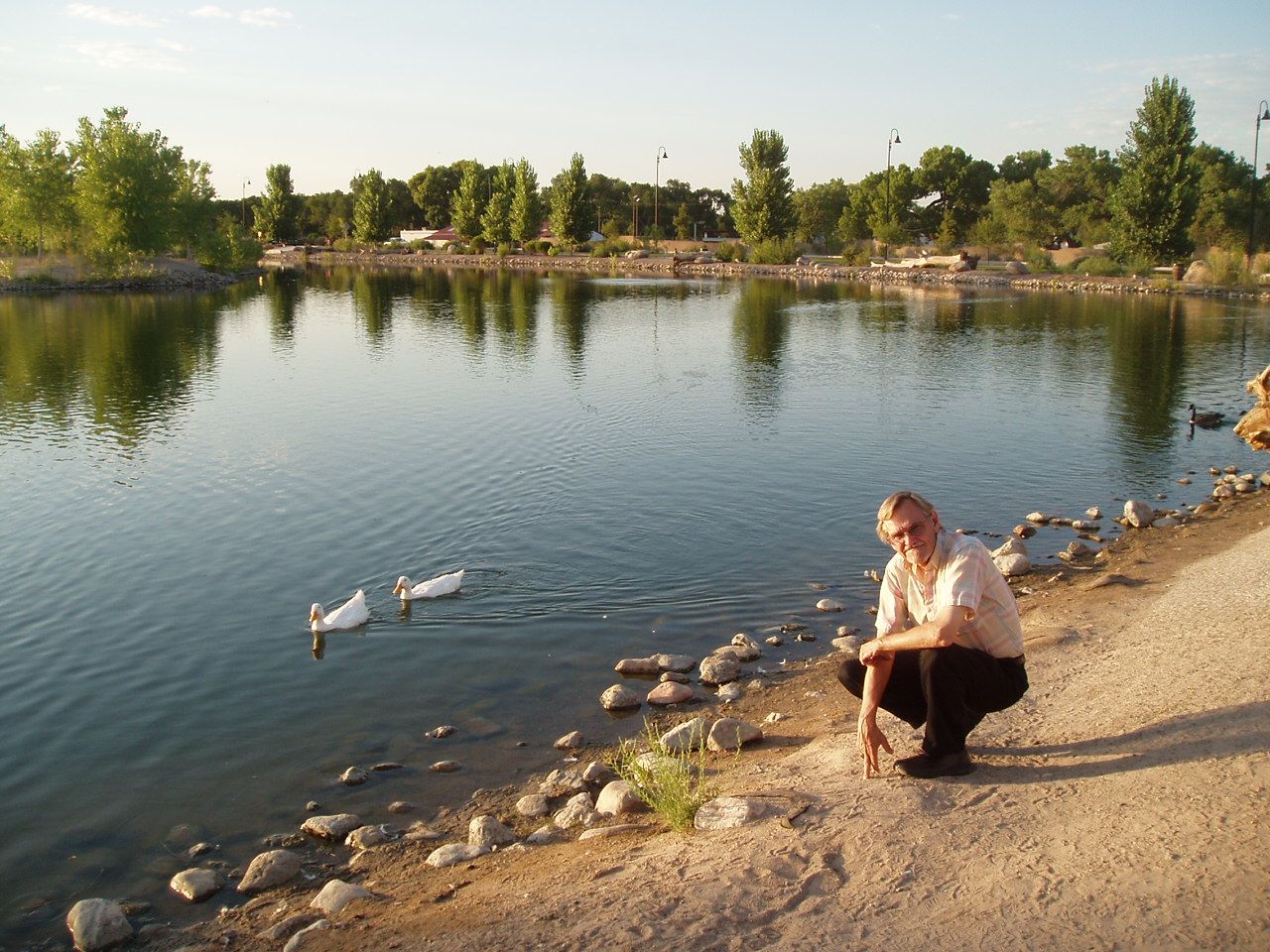
Between the tramway, museums, biopark and hot air balloon ascents, boredom is not an issue here. Mention must be made about the beach. Residents of the Duke City love their Tingley Beach. I couldn’t fathom what these desert dwellers were talking about, so I followed the signs to the beach. It’s hard for a Midwesterner not to laugh. The “beach” is a bulge in the river with a heap of playbox sand at its side. You have to give these folks credit for trying.

2009 New Mexico-0

0

Toys

An American toy store is the last place in the world I want to be. The merchandise in these ear-splitting emporiums of Chinese junk falls into two main categories: dolls that are sex symbols for girls and weapons of mass destruction for boys. All are designed to break quickly, and some are even toxic.

I’ve had the good fortune to have visited toy stores in European countries. These shops are small and filled with delightful, hand-crafted playthings that are made to be passed down to the next generation.

I can spend hours looking at the gentle, sweet toys on display. My favorites are the wooden animal farm sets, wooden doll houses and Steiff stuffed animals. This German toy maker has been in business since 1880. The animals are so charming they could make Scrooge smile.

When our children were little, the rule was, “If it’s advertised on television, you probably can’t have it.” Our children managed to survive and flourish. Our son’s favorite toy was Legos. He was thrilled every time he opened yet another Christmas gift of them. Our daughter loved her play kitchen complete with happy face pots and pans. Many of these toys survived into the next generation and may make it into the third.

Young visitors to our house consistently head to the upstairs closet, take out the bin of dollhouse furniture from my childhood dollhouse and play happily for hours. My original dollhouse (made from orange crates) was donated to charity years ago. The kids simply set up the rooms of furniture on our carpeting or stairs. Sometimes a cat enters into the fun.

Most American children suffer from an overabundance of toys. The bins at thrift stores overflow with discarded teddy bears and their friends. But I still have faith. No matter how many plush animals children receive, they usually have only one favorite. It’s the one that is bedraggled, threadbare and truly loved. You might even still have yours.

0