Bakeries

Every neighborhood once had a family owned bakery, and these wonderful shops each had a distinct ethnic flavor.

Many years ago, an acquaintance of mine started a tour business featuring these family run bakeries.  Italian, Greek, Polish, Mexican and German bakeries were visited with samples provided at each. The tours were wildly popular, but the business failed. The tourists literally gobbled up all the profits.

My childhood neighborhood bakery was named Pornats, and lines snaked out the door after church services on Sunday morning. My father was always in the line, and his order was always similar:

  • 1 large cream filled coffee cake with streusel, or
  • 1 large potica (a Slovenian nut filled pastry), or
  • 1 dozen assorted shnecks (sweet rolls)

To these treats was added the pie that followed Sunday night dinner. My father rotated between coconut cream and banana cream.

After I married, my husband and I started or own bakery tradition. We would drive to Chicago on a Saturday and bakery hop down Cicero Road. In those days Czech bakeries dotted every block for almost a mile. We would fill the back seat with breads and the Czech specialty, kolaches. Today, those same bakeries have changed into Panaderias offering delicious Mexican specialties.
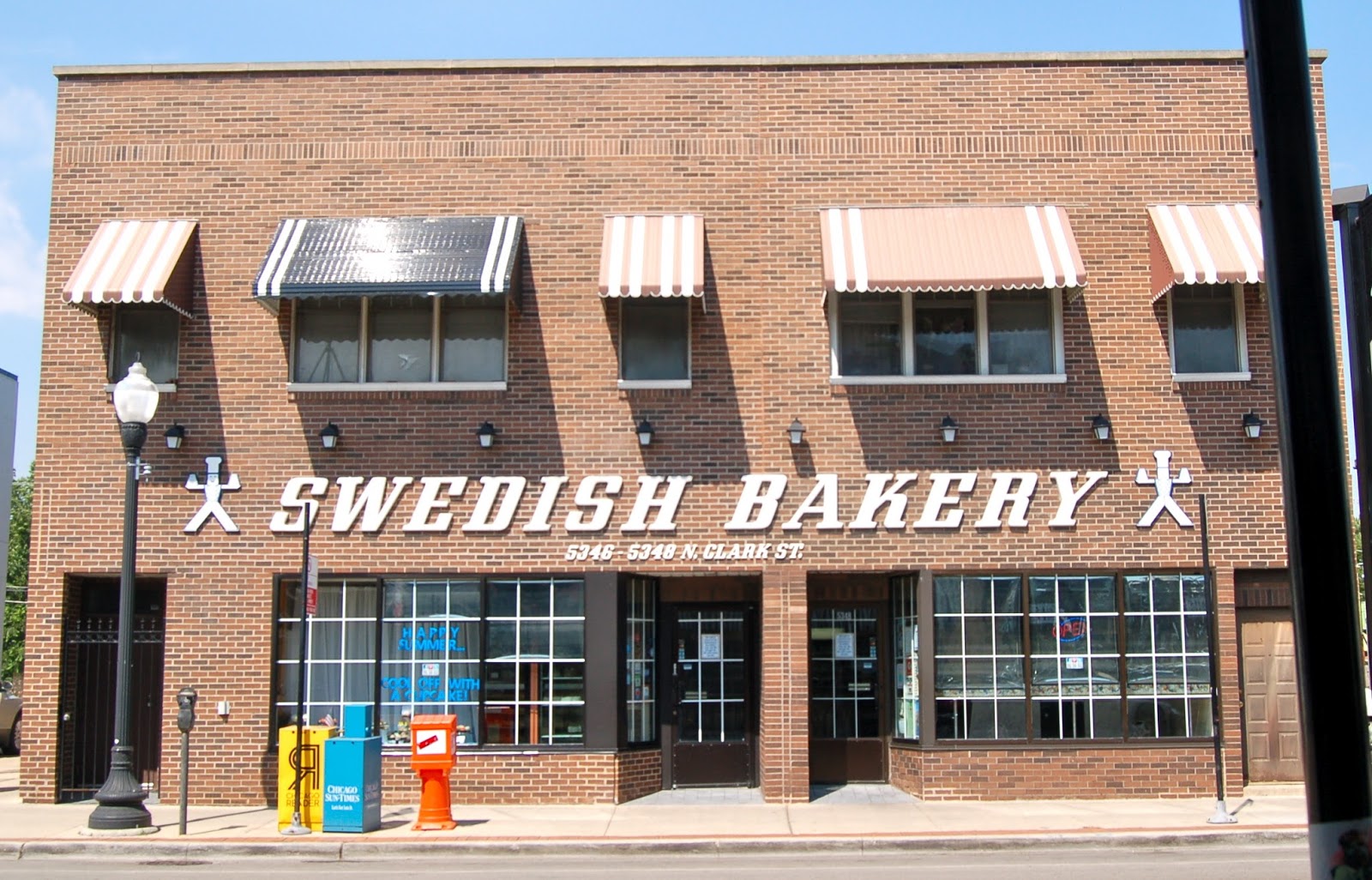
bakery
swedishamericaninternshipsummer2013.blogspot.com

We recently decided to revive the Chicago bakery tradition and headed to Andersonville. This Chicago neighborhood is bustling and its Swedish origins are clearly evident….it is hard to miss a Dala Horse as big as a real pony standing on the sidewalk.

We took a number at the local bakery and had plenty of time to ponder the offerings as we waited in line. The cardamon coffee cakes won out. This choice proved to be excellent especially when topped with lingonberry jam and butter.

My cousin does not have to bakery hop. She lives in Racine, Wisconsin, in a part of town that has always been known affectionately as “Kringleville”. One guess why.


0
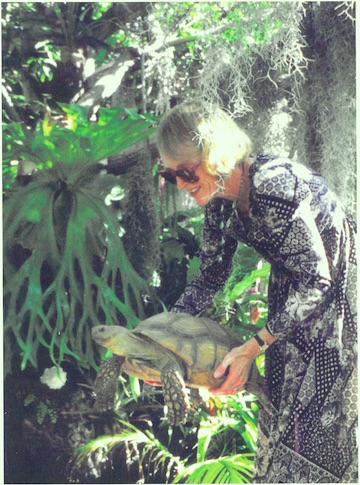
Turtles

This blog is for Joan, my favorite chelonophile.

The time has come to talk about turtles. National Turtle Day, May 23, will arrive soon, and here are some facts to celebrate.

Turtles, tortoises and terrapins are all reptiles. They belong to the order Chelonia, from the Greek word for tortoise. If you classify yourself as a lover of turtles, you are a chelonophile.

Turtles are terrific survivors. We people species are the new kids on neighborhood earth.  The oldest turtle fossils date to over 220 million years ago, the Triassic period. Amazingly, the ancient fossils are nearly identical anatomically to the turtles on earth now. (Mother Nature does not mess with designs that work.) Over 300 species of turtles currently inhabit the planet.

The three major groups of turtles display marked differences. Turtles spend most of their lives in water, either the ocean or freshwater lakes, ponds or rivers. They have webbed feet, or in the case of sea turtles, flippers.

Tortoises live on land and eat grasses, low growing shrubs and even cactuses. Their webless, round, stumpy feet are perfectly adapted to walk on land. Desert tortoises use their front legs to dig burrows.

Terrapins can’t make up their minds, dividing their time equally between land and water. They are often found in swampy places.

Desert tortoises hold the longevity record living up to 150 years. Sea turtles live about 70   years. Freshwater turtles can survive from 20 to 50 plus years.

The chelonian champion for size and weight is the leatherback sea turtle with a shell up to eight feet long. It is also the record weight holder at up to 1,800 pounds. The speckled Cape tortoise is among the smallest family members. It has a shell length of 3.1 inches  and weighs a mere five ounces.

MT with friendIf you would like to invite a turtle to dinner on May 23, here are some menu tips from the San Diego Zoo.

“At the San Diego Zoo, our aquatic turtles are fed a variety of foods including earthworms, minnows, goldfish, chopped mice, fruit, yams and leafy greens. They are also given a special treat the keepers call Jell-O wigglers, a gelatin ball that contains pellets with vitamins and minerals. Our land tortoises are feed a variety of vegetables and leafy greens, along with occasional treats like hibiscus flowers, melons, cactus pads and tomatoes. Our Galapagos tortoises in particular seem to be attracted to anything red, and they love their tomatoes!”

Please note that it is inadvisable to invite a leatherback turtle over for a meal. They  love to dine on poisonous jellyfish.


0

Tulips

My first encounter with tulips did not end well. Tulips lined the side of our house, and at age two I snapped off all the opening buds and was starting to eat them when my mother rushed out of the house and sternly informed me that tulips weren’t food.

The same year I was attempting to eat the tulip flowers, the people in the Netherlands saved themselves from starvation by eating their tulip bulbs. It was the last horrific year of WWII, the Nazis still occupied the Netherlands and tulip bulbs were plentiful because all trade had stopped. Newspapers ran life saving recipes for potato, cabbage and tulip bulb stew.

Tulips and Holland are synonymous. However, the Turks get credit for cultivating the tulip from a central Asian wild flower. This occurred around 1000 A.D. The name tulip was derived from a Turkish word for “turban”.

Tulips arrived in Holland in the 1500’s, and the first major book on them was written in 1592 by a professor at The University of Leiden.

By the mid-seventeenth century, everyone in Holland was crazy for the flowers and an economic bubble, “Tulip Mania”, resulted. The bulbs became so expensive that they were used like money. The most desired bulbs were the “flame tulips”, ones with multi colored petals caused by a virus. Semper Augustus, the most valued tulip sold during the frenzy, cost 10,000 Guilders, the price of a canal house. Inevitably, the market crashed and floral sanity returned.

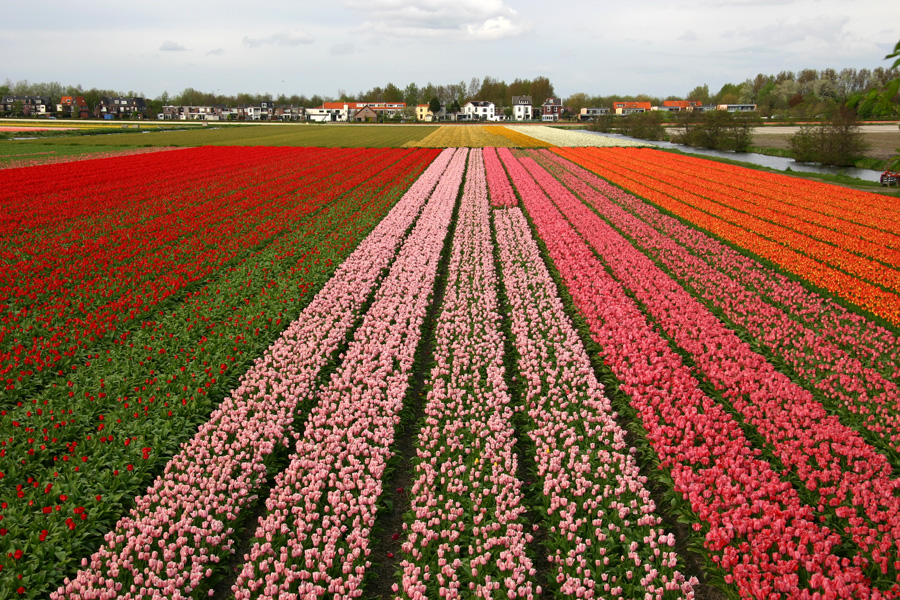
Photo by Alessandro Vecchi, <br>licensed under Creative Common
Photo by Alessandro Vecchi,
licensed under Creative Common

Tulips remain big business in the Netherlands; millions of bulbs are exported every year and millions of tourists are imported to view the dazzling tulip fields and festivals. The Netherlands contains half of all the greenhouses in Europe.

The Dutch register every tulip variety on an official list. The keeper of the list is the Koninklijk Algemeene voor Bloembollencultuur ( Royal General Association for Bulb Culture).

Whichever of the 8,000 varieties you choose, Sorbet, Salsa, Red Emperor, Flaming Kiss, Angel’s Dream, Carnaval de Nice or Mickey Mouse to name a few, they are guaranteed to brighten up any day. Just don’t eat them.

0

Calories

Regional cooking thrives below the Mason Dixon line. Any visit down South is a series of feasts…even for a non-red meat eater like me who passes on the barbecued ribs.

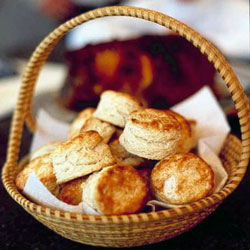
The goodness starts at breakfast. Biscuits and their soulmate grits are standard morning fare on southern menus. A large, buttermilk biscuit will keep me fortified to lunch; add cheese grits to that and I could stay fueled to dinner. I must admit I always reveal my Yankee upbringing by asking for my biscuit with butter, not gravy. Be advised that this is pure heresy in the South.

If you need a sugar shot in the AM, a waffle smothered in pecans and syrup may be in order. Sweet potato pancakes with pecan maple syrup are another delicious option.

My husband and I usually skip lunch in favor of tea time. A southern tea with a variety of savory and sweet treats is a wonderful way to spend a late afternoon. On the top tier of the tray is a variety of tiny sandwiches. The most quintessentially southern of these are the pimiento cheese ones. The filling is a combination of grated cheddar cheese, mayonnaise and pimientos.

The lower tiers display the southern art of dessert baking to the maximum. One of my favorites is hummingbird cake which is a dense spice cake with crushed pineapple, mashed bananas and pecans. By now you may have noticed a recurring tenet in southern cooking: anything can be enhanced with the addition of pecans.

Dinner in a traditional southern restaurant is no problem for vegetarians. The entrees are all meat, fish and seafood. But the southerners love their “sides” and it is perfectly acceptable to make a meal out of sides which are also called “vegetables”. I have never known a northerner who called macaroni and cheese a vegetable, but I think it is a brilliant idea.

Here is a typical list of “vegetables”:IMG_3122

  • Peas and snaps
  • Mashed potatoes
  • Baked sweet potatoes
  • Fried okra
  • Squash casserole
  • Brown rice
  • Collard greens
  • Broccoli casserole
  • Honey glazed carrots
  • Black eyed peas
  • Macaroni and cheese
  • Cheese grits
  • Creamed corn
  • Cole slaw
  • Applesauce
  • Fried green tomatoes

What’s not to love about southern fare……..except the calorie count?


0

3D

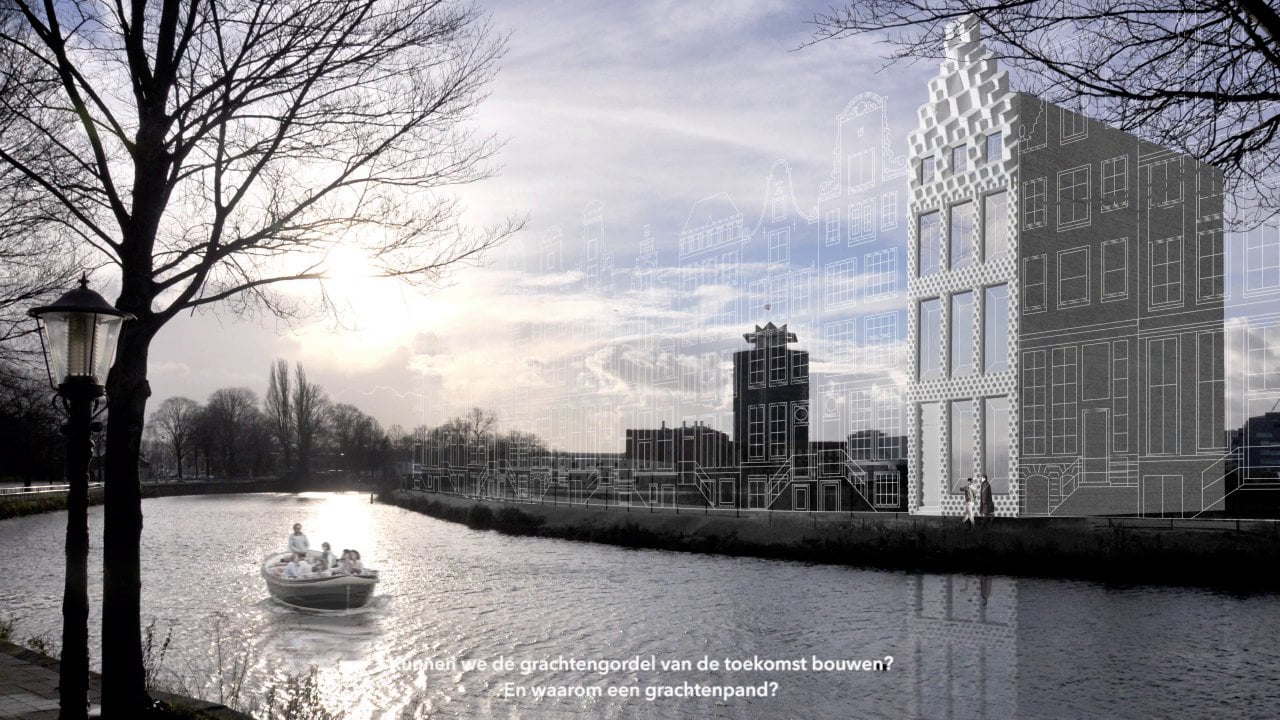
Put aside thoughts of 3D printers being used to turn out Starwars figures or little tchotchkes. The Dutch, leaders in innovative design, are using a 3D printer to build a house. And not just any old house, but a 21st century version of the 400 year old houses that line Amsterdam’s canals.

Project architects DUS began the three year endeavor in 2014 and describe it as “research by doing.” The 3D Print Canal House combines a building site, research center and exhibit space which is open to the public.

Architect Hans Vermeulen states, “The goal is to create a cost effective building technique for building sustainable and comfortable houses.”

The 3D Print Canal House is the first to be printed on the spot with a large, portable 3D printer. The  printing is being done with plastic made from vegetable oil rather than petroleum. Digital design files are fed into the 20 foot tall printer called the KamerMaker (room builder). The interior and exterior walls are then printed layer by layer from floor to ceiling with spaces left for pipes and wiring. The process is not lengthy, and when all the individual rooms are completed, they will be assembled to create a 13 room house on one of the city’s canals. Completion date is 2018, and the canal house will be a public building and research center.

Many significant and exciting outcomes can result from this innovative construction technology. My first thought was that housing for refugees could be made rapidly. Shelters for the homeless, temporary housing after natural disasters and homes for communities with housing shortages could become feasible.

On a personal note, one of my husband and my biggest frustrations when we designed our  own home would be eliminated. We had many wonderful ideas, but were quickly brought back to reality by an architect friend.

“You can only design something with right angles,” he said, “your budget is too small for anything with curves.”

image
DUS Architects

3D printers easily can make curves and free form shapes. An automated 3D construction method called “contour crafting” developed at the University of Southern California can print a 2,500 square foot house in 24 hours at a savings of 60% compared to traditional construction.

Despite roadblocks such as building codes, high land costs and Luddite thinking, I’m hopeful that digital printed construction is a concept that has arrived.

0