Frappucinno

“Frappuccino is such a silly word,” my husband remarked to me the other day.

“It certainly is,” I agreed, “and so is the number of calories in those concoctions.” However, he had sparked my curiosity about the origins of the word. A little research revealed that the word is a portmanteau.

The first definition of ‘portmanteau’ in the dictionary is “a large suitcase with two equal compartments.” The second definition is “words that blend the sounds and meanings of two words.”

Note that compound words are not portmanteaus. ‘Starfish’ is a compound word. If turned into a portmanteau it would be ‘stish’.

Frappuccino blends the word ‘frappe’ and ‘cappuccino’. The origins of the word ‘frappe’ are French, but it is also a common word in New England for a milkshake with ice cream. The Greeks have a very popular iced coffee drink they refer to as a frappe as well, and they invented it long before Starbucks came on the scene.

Portmanteaus are sprinkled throughout the English language:

  • motel- motor hotel
  • smog- smoke fog
  • moped- motor pedal
  • dumbfound- dumb confound
  • flexitarian- flexible vegetarian
  • bash- bang smash
  • wallaroo- wallaby kangaroo
  • hassle- haggle tussle

Those of us who love to travel come across many ingenious place name portmanteaus at borders:

  • Lake Wissota
  • Delmar
  • Arkoma
  • Calexico
  • Calneva
  • Florala
  • Idavada
  • Kanorado
  • Michiana
  • Texarkana
  • Texhoma

And let’s not forget SeaTac, the airport between Seattle and Tacoma.

To conclude, my least favorite portmanteau at the moment is Brexit. My favorite is pictured below. It’s our CATIO. The cats agree with me on this.


0
Moose

The other day at breakfast my husband asked me if there are any moose in Minnesota. In reply, I laughed and said, “Yes, but the real question is ‘how many?’.” I should note that my husband consults me about natural science, spelling and writing matters. He is the go to person for all things technical and mathematical.

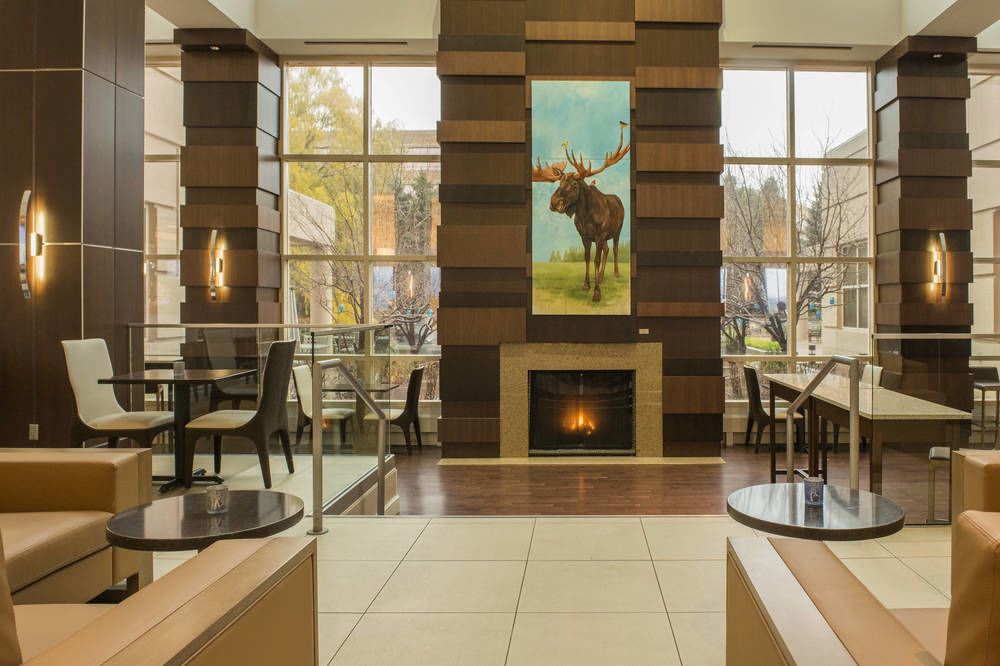
Moose and Minnesota are fairly synonymous. When staying at our favorite hotel in Minneapolis, a sleek, Euro-designed Marriott, the first thing we see when walking into the grand lobby is a giant painting of a moose. Plus, every store selling Minnesota souvenirs is loaded with moose stuff; socks, T shirts, slippers, moose crossing signs, etc. etc. The loon merchandise can’t even come close.

I was certain about the presence of moose in the land of 10,000 lakes, but I did need to consult the oracle about their numbers and status. It turns out the current estimated population is 3,030.

America has fifteen states that host moose: Alaska, Colorado, Idaho, Maine, Michigan, Minnesota, Montana, New Hampshire, New York, North Dakota, Utah, Vermont, Washington,Wisconsin and Wyoming.

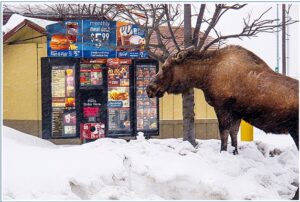
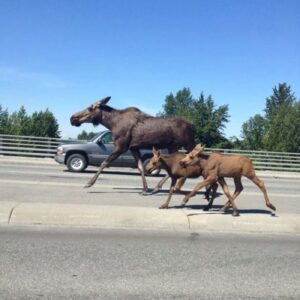
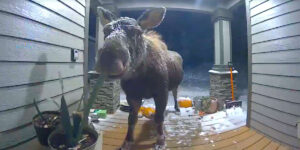
Alaska is the state with the most moose, about 170,000 to 200,000. I have a whole series of pictures in one of my children’s programs of Alaskan moose ambling through MacDonald’s parking lots, cruising down highways, and on front porches. These guys aren’t shy.

The state with the second highest numbers is Maine with estimates of 60,000 to 70,000 of these huge herbivores wandering around. My state, Wisconsin, has only 50 or less moose and they probably drifted in from Minnesota or the Upper Peninsula. We have no moose guests in the Tooley Cafe. However, I did visit a school in the northern part of my state where the kids told me they could not go out to play for several recesses due to a moose on their playground.

For an absolutely splendid overview of all things moose, consult Mooseworld.com.

0

Globes

It’s no secret that I love globes and maps. Whenever I am in a classroom doing one of my programs, I first locate a globe. Then, I inconspicuously give it a quick dusting. If the classroom is lucky enough to have a globe, it is frequently a seldom used object.

I used to bring my own globe, an inflatable one to make the total weight of my program lighter. But this proved unworkable as the beach ball planet keep deflating mid program.

Natural science, social studies and art are the topics I teach, often all three areas are discussed in the course of one presentation. I can’t imagine not having the globe ready at my side.

The other day I was setting up and a first grader asked me why I needed the globe.

“Well”, I replied,” it’s the only planet we have, the only one worth living on and I want to know where I’m at.”

Apparently, many people now don’t care. Driving home the other day, I heard on the radio that one of the public colleges in my state was dropping many majors due to declining enrollment and funding. Majors in both geography and history have been eliminated. I was stunned.

Whether we like it or not, our planet functions as a global entity in economics, science, communications and politics. The days of circling the wagons are decidedly over.

At this time of year the words “Peace on Earth” pop up everywhere. If these words are to be more than a catchy seasonal phrase, children and adults alike need to be educated about the planet and its people.

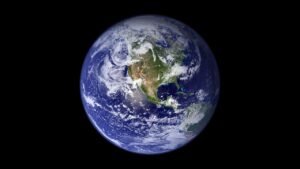
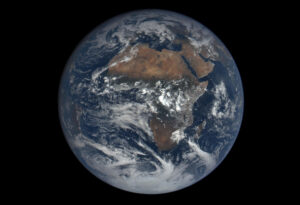
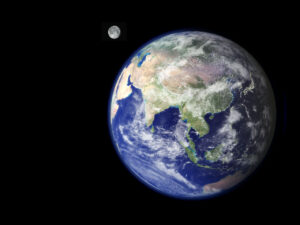
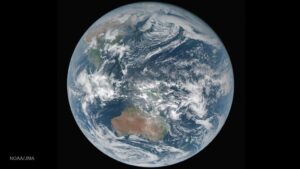
Below is the model for our classroom globes.

0

Topography

The inspiration for this blog comes from my cousin, a most fascinating person. Here is how he describes his interests: “The two things I loved most as a kid (other than math and piano) were city populations and mountain heights. The common theme throughout: NUMBERS! Well, that and geography/maps in general. That was before I started calling everyone by their phone numbers.”

My own childhood relationship with math can best be described as abysmal. I could hardly remember my own phone number. But geography was second only to art on my list of favorite subjects.

My cousin often sends posts about “fun with numbers”. When his number play intersects with geography, I am hooked. He truly can make numbers fun for me.

His latest post was about mathematical analysis of the flattest and least flat (or most rugged) states in America. He points out that various methods and criteria can be used to compile these statistics and lists can vary. But almost all the listings contain big, big surprises. There are so many things we people think we know but don’t.

So, fair warning….can you guess the top five flattest states and the top five most rugged? Clue: think of the total percentage of land given over to hills and mountains versus the flatlands.

[maxbutton id=”1″]

0

Hucksters

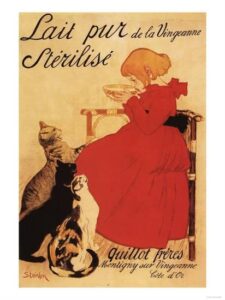
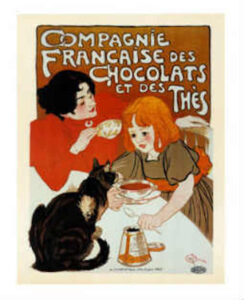
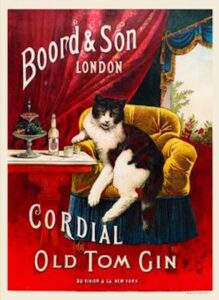
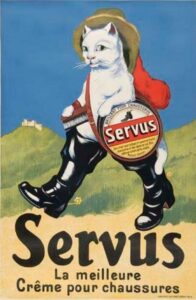
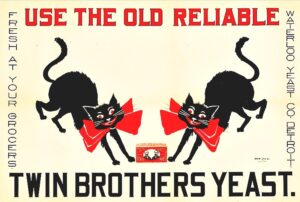
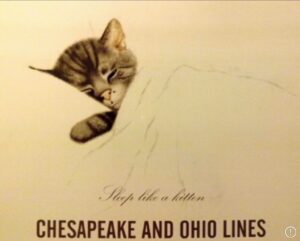
The art of the poster has always been a favorite of mine. The viewer is tempted with eye catching images to buy a product or service. Fine artists such as Lautrec, Steinlen and Miro have all contributed to the genre.

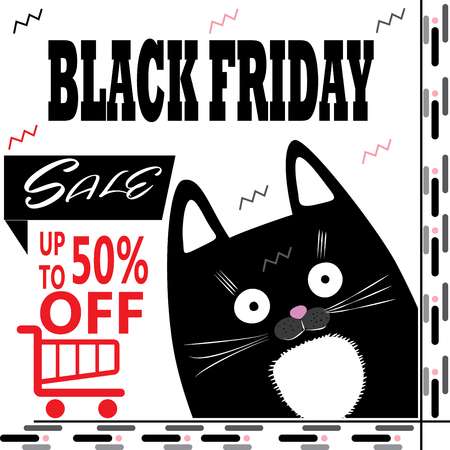
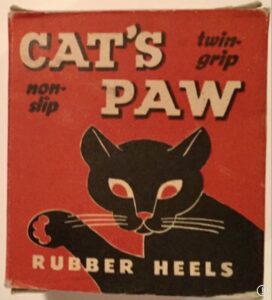
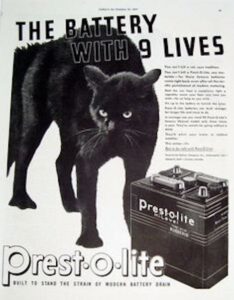
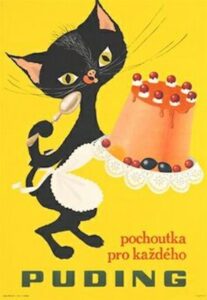
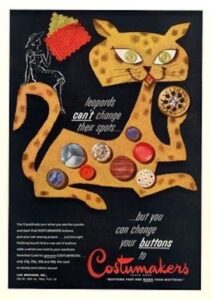
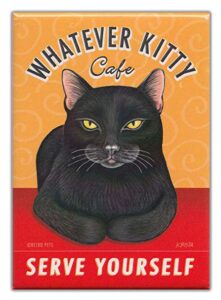
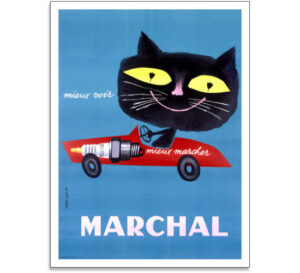
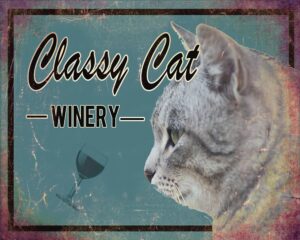
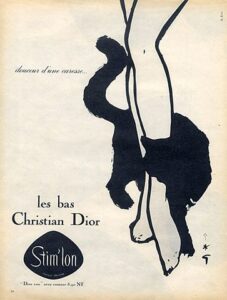
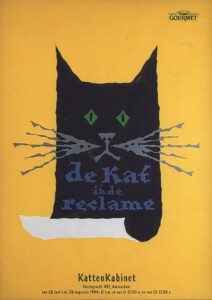
I recently saw a poster advertising that upcoming horror, Black Friday. It featured a wide eyed black cat, and it suddenly occurred to me how frequently advertising artists use images of cats to sell us something.

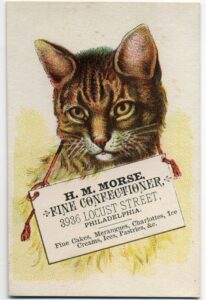
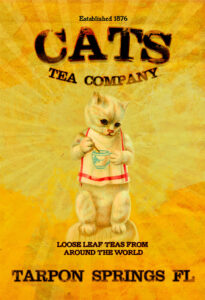
I decided to assemble a small gallery of posters where cats are hucksters for everything from hot chocolate to buttons to car batteries. Real cats, of course, could care less about being advertising icons. They are too busy with cat business, eating and napping.

The posters are arranged in loose chronological order starting with two by the fin de siecle artist Steinlen. He was a cat lover himself always having a gang of them around his home. Note that you do not have to be a cat fancier to enjoy this gallery : the graphic designs are spectacular.


0