Twisted

It all began with a sculpture. From that single piece of art, it spiraled into today’s biggest craze in high-rise architecture. Twisting towers are popping up all over the world.

The Chicago-based Council on Tall Buildings and Urban Habitat defines a twisting building as “one that progressively rotates its floors or facade as it gains height.” Their current world count of these eye-popping buildings is 41 twisted skyscrapers with 4 more under construction.

The renowned Spanish architect, Santiago Calatrava, sparked the era of twisted buildings. He was inspired by a sculpture by Halliday Avray-Wilson titled Twisting Male Torso. Calatrava then created his own sculpture, Twisting Tower, of white marble cubes.


In 1999, Johnny Örbäck, a director of Swedish housing, saw Calatrava’s sculpture and asked him to design a residential tower that resembled his artwork. The result was the first twisted building, “Turning Torso” in Malmo, Sweden.
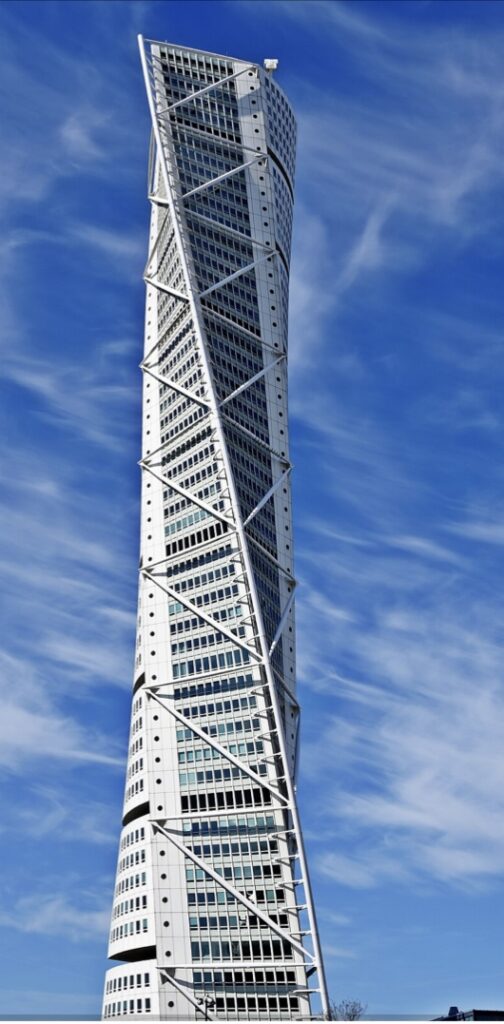
These innovative buildings have advantages and disadvantages. On the plus side, they are an aesthetic exclamation point on any skyline. Their occupants enjoy stunning and multiple vistas. And, environmentally, a twisted tower, compared to a similarly sized, rectangular one, can reduce wind load by as much as 24 per cent.

On the minus side, these buildings are far more expensive to build than traditional ones. Because of their complexity, the design and construction time is slower. In addition, the architects, engineers, developers and construction workers must all make a “highly focused” coordinated effort to make these unique buildings safe and successful. It’s so much easier to build a big, tall rectangle.

Check out these amazing structures from all around the globe.
5

Graveyard

I’m a lifelong lover of ice cream. But until recently, I never knew where ice cream flavors go when they die. Now I’m dreaming of a trip to Waterbury, Vermont. Here’s the scoop.

In 1978, Ben Cohen and Jerry Greenfield opened an ice cream parlor in a renovated gas station in Vermont. The business was fueled by a $5.00 correspondence course on ice cream making, $12,000 and a great deal of wit. Cherry Garcia, one of their first concoctions, remains a top seller to this day. But not all their imaginative flavor combinations have been hits.

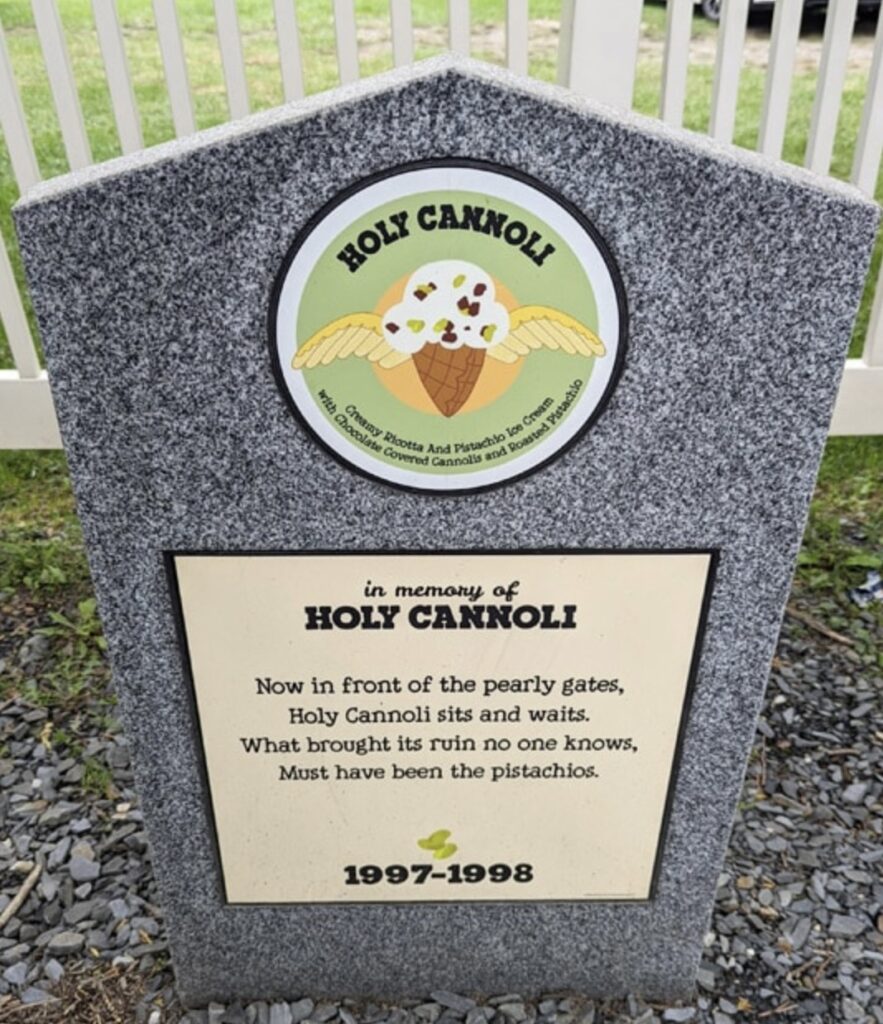
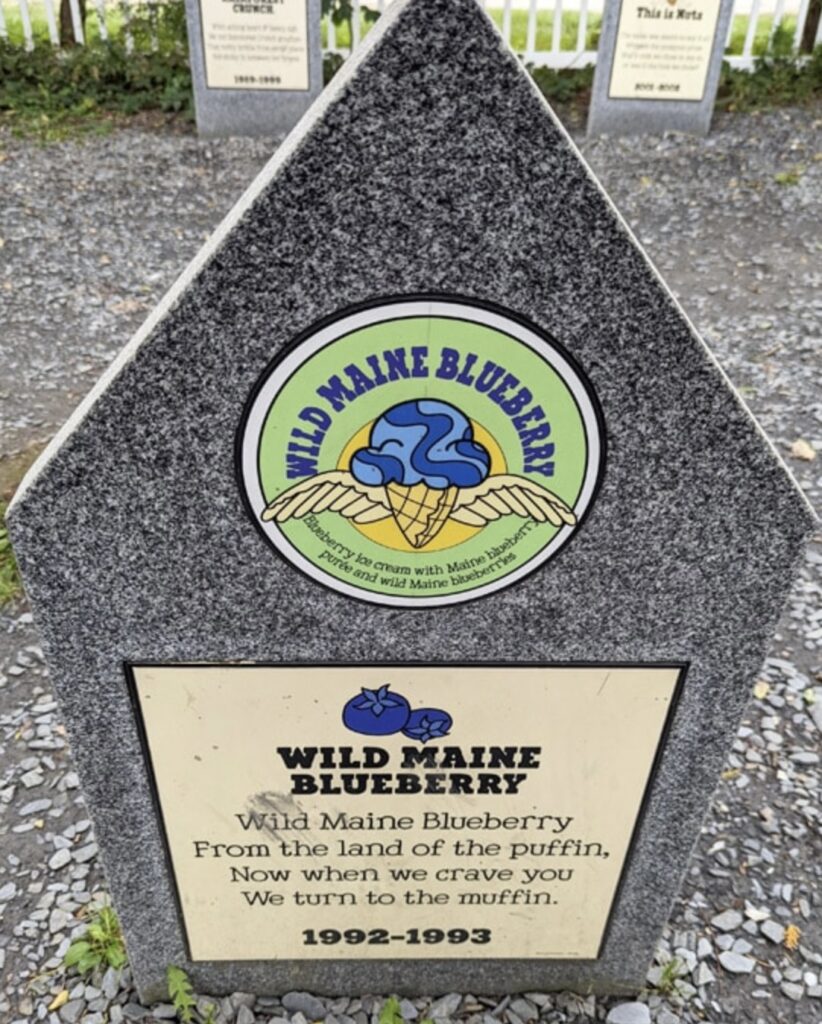
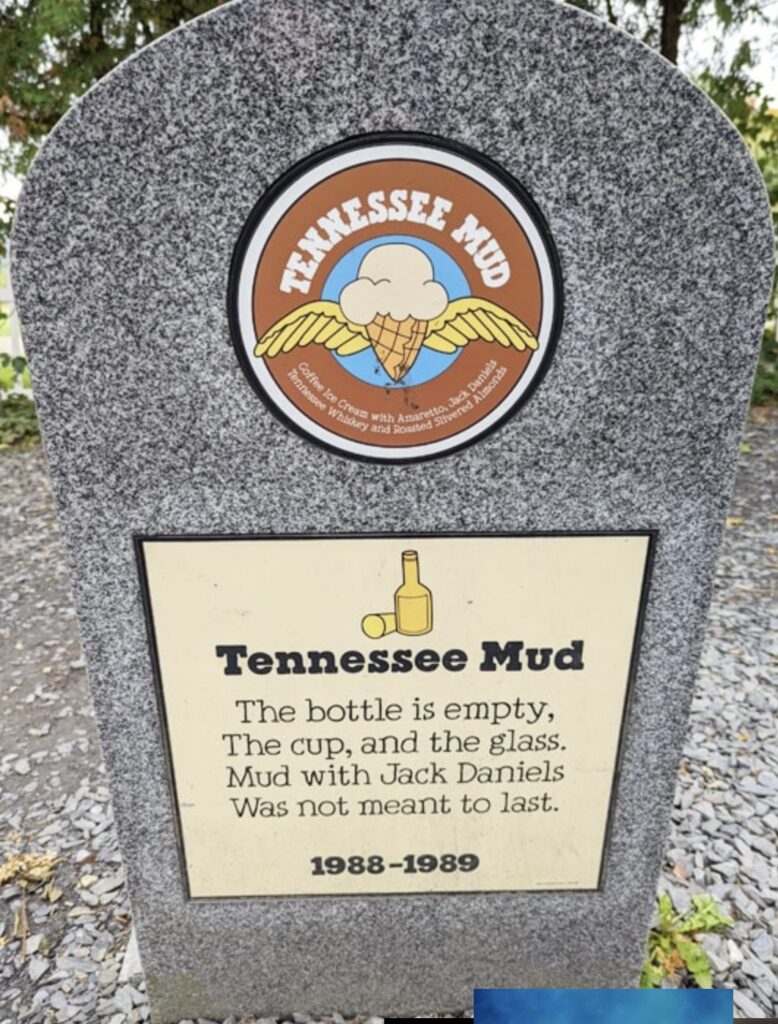
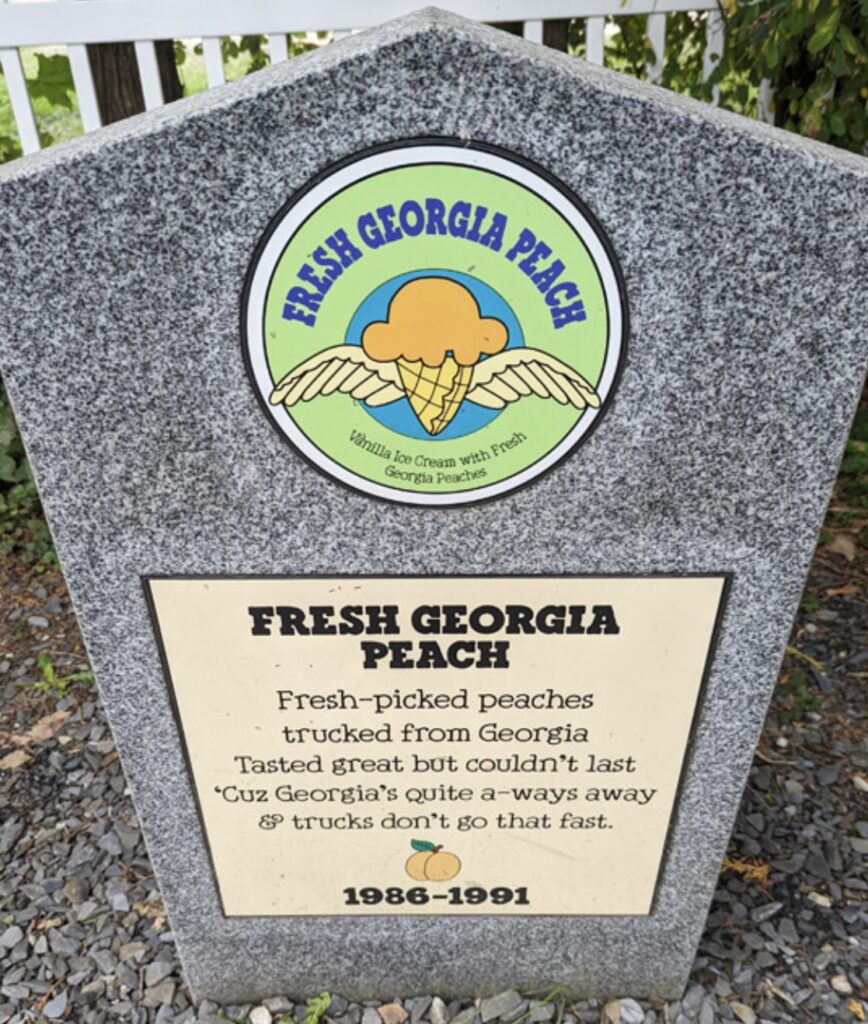
In 1997, Ben and Jerry killed off four flavors but wanted their memories to live on. So they created The Flavor Graveyard on a hill overlooking their factory in Waterbury, Vermont. Four granite headstones with rhyming epitaphs were erected to commemorate the fallen flavors which were Dastardly Mash, Economic Crunch, Ethan Almond and Tuskegee Chunk. Since that bittersweet start, many more flavors have melted into the earth including Wavy Gravy, Holy Cannoli and Cool Britannica. To date, 44 banished flavors have been put to rest, and around a quarter million visitors come to pay their respects each year.

Ben and Jerry have even staged a funeral for one of their departed flavors, What a Cluster. The somber event was filmed and posted on YouTube.

And, finally, here is some sweet news. Flavors can be resurrected from the dead. Ice cream fans can go to Ben and Jerry’s website and click on “Resurrect My Favorite Flavor”. That is how Dublin Mudslide rejoined the living on March 22, 2022.

Here is a sampling of the humorous tombstones.

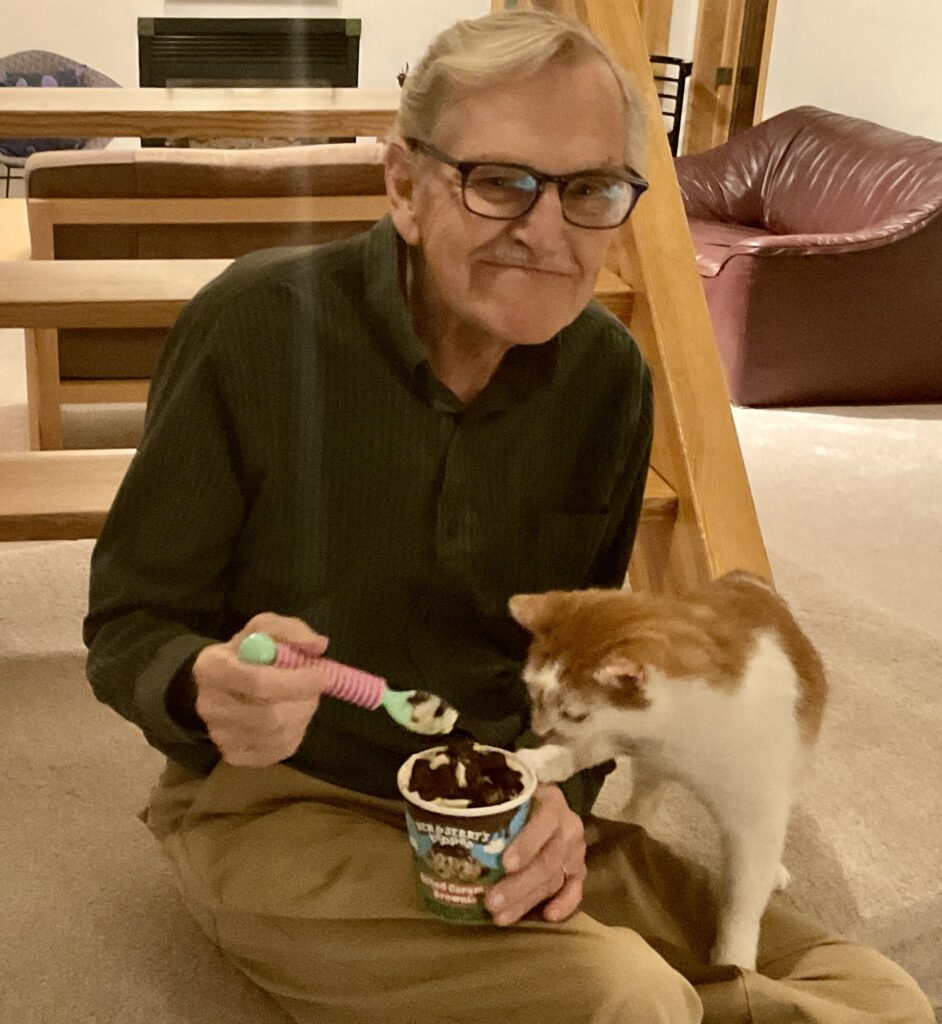
Celebrating a living flavor!
4

Weather

When I was dating my husband, he took me to northern Wisconsin to meet his relatives. I was a city girl; his family were farmers. A sentence would pop up in their conversations which puzzled me. Someone would declare, “Looks like there’s no weather today.” At first, this seemed nonsensical to me. How could the atmosphere be absent?

A bit of reflection provided the answer. Farmers depend on the weather for their livelihoods. “Weather” to them meant the stuff coming out of the sky that could make or break you; rain lightning strikes, blizzards and tornadoes.

Living in a rural community now for over 28 years, I, too, am more attuned to the weather’s importance. Our current mild winter would appear to be a gift. I love not having to bundle up in cocoons of winter clothing merely to step outside the door. And taking a walk on a 56° day in February is a joy. But then I begin to think like a farmer. What will happen if the apple trees bud out and then a March or April blizzard strikes? Will we have enough moisture in the soil for planting this year’s crops if we have no snow cover to melt?

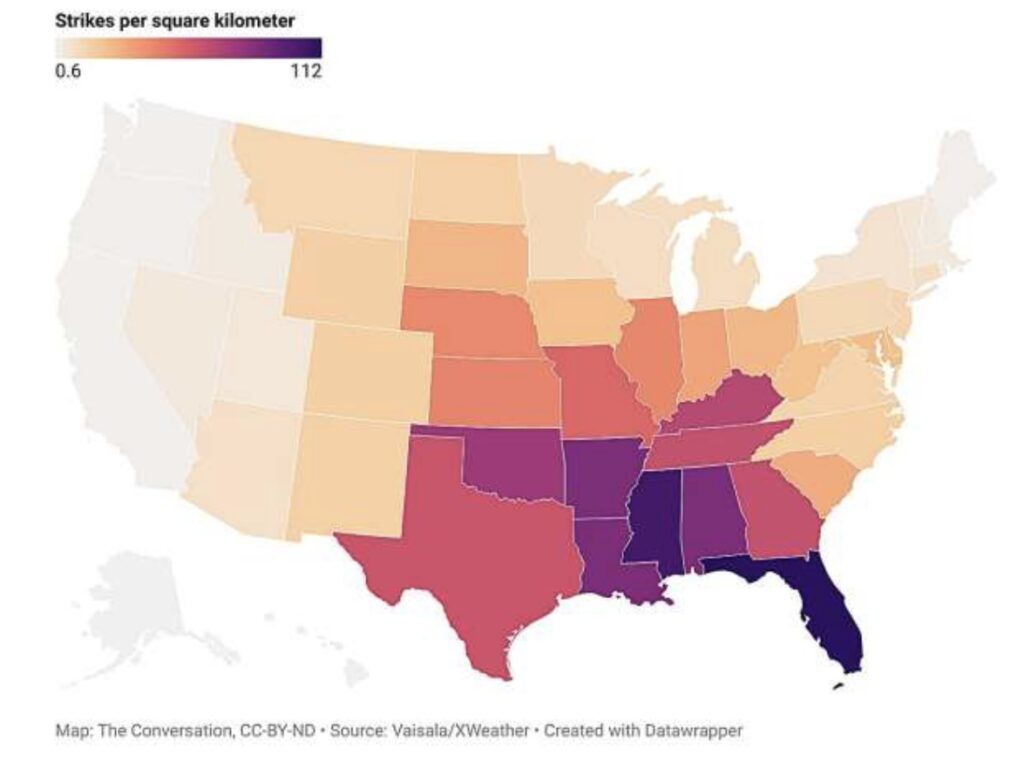
Weather isn’t something that’s just there, it’s critical to our survival whether we are urban or rural people. I recently saw a fascinating new map on the frequency and location of lightning strikes in America. To avoid “weather” in a farmer’s sense of the word, it might be best to stay out of Florida.

4

Audrey

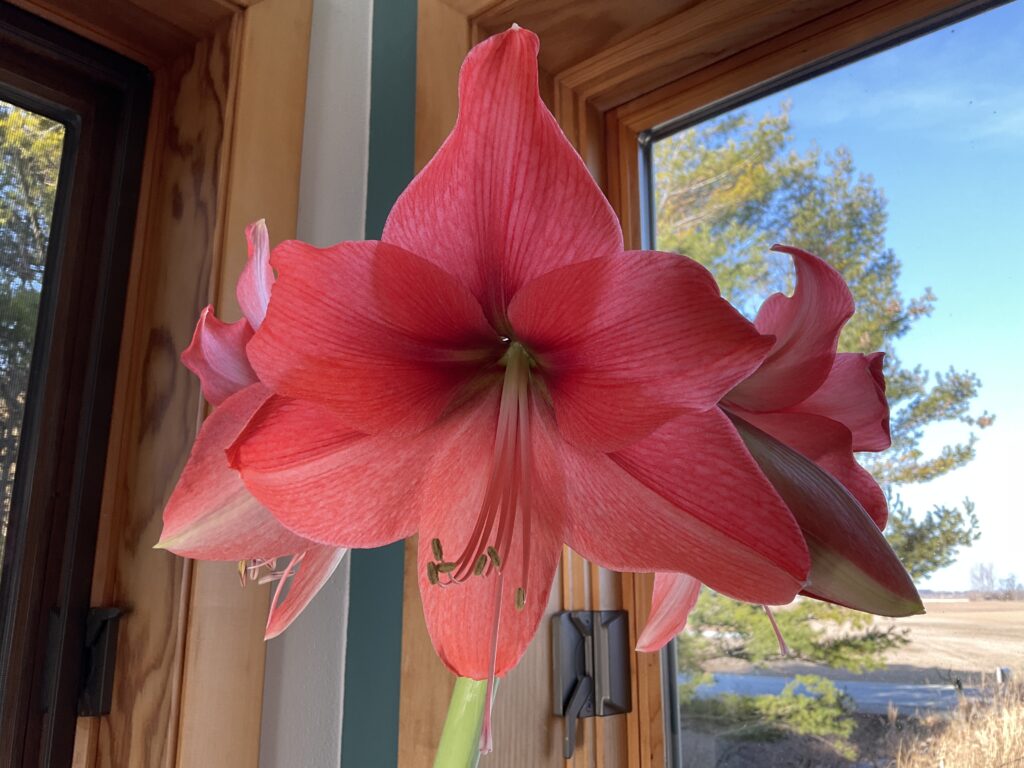
A dear friend of ours gives us a most welcome Christmas gift every year, an amaryllis. More correctly, I should say a future amaryllis; it’s a bulb in a box.

Every year I carefully follow the planting instructions. I put the hard, brown disc of potting medium into the plastic flowerpot, add water, watch the “soil” expand and plant the giant bulb.

This year I placed the pot in my kitchen window where it would get light and I could watch it grow. Each day for over three weeks I carefully checked for signs of life. Nothing. I concluded that this year’s bulb was D.O.A., dead on arrival, and moved it to the garage, figuring I could recycle the pot and soil in spring.

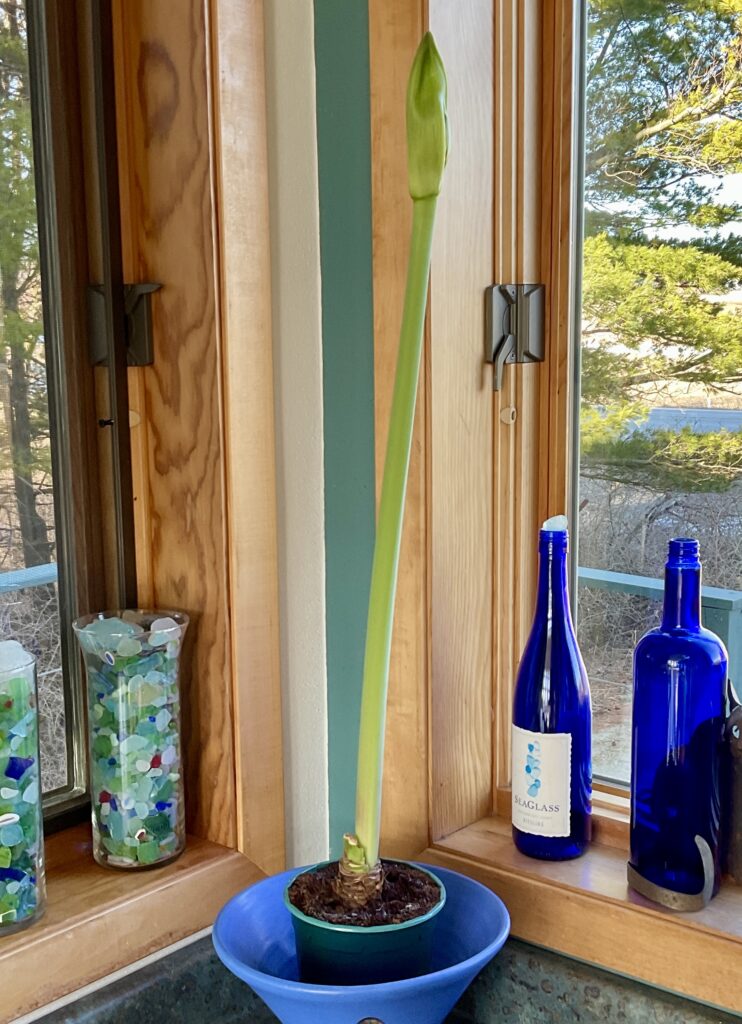
Three weeks go by. Then one day my husband comes into the kitchen and asks, “What is that weird plant in the garage?” For a second, I’m clueless. And then I remember my dead bulb. I retrieve my resurrected amaryllis from the garage and put it back at the kitchen window. Every day the stalk grows and grows and grows. The plant is growing at such a rapid pace that my husband and I almost spontaneously have the same thought… might we have Audrey in our kitchen? If you are not familiar with the play, Little Shop of Horrors, Audrey is a diabolical plant that takes over the shop.

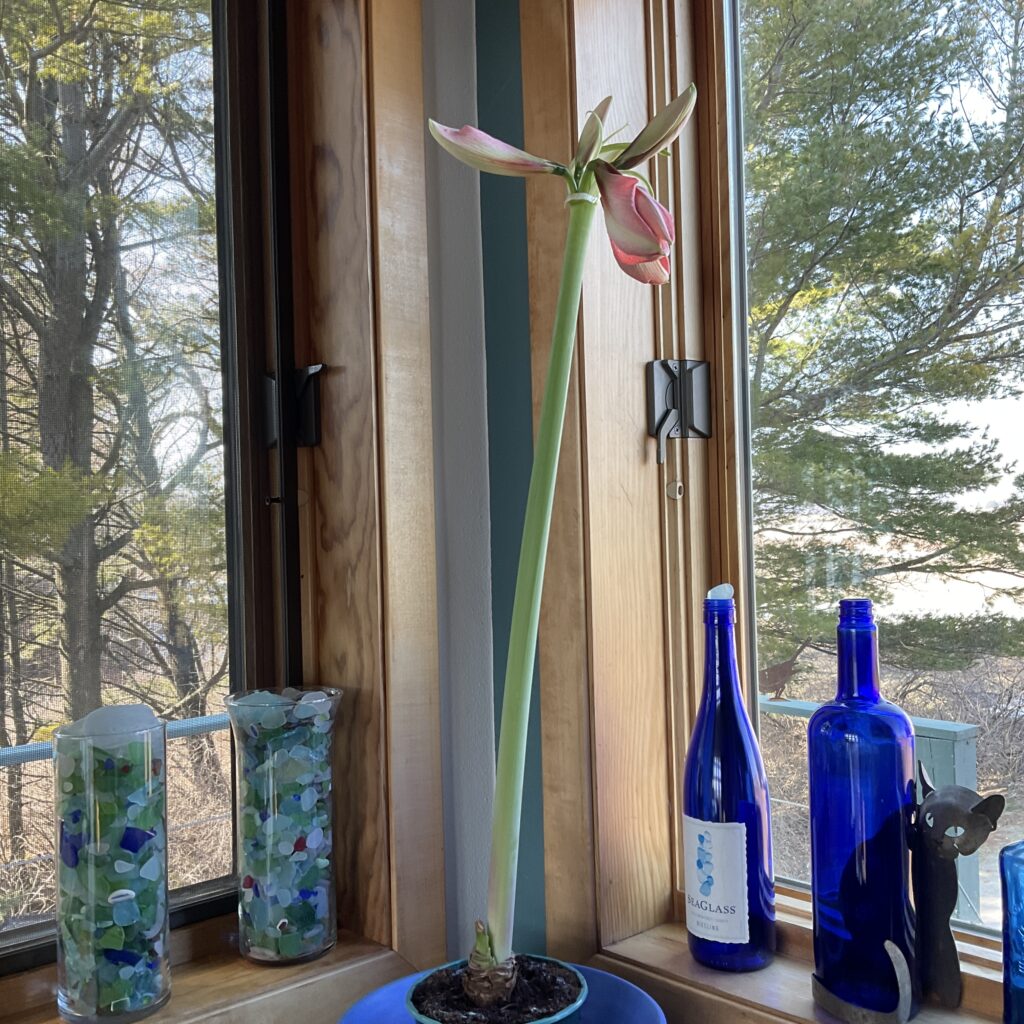
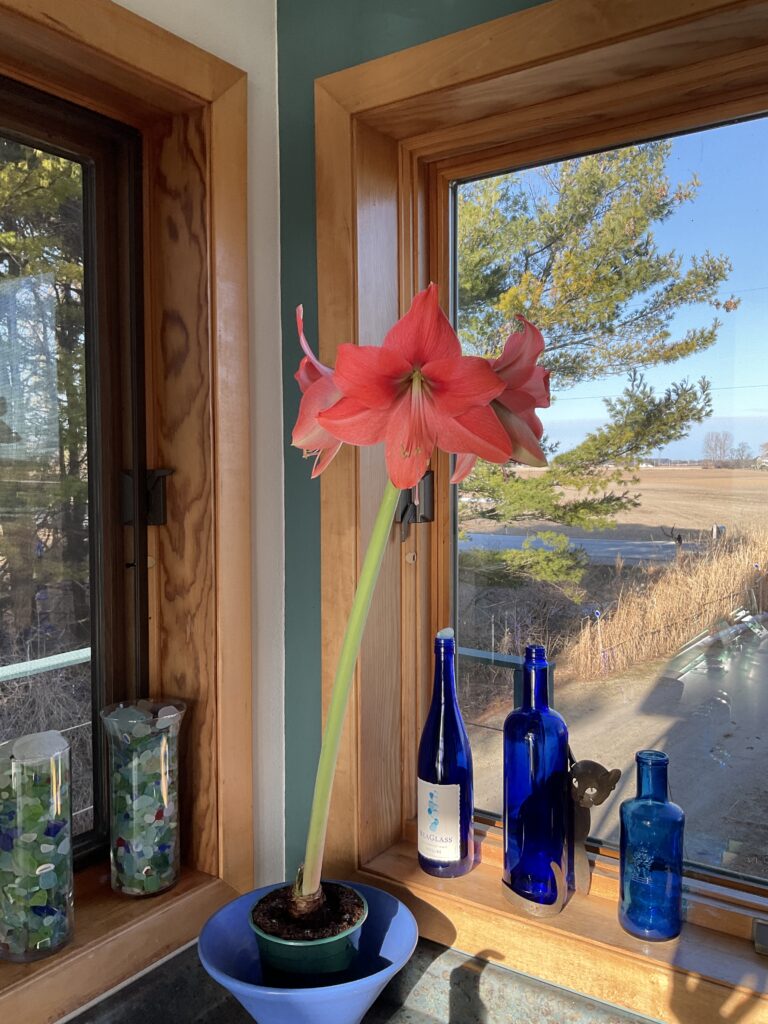
Our Audrey has what appears to be a bud at the top of her skyscraper stalk, but nothing much is happening there as the stalk zooms upward. We speculate that her waterless and windowless sojourn in the garage might have destroyed her flowers. But we do not banish her a second time. We just let our phallic demon stay put at the window until one day…


9

Reality

The other day it occurred to me that reality is fast becoming an anachronism. We are flooded with artificial intelligence, virtual reality, bots and avatars. It’s hard to find real stuff these days; even staples like meat and milk have fake versions.

The longing to escape reality is nothing new. Down through the ages, humans have fantasized about alternative worlds and superheroes. However, today’s technologies allow humans to immerse themselves in alternative worlds like never before.

The term virtual reality is an oxymoron, a contradiction of terms, which was coined by marketers. The real world is omni-present; the VR world vanishes when the VR device is not charged, the power fails or the device is stolen. “Almost” reality cannot be equated with real reality. It can, however, be marketed for huge profit. By 2028, the virtual reality market is predicted to be worth over 60 billion dollars. Marketing fake reality is big business.

I believe the time has come for reality to counter by having a marketing campaign of its own. I would love to help out. To make a comeback, reality will need some snappy new slogans such as:

  • Reality: The Ultimate High
  • Reality: No Artificial Ingredients
  • Artificial Intelligence? Get Real!

It might be a good idea to pull out the power cord or take off the goggles. The real world has a lot to offer. Really.

4