Artisanal

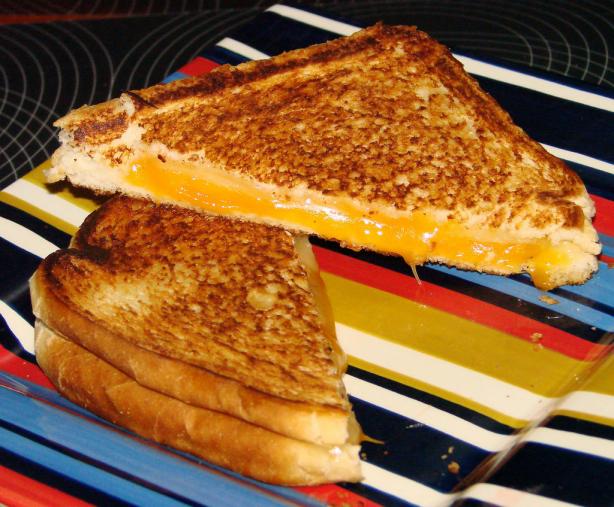
Some things should not be improved. The grilled cheese sandwich is one of those things. Good cheese, good bread, real butter and heat are the only elements required for the perfect G.C.

Unfortunately, the grilled cheese sandwich, my ultimate comfort food, appears to be the hottest new food fad. A New York Times article has confirmed my fears: “Artisanal grilled cheese shops, a culinary sub genre, (have) boomed in the last year.”

That line was included in a restaurant review of the food trucks and new restaurants in New York (Milk Truck, Melt Shop, etc.) that are devoted to the once humble G.C. The sandwiches are described with phrases such as “grassy undertones”, “inner magma” and  “minimalist composition”.

When I read this nonsense, I want to laugh, scream, cry or get out a frying pan and make a real grilled cheese sandwich.

Any food that the food groupies target for their fleeting admiration is destined to be degraded. Two other bad things automatically result as well: the prices of the item soar and the calories of the item soar.

Please stop over for lunch sometime. I will make you a grilled cheese, and it won’t be artisanal, but I think we will be just fine.
0

Beautiful

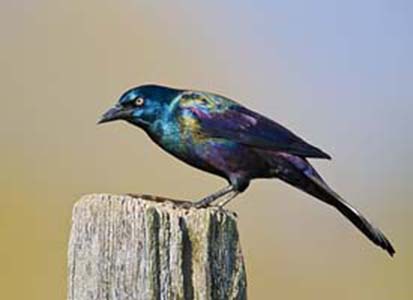
The “most beautiful bird in the world” was under our feeders the other morning. I put down my cereal spoon, picked up the binoculars and zoomed in for a closer look at this jewel-toned bird. Soon he was joined by eight friends all shimmering in the morning sunlight.

I have appreciated these stunning creatures for over forty years. That was when our young son called to me, “Mommy, mommy, come quick, the most beautiful bird in the world is outside the window!” I flew to the window expecting to see something on the par with a quetzal bird or at least a Baltimore oriole. What I saw was a grackle.

Fortunately, I was taken aback for only a second. My little boy was seeing the world with fresh eyes, the eyes Picasso always said that he longed for. I learned my lesson, and, as a consequence, am thrilled every time Common Grackles pay us a visit.

I love the Cornell Lab of Ornithology’s description of the bird: “Common Grackles are blackbirds that look like they’ve been stretched”. Their head and bodies shimmer with iridescent colors like a fine Raku pot that has just come out of the fire. Their heads are a magnificent melding of turquoise, royal blue and black. Amber tones gleam on the upper back and are followed by magenta and brown hues on the back half of the body. The tail is long and black, and the eyes are bright gold.

The Common Grackles’ voice would not be referred to as lovely. In fact, their name derives from the Latin word “graculus” meaning “to cough”, an accurate description of their loud, raspy call.

These big, noisy birds often flock with other blackbirds. Several weeks ago we heard a huge cacophony in our pine grove. The trees were dotted with grackles but also red winged blackbirds scouting out their territories.

Grackles are opportunistic eaters. They eat primarily seeds, but almost anything else as well including fruit, fish, frogs, mice, spiders, grasshoppers and garbage. Corn sprouts and ripening corn are their favorite treats, a fact that does not endear them to farmers.

But grackles are always welcome in the Tooley Cafe. They make us muse on how many natural wonders our jaded adult eyes may be missing. Quite a few, I suspect.

allaboutbirds.org
0

Broom

Last weekend we drove to Kentucky to buy a broom. Our thirty year old broom was made at Berea College, and its demise provided a perfect excuse for a road trip to springtime Kentucky. The College is an American treasure and worthy of a trip, broom or no broom.

Founded in 1855 by Christian abolitionists, this small liberal arts college welcomes everyone and was the first in the South to admit African Americans and women. Berea is nestled in the foothills of the Appalachians. Their aim is “to strive to be courageous and innovative as we break down barriers to inequality, justice and economic opportunity through distinctive and distinguished education.”

All students get a four year tuition scholarship and all participate in a campus-based work program of not more than 15 hours a week. Many students choose Berea’s Craft Programs which preserve the traditional arts of the Appalachian Mountains.

The young people in woodworking, broom making, weaving, pottery and furniture studios produce exquisitely crafted products.

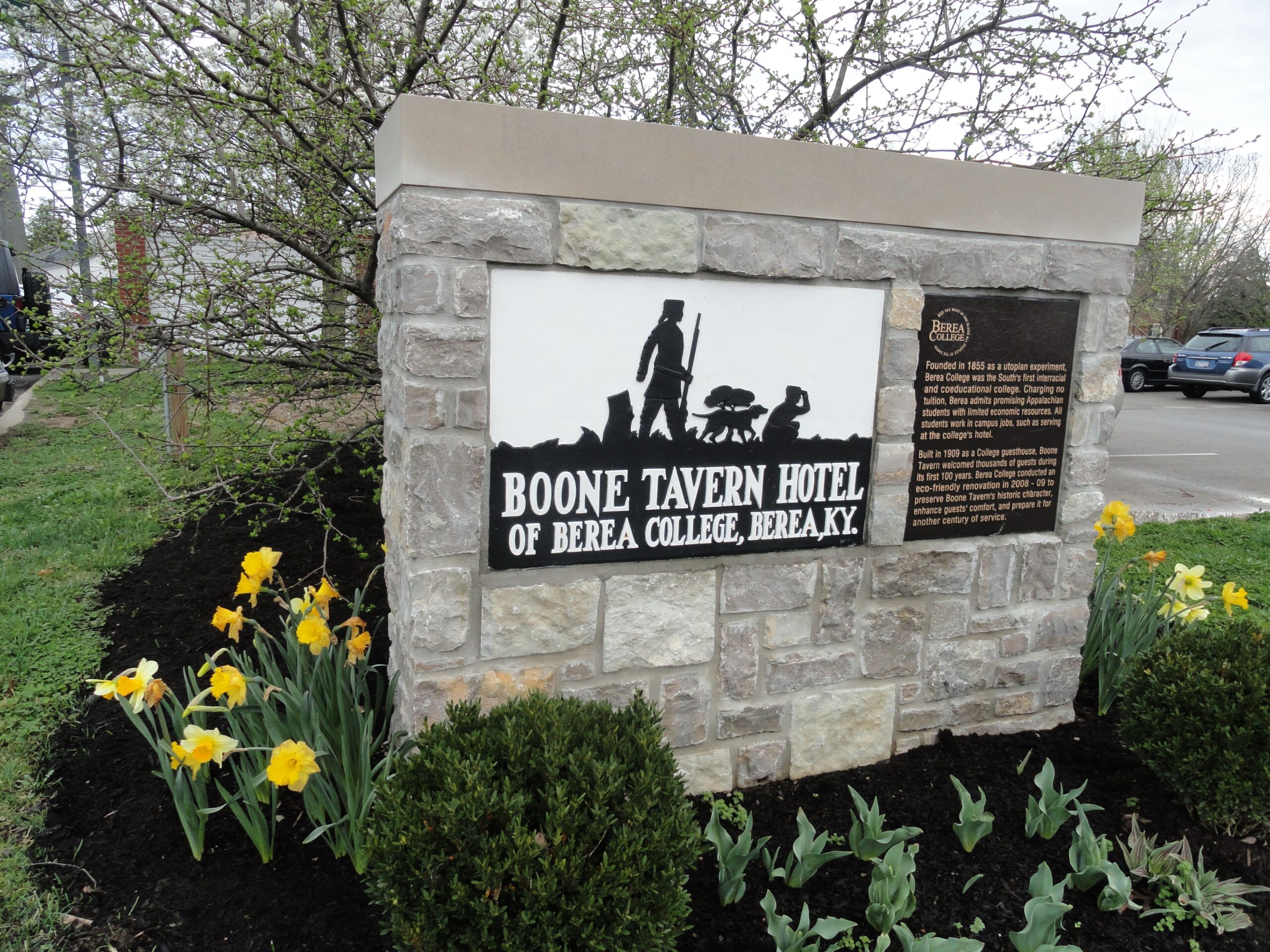
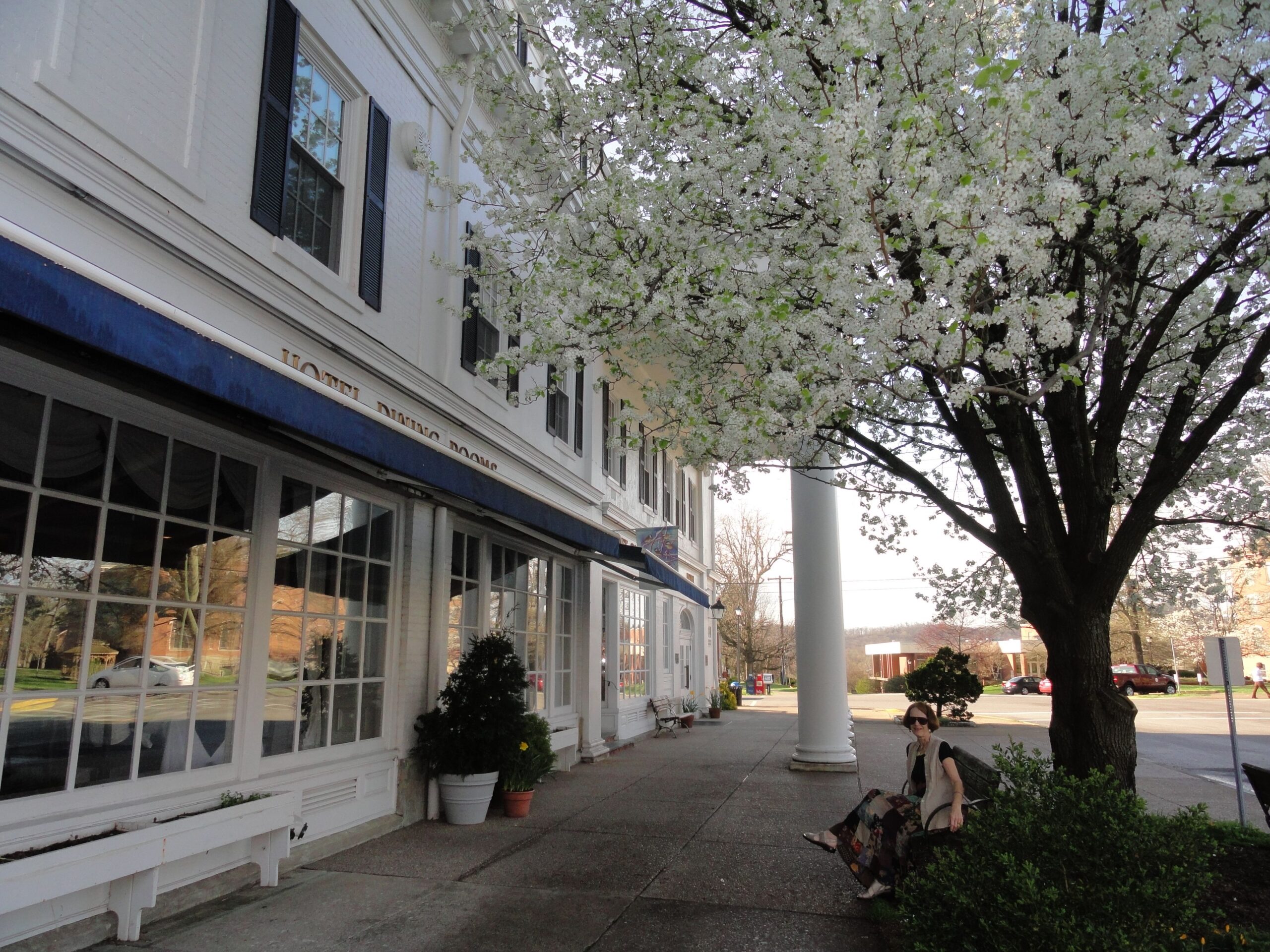
Since 1909, the historic Boone Tavern and Dining Rooms have welcomed visitors and trained students in the hospitality arts. All the furniture in the hotel is student made. Boone Tavern Hotel is a Historic Hotel of America and its recent renovations earned it LEED gold certification…it’s green. On a wry note, be advised that the Tavern is dry.

Berea is an art lovers’ paradise. It is also a potent reminder that America cannot and should not waste the potential of students from poor families. Berea College was radically innovative in 1855. Berea remains radically innovative in 2012.

Click here for more about the Berea College crafts program.

0

Flirt

Spring is a flirt. She comes sashaying in for a day or two and then departs abruptly for places unknown.

The season has arrived on our calendars and our clocks have sprung forward. Primavera, however, is still doing her annual tease. I have lived on the planet long enough to be wise to Spring’s siren songs.

The snow brush and ice scraper will remain under the seat of my car. Even if I leave the house in sandals and sans jacket, a winter coat and boots will be stashed in the trunk. The outdoor furniture will linger under wraps in the garage.

Inside, the quilt will reside at the foot of the bed. The summer clothes will stay nestled in the far back of the closet, and I will still be making those hearty soups in the kitchen.

My advice to robins is “extend your winter vacations”. Chipmunks and groundhogs should sleep in a bit longer. Tulips, daffodils and crocus should all think twice about poking up their tender, green leaves. Contrary to scientific rumor, snow is not the best blanket.

Spring, be warned, you will not be breaking my heart this year. I’ll trust you around May 30th.


0

Y.A.M.

March has roared in and with it the annual month long celebration of Youth Art Month, a.k.a. YAM. Delightful exhibits of children’s art have sprung up in libraries, art museums, stores and businesses all across America.

Anyone who is in need of a spring tonic can simply head to the nearest show. Children’s art can be summed up in one word, joyful.

For those of us who teach the arts, this year’s event is poignant. Education in all the arts is under attack throughout America. Our children’s art and music teachers are being fired in record numbers as programs in all the arts are the first to fall when budgets are being slashed. In addition, an alarming number of Americans are gleeful to see their schools gutted and teachers vilified.

It is not hyperbole to say that a great nation must have great schools. Leaders are thinkers, and schools must do more than cram kids’ brains with test answers. Arts educators motivate our children to be creative thinkers, astute observers, problem solvers and innovators.

How sad that the richest nation in the world is denying so many children any education in the arts.

And don’t be fooled. Art events and one time special classes for a few kids that are sponsored by corporations or rich individuals don’t ever take the place of art and music teachers in our schools every week, year round.

The time has come to speak up and demand a quality, all inclusive education for all of America’s children, not just the wealthy, lucky and privileged.

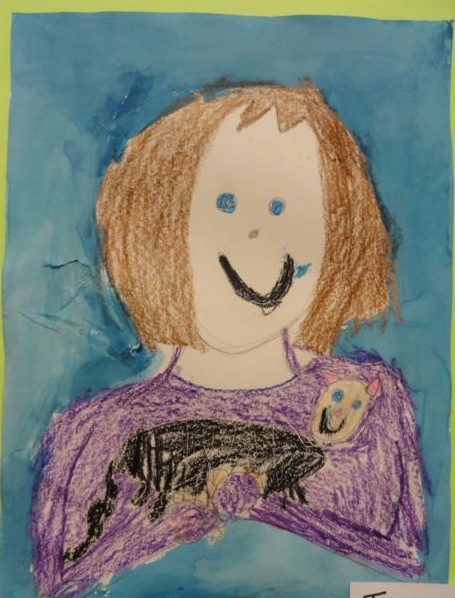
Click here for a short and exuberantly happy tour of children’s art. The first three pictures, the folk art Tree of Life, a Renoir and a Delaunay were inspiration for my students. (And, yes, I seem to be a bit catcentric in my choice of subject matter this year.)


0