Notes

The idea is brilliant in its simplicity. About five years ago, I read about a gentleman from the 1800’s who recorded a one or two sentence observation from nature each day. He faithfully made his notations for decades. I immediately wanted to do the same.

My husband and I moved to the country 17 years ago to slow down our lives. I was born and raised in a big city: I will always love the diversity, excitement, art and architecture a large city offers. But the noise and pace of city life can drown out the subtleties of nature. We have chosen to make city visits the exclamation points in our quieter, country life.

I now have recorded five years of daily events. These notes are the opposite of keeping a diary. A diary is about the “me”….what I am doing or what someone is doing to me. In my nature log, I am merely an observer to the daily wonders.

Some sample entries:

July 3, 2008 – Crow walking and tapping on the skylights at dawn…a big racket!

April 29, 2009 – Marsh marigolds starting to bloom, the gnats return.

June 2, 2010 – Mom raccoon brings her 6 new babies to The Tooley Cafe.

March 10, 2011 – The goldfinches are turning yellow.

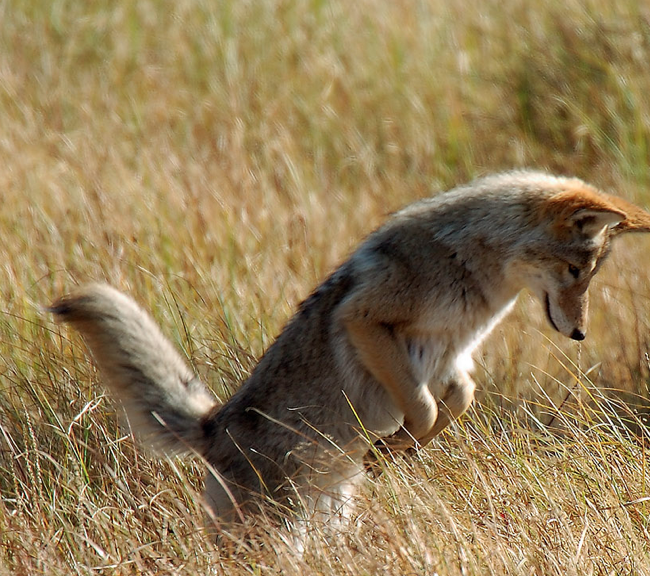
October 3, 2012 – A coyote is out at noon looking for lunch in the newly cut field across the road. He trots off into the corn.

January 18, 2013 – A vivid magenta and pink sunset is reflected in the eastern sky.

Thich Naht Hanh would call this exercise mindfulness and scientists would call it observation. To me, it is taking notice.
0

Tires

“Lady, don’t drive anywhere without a mechanic in the trunk.”

This advice from Click and Clack to a caller on their Car Talk program now applies to me. I can no longer  drive my husband’s car if he or the mechanic in the trunk aren’t present.

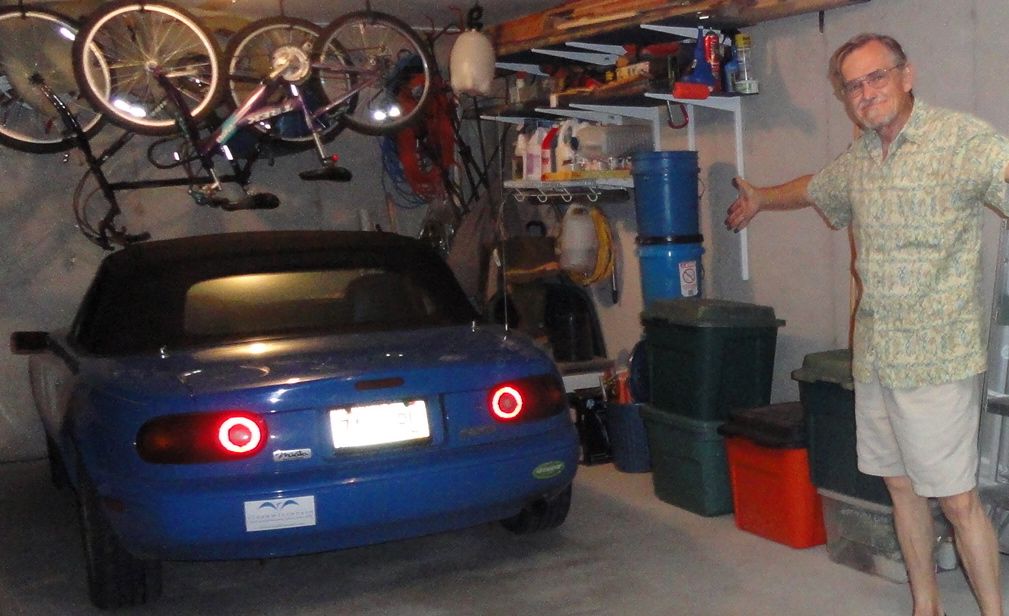
We both love our 1990 blue Miata convertible: it is still shiny, rust free and undinged. But the other day I was rushing to the Post Office and took off in the Miata, the last car in the driveway. I panicked on the freeway when I realized I hadn’t checked the tires. A prerequisite to driving the car is to check the tires and inflate them when necessary with a can of tire-be-fixed with glue additives.

Trips to the car wash are also problematic. On the last visit, my husband handed me a stack of bath towels as he drove into the bay and said, “You will need these”. Water was soon spurting into the car from multiple leaks in the convertible top. On the bright side, we had bought the exterior wash and were getting the interior done as well.

The noises are another problem. This geriatric vehicle can make some scary sounds. I cannot discriminate between an “your entire engine is falling out” sound and a “that’s nothing to worry about’ sound”. Guys have an advantage in this department.

The lack of shock absorbers doesn’t bother me, you can’t have everything, right? The frequent lack of a side mount mirror is another matter. When your car is the size of a pea, it is beneficial to know what’s in your immediate territory.

My husband recently told me he’s decided to buy his 23 year old car a new set of tires. I’m O.K.with this purchase.  I just think of Cuba. The guys down there keep cars going for 50 or 60 years.

Wish us luck.

0

Hon

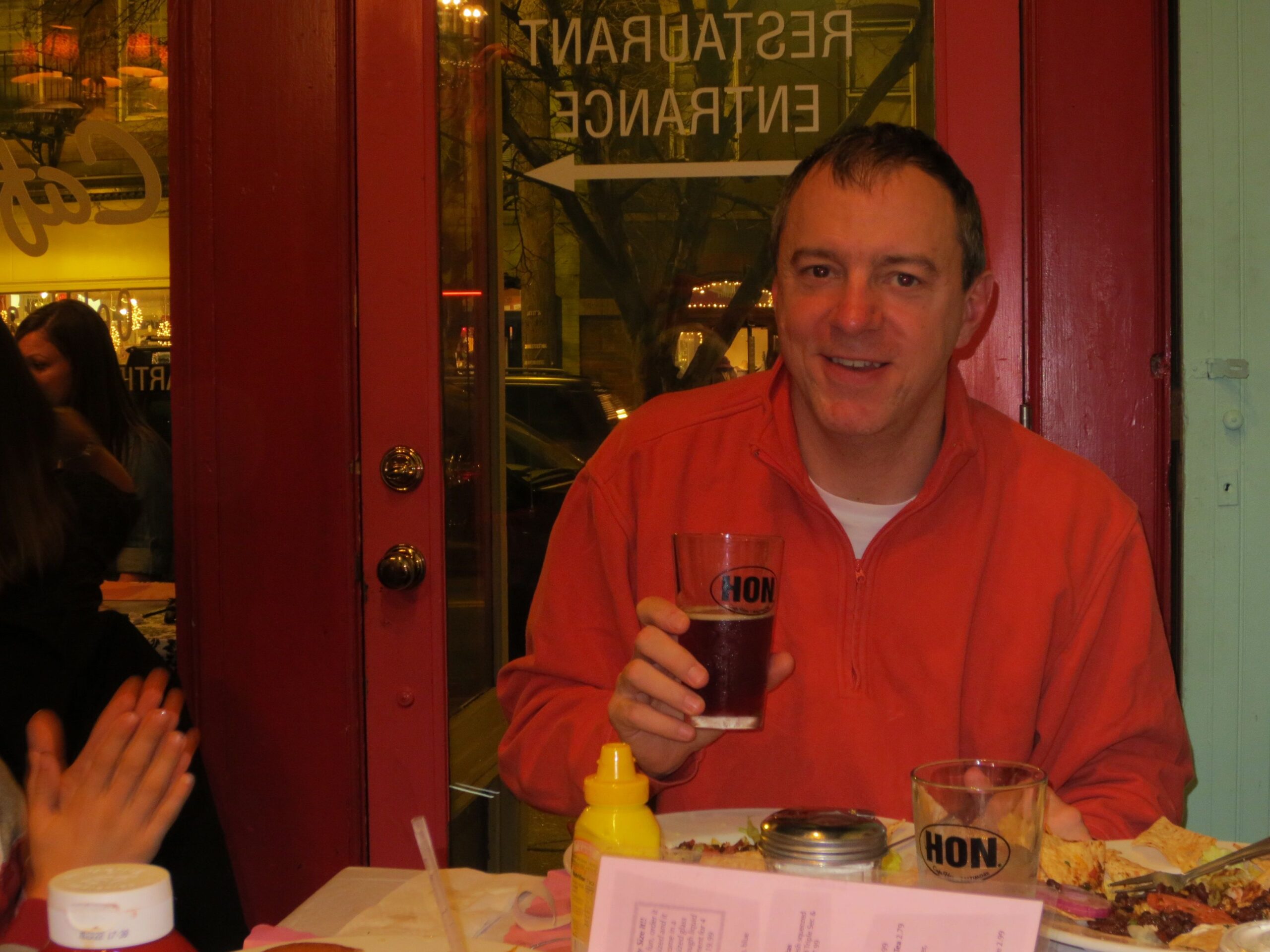
The Maryland branch of our family recently suggested dinner at Cafe “Hun”. Visions of Attila in the kitchen entered my mind.

It turns out that the “Hun” in this Baltimore eatery is spelled “Hon” which every Baltimore resident knows is short for honey as in, “Hey, hon, how’s it going?”

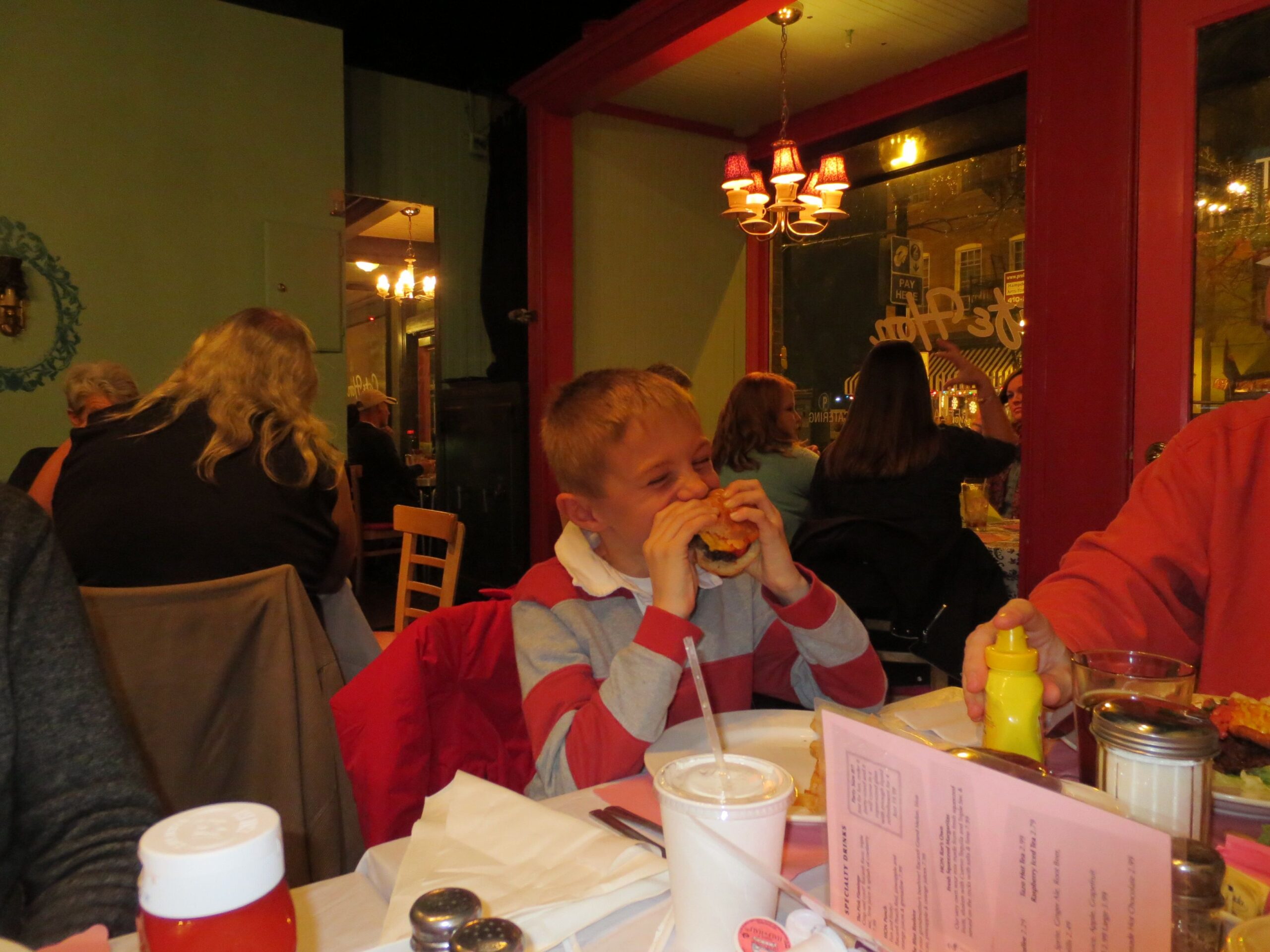
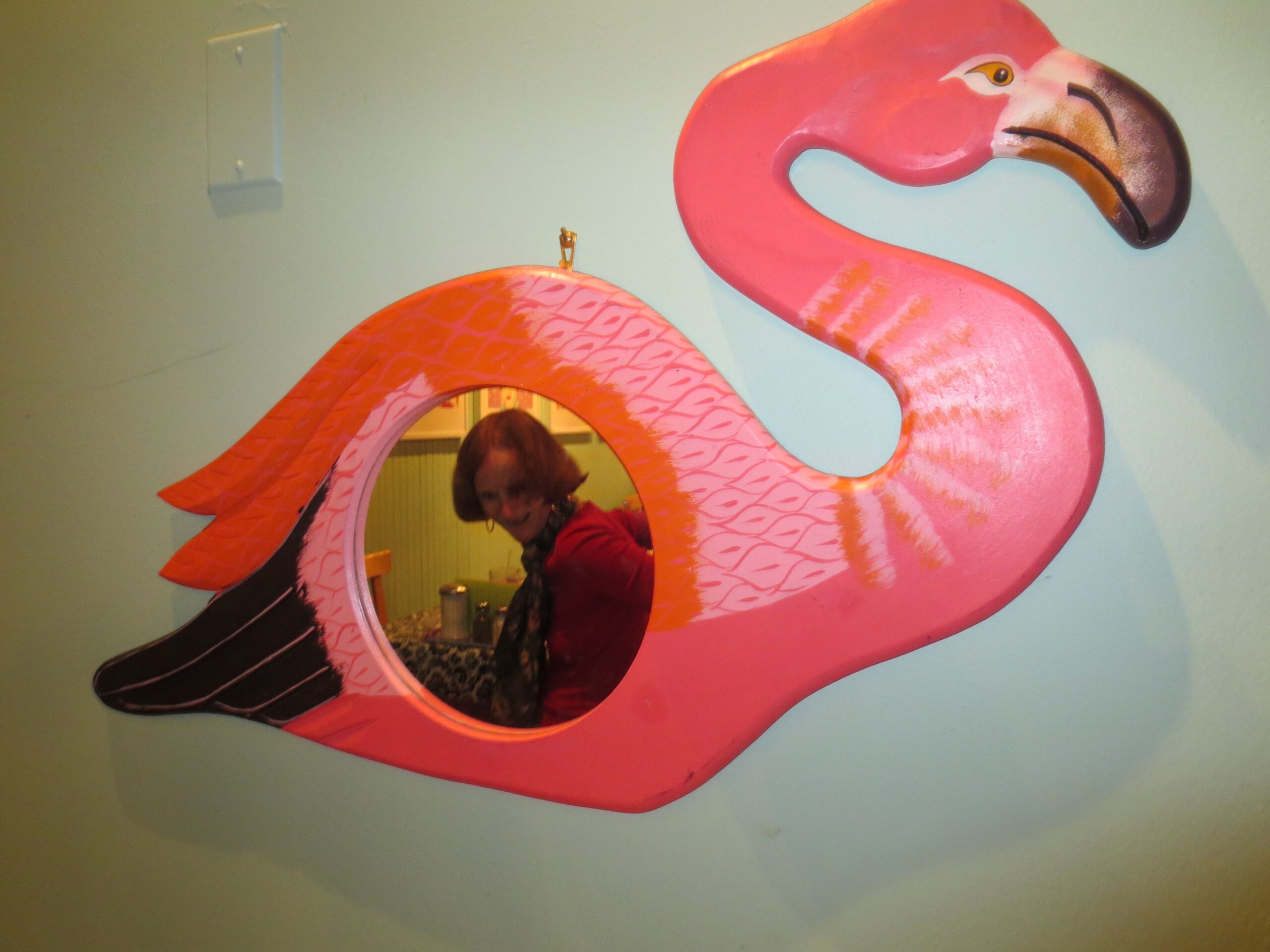
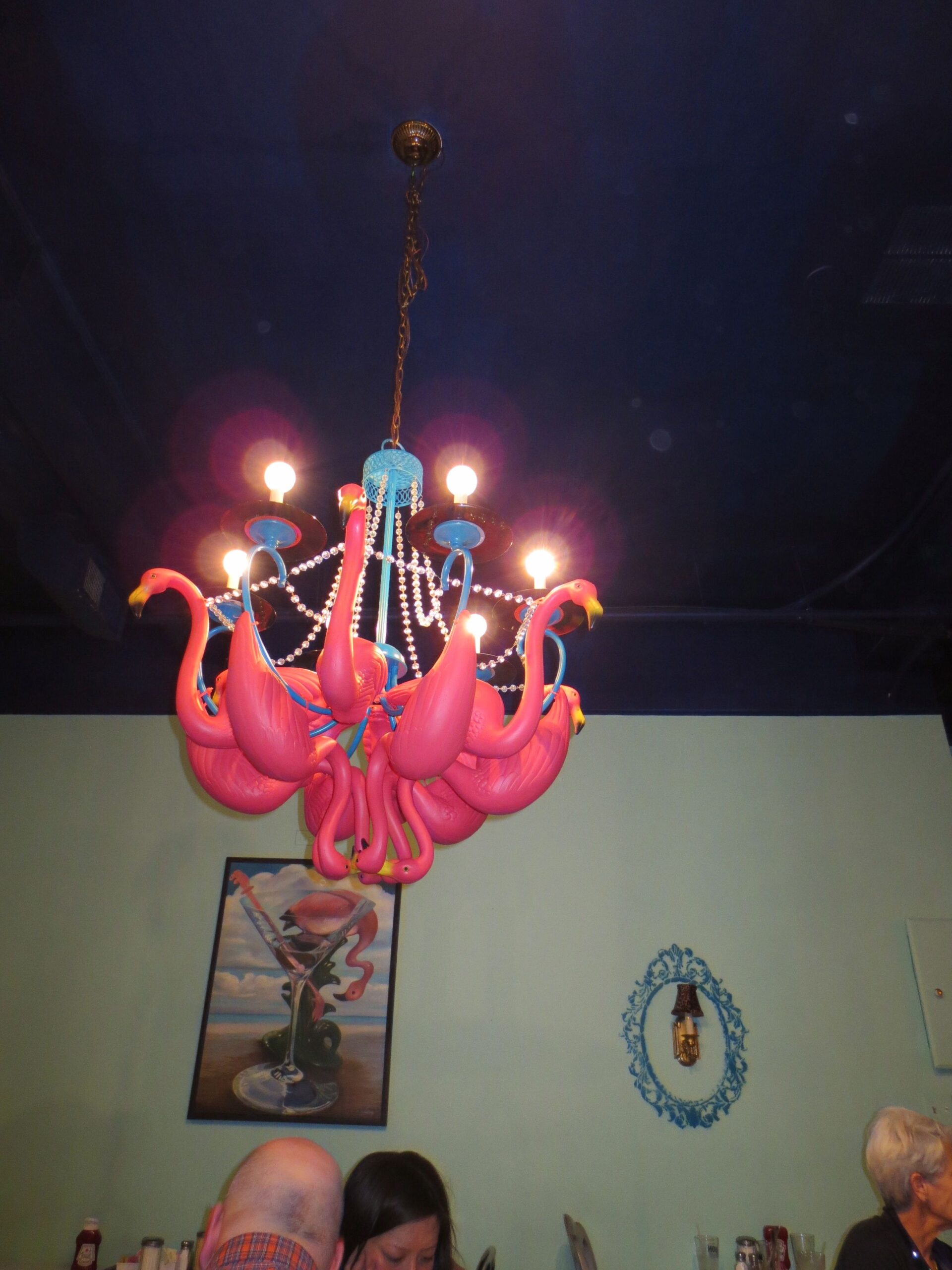
We decided to visit The Cafe Hon on a Saturday night and the potential customers were spilling out the doors. While waiting for our table, we studied the decor. A flamingo theme held sway starting with a two story pink bird on the front of the building. The dining rooms had more, including the piece de resistance, an amazing circular chandelier made out of pink flamingo lawn ornaments alternately glued right side up and down.

A life size plastic Elvis held court in the main dining room, his fingers poised to twang his guitar. Unfortunately, the guitar was missing.

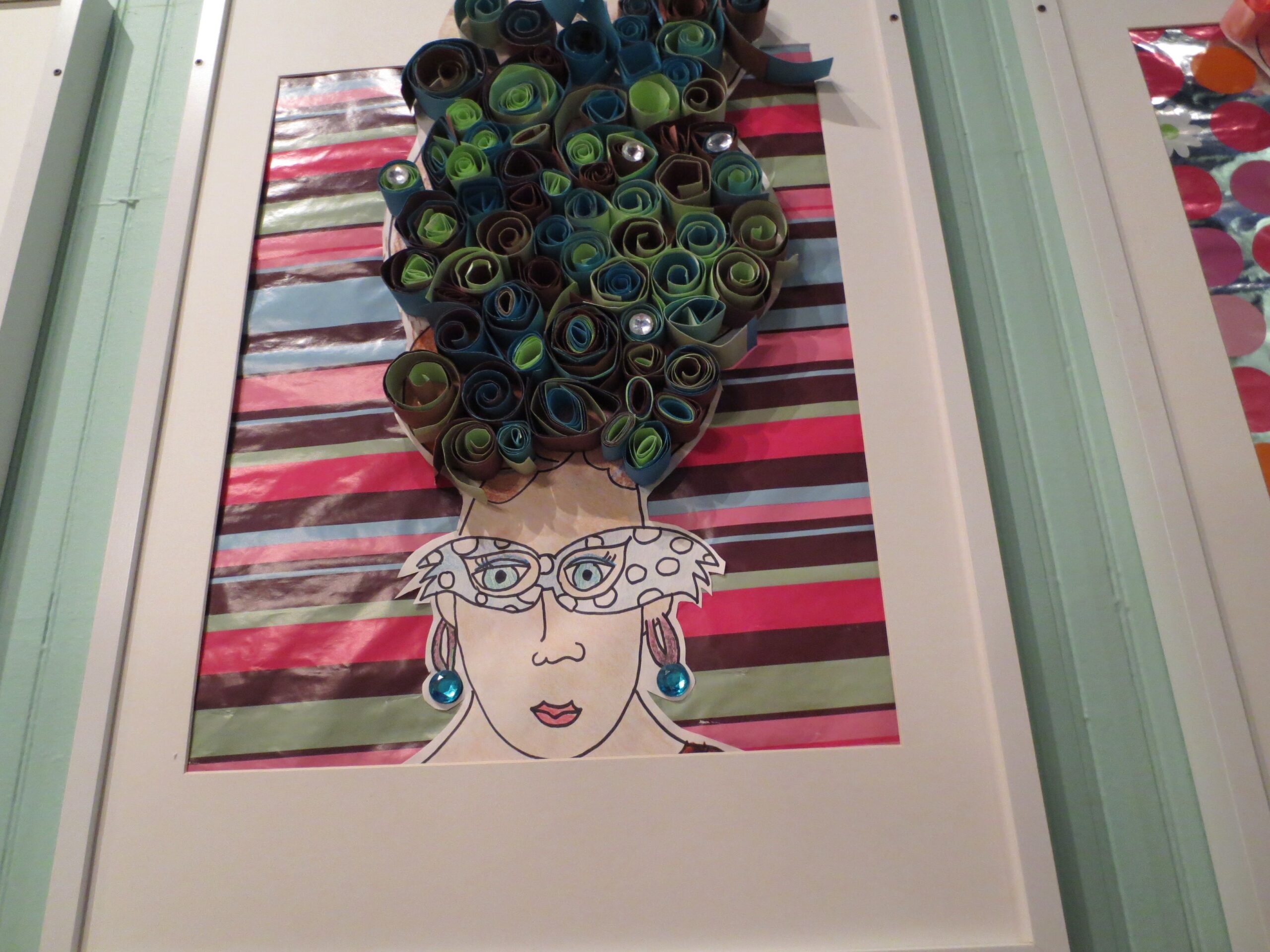
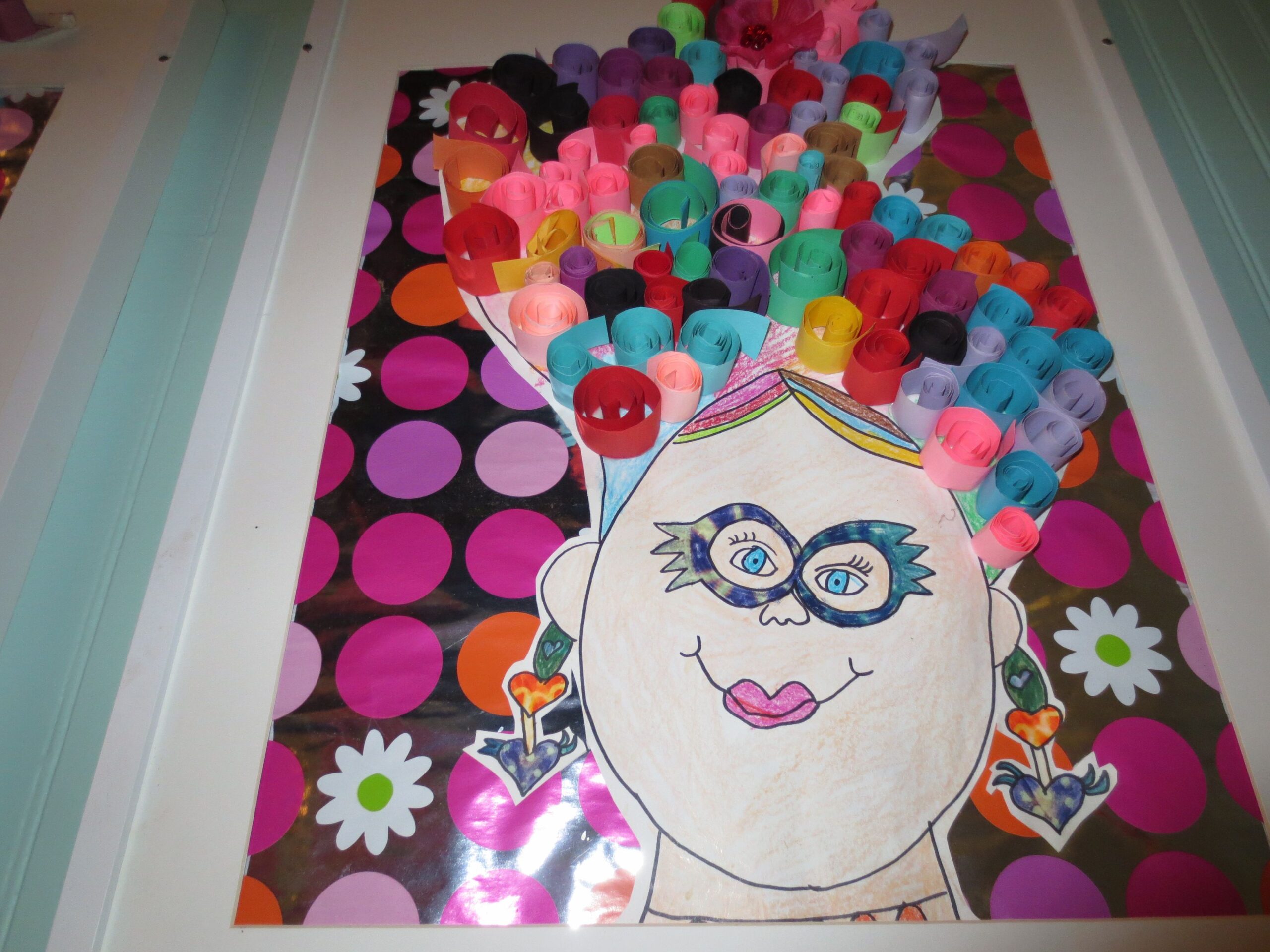
Perhaps my favorite part of the interior design was an entire wall of collage portraits done by third graders of women that appeared to be straight out of the musical Hairspray.

When we were finally seated, the waitress grabbed all the dirty dishes from the previous diners and fled to the kitchen leaving her table cleaning rag behind. I picked it up and washed both our tables: these young workers were clearly in over their heads and needed all the help they could get.

The Cafe Hon is one of those rare eateries that features both real milkshakes and malts alongside beers and wines. The menu was Eastern seafood shack meets classic diner. I can report that all the diverse items we ordered were more than satisfactory with the exception of the chili that had no liquid and I mistook for salsa.

The most lasting memories of this dining adventure were some incredible statements from our waitress. I will quote them verbatim:

When we ordered a sandwich on one of the breads listed on the menu-
“Cheese toast no longer exists”.

When asked if the coleslaw was creamy-
“I don’t know, they change it every day”.

When delivering our dinners-
“We’re low on forks tonight”.

And before our dessert order was taken-
“We are out of a lot of dessert”.

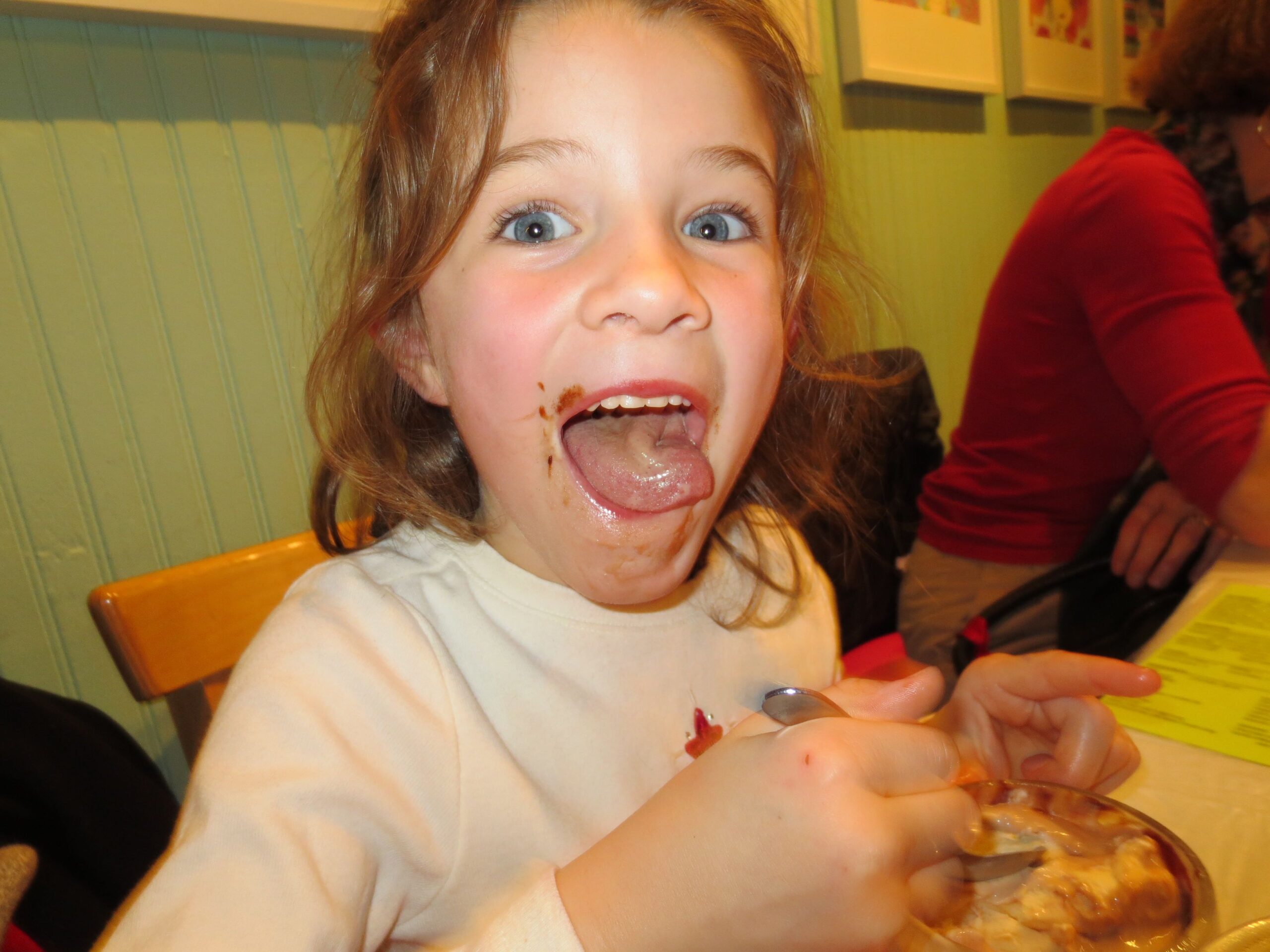
We rose to the occasion and had the remaining sweets, hot fudge and caramel sundaes.

Well, hons, I can tell you that every one in our family would pay a return visit to this wacky restaurant. When in Baltimore, you will have to decide for yourself if you are ready for The Cafe Hon experience. Bear in mind that “diner” and “gourmet” are not synonyms.


0

Chickadees

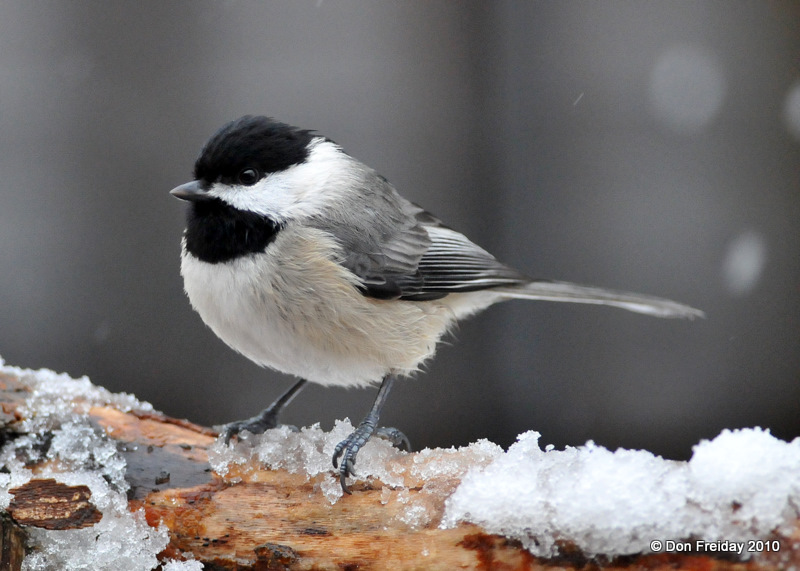
Even the bird experts at Cornell University succumb to using the word “cute” when referring to black-capped chickadees: “A bird universally considered ‘cute’ thanks to its oversize round head, tiny body and curiosity about everything, including humans.”

We are the fortunate hosts to a bustling flock of chickadees in our feeders this winter. In summer, the chickadee diet is mostly insects; now it is mostly seeds. The birds usually feed one bird at a time as the flocks have a pecking order. The most dominant bird goes first, grabs one seed and flies off to eat or cache its treasure. The subordinates follow one by one. Striped sunflower seeds and suet are favorites on their menus. The bird books say chickadees like peanuts, but our peanut offerings have been completely shunned.

Chickadees have an amazing trick to remember where their cached seeds are hidden. Their brain neurons with old information regularly die and are replaced with new neurons to process new information, thus insuring adaptation to changes in their flocks and environments. Chickadees from Alaska have the most brain power. Harsher winters mean they have to eat more and remember more hiding places. They are up to it.

Ever the winter wimp, I marvel at how a half ounce bird survives subzero nights. But chickadees have several adaptations to stay toasty including dense winter coats, winter roost cavities, cached food and regulated hypothermia. The latter means that on frigid winter nights the birds can drop their body temperature 12 to 15 degrees below their daytime temperature thus saving huge amounts of energy. Chickadees accomplish this regulated hypothermia by reducing the amount of shivering they do.

The chickadee call is their name, “chick a dee dee dee”. Extra “dees” in the call indicates serious danger. I’ve heard this deeing frenzy and realized that one of our indoor cats had snuck out. Thanks, chickadees, for the cat alert.

Perhaps my favorite feature of chickadees is their fearlessness. Stand quietly next to the feeders and they fly within inches. Stay extremely still with birdseed in a hand or hat brim and you may become a bird feeder!

0

Cosmic

Let the New Year begin with brevity, clarity and light.

In the course of last year’s reading, I came across two elegant statements from two brilliant writers.

Neil deGrasse Tyson, director of the The Hayden Planetarium in New York City, explains cosmic reality:

Want to know what we are made of? Again, the cosmic perspective offers a bigger answer than you might expect. The chemical elements of the universe are forged in the fires of high-mass stars that end their lives in stupendous explosions, enriching their host galaxies with the chemical arsenal of life as we know it. The result? The four most common chemically active elements in the universe – hydrogen, oxygen, carbon and nitrogen – are the four most common elements of life on Earth. We are not simply in the universe. The universe is in us.

Michael Perry, a Wisconsin author, poet, farmer, paramedic and chicken-raiser, shares this observation on our situation:

The frozen air is bell-jar still. The sky is deep black, the stars pressing down brilliantly all around, and I am reminded that we are not beneath the constellations, but among them.

So we are simultaneously the stuff of stars and amongst the stars……a good thing to remember as we embark on this year’s journey around our own star, a.k.a. the sun.

0