Flag

The Kiwis just spent millions of dollars to keep the flag they have flown since 1902.

Their flag was not being held for ransom, and no one wished to leave the Commonwealth. John Key, the current Prime Minister, simply thought it was time to rethink the original design.

The original flag features a small Union Jack and stars of the Southern Cross on a field of blue. Those favoring a change noted that the Kiwis’ flag looks incredibly similar to the Australian one, causing much confusion. In addition, it invoked the colonial era with its many injustices.

The public was invited to submit new designs and they did…..10,292 of them. A panel, including verillolologists (experts in flag design)  whittled the list down to the finalist. The winner featured a silver fern, an iconic symbol to New Zealanders. Think it as the equivalent to Canada’s big, red maple leaf.

A photo from December shows the current New Zealand flag (left) and the alternative design currently up for a vote.  Fiona Goodall/Getty Images News
A photo from December shows the current New Zealand flag (left) and the alternative design currently up for a vote.
Fiona Goodall/Getty Images News

The big vote was held last week and the silver fern design went down in flames. One critic remarked “It looks like a beach blanket”.

If I were Kiwi, I would have voted for the fern. If all nations’ flags looked like beach blankets, maybe we wouldn’t be fighting wars all the time.

0
Bravo!

March is painted in many shades of gray up here in the tundra where I live. But my month was anything but gray.

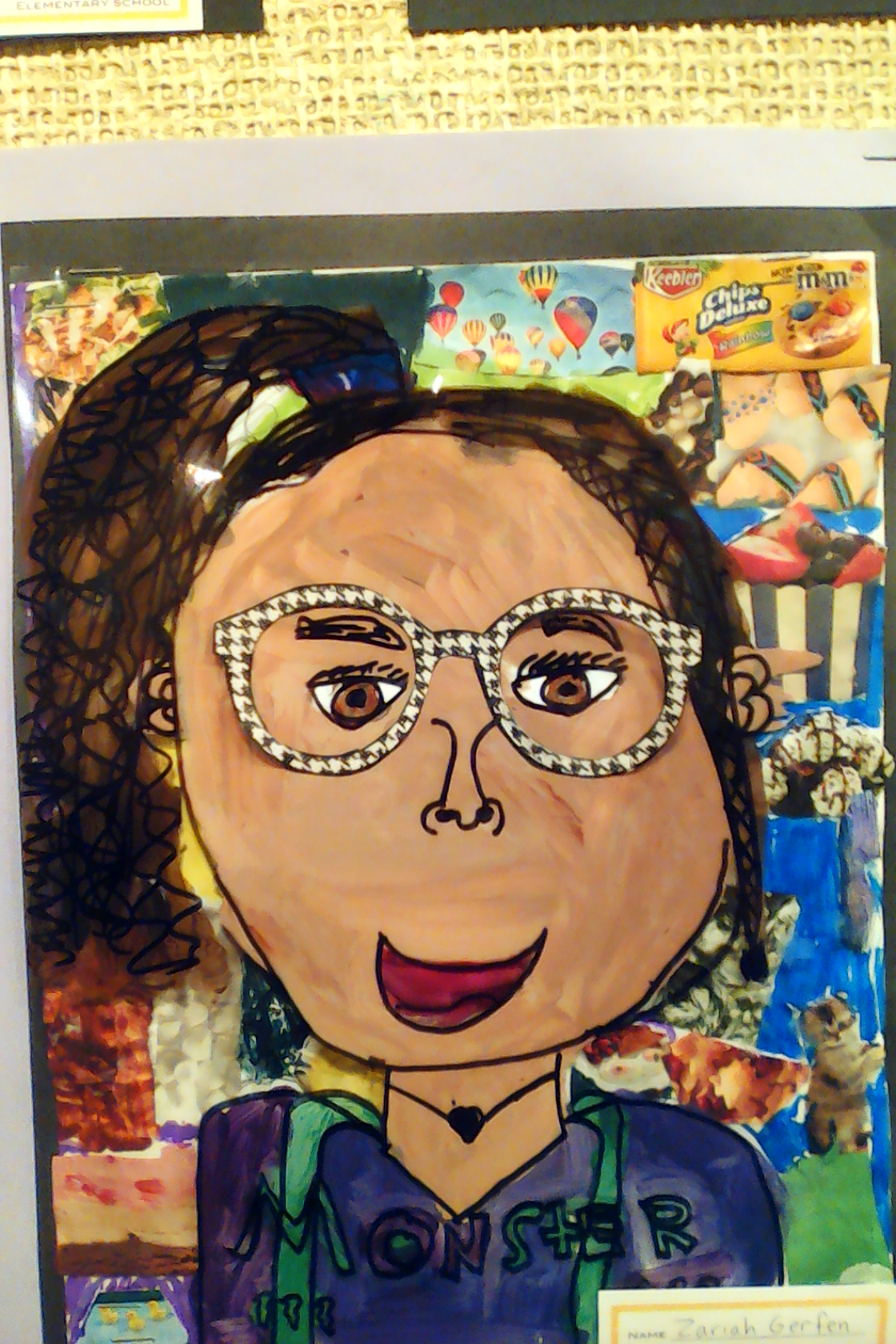
March is also Youth Art Month and I availed myself of all the color I could get by visiting Y.A.M. shows and putting up a large display of my students’ work.

My home school district is one of the lowest funded in our state. All programs and budgets in our schools have been cut many times over.

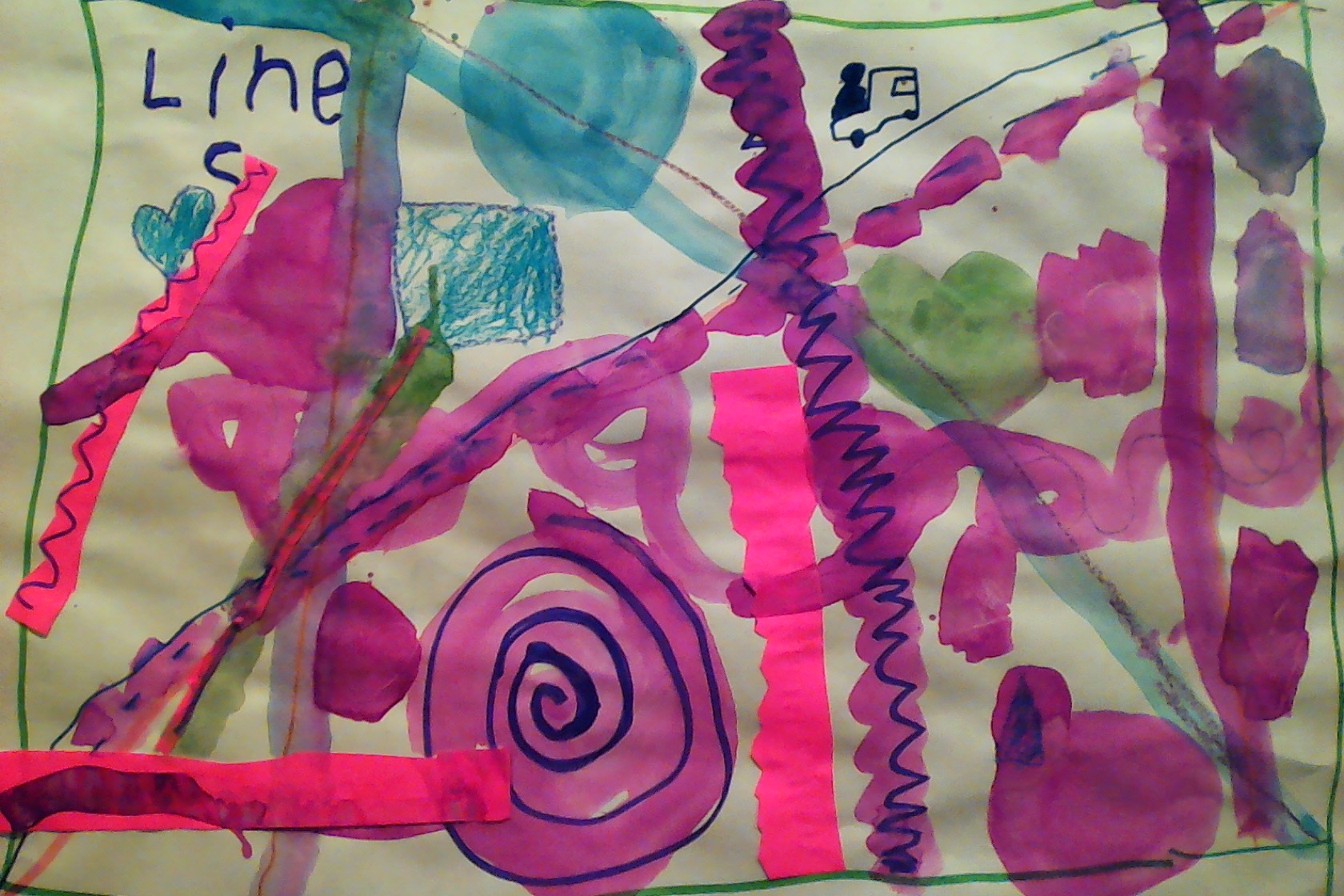
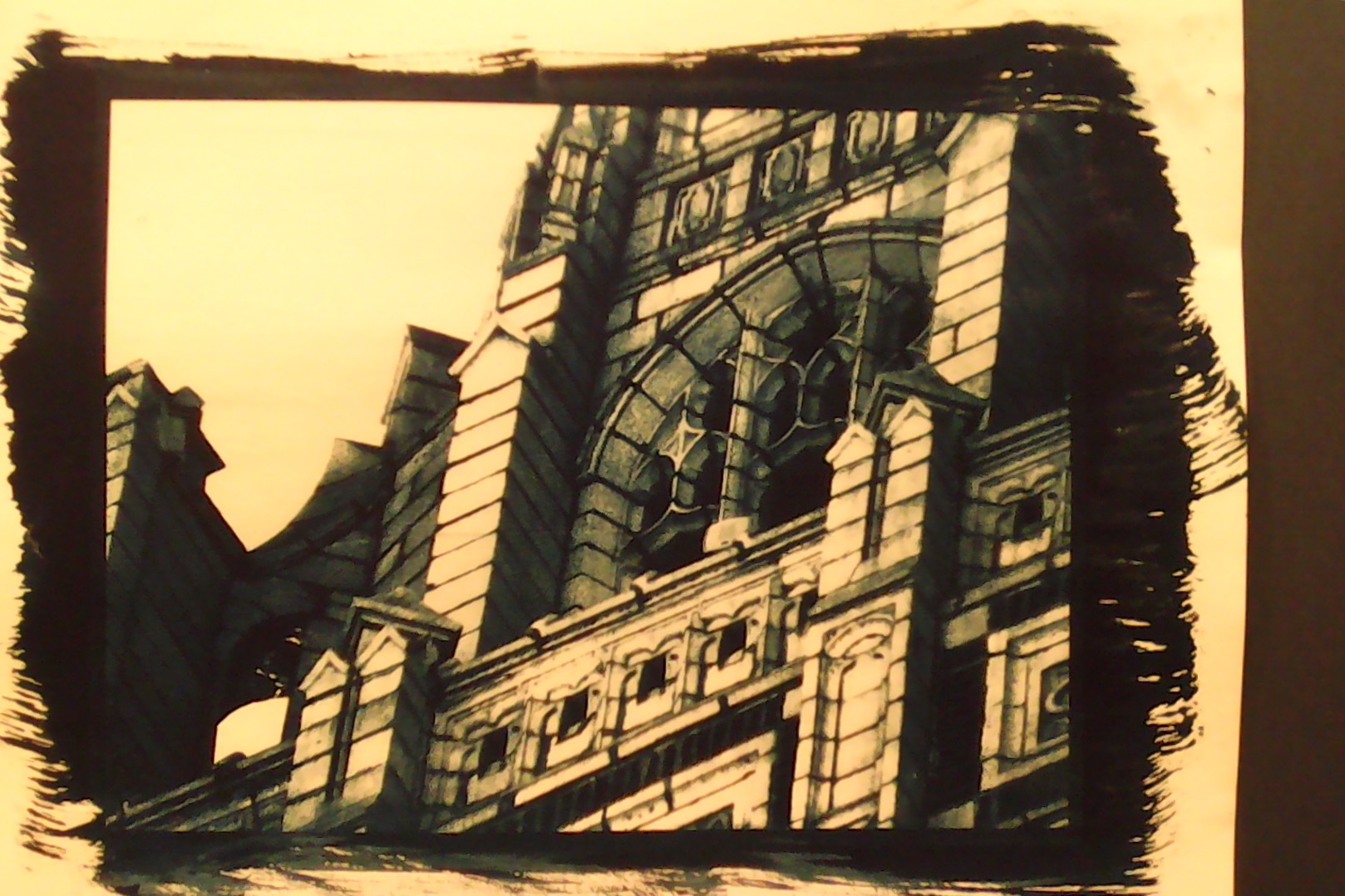
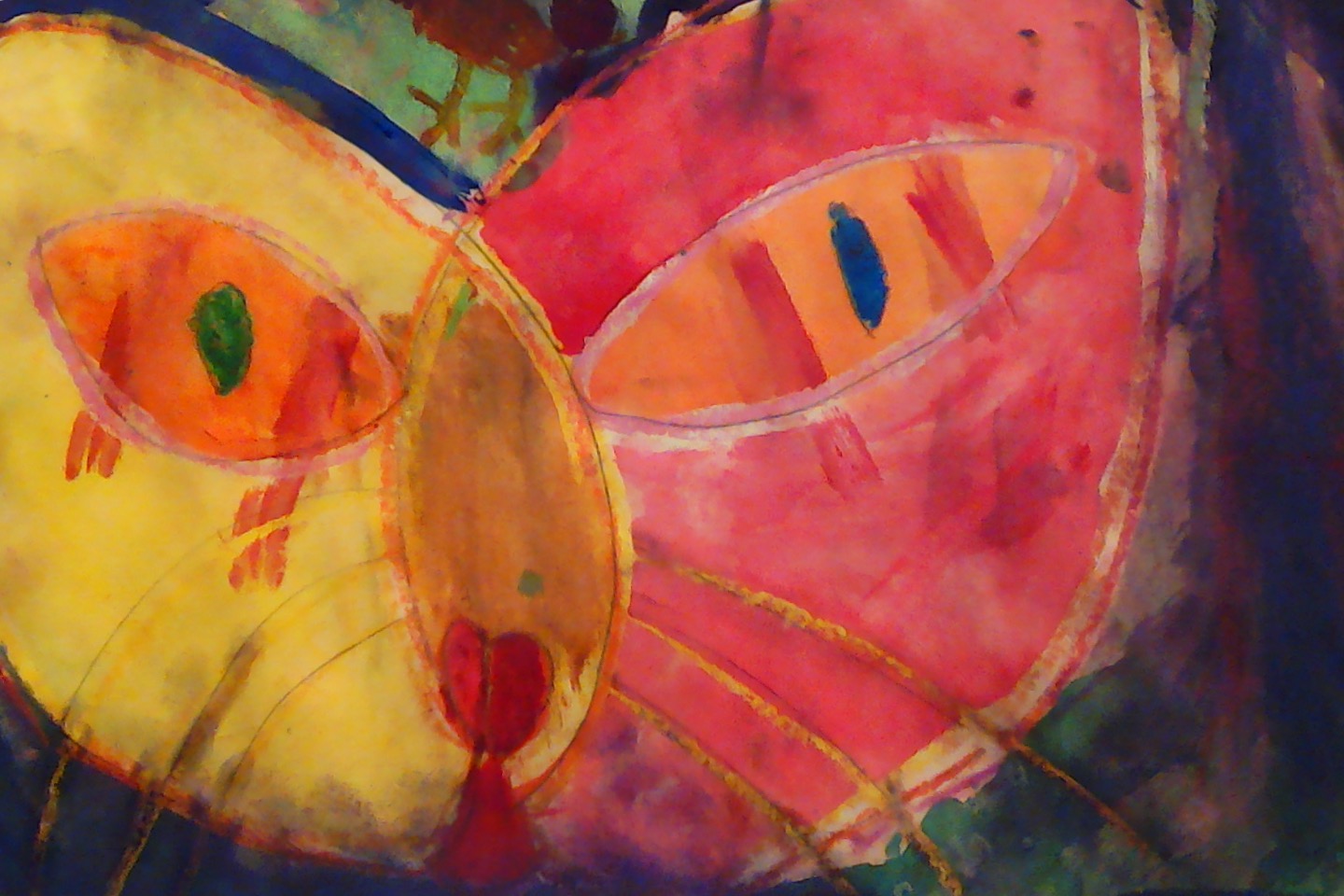
After hanging the art of my students who live in more affluent counties, I headed to the art museum that was displaying the work of the young people in my community’s public schools. Against all odds, the show was spectacular. Our art museum frees every gallery for the display of student art from kindergarten through senior high.

Bravo to our children and their spirited teachers. I want to share a few of the many lovely pieces of art from this show. I also want to share two quotations the teachers chose to accompany the artwork.

“Educating the mind without educating the heart is no education at all.”
Aristotle

“The arts are not just a nice thing to have or to do if there is free time or if one can afford it. Rather, paintings and poetry, music and fashion, design and dialogue, they all define who we are as a people and provide an account of our history for the next generation.”
Michelle Obama


0

Snowman

The time has come to burn the snowman. I must admit that this past winter was a mild one, and cabin fever was not raging. Nevertheless, the iceberg is still at the end of our driveway, the ground is frozen solid and enough is enough.

The tradition of burning the snowman to bid winter adieu goes back many years. Citizens of Zurich, Switzerland, welcome spring at a festival called Sechselauten. A giant,  straw snowman effigy is filled with explosives and set ablaze. If the snowman’s head explodes within 12 minutes, it is seen as an omen that the summer will be warm and sunny. Personally, I prefer this weather prediction to waking up a poor, furry mammal who is deep into hibernation on February second.

The Rose Sunday Festival in Weinheim-an-der-Bergstrasse, Germany, also burns a straw snowman to welcome spring. A parade through town culminates in a central location where the town’s mayor tells the children that if they promise to obey their parents and work hard, he will proclaim that the snowman be burned. Naturally, the kids yell their approval.

www.lssu.edu

America’s snowman burning tradition goes back to 1971 and was started by the Unicorn Hunter’s Club at Lake Superior State University in Sault Ste. Marie, Michigan. A large, paper snowman is burned on the first day of spring. Poems are written and read by students of all ages.

In 1992 the event was cancelled because the school’s Environmental Awareness Club said that too many toxins went into the air as the snowman burned. A huge outcry followed and the burning returned the next year. The University wisely pointed out that staff and students put more pollution in the air every day when they drove to school.

The folks in Port Clinton, Ohio, are the newest in the snowman burning business. A group of friends staged the event in 2015 to drum up business in their area. The burning of “Norman” was held at The Lagoon Saloon, and the organizers hoped that 500 people would show up. 3,000, many on snowmobiles, came.  This year “Charlie” went up in flames to the benefit of the local United Way.

I was telling my husband about these burning snowmen the other day over breakfast. “What I would do”, he said, “is make three big snowballs and put a box of firecrackers in each one. A fuse would hang out of each and the balls piled up. Blam! Exploding snow people.”

Happy Spring, however you celebrate the event.

0

Betty

One trait characterizes my entire extended family: thoughts of food occupy a large part of all our brains.

We love to talk about food, shop for it, anticipate it, cook it, share it and eat it. We are even attracted to books and movies where food stars.

So it is not unusual that I plucked a book off my daughter’s bookshelf entitled, Feast Here Awhile, Adventures in American Eating. The book traces the history of food trends and trendsetters during the last half of the 1900’s. Reading it, I started to reminisce about my mother’s tuna, canned pea, mushroom soup and potato chip casserole and my mother-in-law’s whipped cream, fruit cocktail dessert. Food is not immune from the fashions of the moment.

The author, Jo Brans, devoted chapters to the people who shaped what we ate; James Beard, Julia Child, the Silver Palate Ladies to name a few. The first person on her list was fascinating. Although her cookbook has sold millions of copies and is currently in its eleventh printing, the person never existed.

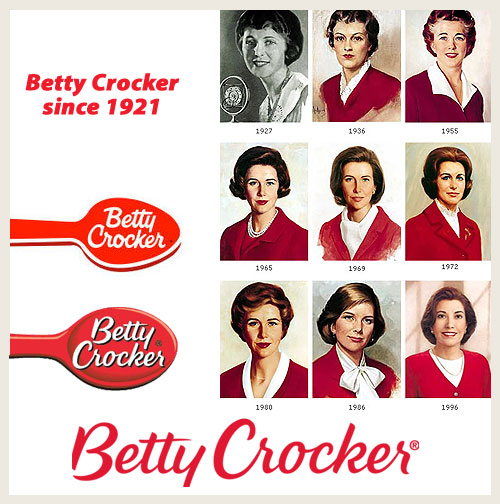
Betty Crocker was created by an ad agency in 1921. “Crocker” was the last name of a retired director of the Gold Medal Flour company and “Betty” sounded warm and cozy. Betty started out answering letters to the company about baking problems, but soon she had a radio program and, by mid century, a television show. In 1945, Fortune Magazine sited her as the second most popular woman in America. Eleanor Roosevelt was the first.

I received a copy of Betty Crocker’s Picture Cook Book as a wedding present. Affectionately known as “The Big Red”, that cookbook was a life saver to me. I was newly married, learning to cook, on a tight budget and going to college full time. Thanks to Betty’s basic recipes, we ate home cooked, if not gourmet, meals.

bettycrocker
Photo: www.aauw.org/2014/06/12/the-real-betty-crocker/

By the time our two children came along, I had the luxury of being an at home mom and Julia Child had burst onto the scene. Her shows were a weekly treat and my local Sentry grocery store gave out free copies of her recipes. I was able to improve my cooking knowledge at a wonderful time in America’s culinary history.

All of our past experiences propel us into the present. Would Alice Waters be a food star now if Betty and Julia hadn’t told us to get into the kitchen, start cooking and not be afraid of messing up?


0

Sandwich

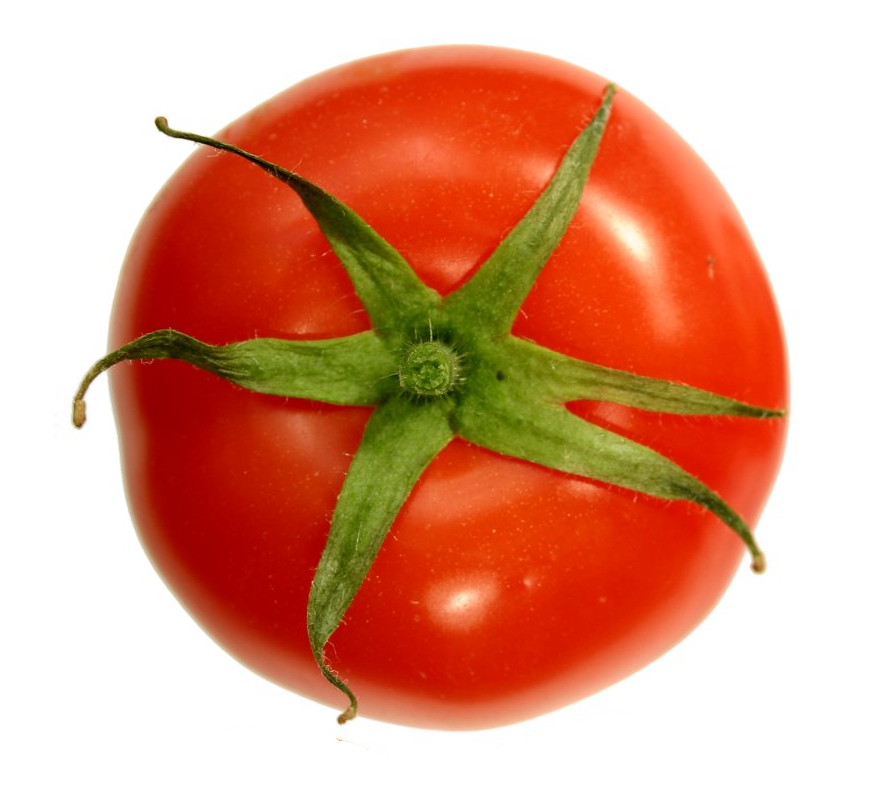
“I would like a tomato next week,” my husband requested.

“I will be happy to get you one,” was my reply. I knew he wanted me to put the tomato on his favorite open face, hard roll, grilled cheese and tomato sandwich. But there is more to the story.

I recently had come across a wonderful variant on his classic grilled cheese. We were eating at the Swedish “goats on the roof” restaurant, Al Johnson’s. No goats were on the roof as it was covered in snow, but a new sandwich was on the menu. The creation sounded intriguing, a grilled Havarti cheese, pickled beets and fresh spinach sandwich. I love all those ingredients, although I wasn’t sure that this combination would work technically. I envisioned biting in and having beet juice flying out in all directions. Since I was with real friends, I ordered it. They wouldn’t care about pink spatters.

The sandwich was delicious and not a mess to eat. I’ve been making it at home, sometimes substituting arugula for spinach, and we both enjoy it.

I would be happy to make the beet version of the GC all winter long as winter tomatoes bear no resemblance to our deliciously tasty summer ones. But my husband is a true tomato lover who likes an occasional winter tomato even though he realizes their limitations. Hence, the request.

Coincidentally, the next day, the New York Times food section ran a two page article on using winter tomatoes and other non local produce. The writer suggested buying two pounds of these challenged tomatoes, pouring SIX cups of olive oil over them and baking the concoction for an hour and a half.

TomI will not be doing this. That calorie count and mess would be staggering, all to infuse a tasteless piece of produce. I do, however, applaud the premise of the article which was basically, “shut up, face the fact that it is winter, eat what is available at your local grocery and be grateful you have food.”

My husband will get his tomato straight up, I will stick with the beets out of the glass jar, and neither of us will travel to the Southern Hemisphere to be true locavores.

0