Paris

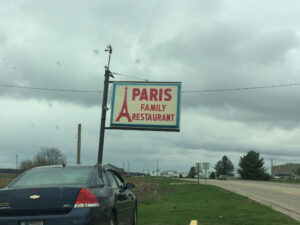
In case you missed seeing “April in Paris” this year, here is a report. I was in Paris this April. Unfortunately, it was not THE Paris, but Paris, Illinois, population 8,837. The Illinois Paris is 165 miles south of Chicago in the heart of the prairie. Like so many other towns in rural America, it is long past its glory days, but evidence of grander, wealthier, more hopeful times can still be seen.

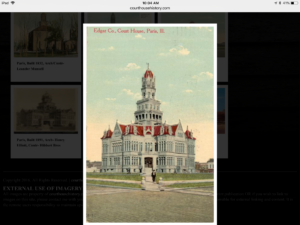
Since Paris is a county seat, it has a courthouse set squarely in the center of town. It’s an architectural jewel. The people who constructed this elegant building between 1891 and 1893 must have been filled with civic pride, a phrase unknown to many Americans now. They also must of had ample tax dollars to spend.

I love taking road trips and seeing our country’s past lurking in historic buildings such as this one. And when I was in Paris, I wondered how many other places in rural America are named Paris. A bit of computer research supplied the answer. You could visit 23 different Parises in 19 states. This includes cities, towns, townships and unincorporated communities. My home state, Wisconsin, has two, a town and a township.

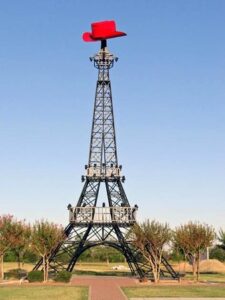
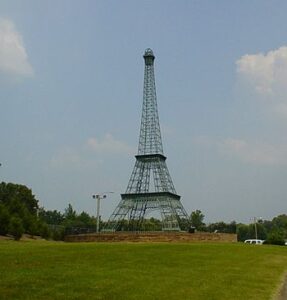
Paris, Texas, is the second largest Paris in the world. The folks there built a wooden replica of the Eiffel Tower topped with a red Stetson cowboy hat. Unfortunately, a tornado blew it all away. A steel replacement was made, however, a rival Paris in Tennessee built a higher one. Paris, Tennessee also prides itself on having the world’s biggest fish fry. Now if that were the world’s largest crepe cook off, I would be hitting the road.



0

Enough

Last Tuesday, my husband took matters into his own hands. I came home from school on our first 60 degree day and he was in the driveway attacking the remains of the previous week’s blizzard with a large snow shovel. Snow was strategically placed all over the driveway so it could catch the sun’s rays and melt. I believe the strategy he employed is called “divide and conquer.”

Winter in Wisconsin is an endurance contest. It’s not the blizzards that get to us. We’re tough. It is winter’s amazing tenacity that wears us down. There is something obscene about having snow hanging around the last week of April. How lucky I am to have a partner who goes out and attacks it.

While he was out bashing the piles of snow left by our plow guy, I was fighting back in my own way. One of my favorite schools lets me suggest topics that I present to their first and second graders. The teachers and I agreed that a lesson on the artists Pieter Bruegel the Elder and his two sons, Pieter Breughel the Younger and Jan Brueghel the Elder was apropos. While one of Pieter the Elder’s most famous pictures is a frosty scene, Hunters in the Snow, I suggested we focus on his younger son, Jan the Elder, who invented the flower still life genre. I figured we all needed to fill the school walls with glorious blooms à la Jan’s style.

The kids drew and cut out over 150 flowers and helped me glue them all into a gigantic floral  mural. If spring doesn’t come to you, you just have to make your own flowers.

(Also note that this blog is not full of typos. The B family each used a different spelling for their last names and the kids loved that fact.)

0

Penguins

Here is a wonderful piece of news. 1,500,000 penguins have been found. The best part is they were never lost. Unbelievably, no one knew of their existence. How can 1,500,000 anythings stay hidden in this privacy-less age?

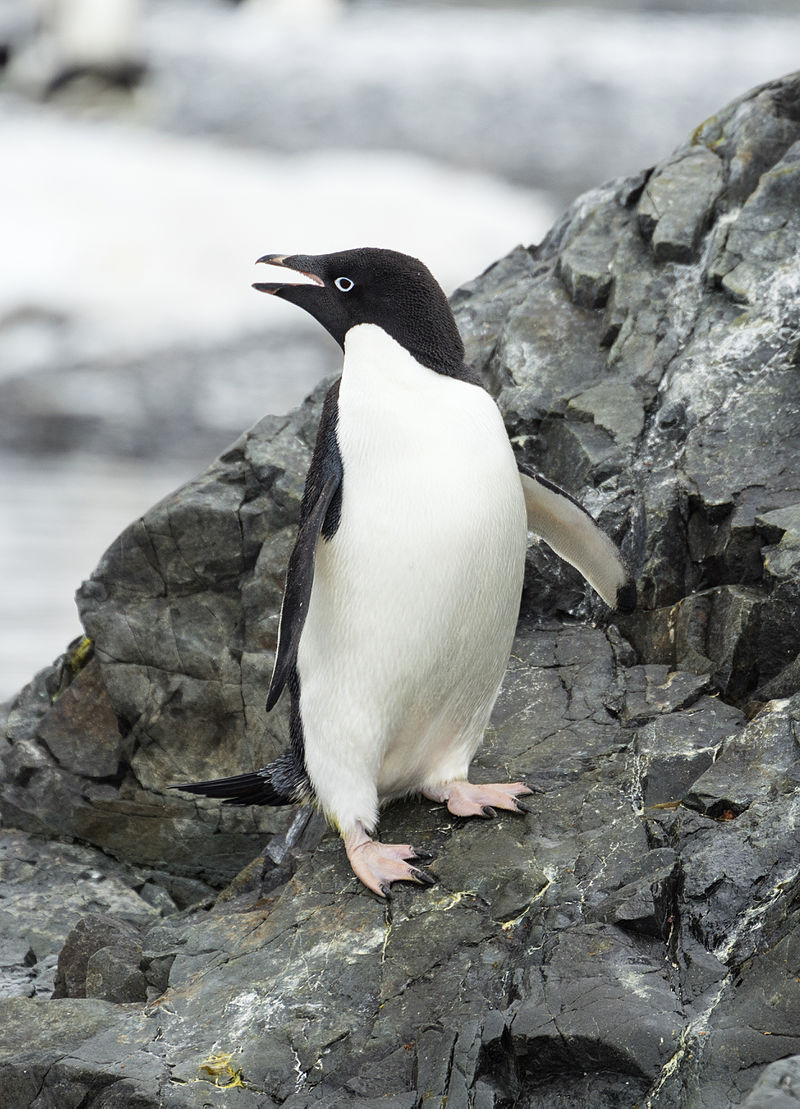
The penguins are Adelies. The species was discovered by the French explorer Jules Dumont d’ Urville in 1840, who named them after his wife. Adelies are one of the southernmost birds in the world. They live in the ocean and nest on the Antarctic coastal beaches and adjacent islands.

Scientists thought they had located all the Adelies’ breeding grounds and were convinced that Adelie populations were in serious decline. But then satellite imagery detected masses of guano on a part of Danger Island thought to be penguin free.

A group of scientists decided to check it out despite the fact that they knew Danger Island lived up to its name. The sea expedition had many close calls with treacherous ice but were rewarded by finding a million and a half happy Adelies breeding on the island. A drone was employed to do the head count.

We now can take Adelie extinction off our worry lists. And a good way to celebrate this happy discovery would be to observe National Penguin Day which is tomorrow, April 25. I don’t exactly know how to do this, but perhaps wearing black and white and thinking cool thoughts would suffice…..or eating raw fish.

Here are some penguin facts to ingest:

  • All 18 penguin species live south of the equator. However, the Galapagos Penguins are so close to the equator they can swim across.
  • The largest penguin, the Emperor, can be 4 feet tall and weigh nearly 80 pounds. Think three Thanksgiving turkeys.
  • The smallest penguin is the Little Blue or Fairy Penguin of Australia and New Zealand. It is never more than 16 inches tall and 2 pounds.
  • The fastest penguin swimmer is the Gentoo which can reach speeds of 22 miles per hour.
  • Penguins can drink sea water. Salt is filtered from the blood by special glands and secreted through the nose.
  • Prehistoric penguins lived 35 million years ago and stood 5 feet tall and weighed 200 pounds. That would be a penguin presence.

0

Deer

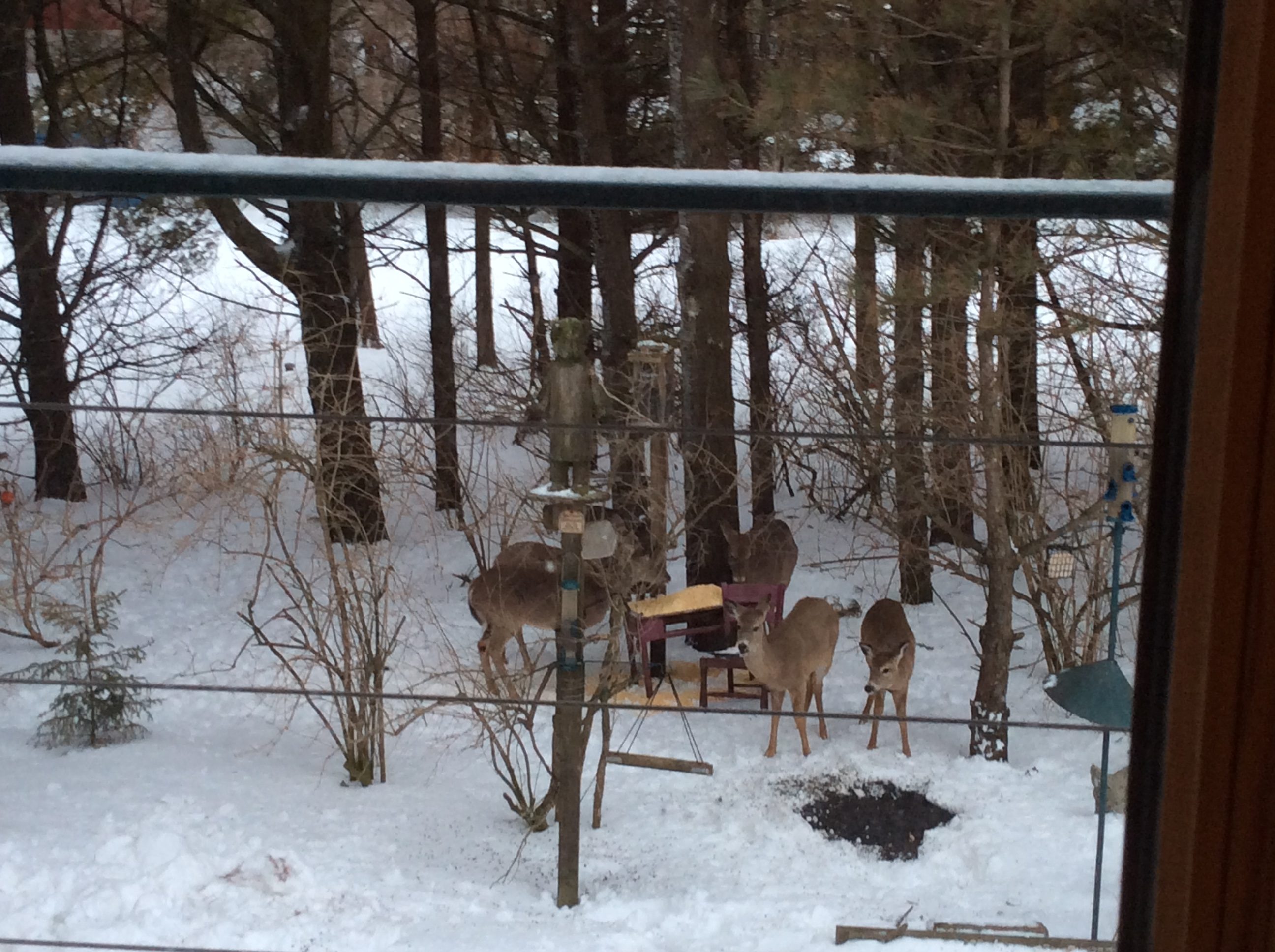
Six deer came to dinner the other night. We had just started to eat our meal, when we saw them silently slipping out from the trees and congregating at our bird feeders. After the birds have been feasting all day, plenty of leftovers are on the ground to second harvest. And, coincidentally, our “bird table” covered with cracked corn is just the right height for a hoofed, browsing mammal.

We have deer visitors all year long, but this group was feisty, a word rarely used to describe deer behavior. Usually these lovely creatures are bundles of nerves on high alert for any loud sounds or motions. Instantly ready to bolt, they raise their 14 inch long white tails to signal danger. Prey animals do not lead laid back lives.

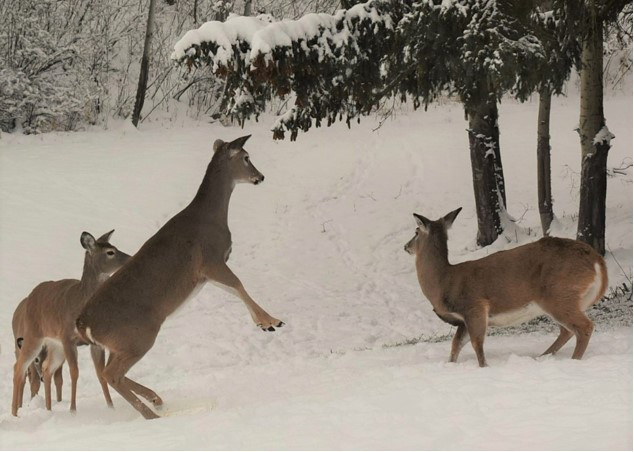
Since antlers haven’t yet sprouted, the sex of the herd members couldn’t be determined. What was obvious was some strange deer behavior. Various deer would rear up in front of one another. Some would even poke another deer’s back with their hooves.  We were puzzled as to what all this dancing and posturing was about.

When in doubt, consult the oracle. A google search supplied the answer. Deer herds, which come in male or female varieties, display these behaviors when members are jockeying for dominance. It’s a frequent springtime occurrence indulged in by both bucks and does.

Called by many names;  hierarchy, pecking order, station, caste, place, position, standing or rank, the creatures of the world tend to group themselves. We do, too, for better or worse.

Photo photosbyphrank.wordpress.com

0

Mining

Things are getting a bit out of hand down at our local boat launch lately. The snow is still piled up and the temperatures remain below freezing, but the parking lot is often full.

The folks arriving aren’t towing boats. They are only interested in strip mining the stretch of beach that is adjacent to the pier.

Our house is on the lake two miles up the road. Because our home sits back atop a 70 foot bluff, we can’t see the beach from our windows. But the terrain around the boat launch is flat enabling our neighbors there to watch the activities on their stretch of lakeshore. They have filled us in on why our little town is suddenly a popular destination. Apparently, the internet has spread the word that big bucks can be made from harvesting beach glass and driftwood.

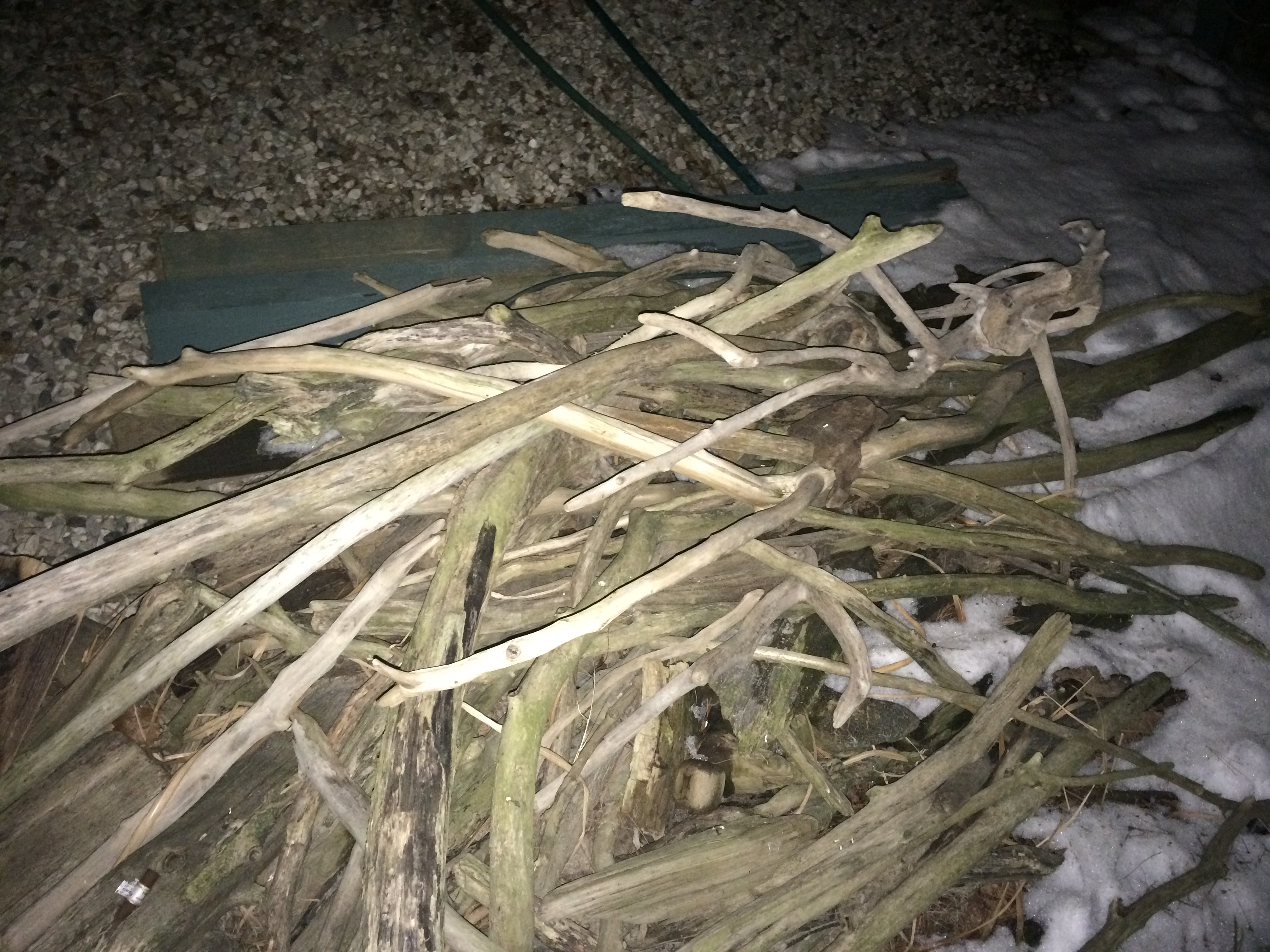
The glass rush seekers arrive with shovels, rakes, diggers and buckets. One claims to have made $100 in a week of zealous digging. Another was seen filling the trunk of their car with driftwood.

All this excavating and hauling will not harm the beach. The immense force of the waves changes the landscape of the beach every day. And, technically, beach glass is litter and driftwood is a renewable resource.

However, some aspects of this beach mining are hilarious, unbelievable or downright bizarre. One neighbor reports that the peak time for the diggers is at night. Since the nighttime temperatures and wind on the lakefront have been brutal lately, many diggers arrive in ice fishing gear. Hats with miners’ lights or high beam flashlights are used to “shine” the glass.

After midnight one recent night, a neighbor saw a person lying on the beach. He prudently watched for signs of motion before attempting a rescue. Then the guy stirred and our local resident noticed a woman, probably the guy’s wife, busily digging further down the beach. Apparently, he was just taking a few winks while has wife mined.

Another afternoon, a neighbor spotted a woman busily smashing bottles all over the concrete boat launch and shoving the pieces into the lake. Her car trunk was filled with glass jars and bottles. When asked what she was doing, her reply was, “I’m making more beach glass.”

This could only be an American story. It seems as if every nice thing is taken to ludicrous extremes. And then it’s not a nice thing any more.

0