Witching

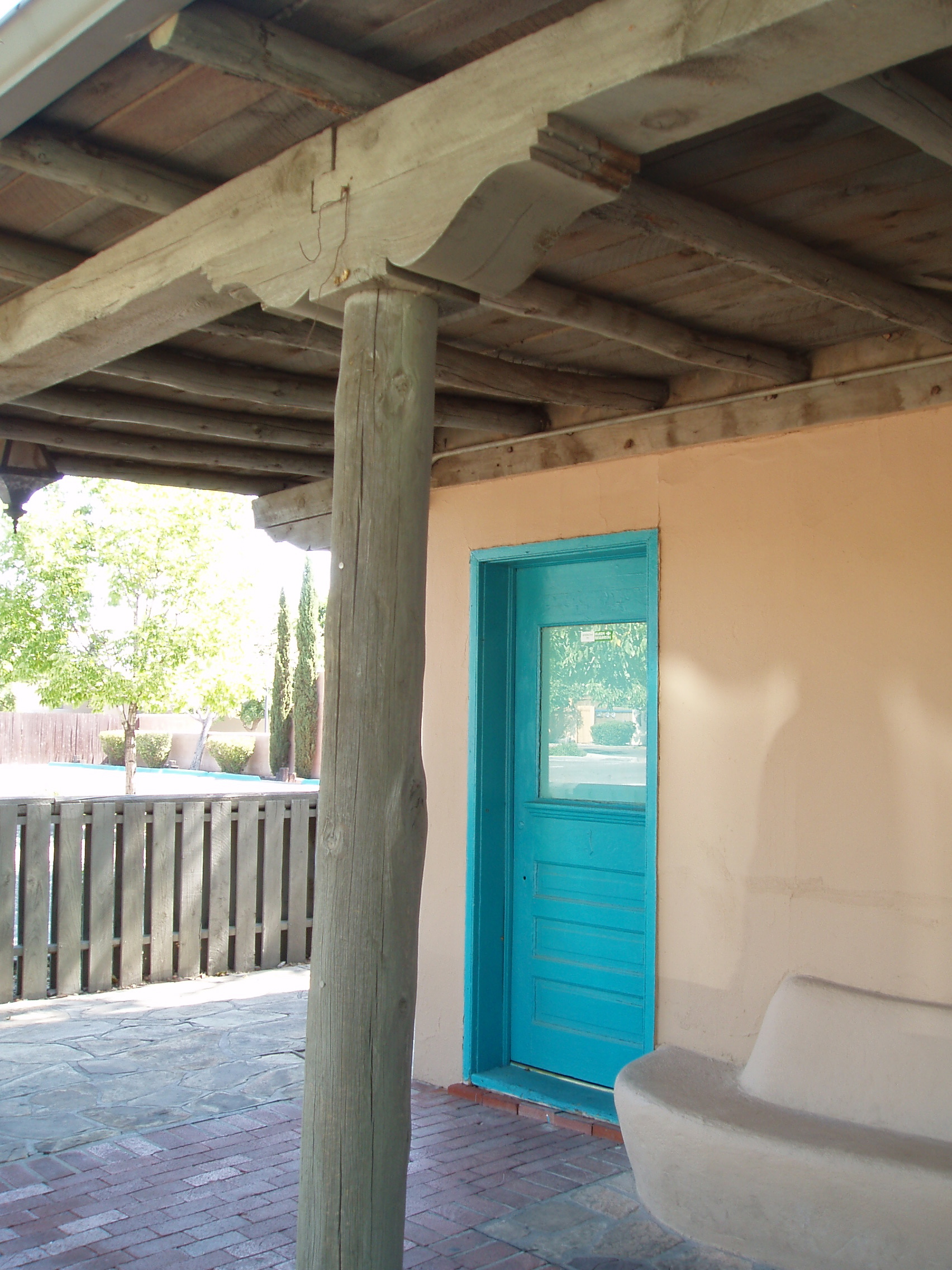
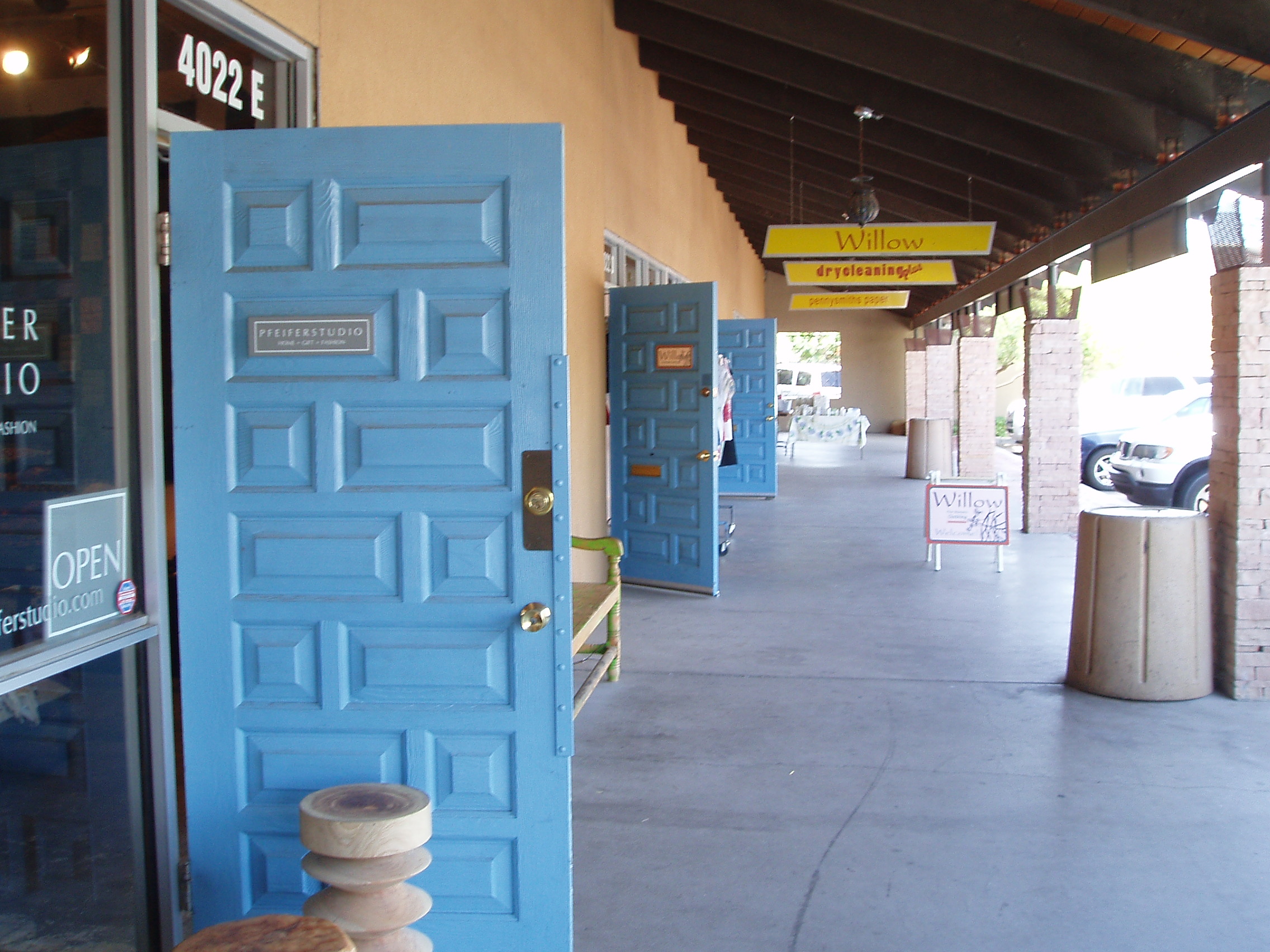
Here’s a surefire way to keep the witches at bay. Paint your front door blue. Anyone who spends time in the Southwest notes the prevalence of blue doors in that region. I assume the populace is brujas free.

While I regard superstition as a sorry substitute for reason, I do enjoy tracing the threads of ancient superstitions as they surreptitiously weave their way into our (hopefully) rational lives.

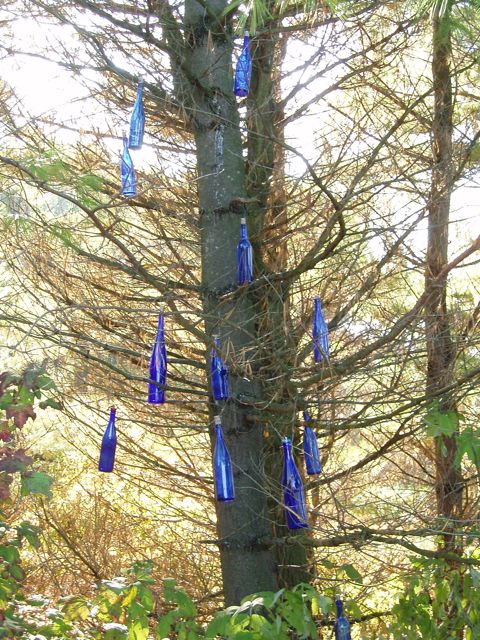
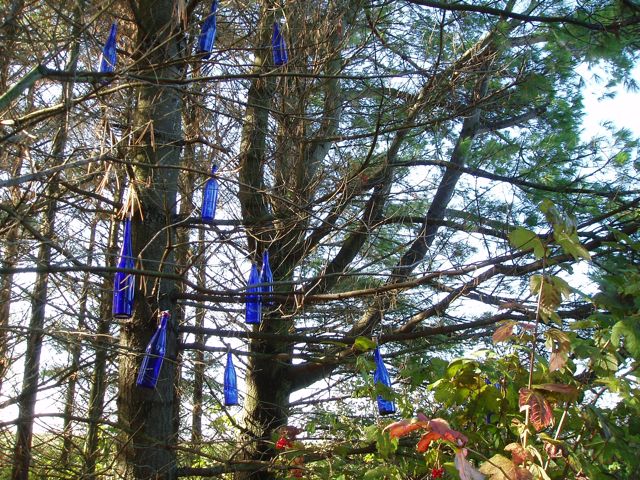
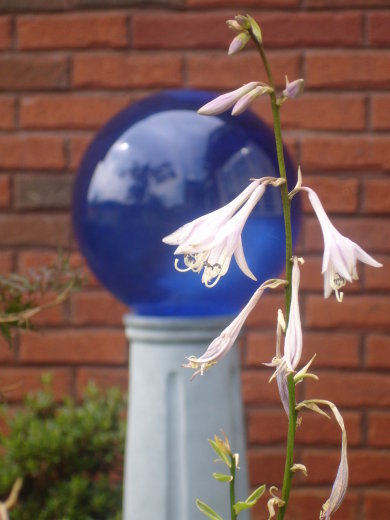
I have a blue bottle tree in our yard. My reason for creating it is purely aesthetic… I love cobalt blue glass and can’t bear to toss those lovely wine bottles in the recycle bin. The bottle tree inspired me to research the origins of that custom which I believed had originated in the American South. I was only off by several thousand years and miles.

The imaginary thread on my bottle tree goes back as far as 1600BC when hollow glass bottles began appearing in Egypt. Sometime after that, rumors began circulating that night spirits could be lured and trapped in glass bottles where the morning light would destroy them. The bottle as trap idea traveled through sub-Saharan Africa up into eastern Europe and eventually was brought to the Americas by African slaves.

Europeans contributed glass “witch balls” to capture witches and “gazing balls” to repel them.

In folklore from all over our little blue planet, blue is considered the best color to do in ghosts, witches, spirits and “haints”. So drink up your Riesling and hang up those bottles. The witching hour is near.

A gallery of blue follows to protect you from any unruly spirits this Hallows Eve.

Blue Amulets Guard Against the Evil Eye in Greece, Turkey and Bulgaria
0

Cozy

Dare I use the word… cozy? (Cosy, if you’re British) It’s such an old fashioned word and the antithesis of the age we live in. Today’s culture exalts super-sized everything, violence ridden movies and video games, tattoos and piercings and the demise of courtesy.

Cozy, on the other hand, connotes all things warm, small, soothing and sheltering.

Cozy food, a.k.a. comfort food, oozes warmth. If I were to run “The Cozy Cafe”, tomato and pea soups, macaroni and cheese, grilled cheese, waffles, cocoa, tea, chocolate chip cookies and butterscotch sundaes would be mainstays of my menu.

The English have cornered the market in cozy housing. They invented the Cotswold Cottage: petite, quaint and ensconced with an English country garden. Requisite cats, the coziest of creatures, dwell inside.

We also can thank the British for “cozies”, a book genre. Despite the fact that a murder invariably occurs, lots of tea, English villages, vicars and flowers abound.

Cozy clothes are more of an American thing. Maybe it started with casual Fridays. Or maybe we never got over the frontier. Flannel shirts, well-worn jeans, fur lined moccasins and granny nightgowns come to mind.

If you’re envisioning me cocooned in sweats and living in a Mary Engelbreit decorated cottage, you would be wrong. But an occasional foray into the world of cozy can cheer up any bleak day.

What’s your cozy?

0

Gourmet

After  68 years, Gourmet Magazine is going away. Since I do not have a subscription and I am not a gourmet, my remorse at the magazine’s demise may appear odd. But I am a fan of Ruth Reichl, one of my favorite writers and Gourmet’s editor who has abruptly joined the ranks of the unemployed.

In 1972 I stumbled on a delightful paperback book with the improbable title “Mmmmm, A Feastiary”. It’s a crazy stew of zany photographs, graphics, and writing about the sensual pleasures of seasonal food. For good measure, a number of recipes are tossed in.

This was Ms. Reichl’s first book, and I’ve been a groupie ever since. She’s the M.F.K. Fisher of my generation, and, although I love Mary Frances Kennedy Fisher’s writing, I do not need to know “How to Cook a Wolf”.

From cooking at the collectively-owned Swallow Restaurant in Berkeley, Ms. Reichl went on to be the food critic of California Magazine and the L.A. Times. She switched coasts when the New York Times offered her their prestigious restaurant review column. After six years as the Times critic, she moved to Gourmet.

Her books are pure pleasure. In “Tender at the Bone” she explains her penchant for fine food. Her mother’s bizarre food concoctions and casual attitude toward refrigerator mold brought young Ruth into the kitchen to protect visitors from food poisoning. Check out this excerpt, “The Queen of Mold”.

Before being hired for the N.Y. Times job, Ms. Reichl discovered her picture was posted in restaurant kitchens all over Manhattan. Every establishment would want to put their best plate forward if the critic came to dine. Ruth created not only elaborate disguises, but also assumed personas for her characters. She chronicles her alter-ego adventures in “Garlic and Sapphires”.

Here’s the good news. Ruth Reichl now has plenty of time to write a new book about her reign at Gourmet Magazine. I can’t wait to read it. Ms. Reichl knows that living well is the best revenge.

0

KattenKabinet

Good things bear repeating. I recently had occasion to revisit the KattenKabinet, and it remains delightful.

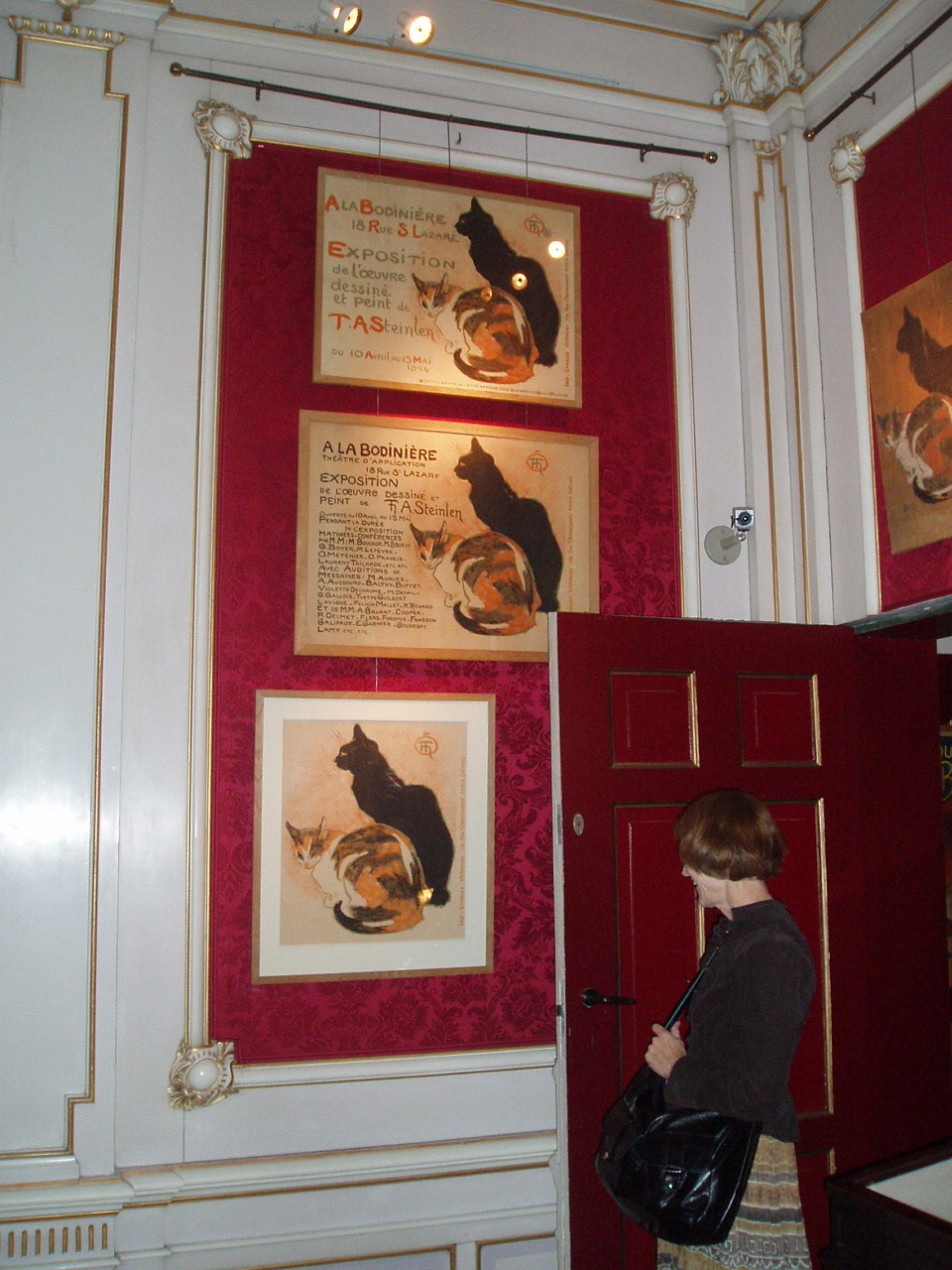
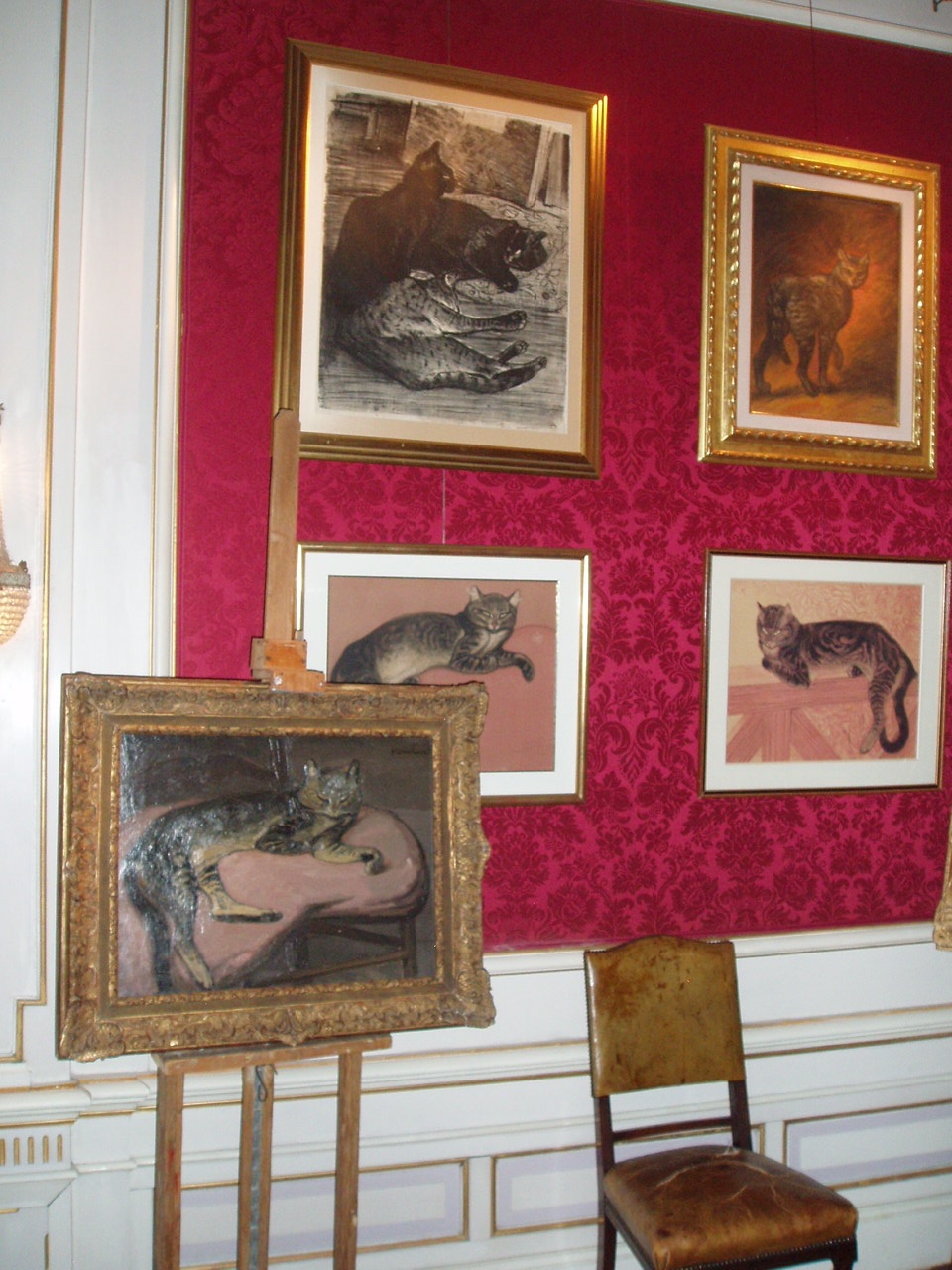
“KattenKabinet” is Dutch for “Cats’ Cabinet”. Don’t envision an emporium of Hello Kitty cuteness. This museum has a serious collection of fine art with works by Rembrandt, Picasso, Manet, Toulouse Lautrec and many other artists. An entire room is filled with sculptures, paintings and prints by Theophile Alexandre Steinlen. The subject matter of these master works is the unifying factor… all the artworks depict cats.

The museum was founded in 1990 by a well-to-do financier, William Meijer, in memory of his red tomcat, John Pierpoint Morgan. Mister Meijer’s taste in pets and art was obviously refined.

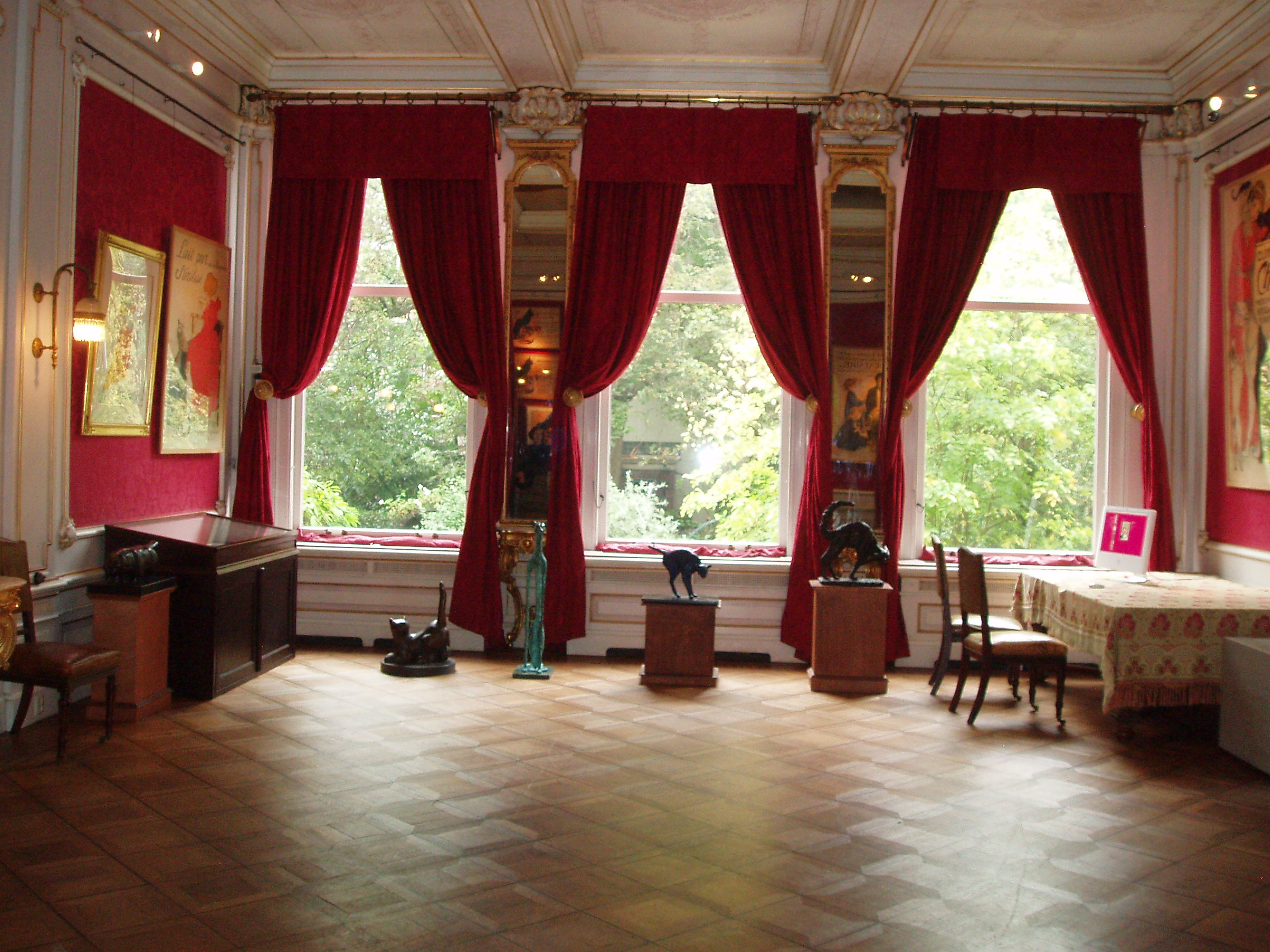
If you are not a lover of art or felines, you still might enjoy the KattenKabinet. The museum is in an elegant old canal house in the heart of Amsterdam on Herengracht, the Gentlemen’s Canal, which was named for the seventeen gentlemen who directed the Dutch East Indies Trading Company. The neighborhood remains upscale.

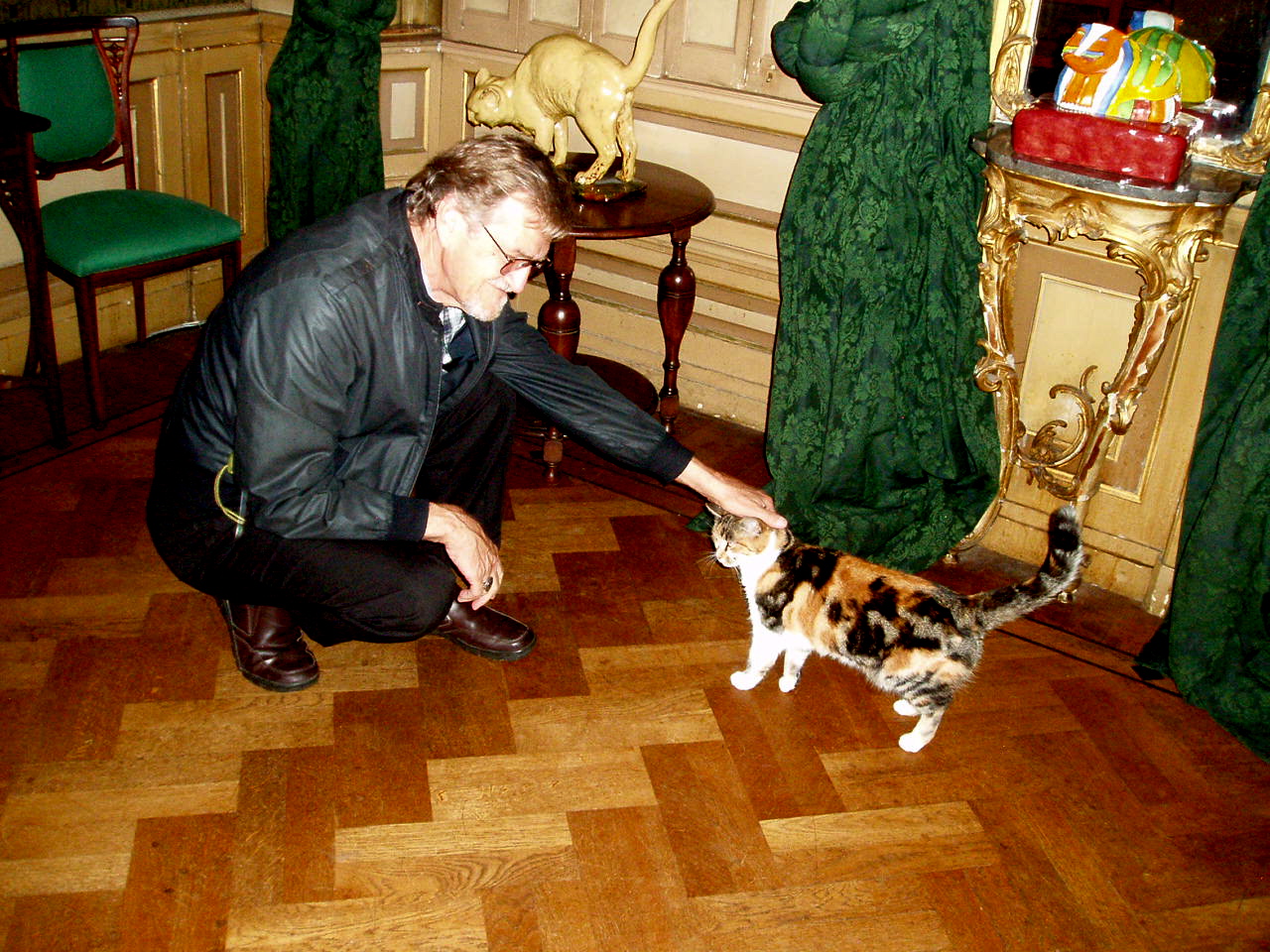
A small, discrete sign announces the museum, and you must ring the doorbell for entry. Opulent does not begin to describe the interiors. For felineophiles a final treat is in store. Several real cats live and roam freely through the museum. I must admit that this is the only museum I have ever been in that has a litter box in the corner of one of the galleries.

0

Antiques

Antique dealers must get extremely tired of hearing these words. “Why, we had one of those at home when I was a kid!” I have certainly blurted out that cliche many times.

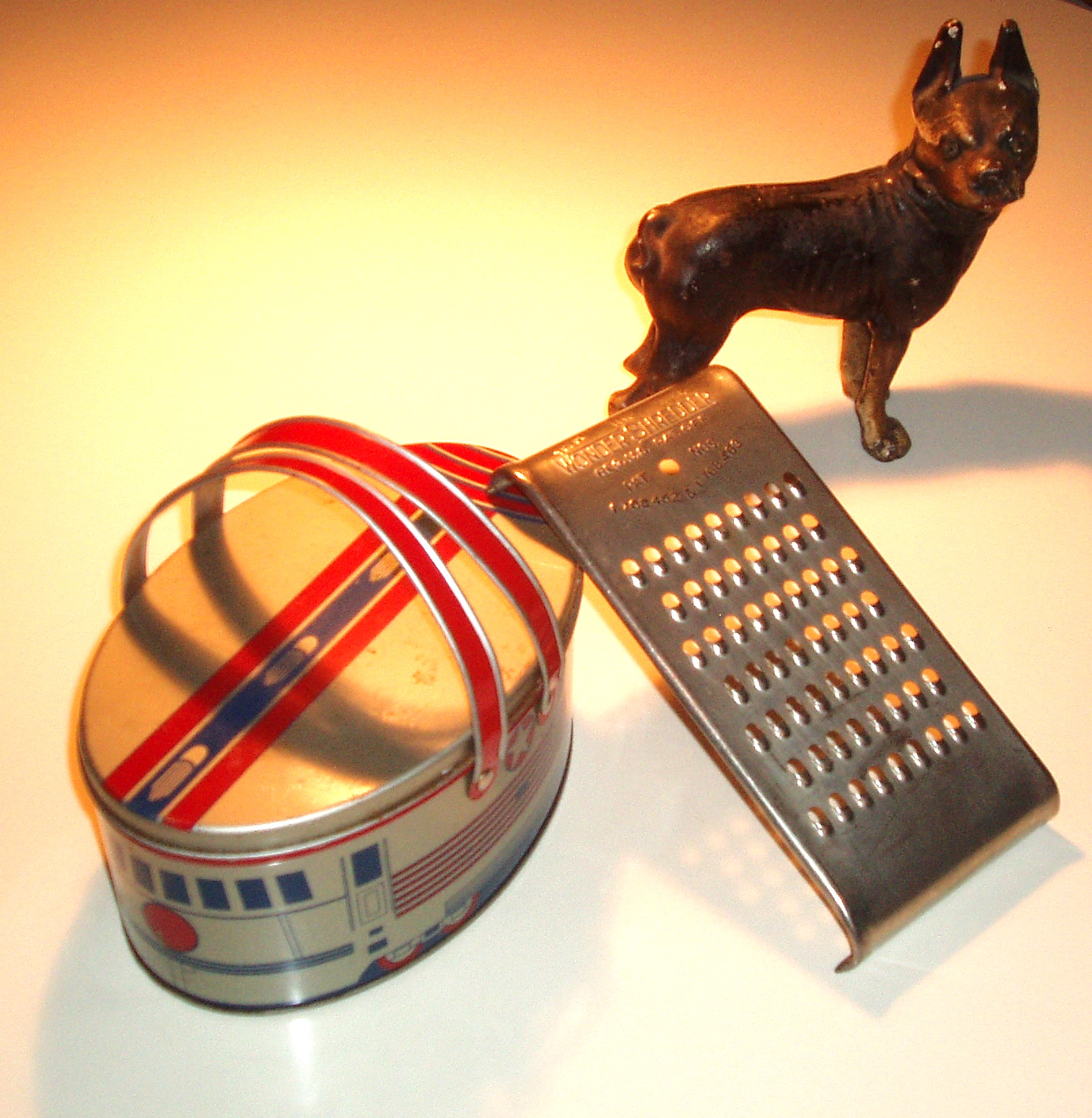
I feel no guilt at being so trite. I simply like meeting old friends, even if it’s just a clone of my beloved, oval, metal train car lunch box that went off to grade school with me every day.

Antique dealers will just have to put up with us; after all, they did choose to be in the nostalgia business, and, after a person reaches a certain age, antique stores become memory repositories.

I’ve reached the point where I get a triple whammy. Not only do I encounter treasures from my grandmother’s house (her cast iron dog doorstop) and my mother’s house (her Wonder Shredder), I also meet things from my own house.

My husband and I are surrounded by a classic collection of mid-century modern furniture, dishes and art. It’s simply the stuff we bought when we were married forty-five years ago.

A while back we were in downtown Minneapolis at a contemporary Scandinavian design furniture store. A sign pointed us upstairs to a collection of antique furniture. Visions of Carl Larsson’s farmhouse furniture appeared in my head. We went upstairs to be confronted with our own bedroom set and a good deal more of our household furnishings. After the initial shock, we laughed most of the day.

Now we can’t wait to go to St. Paul and do “the Retro Loop”. That’s a series of small, antique shops that all feature mid-century designs. We just replaced our dwindling silverware at one of these tiny shops. It’s delightful to shop in stores where not even one thing is stamped “Made in China”.

P9272660

(Note: comments will be posted in one week.)

0