Take 26 letters. Turn them loose with creative people. The result will be typography which consists of letters called fonts. With the advent of computers, a vast variety of fonts is now available. My husband and I spend many enjoyable hours pouring over and selecting fonts for our printed projects. The English language may have a mere 26 alphabet letters, but the variety of fonts knows no limits.
The myriad of fonts can be grouped into four categories. Serif fonts are the oldest. Known by the little “feet” at the bottom and top of each letter, serifs originated “in the flick of a calligrapher’s wrist.”
The second group of fonts is Sans Serif or no serif. They are the no nonsense, easy to read workhorses of print. Helvetica, a Sans Serif face, is the most popular font in the world.
Script or Cursive fonts make up the third group. They mimic handwriting with their elegant ornaments and swashes.
The fourth group consists of Decorative or Display fonts. They are created from pieces of the other three groups. Decorative faces are loaded with personality and scream for attention.
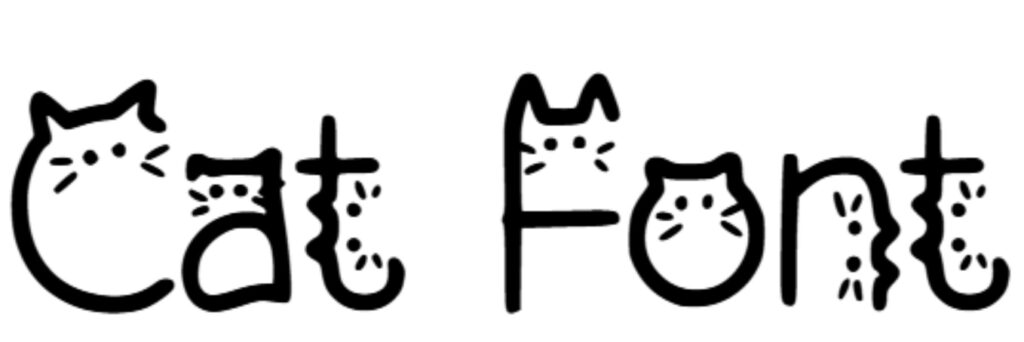
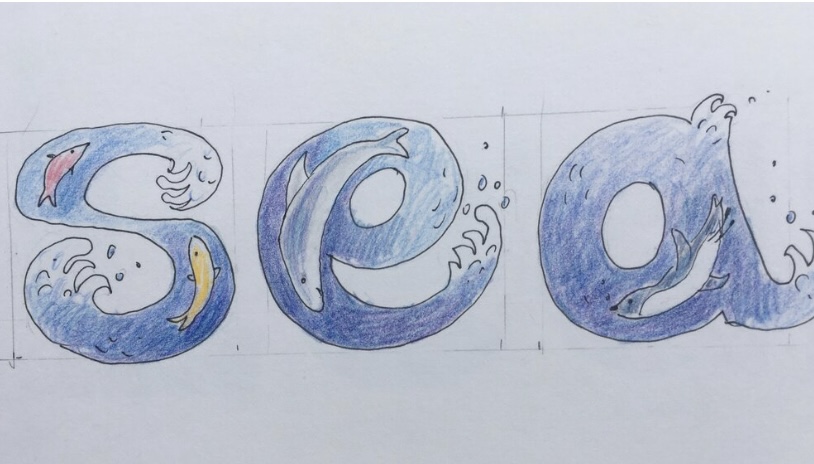
Now it’s time to have some fun with the fonts. No English word exists for type that mirrors the meaning of its content. The Dutch do have a word, letterbeeld, which translates to “letter image”. (Words that sound like their meaning are called onomatopoeia.)
After viewing the following examples of letterbeeld you may be inspired to conjure up some of your own. Enjoy!
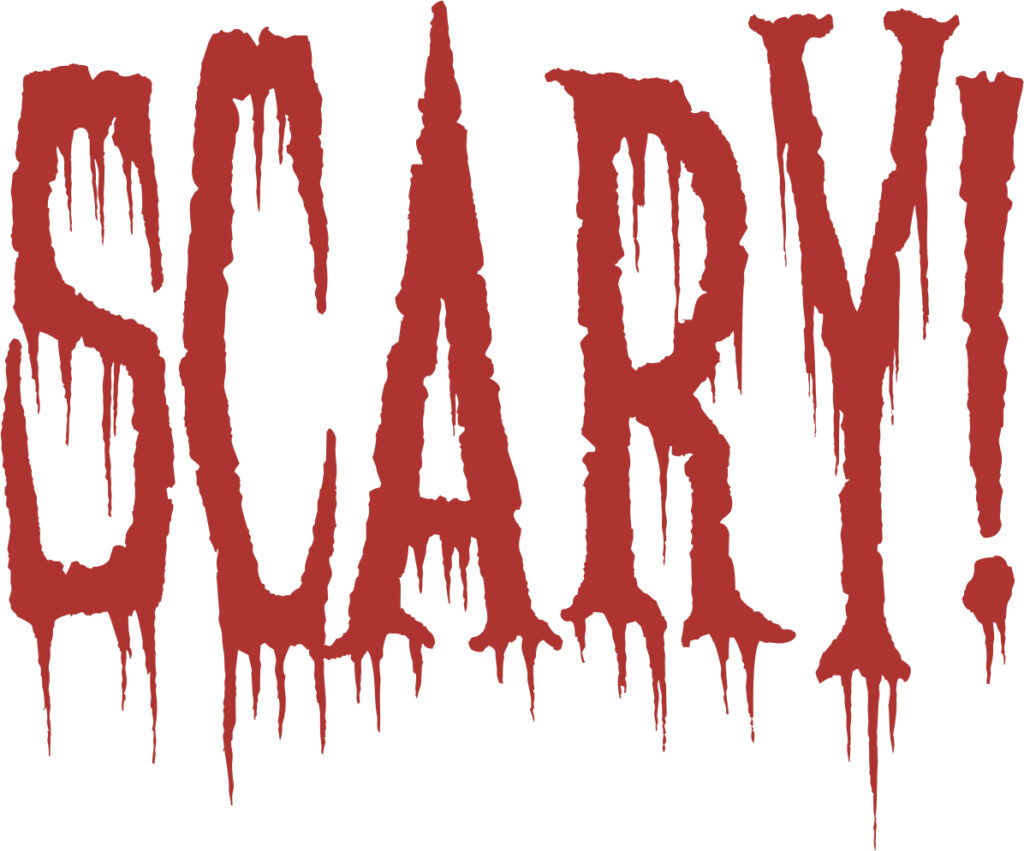
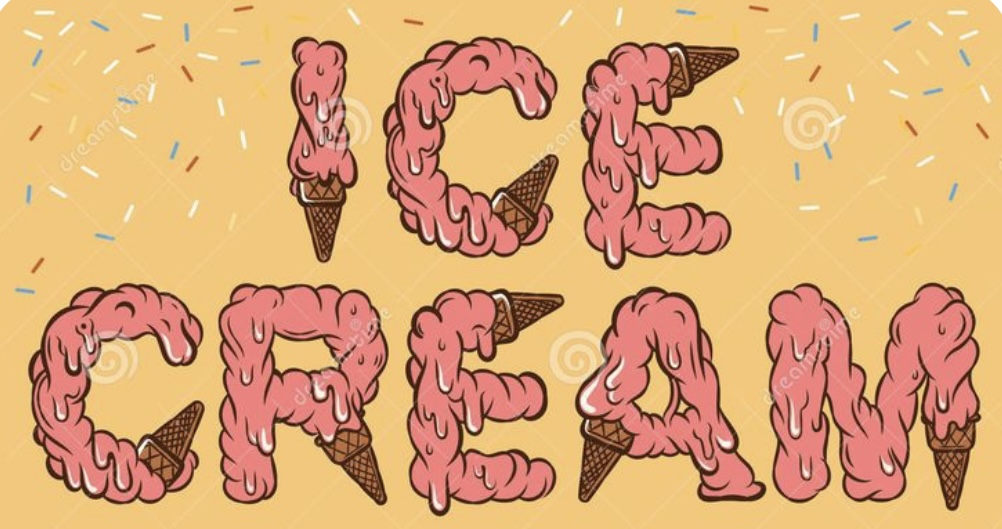
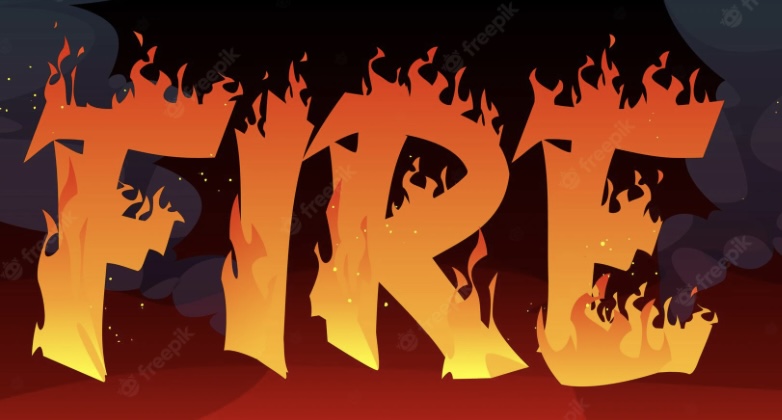
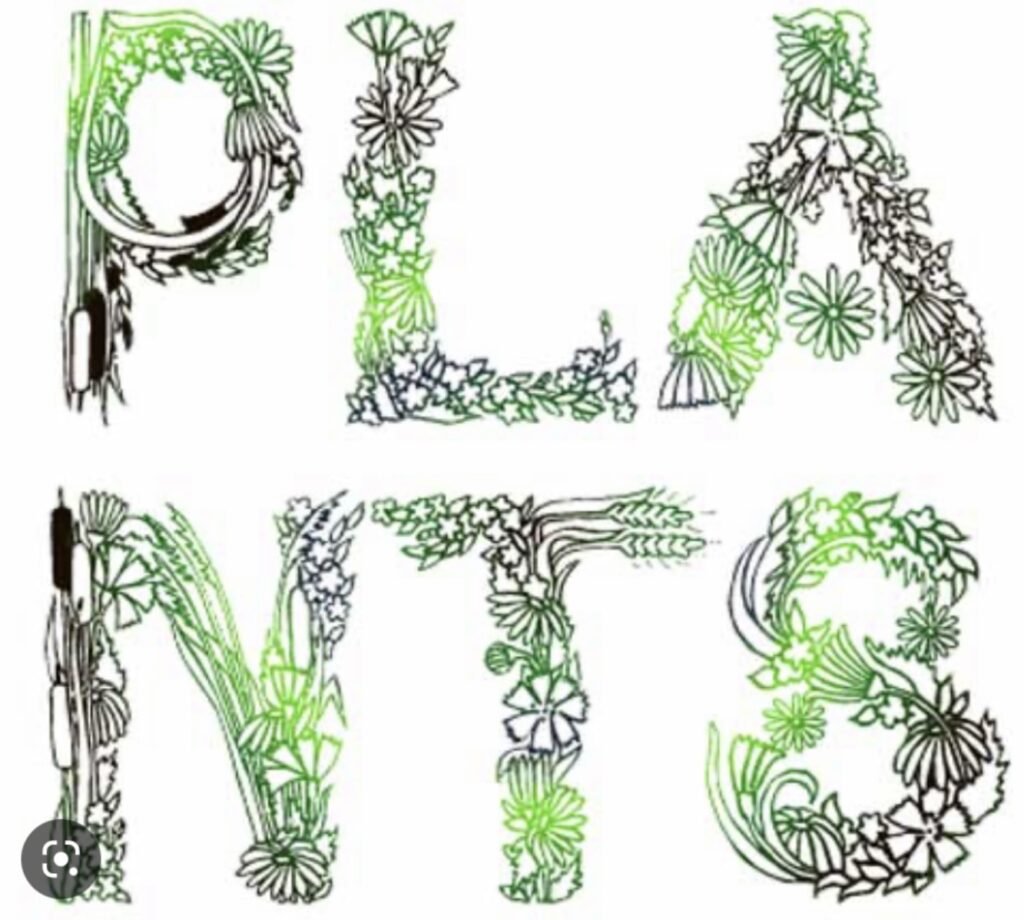
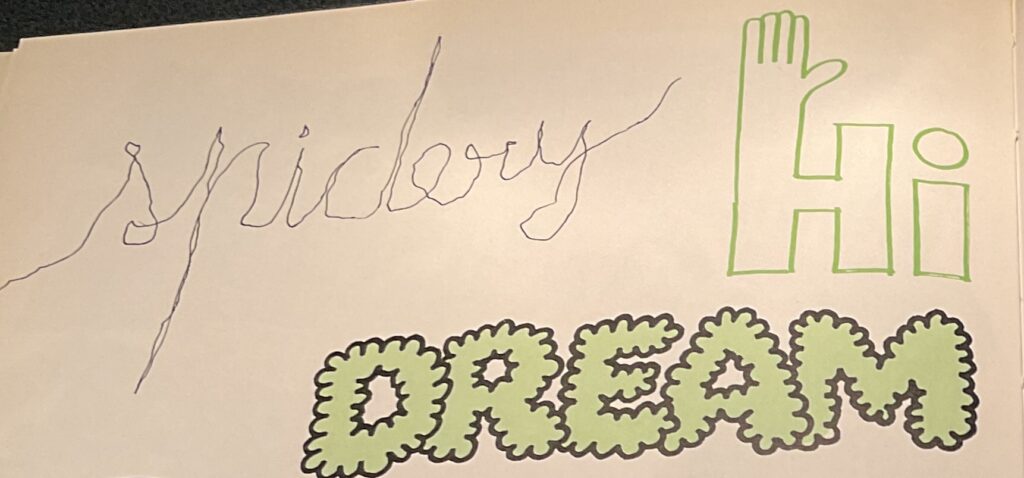
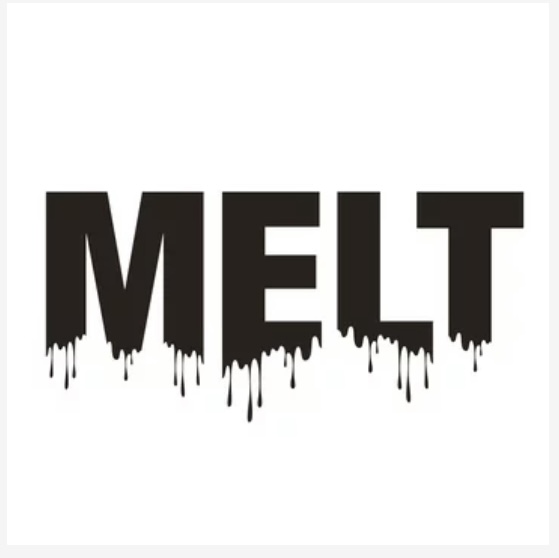
The following examples are all by children… and they are my favorites.

Great job! I miss you two, hope I’ll see you next time I’m in Wisconsin.
Peace,
Jeff N.
Hi Jeff, So good to hear from you. We would love to see you…lots of catching up to do!
Mary–the kid who did “bird” is a genius.
e
I agree! That picture is fantastic, my favorite.
Really fun to see these creative fonts.
Truly wish more schools would give projects like this instead of Pinterest lessons where every piece of “art” is identical.