Manners matter. They grease the mechanism of our human interactions. Unfortunately, manners do not follow a universal rulebook. What is polite in one culture can be rude or worse in another.
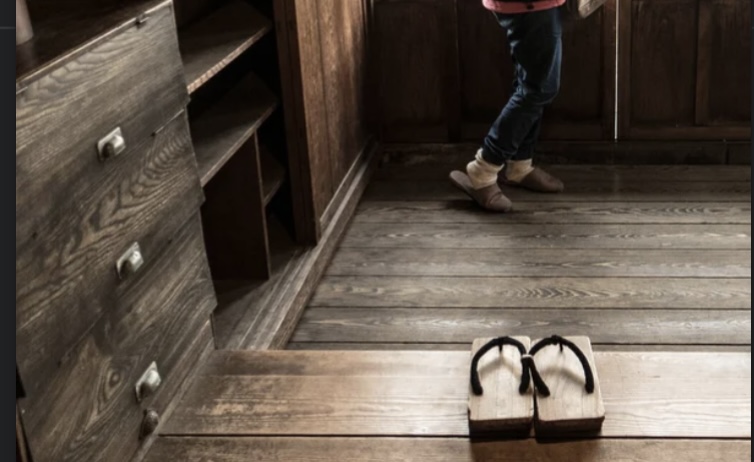
I have been guilty of violating other people’s cultural mores. My first faux pas was in Japan, a country known for a plethora of behavior rules. I was entering a home and knew my shoes had to be removed. But when I walked in, sans shoes, my hostess looked shocked. Unfortunately, she could not tell me what rule I had broken. The Japanese do not reprimand guests.
Fortunately, my traveling companion, a Japanese American, hastily whispered my transgression…stockinged feet are unacceptable. I returned to the front hall and put on slippers from a cabinet filled with multiple sizes of them.
I was back in grace but almost sinned again. My friend further informed me that the borrowed slippers were never to be worn in the bathroom. “Be sure to take them off and put on the provided bathroom slippers,” she instructed me.
Restaurant etiquette in Japan is complex as well. For example, blowing your nose at the dining table is the epitome of grossness. You MUST exit the scene. On the other hand, loudly slurping noodles is totally acceptable. Noodle shops are noisy places.
My next big mishap occurred in the Czech Republic. While accepting the keys for an apartment in Prague from the rental agent, I lightly touched the man’s arm as I said thank you. His instant recoil spoke volumes: touching is forbidden in casual encounters.
America is not immune from cultural traditions, and one that I would love to see changed involves the last serving in the bowl or platter. Everyone is too polite to take it. I always encourage guests to enjoy it if they wish. I simply say, “If no one wants it, the raccoons will be happy tonight.” Small servings of leftovers at our house are destined for the wildlife in the Tooley Cafe.
As a guest, what you do with what’s on your plate differs radically from country to country. In China, finishing your plate is a signal to your host that you are still hungry. In India and Japan, it is rude and disrespectful not to eat everything on your plate. And in Ethiopia, there is no plate. Food is shared from one communal plate, scooped up with flatbread.
I recently read a lovely anecdote about table etiquette in Janet Malcolm’s new book, Still Pictures. She and her family were Czech immigrants.
“I remember a story my mother told me about American alienness. She was at a dinner in an American household. The time for second servings arrived. When my mother was offered the platter, she declined. This was Prague etiquette, a charade called nutcení had to be performed. The hostess would press you to take another helping, and after many demurrals, you finally gave in helplessly to her urgings. But here, “No, thank you” was taken to mean just that, and the plate of delicious American food was whisked away before my mother’s sad eyes.”
The moral here is clear: don’t barge into another culture without doing your cultural homework. You could disgust an entire room of diners with one nose blow. Or you could go hungry.

Very interesting. I certainly did not know some of these rules. Thanks.