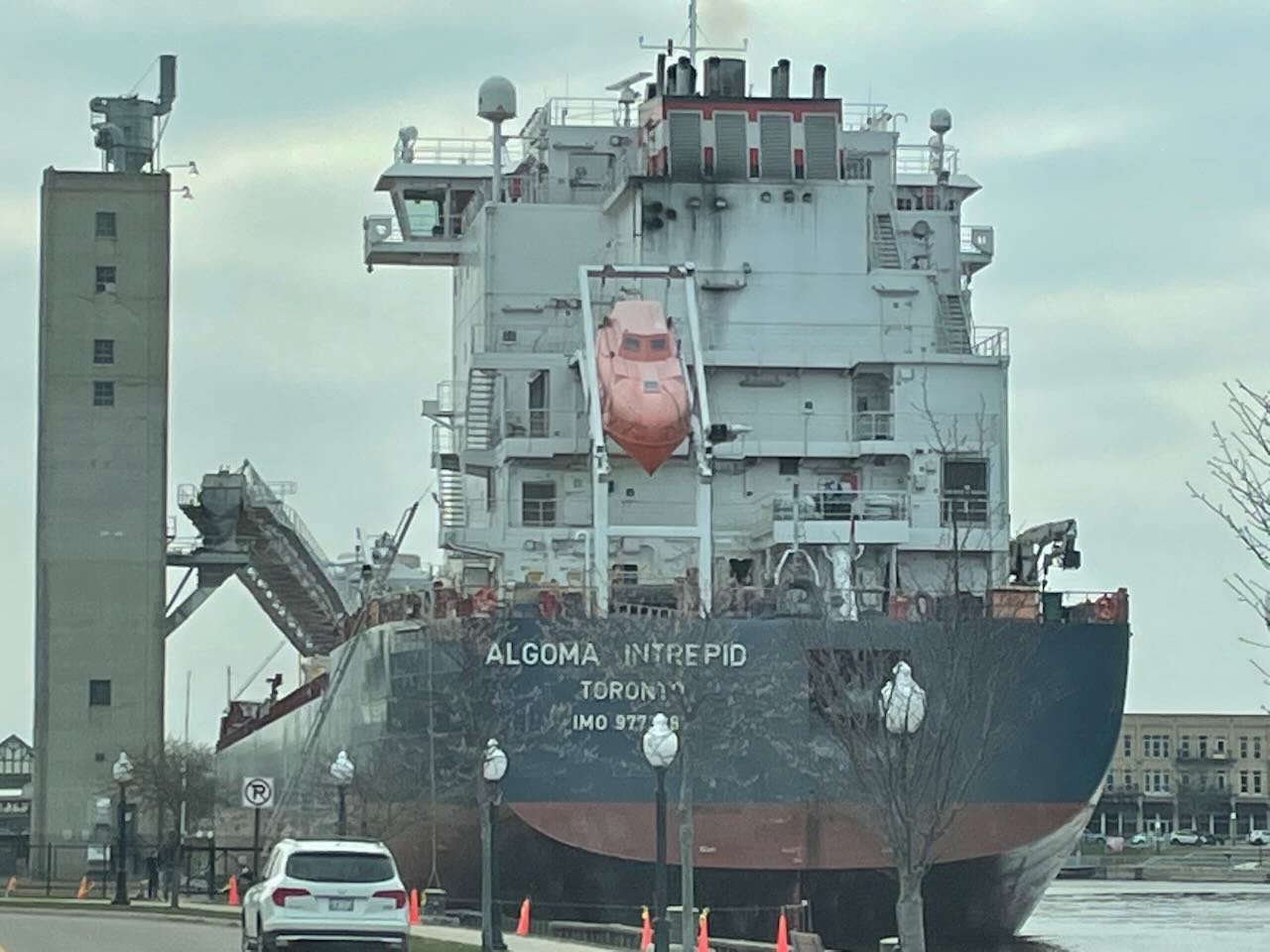
Last week we drove into town to get a close-up view of the Algoma Intrepid, a 650 foot long, self-discharging bulk carrier from Toronto. We see these massive “lakers” pass in front of our shoreline home frequently, but they are usually seven miles out, a big dash on the horizon. The Intrepid was moored at the mouth of the Manitowoc River in the heart of town, right across the street from the library.
Here’s a picture of this massive boat. It is also a picture of the start of beer being made.
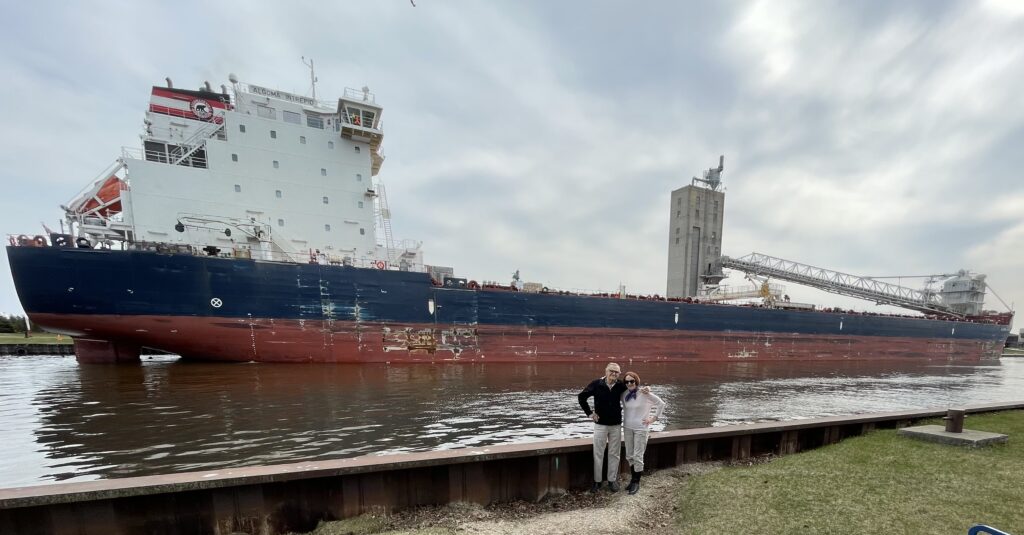
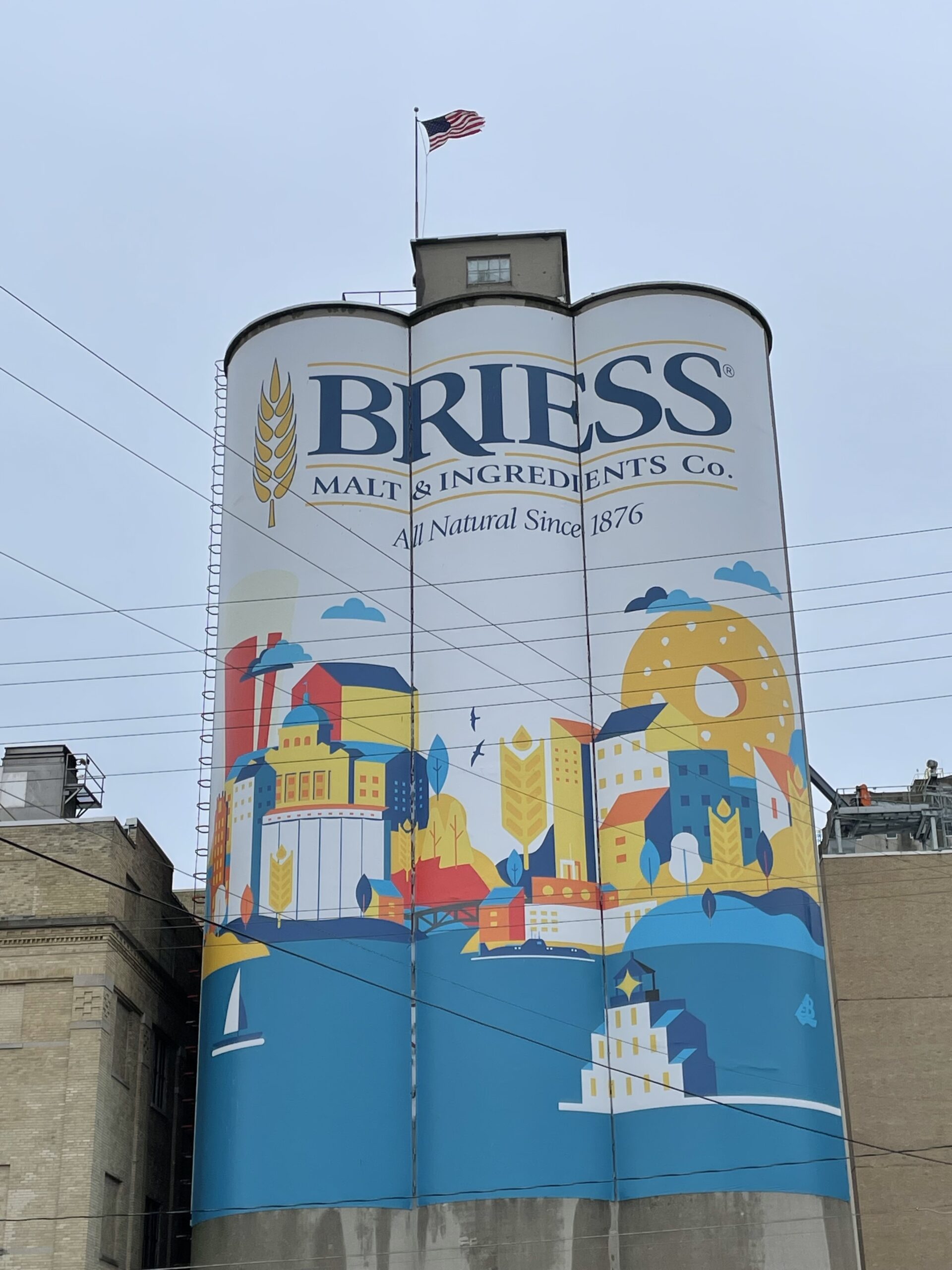
We were naturally curious about the Intrepid’s cargo. Turns out it was filled with barley. A humming conveyor belt was automatically unloading the barley into a tall, concrete building beside the river. After watching this interesting operation, I wanted to know more. I knew a company named Briess Malting had bought all the empty grain elevators and facilities beside Lake Michigan, an extremely happy event for our economically depressed town. But what happened next to those tons of barley?
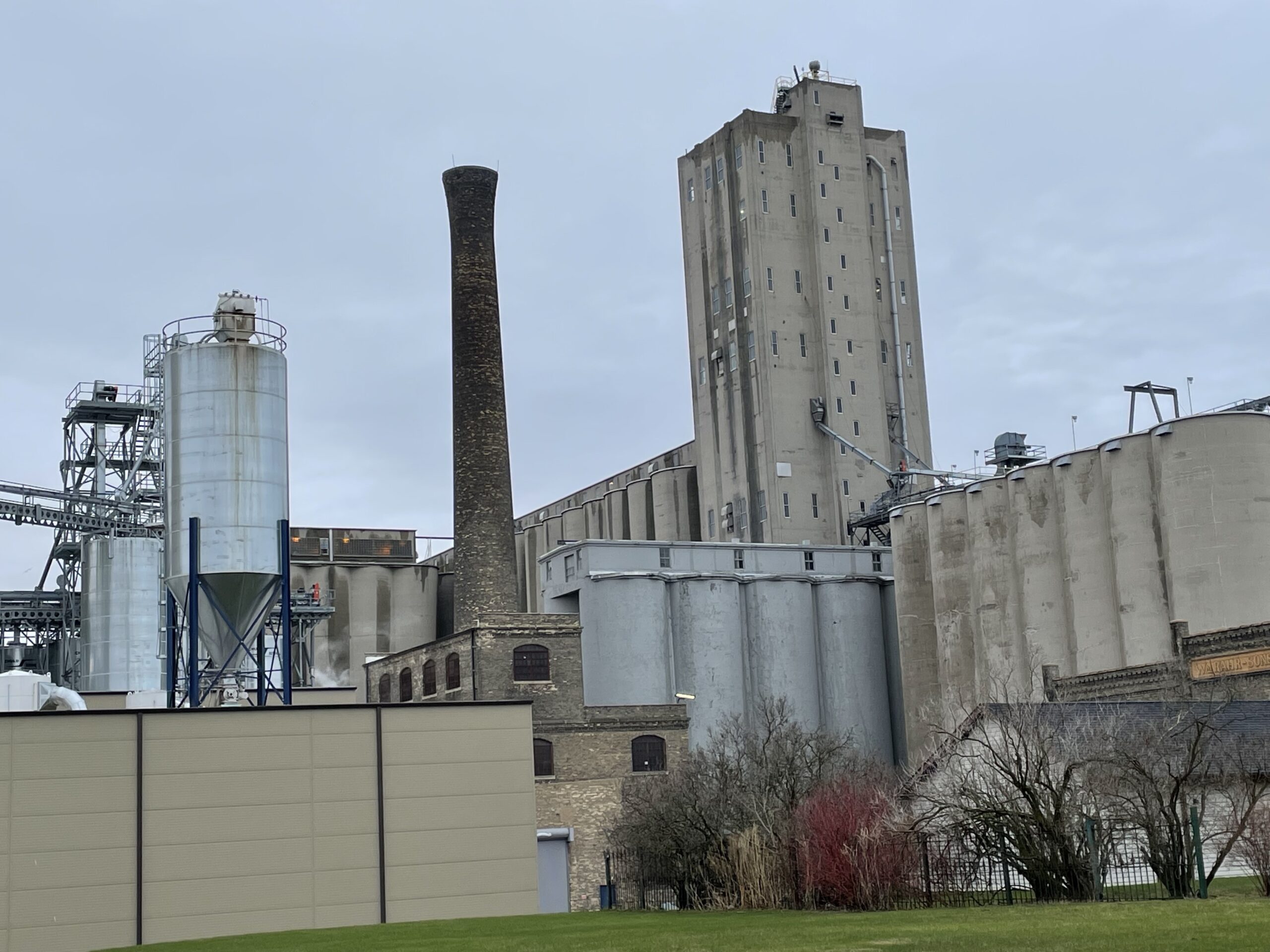
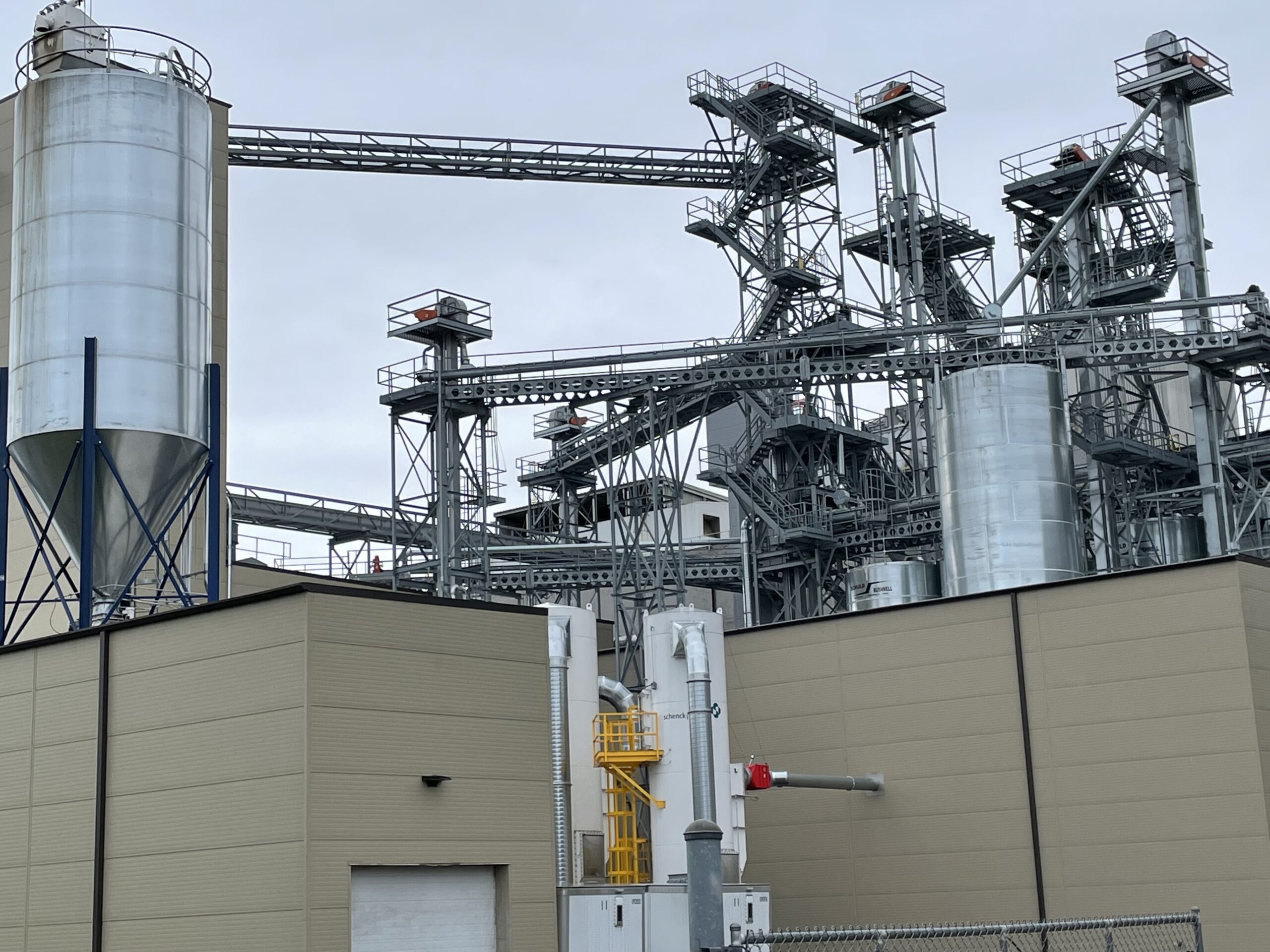
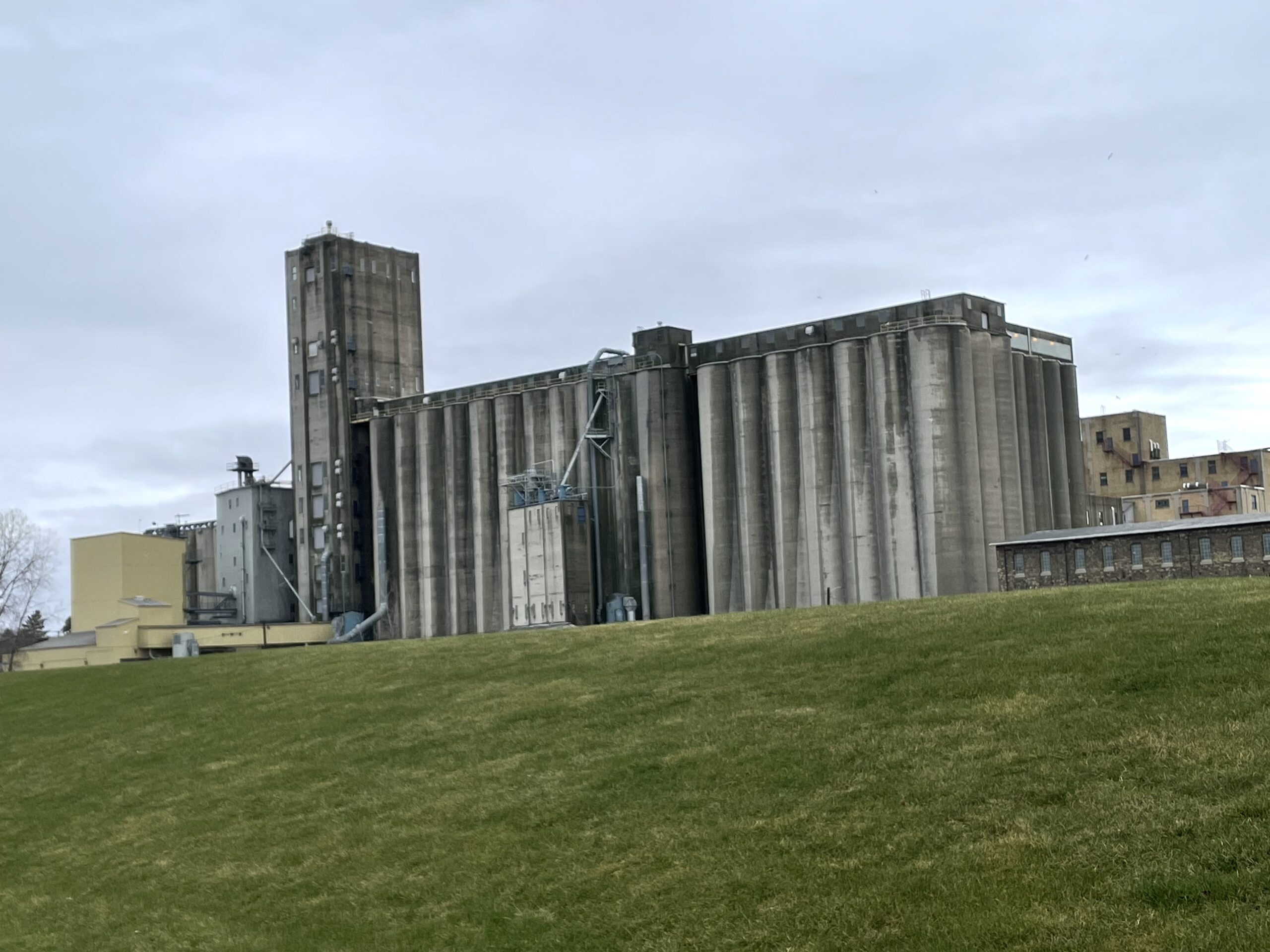
The first thing I discovered was that Briess also had acquired and reactivated the 50 year old concrete building beside the river which is a marine grain tower. Previously, all their grain arrived via rail or trucks. More lakers will be coming to town.
Next, the grain is moved three city blocks through underground tunnels to the 12 story grain elevator for the cleaning and grading process. Sticks, stones, dust and other impurities are removed as the grain travels via gravity through the floors of the elevator.
From the elevator, the barley goes to the Malt House where giant steeping tanks (2 stories tall) filled with bubbling warm water start the germination process. Here the steeped kernels undergo modification- enzymes open up the seeds’ starch reserves.
The next step is the drying kilns. Different temperatures and drying times determine the characteristics of each specialty malt, for example, pilsen, pale ale, etc.
Since beer is the third most popular drink in the world (after water and tea), I thought a mention of its ingredients would be in order.
“The basic ingredients of beer are water, a starch source, such as malted barley, able to be fermented, and a flavoring such as hops, to offset the sweetness of the malt.”
Manitowoc has the malt covered. And that’s a sweet thing for our city and port.
I remember those towers. Had relatives in Manty . . . spent a week each summer with my cousins . . .
evie kewaunee . . .
What a nice piece on local color – and flavor! I’ll drink to that!
Yes! And we want you to check out our Petskull Brewery…for the architecture and the beer.
My son lives in a small river town on the St. Lawrence where the Lakers go past the back of the main street. Water is very deep there and they are close enough to shore to see a lot of detail. Local past time is going on line to check ownership, country of origin, cargo , and destination. It is always amazing to me how quietly they move through the water. Hope I can get to see one docked in Manitowoc. I’m excited about the info you shared.
Carol….Briess spent a ton of money getting the grain tower activated. More close up views are in our future. Your son’s home location sounds fantastic. Russ runs a reporting station for the Marine Traffic site you mentioned. So he and other stations in the area will enable all of us to see when a laker is docked in the river.
I will look forward to more info. His home is a few blocks from the river in the Thousand Islands area. They have a great Antique Boat Museum too. My travel is a little hampered these days but I loved the time I spent there. If you have never visited you have to make plans – beautiful scenery, history and wonderful art.
I will definitely check the Falcons out! Thank you for sharing this.
This is great! You’ve answered all my questions, including the one about whether there will be many more of these big ships coming to town. Interesting that we get barley from Canada! Oh, and I should add that there are Peregrine Falcons who nest on that huge building. They can often be spotted perched up there!