In 16 years of blogs, I have never written one about bananas. Therefore, it’s time to correct this oversight and go bananas.
Here’s the lowdown on America’s favorite fruit.
- Bananas originated about 10,000 years ago in Southeast Asia. Today more than 1,000 varieties are grown in over 150 countries.
- The original wild bananas were not edible. They had large, hard seeds and thick pulp. Edible bananas were developed in Africa around 650 AD.
- European missionaries introduced bananas to the Americas in the 16th century.
- Bananas do not grow on trees. The banana plant is the largest flowering HERB in the world. The plant reaches its full height of 30 feet in a year.
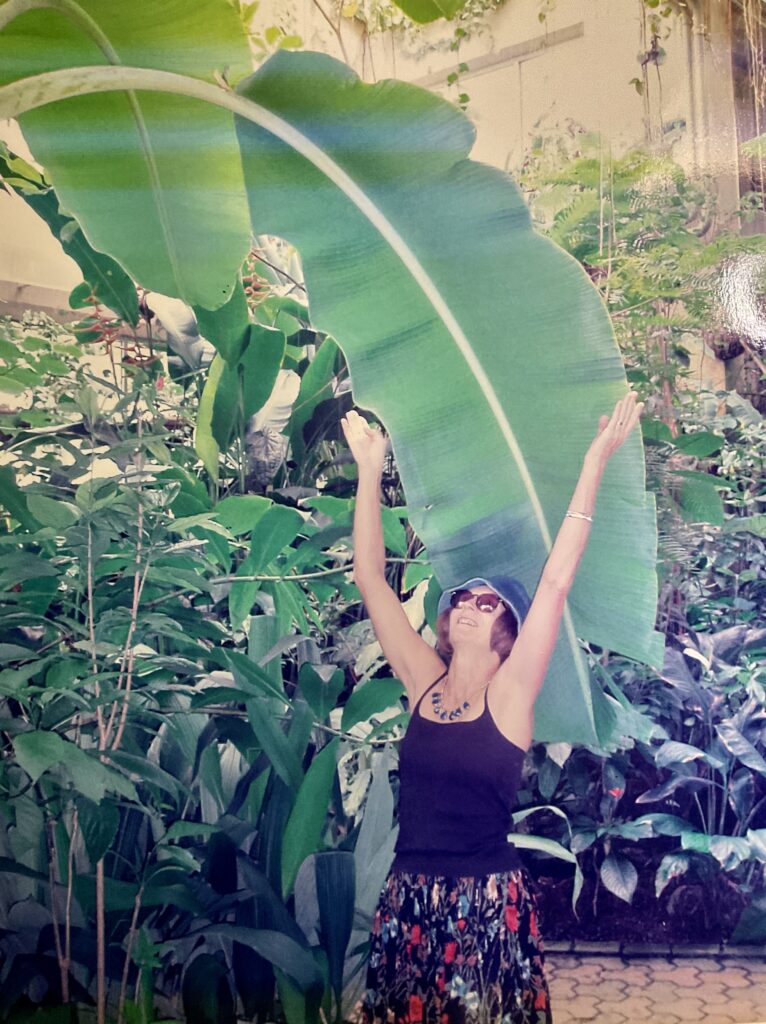
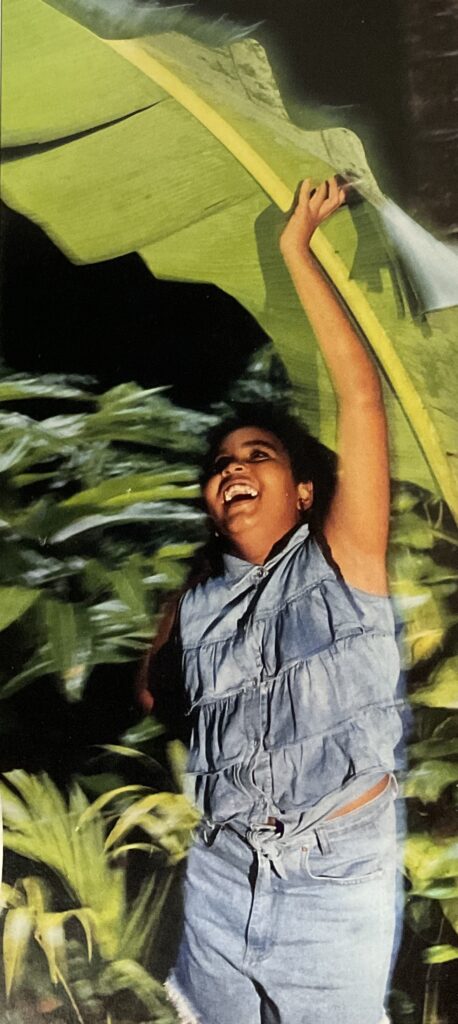
- A single banana leaf can be 12 feet in length. People in the tropics often use the leaves as disposable umbrellas.
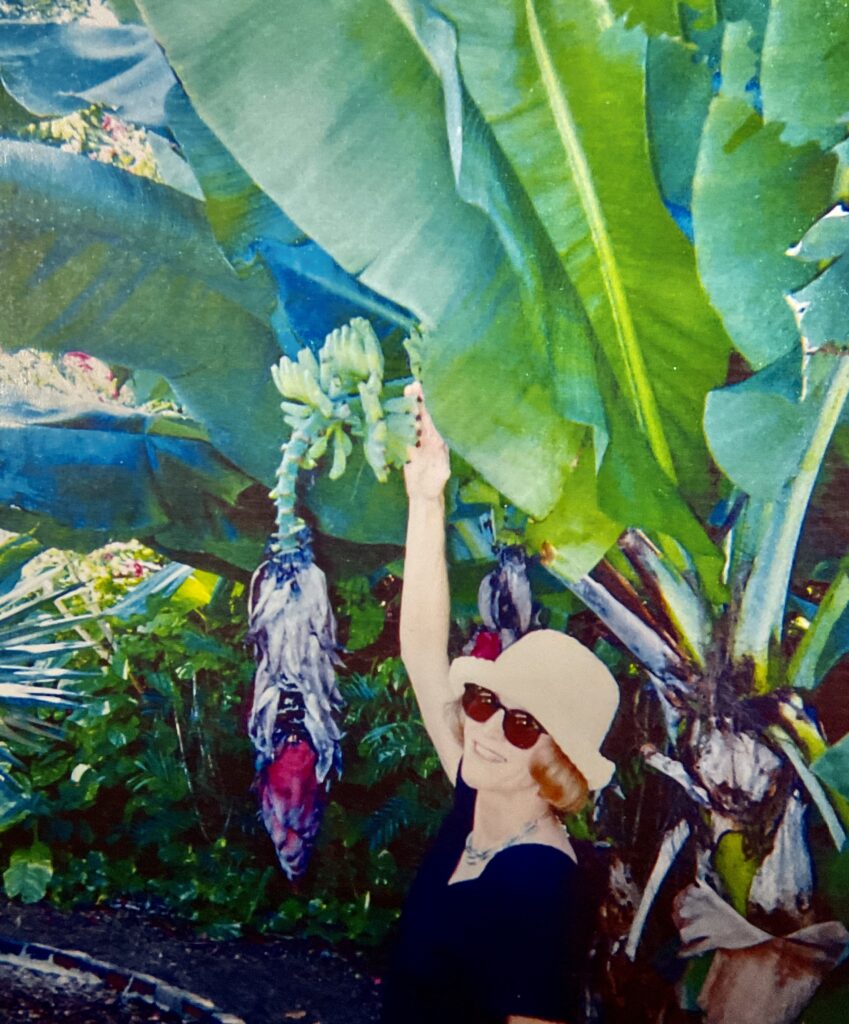
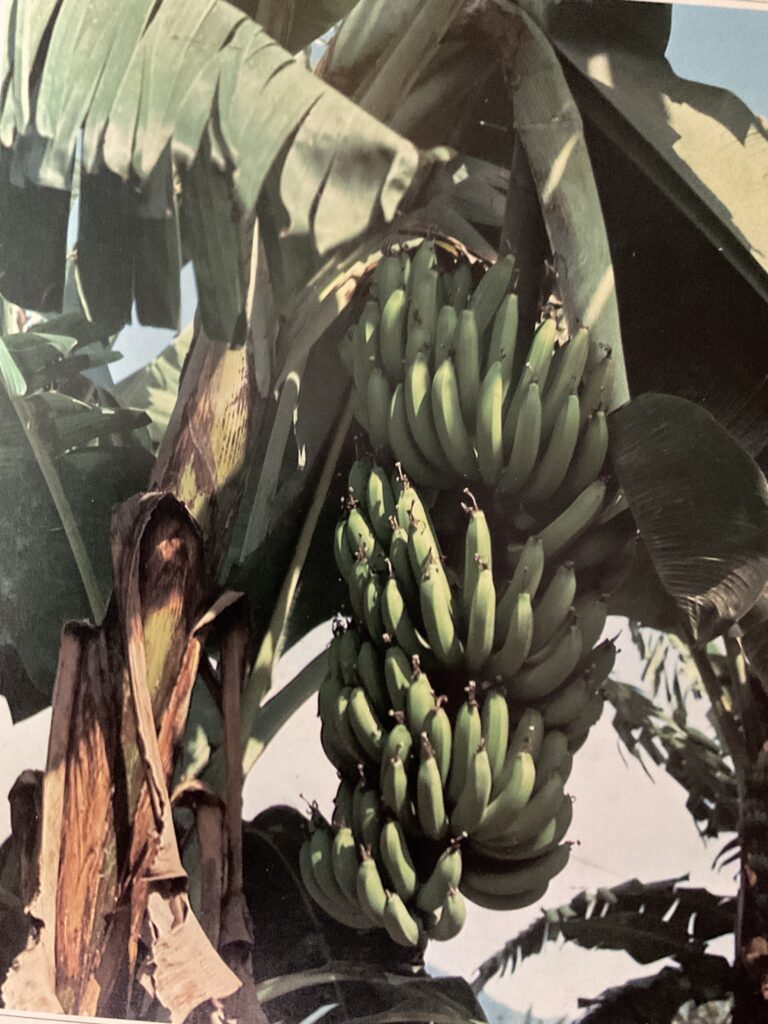
- Banana plants produce large purplish-red flowers that hang down on a stem. The flower results in a hand of bananas; the fruit grows pointing up. A single banana is called a finger. The word banana comes from the Arabic word Banan meaning finger.
- After the bananas are harvested, the plant is cut down. A new plant grows back as bananas are perennials.
- The big, yellow bananas in our American supermarkets are the Cavendish variety which was developed in an English greenhouse in 1834. They account for 47% of global banana production. Unlike wild bananas, the Cavendish have no sex life; the seeds are sterile and cannot reproduce.
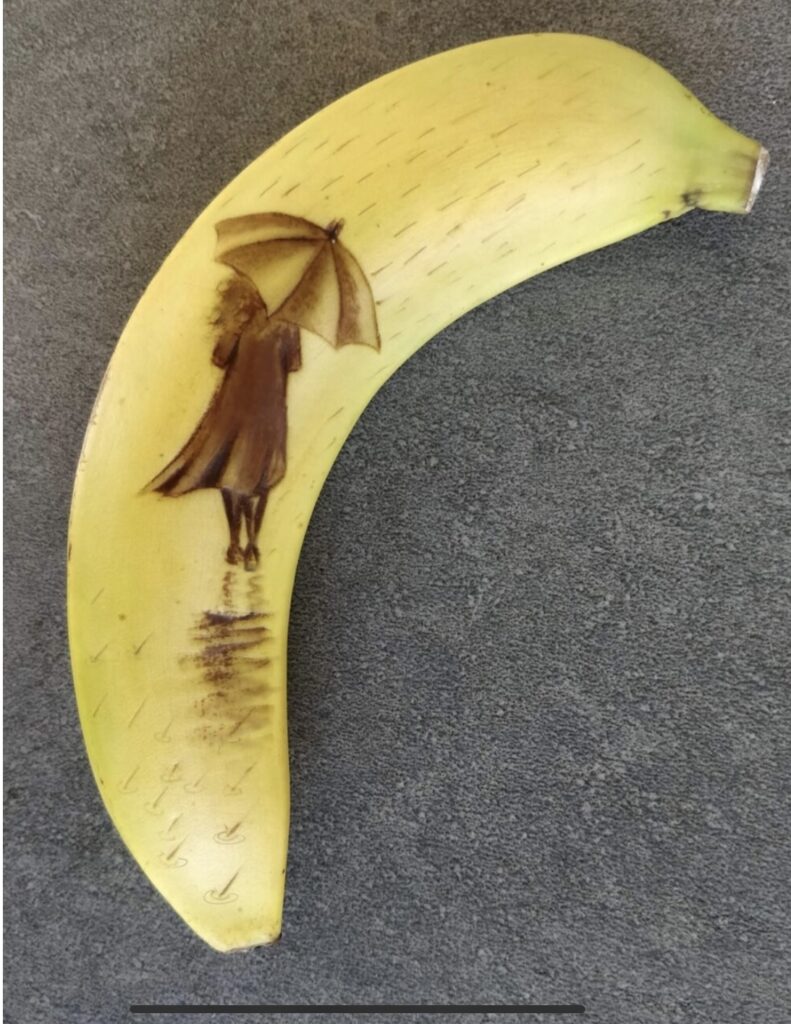
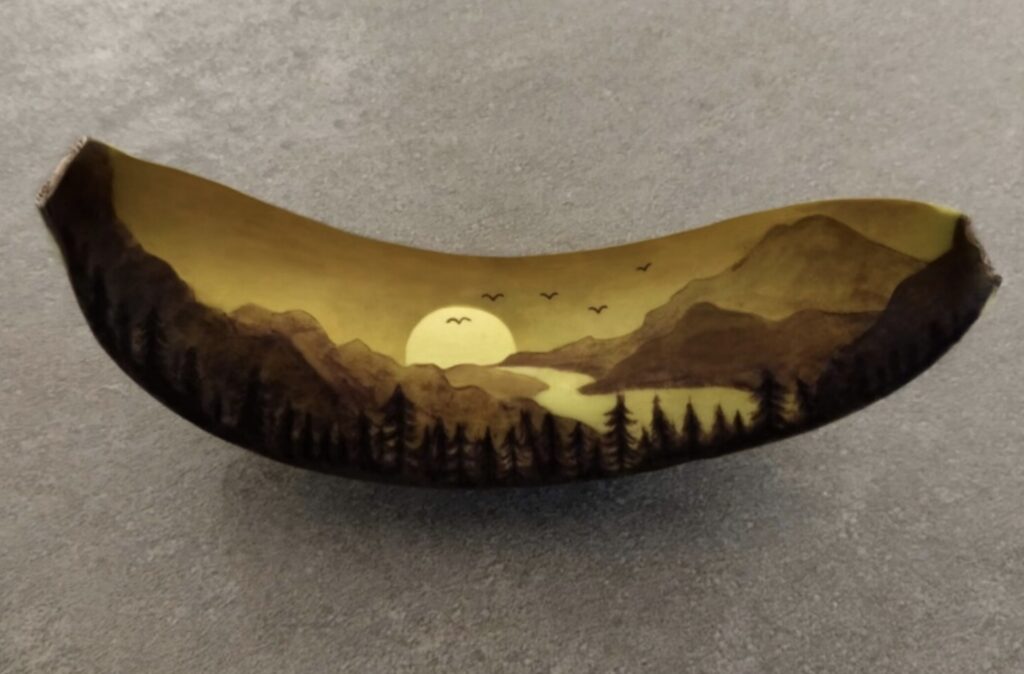
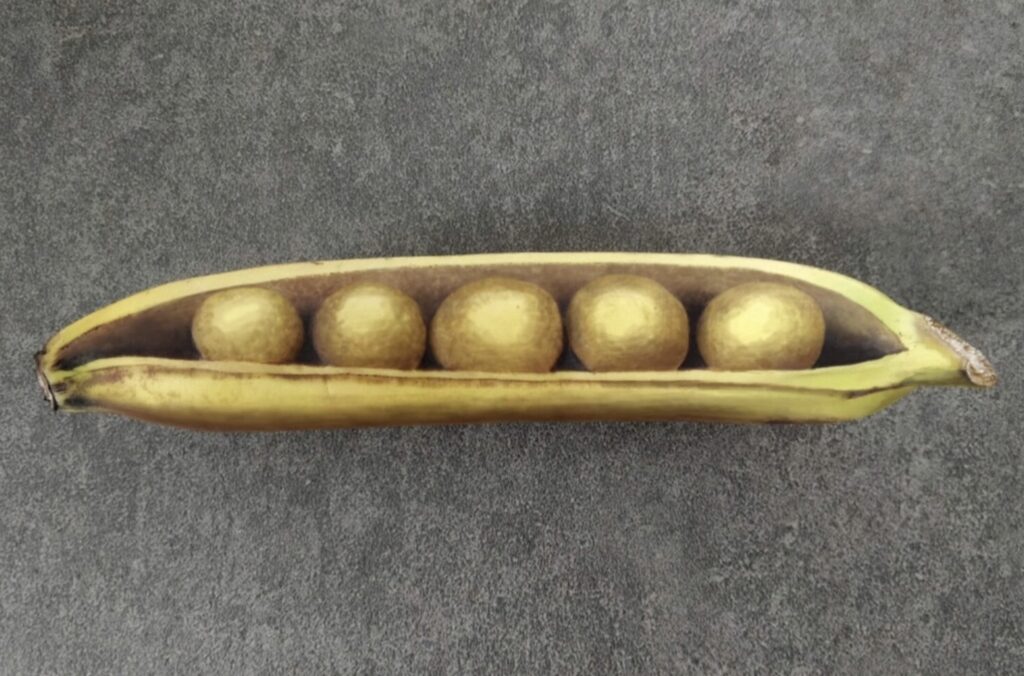
The idea for this blog began when my husband showed me an article about a woman named Anna Chojnicka who got bored during her Covid quarantine. She subsequently developed “banana art” by selectively bruising the skin of bananas. The results follow along with a delightful video of her in action.
You always delight, inform and inspire me – thank you!
What? No sex life? Is that even fair???
xxxevie