Esther

According to Hallmark, Americans send 145 million Valentine’s cards each year. And this colossal number does not include the cards kids exchange and the hand-crafted ones.

Women purchase about 85 percent of all these hearty greetings. So it is fitting that this blog is about a remarkable woman who is known as ” the Mother of the American Valentine”.

Born in 1828, Esther Howland grew up in Worcester, Massachusetts, graduating from Mount Holyoke Female Seminary in 1847. The headmistress of that institution had warned her young ladies against “those foolish notes called valentines”, but Esther had different thoughts.

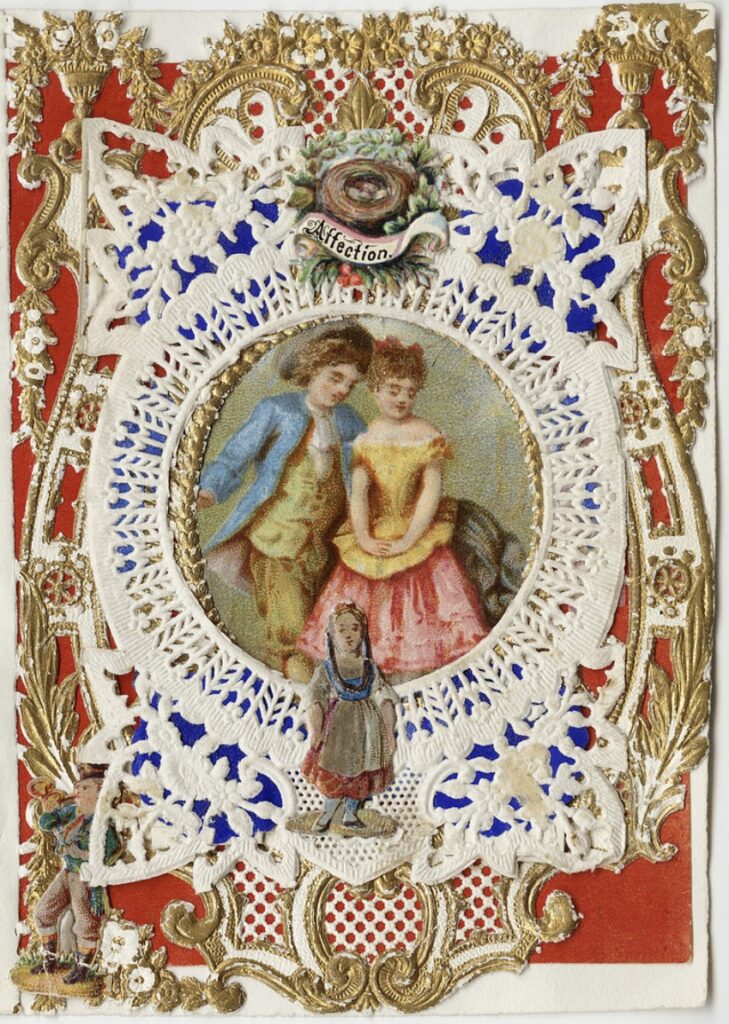
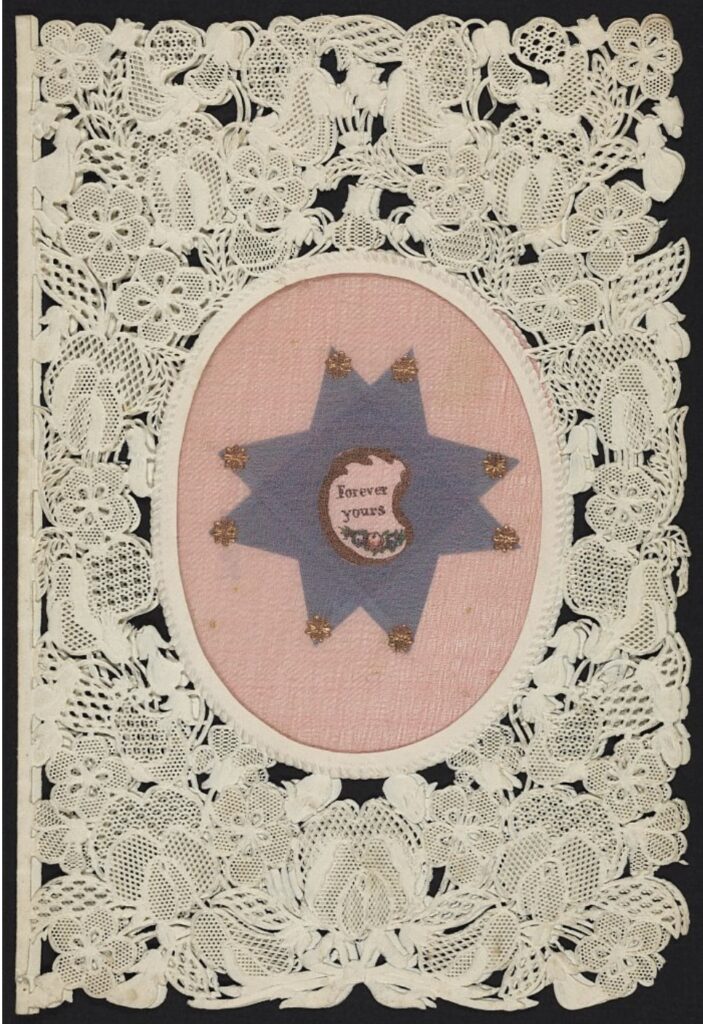
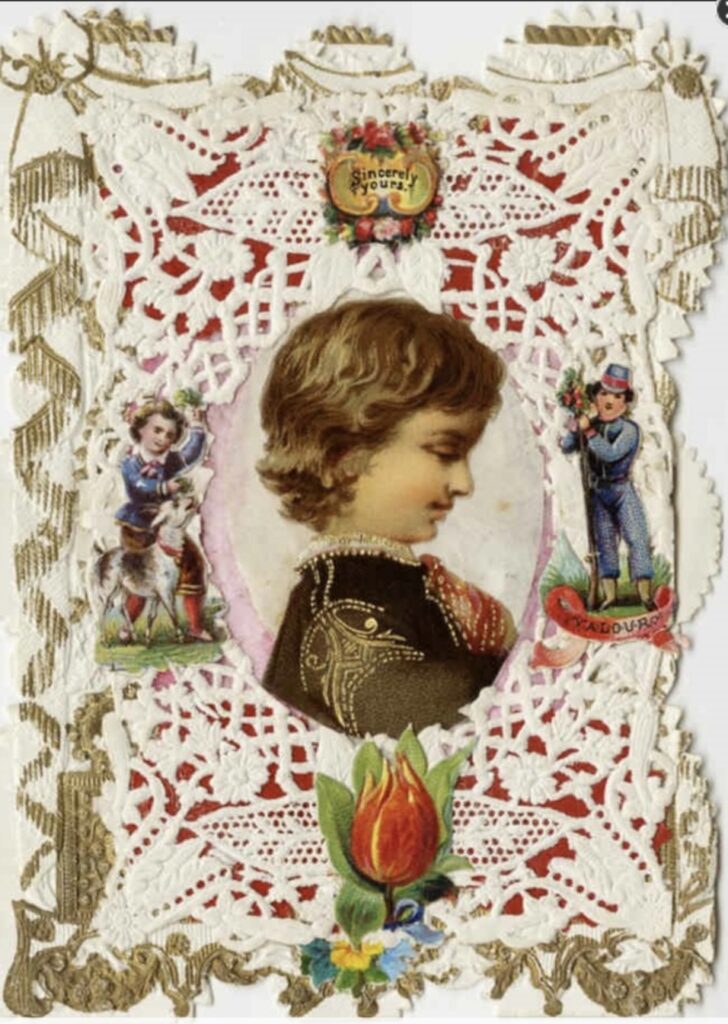
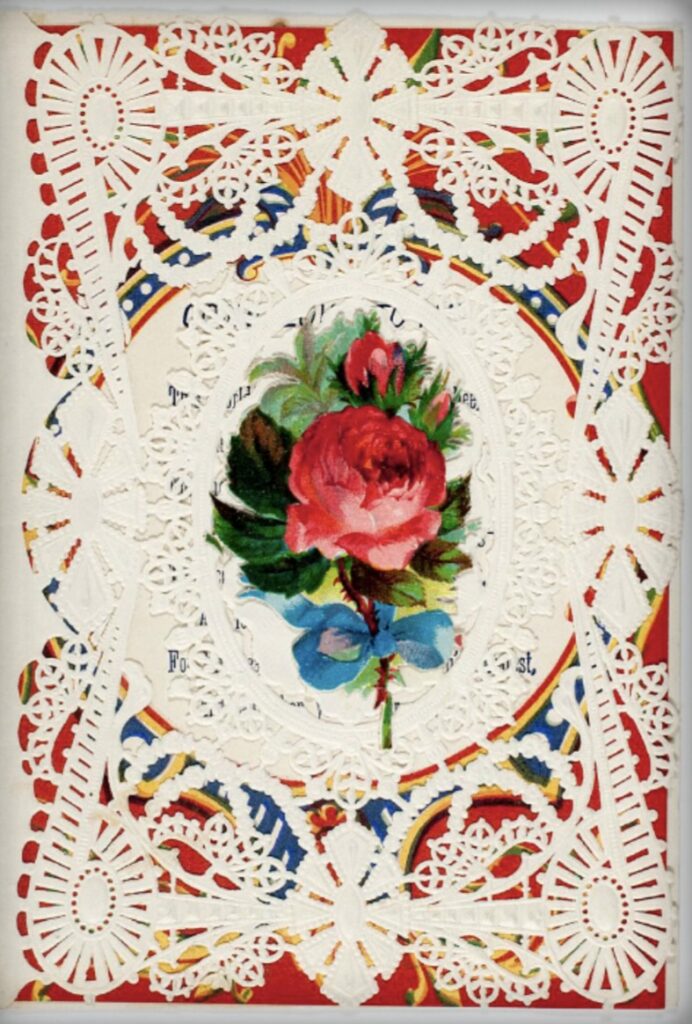
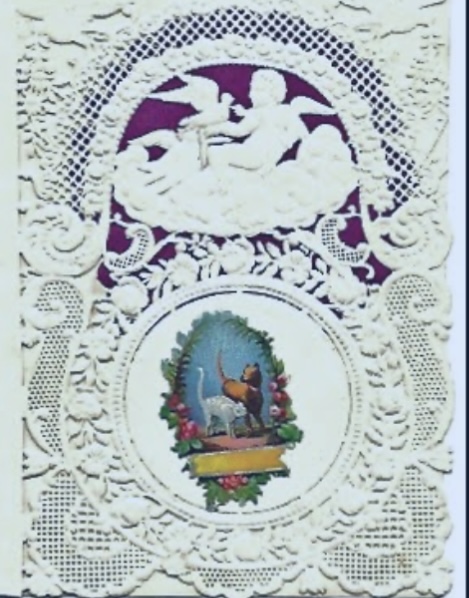
Esther’s father owned a large book and stationery store, and one of his colleagues sent Esther an elaborate, lacy valentine from England. At that time England was the epicenter of ornate Valentine cards.

Esther was not smitten by her suitor, but she did love the card. Suitably inspired, she designed and assembled twelve cards of her own. When her brother made sales calls for their father’s business, he took Esther’s cards with him. She was hoping for around $200 worth of orders and was stunned when her brother came back with orders over $5,000.

Although Esther had originally planned on making all the cards herself, she realized a new strategy was needed. She immediately cleared a room in the family home, ordered supplies from England and invited over a group of friends. The young women were each assigned only one task. Some cut out pictures, others put on lace, while others added feathers, ribbons and embellishments. Esther Howland had invented an assembly line to mass manufacture the cards which she designed. Her idea predated Henry Ford’s “invention” of the assembly line by decades.
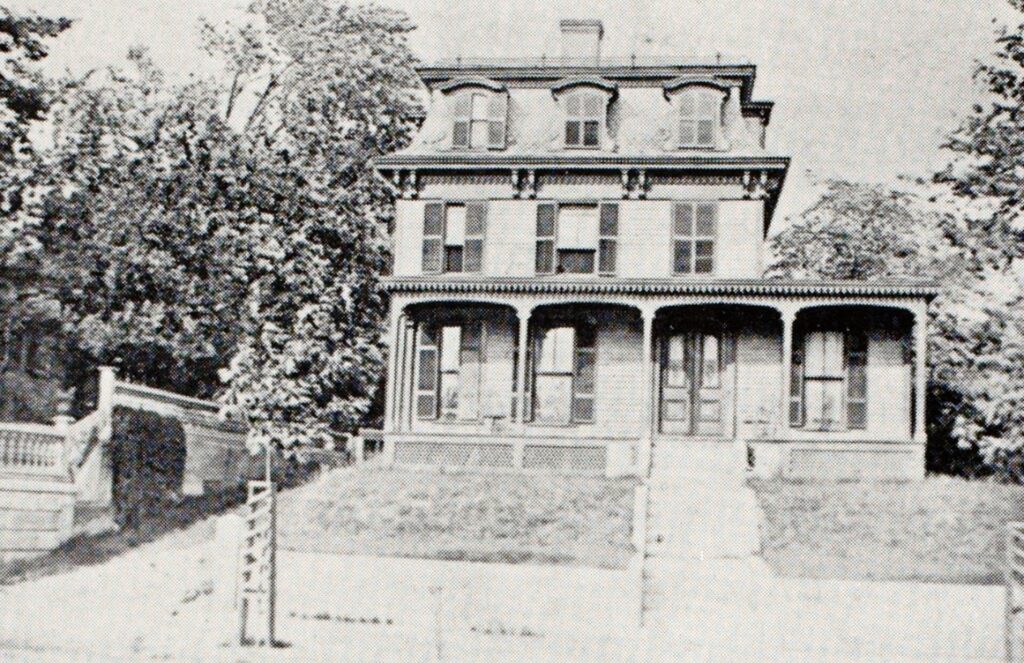
Orders poured in, and soon the operation filled the entire third floor of the family home. In 1870, she incorporated her business as the New England Valentine Company. Her sales were over $150,000 annually which would be several million dollars in today’s money.

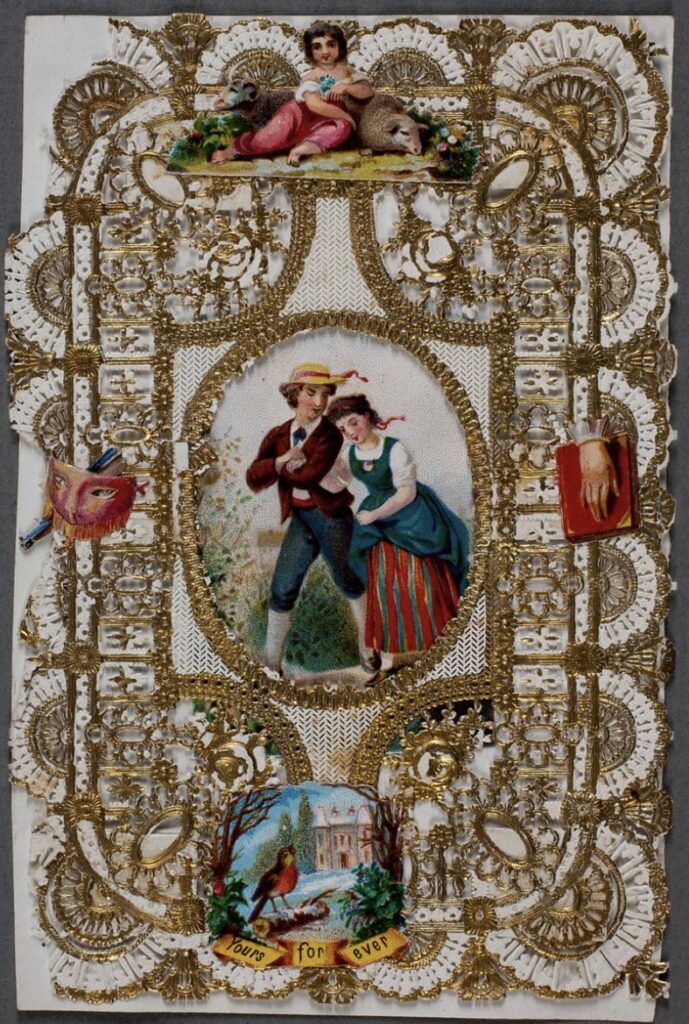
Esther eventually had to move the booming operation to a building in downtown Worcester. This savvy entrepreneur had popularized commercial Valentine’s cards in America. Her tasteful creations sold for as little as 5¢ and as much as $50 for elaborate cards with ribbons, gilded lace and hidden doors for hiding treasures such as a lock of hair or an engagement ring.

Esther Howland sold her thriving business to a competitor in 1980, and this, too, is a story about love. She sold out to spend all her time at home caring for her dying father.
6

Sheltered

Waiting for a bus in America is not an ambient experience. If a bus shelter is present, it’s typically a scratched plexiglass box plastered with ads, graffiti or both…not the highlight of anyone’s day.

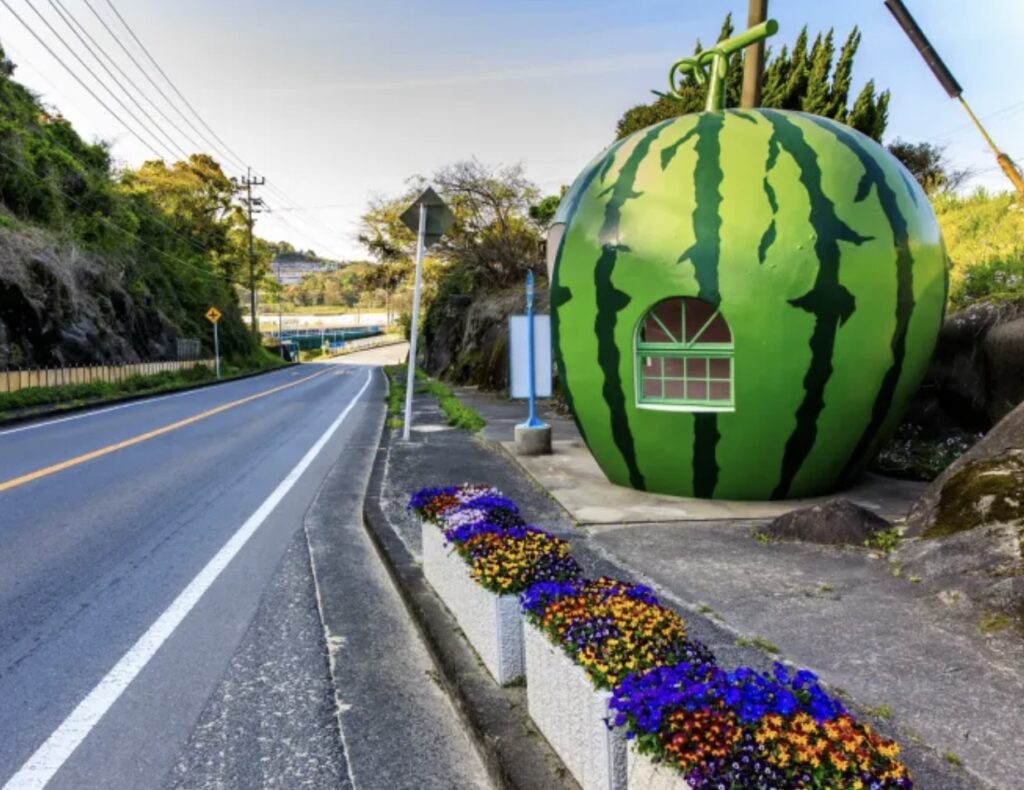
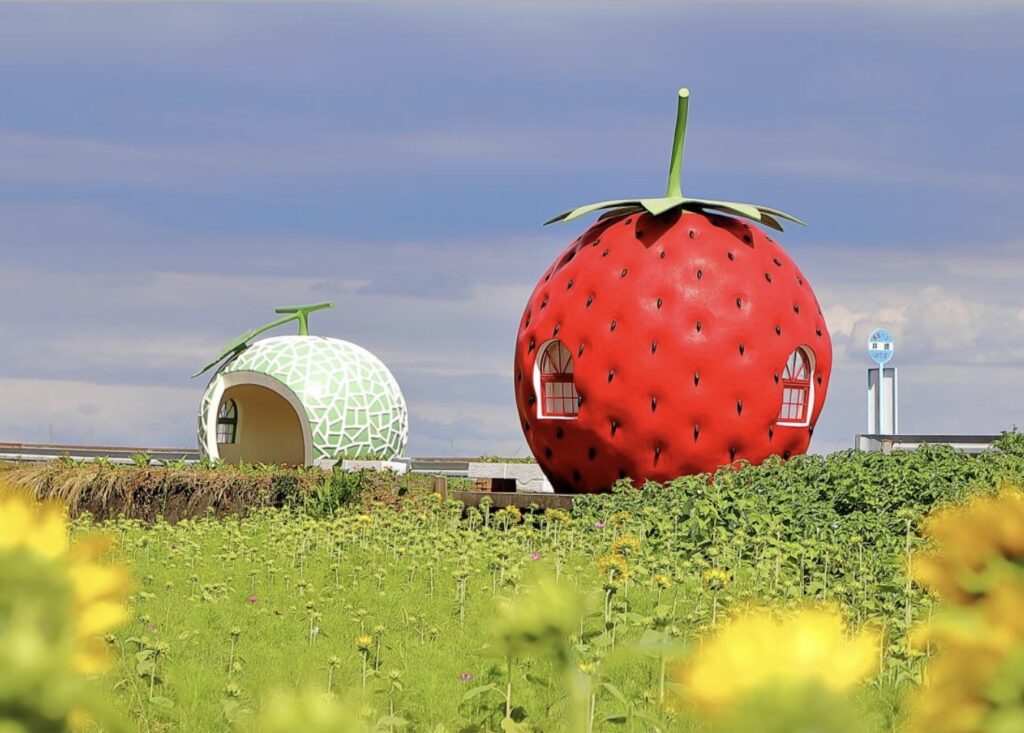
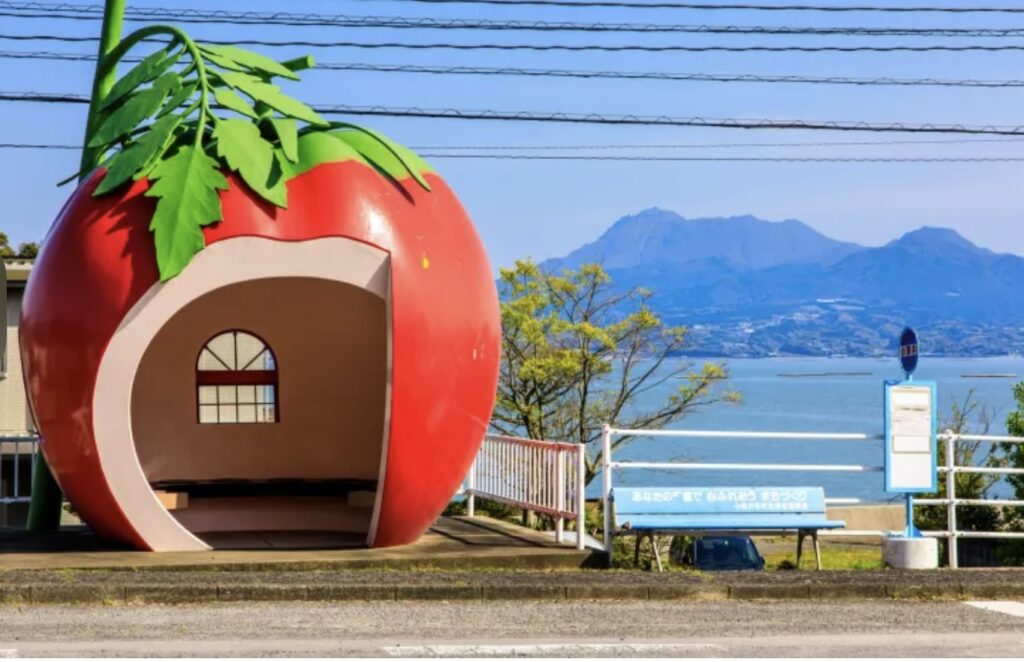
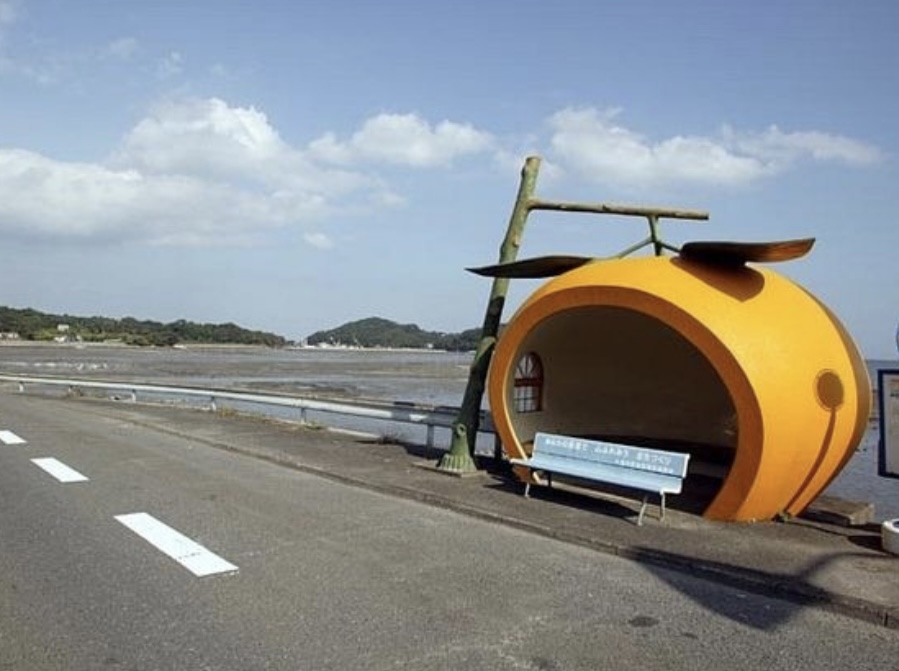
Japan, on the other hand, takes another approach. Imagine sheltering from the elements in a giant watermelon. This is possible in the Konagai area in Nagasaki prefecture. Sixteen bus stops along the Ariake Sea on Highway 207 feature gigantic fruity shelters. In addition to watermelons, supersize strawberries, cantaloupes, oranges and tomatoes (technically a fruit) welcome waiting bus riders. The road has been nicknamed, “Tokemeki Fruit-shaped Bus Stop Avenue.”

The bus shelters were originally part of a hugely successful expo in Osaka and were inspired by Cinderella’s pumpkin carriage. That exposition spawned a smaller fair in Konagai which included the fruit bus stops. When the fair ended, the shelters remained. For a quarter century, they have been carefully maintained, welcoming both bus riders and tourists. They are also a reminder that the area is a top producer of strawberries, oranges and other fruits.

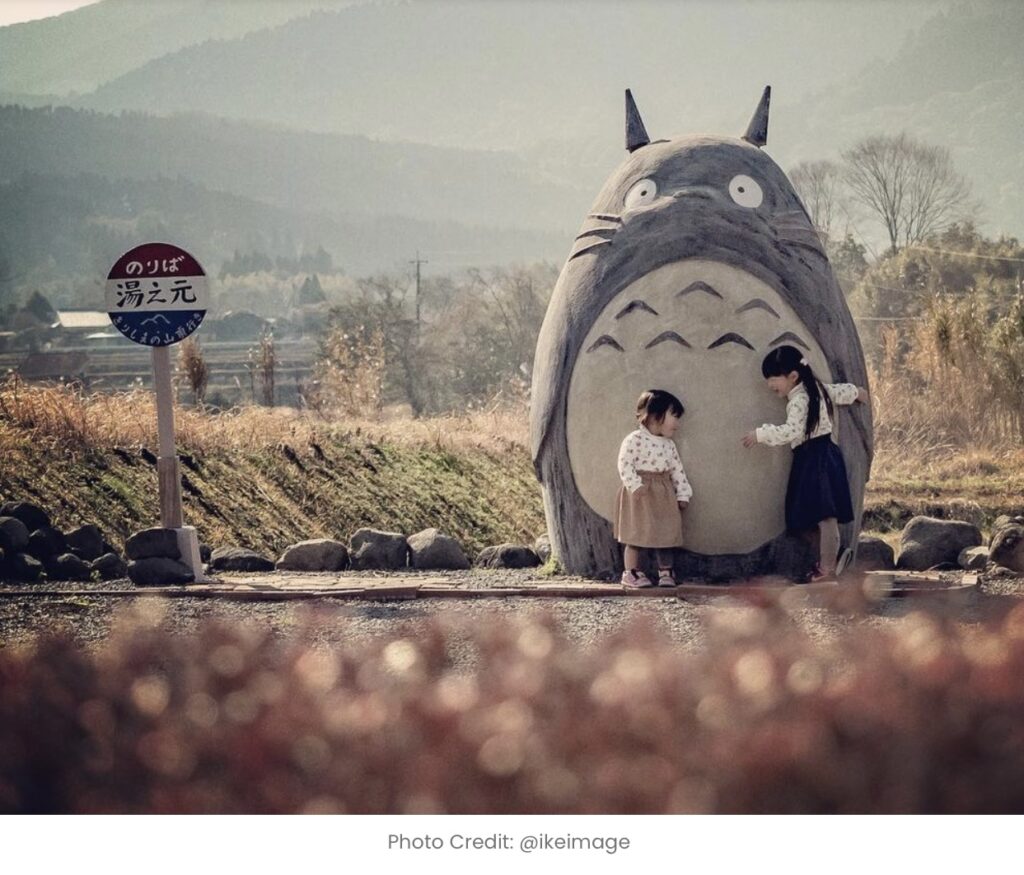
After learning about these unique bus stops, I was curious about what others in Japan might look like. A search revealed many delightful ones. My favorite is the giant Totoro. It was hand built by two loving grandparents for their grandchildren. What a wonderful way to wait for the bus!

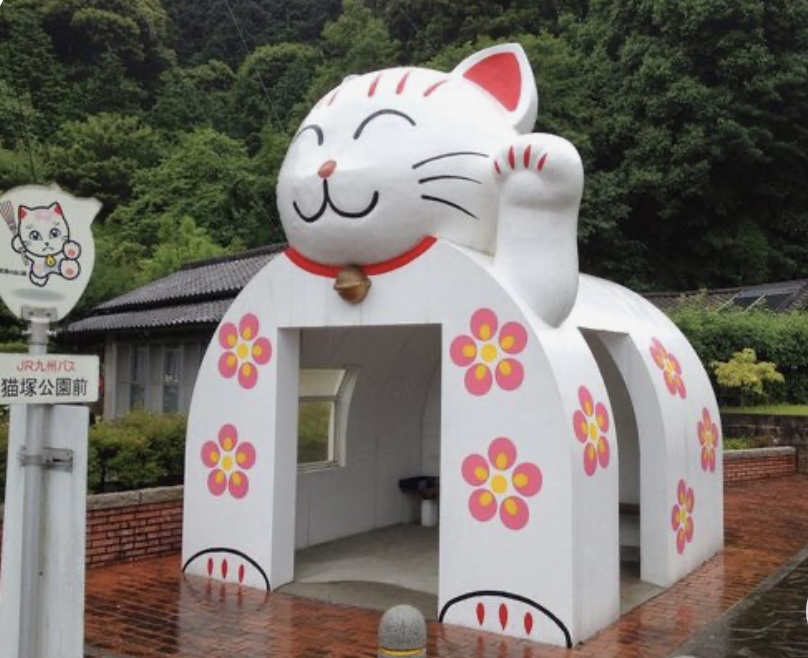
A becoming cat greets bus riders.

6

Frosted

A whimsical roadside attraction has appeared down the freeway from us in Cedar Grove…and it all began with a blizzard.

I should note that Cedar Grove originally was settled by Dutch immigrants in the late 1840s and still retains its Dutchness. Until now, the town’s main tourist attractions have been a small replica of a windmill and their annual summer Holland Fest featuring street scrubbing, Klompen Dansing and wooden shoe races.

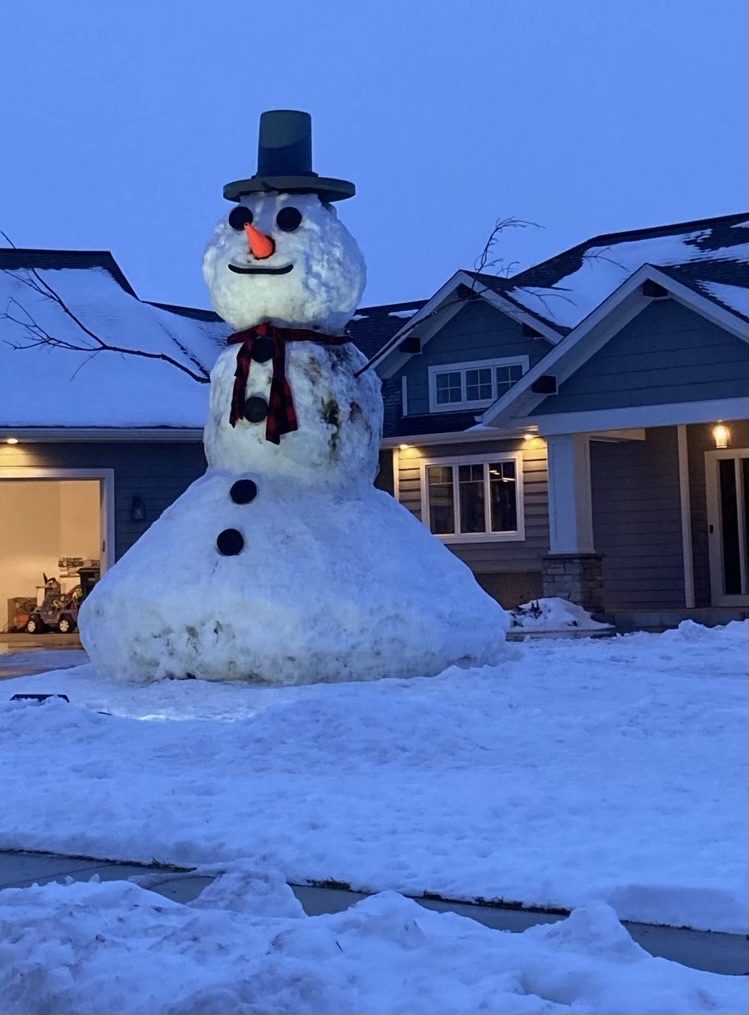
The new star in town is Mr. Frosty, a colossal snowman towering over 18 feet tall. After this winter’s first major snowstorm, a local resident was helping his kids build a snowman in their front yard. A neighbor chided him to build a bigger one, the dad took up the challenge and enlisted two friends to help him.

The team began by making a gigantic base for their creation. Rebar was used for stability. A second ball was added and the team sprayed the snow so “it’s solid as a rock.”

Fortuitously, one of the guys owns a building company so he was able to bring in a lift to raise Mr. Frosty’s massive head.

The Village of Cedar Grove got into the act by donating the perfect snowman nose, a giant orange traffic cone. A large garbage can serves as the snowman’s hat and branches are his arms.

Mr. Frosty’s builders have enlisted their super-sized snowman to raise funds for Children’s Wisconsin hospital. For a ten dollar donation, donors can guess when the last of Mr. Frosty melts into oblivion. The entry states, “The snowman will be checked every day at 6:00 p.m. When the snowman is completely melted at that 6:00 p.m. time, that date will be the winning day.” Sponsors have donated generous cash prizes for the winning entries.

I’m betting that Mr. Frosty will be around until the crocuses poke their heads up in spring.


6

Riddle

This week’s blog is a riddle. Here are twelve clues. The beautiful answer is revealed in the short video that follows.

  • They can be eaten.
  • They can be worn.
  • They can be collected at the beach.
  • They grow in gardens and forests
  • Some animals sport them.
  • Some animals turn themselves into them.
  • Artists love to draw and paint them.
  • Mathematicians are fond of them as well.
  • They can be walked up and down on.
  • They are popular toys.
  • They are the physical structure of DNA.
  • We all live in a gigantic one.
5

Mugged

Many things in life start small. Sometimes on a whim. And then they get a wee bit out of hand. Here is a delightful example of this phenomenon.

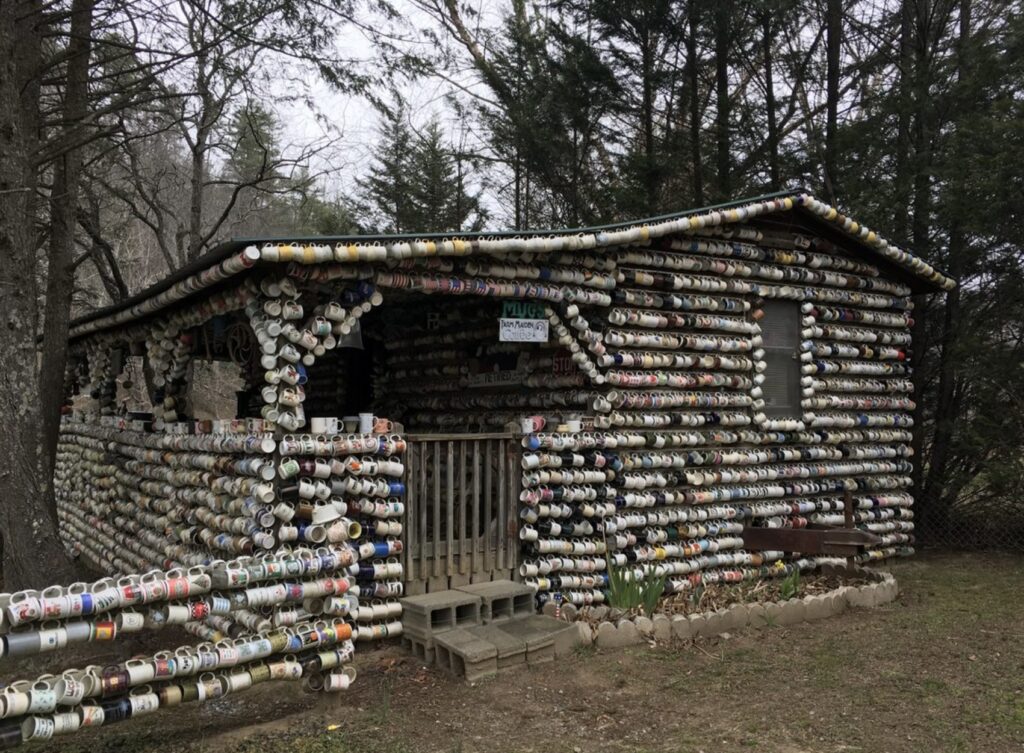
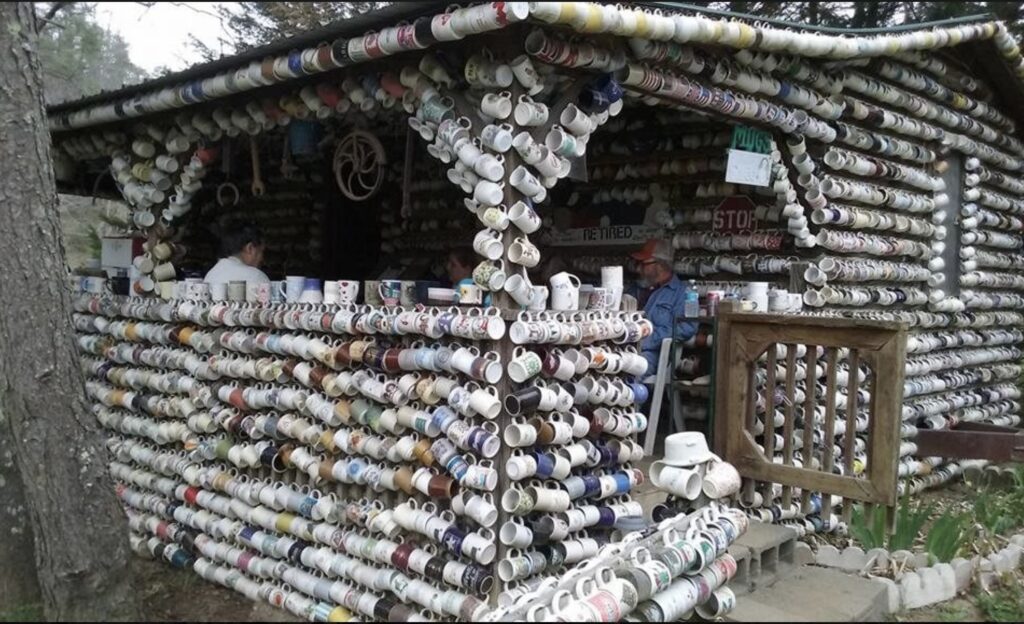
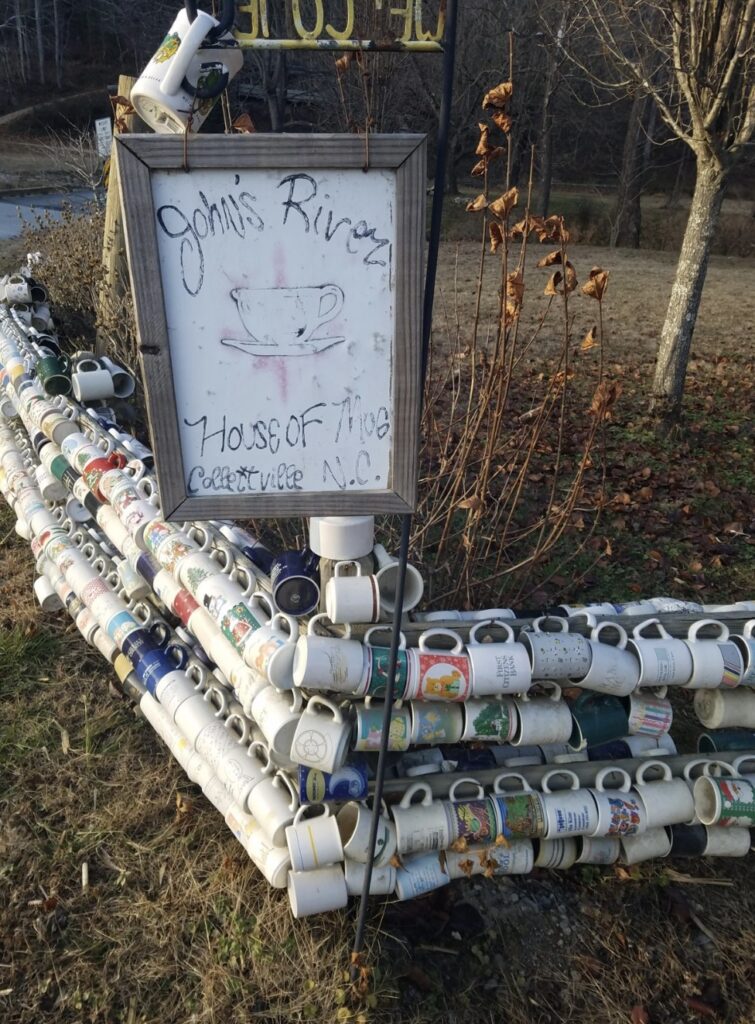
Avery and Doris Sisk of Collettsville, North Carolina, own a small summer cabin at the end of an unpaved rural road. One day, 17 years ago, they visited a flea market and bought a box containing 15 collectible mugs. They took their purchase home, got out some nails and hung the mugs up. Deciding that the mugs added to their decor, they bought a few more…and then a few more. At last count, they have 30,000 mugs.

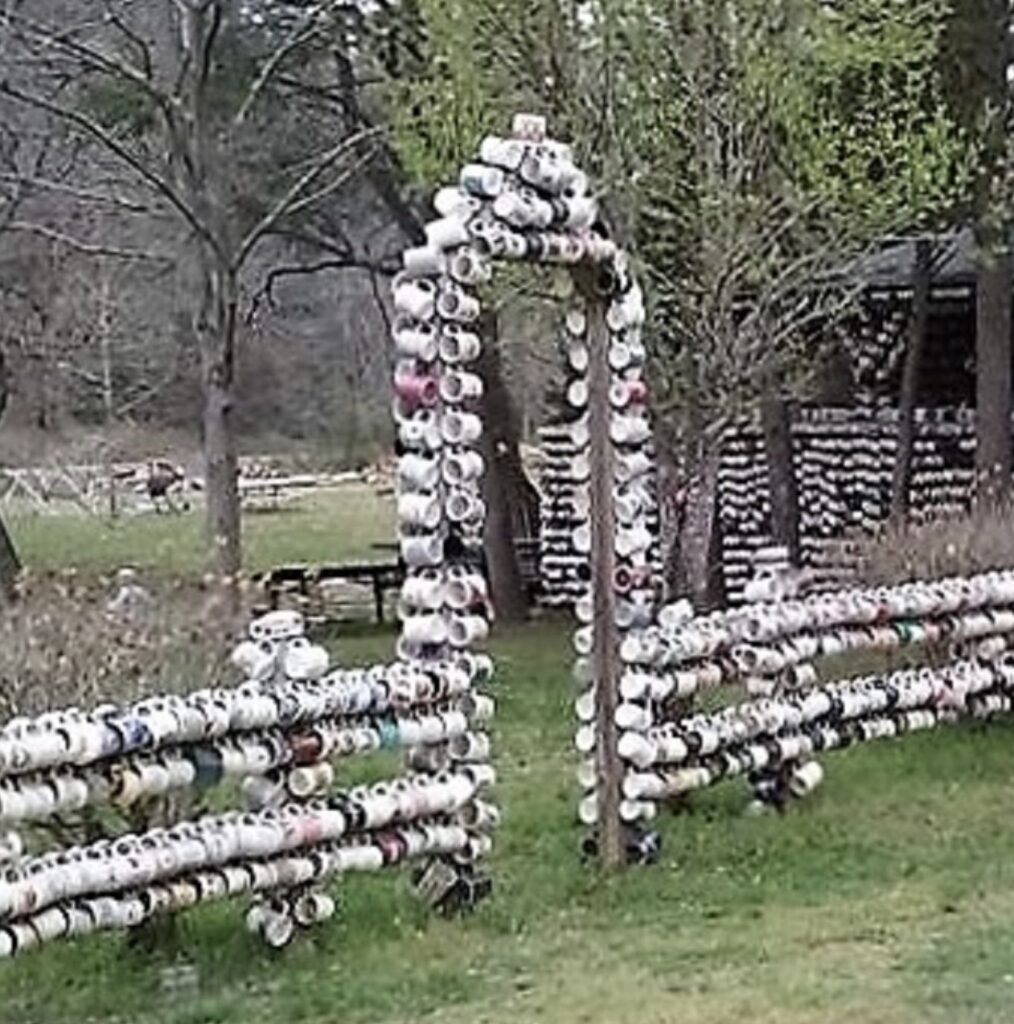
Every square inch of their cabin walls both inside and outside is sheathed in mugs. Fences, an entrance arch and an outbuilding are also mugged. These collectors have created a top-notch roadside attraction.

Visitors are welcome and admission is free. Many tourists bring a mug to add to the display. If no nail is found, visitors have started to hang mugs from the trees. The “House of Mugs” is an ongoing project.

I am fond of mugs and have a small collection in my upper cupboard. But I best keep my eye on them: I don’t want to get overly mugged.

7