Presto!

Leave it to a woman to invent a car that changes colors. That would be Stella Clarke who developed the BMW iFlow.

Loving both cars and colors, I was excited to see the news headline about the color changing car. Reading on, I discovered it can only do black, white and gray, a disappointment, as I was envisioning an entire palette of colors. Others shared my sentiment. A leading car design website headline suggested, “Someone Tell BMW It Made An IX That Changes Shades, Not Colors.”

Despite BMW’s misleading use of the word “colors”, the iFlow is a sensational concept car. Here’s how it came to be.

Its developer, Stella Clark, hails from Australia. As a child, she quickly abandoned dolls in favor of taking apart and reassembling all sorts of mechanical and electronic devices. This eventually led to a research Doctorate degree on “Telecontrol of Robots With Haptic (touch) Devices.” Upon graduation, BMW in Germany snapped her up.

And then one day during the Covid lockdown, Clark decided to pull apart her Kindle. She wondered if its e-ink could be applied to automobiles. E-ink consists of tiny microcapsules, about the width of a human hair, that can be stimulated to change pigment with an electrical signal. The next step consisted of cutting tiny triangular e-ink panels and making a flexible body wrap for a car, a painstaking procedure.

Her brainchild, the BMW iFlow, stole the latest car show in Las Vegas. It flashed, pulsed, rippled and faded between black and white and shades of gray. BMW touts its environmental credentials: white for sun reflection on hot days, black to absorb the sun rays in winter.

Stella Clark states the car’s true selling point to future consumers. “The color change gives the driver the freedom to express different facets of their personality or even their enjoyment of change outwardly.”

We will all have to wait a while to flaunt our personalities to the world. The iFlow refuses to do its act in extreme conditions of heat and cold. More work ahead before it hits the showrooms.

3

Excess

The other day, my husband and I were following a car that had an excellent bumper sticker of a mere three words: Excess in Moderation. It was such a stellar example of an oxymoron that we both burst out laughing.

The fact that this was spotted in Madison just added to the fun. Our Capital city is known for its liberal bent and tolerance. They know a joke on your bumper sticker is better than blatant hate or nastiness.

After our spontaneous laughter, my thoughts drifted to the meaning of those humorous words. It didn’t take long to realize I agreed with them. Reason, logic and moderation are the touchstones of my life. Extreme anything is not for me. In my opinion, the only thing that should be extreme is love.

Shunning that occasional binge of excess is not a recipe for a happy life. For example, I once was at a dinner party with a group of women. A fabulous cake was served for dessert. One diner, a fanatical dieter said, “You all eat the cake and I will enjoy the smell.” None of us would have been too sorry if that woman had fallen face first in the cake.

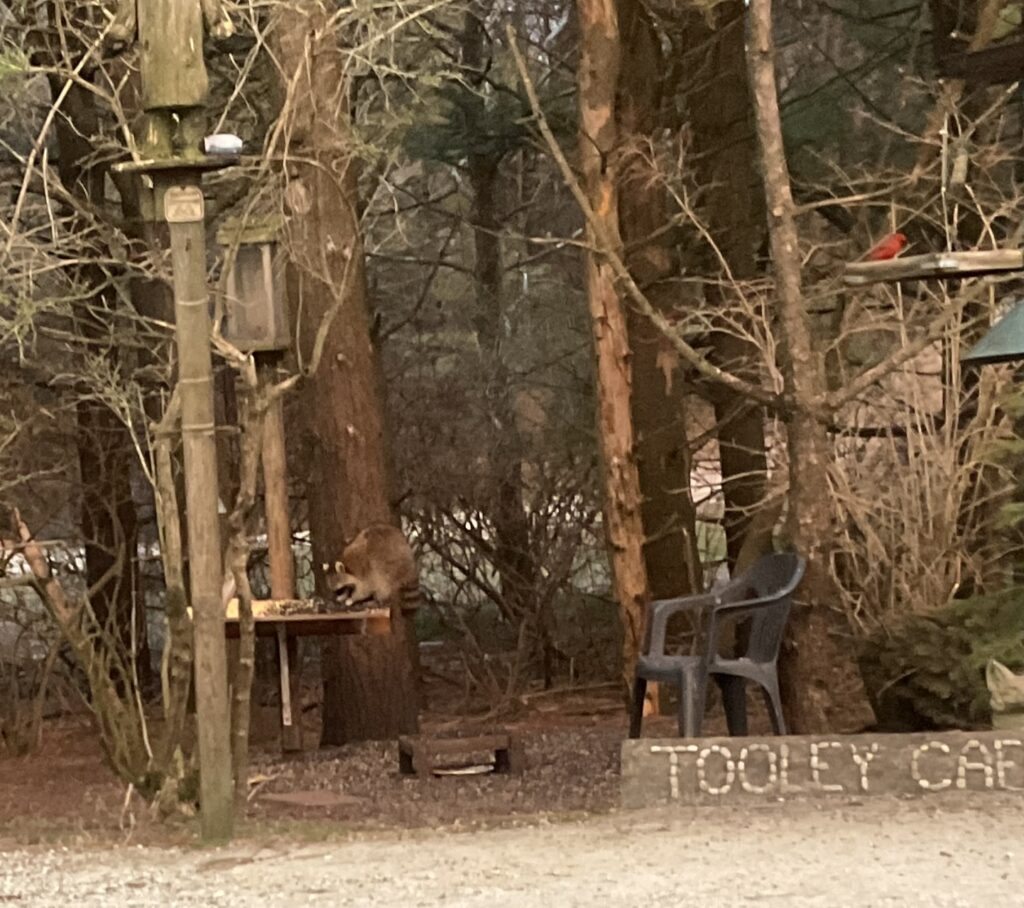
An hour after spotting “Excess in Moderation”, we went out for breakfast and ordered eggs and hash browns. The potatoes were loaded with grease, salt and starch and filled a plate. The calorie count was listed on the menu at 750. Total excess, but I only ate half and brought the rest home for the raccoons. Moderation.

5

Beer

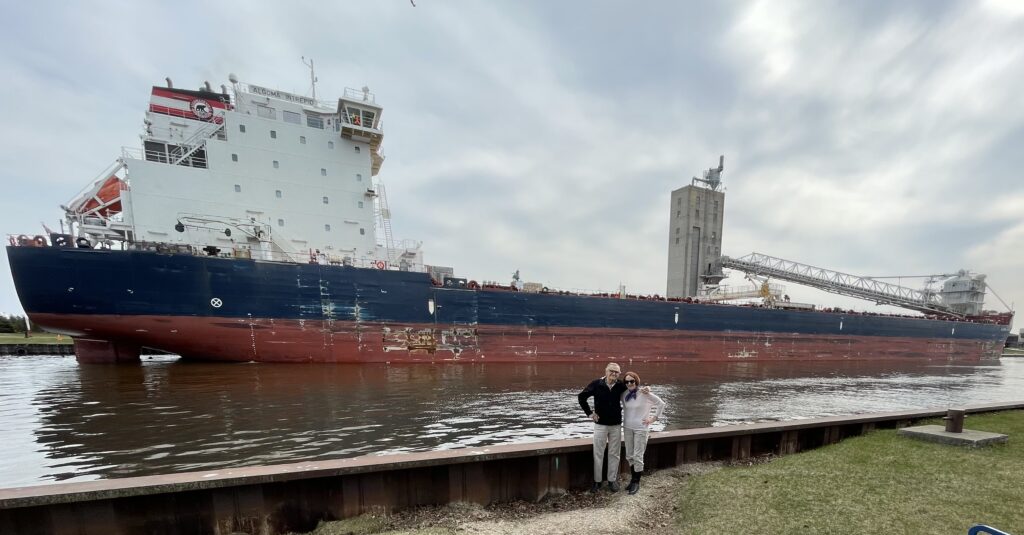
Last week we drove into town to get a close-up view of the Algoma Intrepid, a 650 foot long, self-discharging bulk carrier from Toronto. We see these massive “lakers” pass in front of our shoreline home frequently, but they are usually seven miles out, a big dash on the horizon. The Intrepid was moored at the mouth of the Manitowoc River in the heart of town, right across the street from the library.

Here’s a picture of this massive boat. It is also a picture of the start of beer being made.

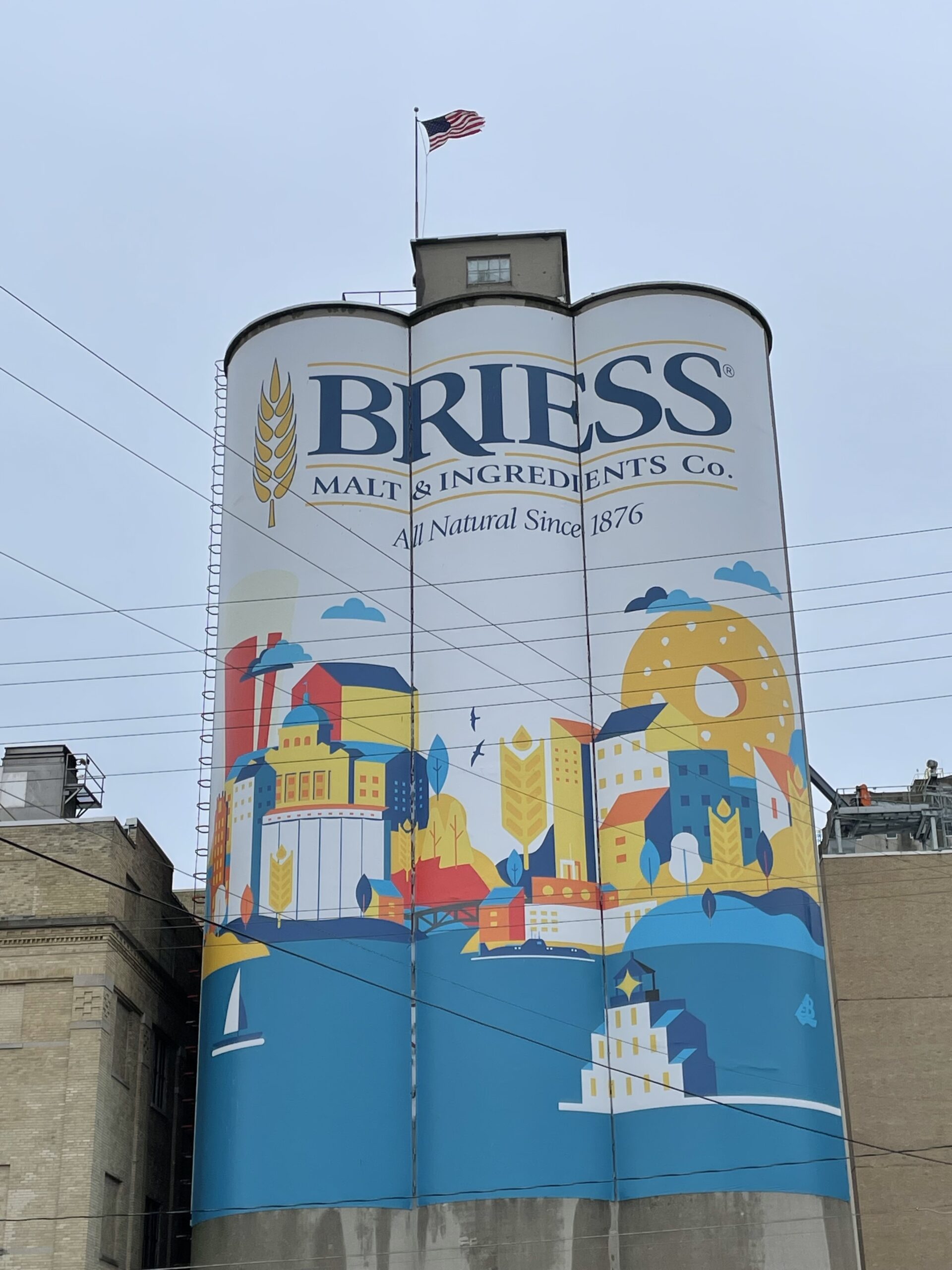
We were naturally curious about the Intrepid’s cargo. Turns out it was filled with barley. A humming conveyor belt was automatically unloading the barley into a tall, concrete building beside the river. After watching this interesting operation, I wanted to know more. I knew a company named Briess Malting had bought all the empty grain elevators and facilities beside Lake Michigan, an extremely happy event for our economically depressed town. But what happened next to those tons of barley?

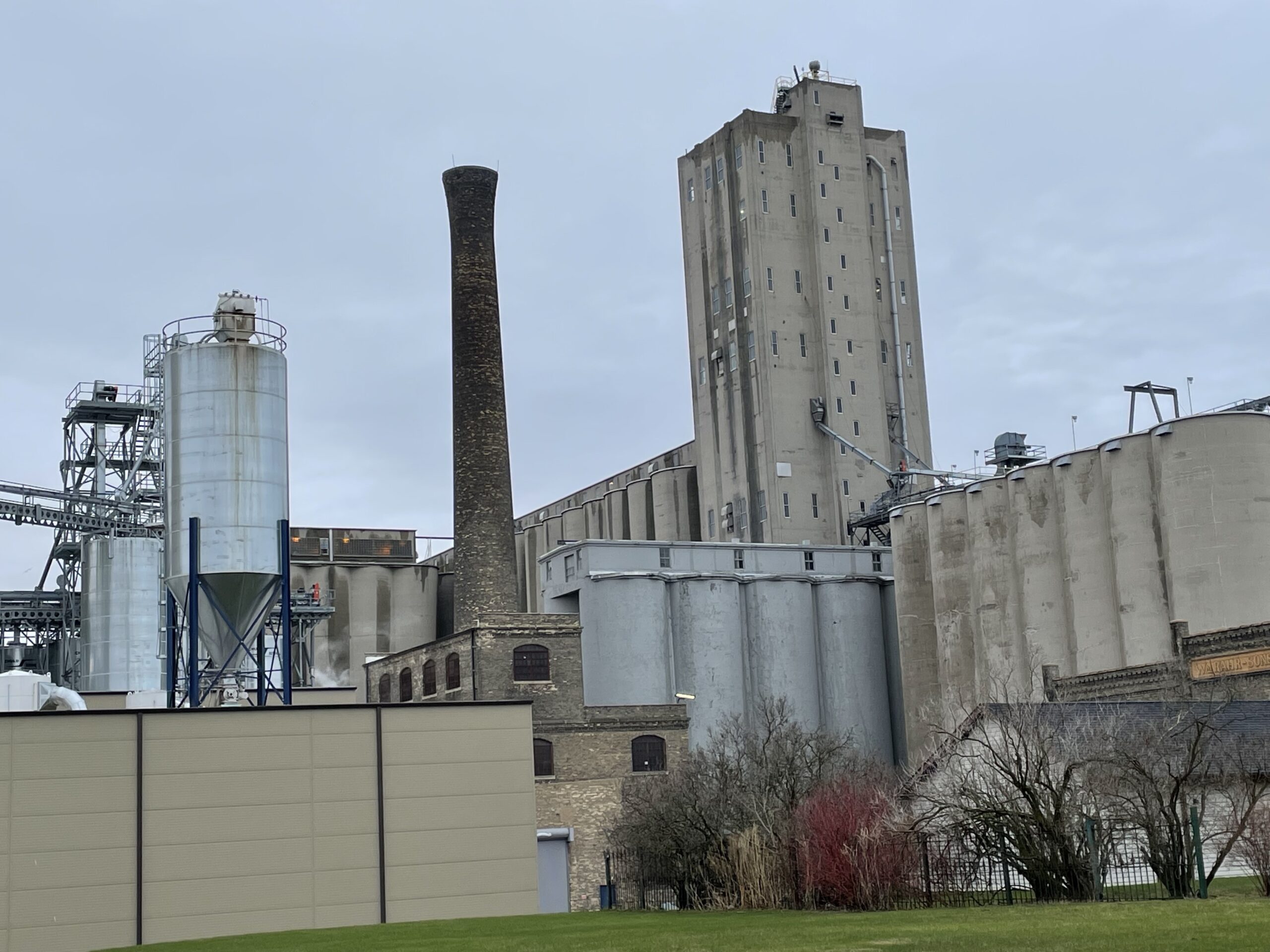
The first thing I discovered was that Briess also had acquired and reactivated the 50 year old concrete building beside the river which is a marine grain tower. Previously, all their grain arrived via rail or trucks. More lakers will be coming to town.

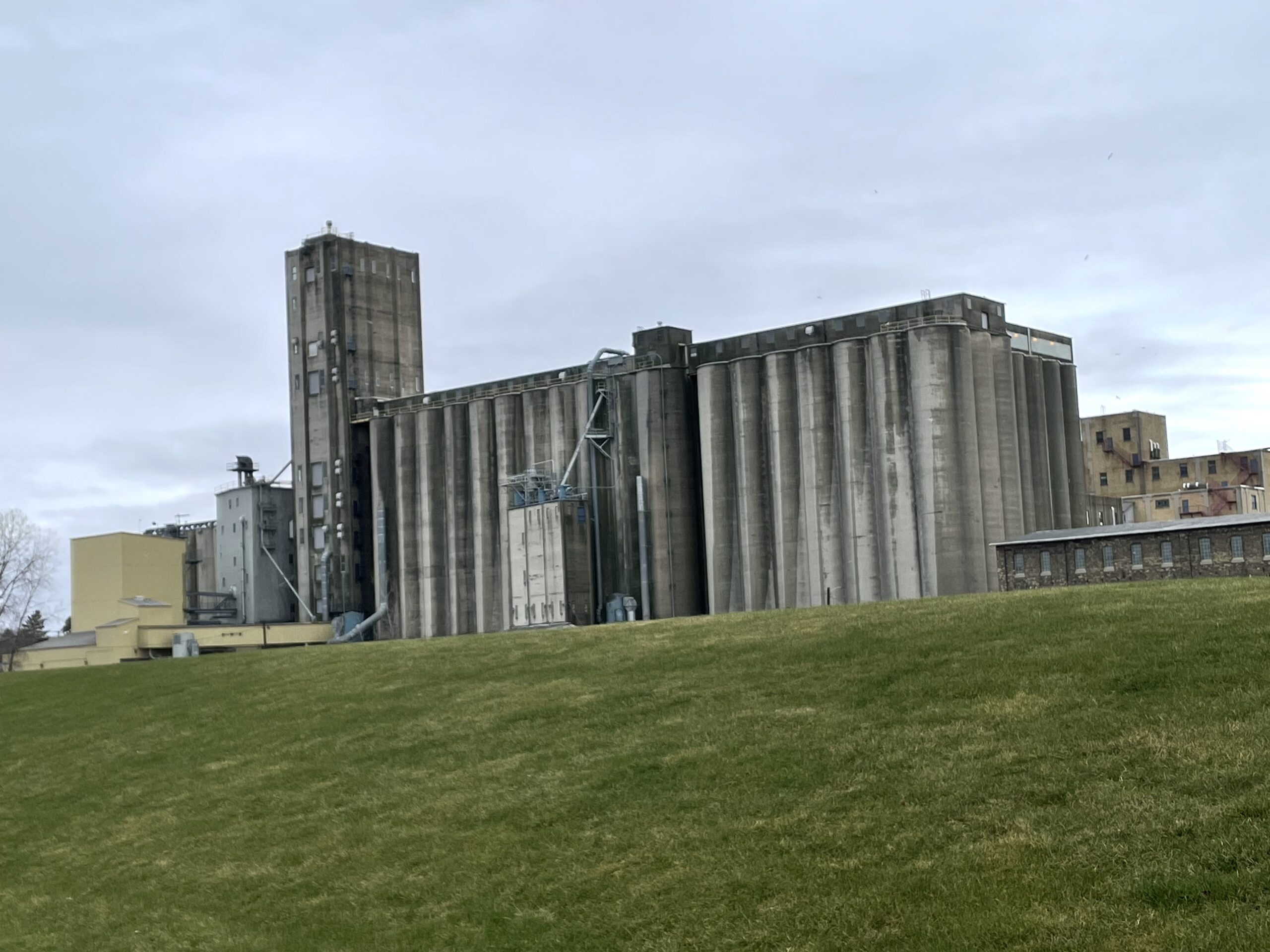
Next, the grain is moved three city blocks through underground tunnels to the 12 story grain elevator for the cleaning and grading process. Sticks, stones, dust and other impurities are removed as the grain travels via gravity through the floors of the elevator.

From the elevator, the barley goes to the Malt House where giant steeping tanks (2 stories tall) filled with bubbling warm water start the germination process. Here the steeped kernels undergo modification- enzymes open up the seeds’ starch reserves.

The next step is the drying kilns. Different temperatures and drying times determine the characteristics of each specialty malt, for example, pilsen, pale ale, etc.

Since beer is the third most popular drink in the world (after water and tea), I thought a mention of its ingredients would be in order.

“The basic ingredients of beer are water, a starch source, such as malted barley, able to be fermented, and a flavoring such as hops, to offset the sweetness of the malt.”

Manitowoc has the malt covered. And that’s a sweet thing for our city and port.

6

Olmsted

Down through the ages, many creative individuals have accomplished amazing feats, broke barriers and bettered the lives of millions, yet their names are recognized by few. Fame is fickle.

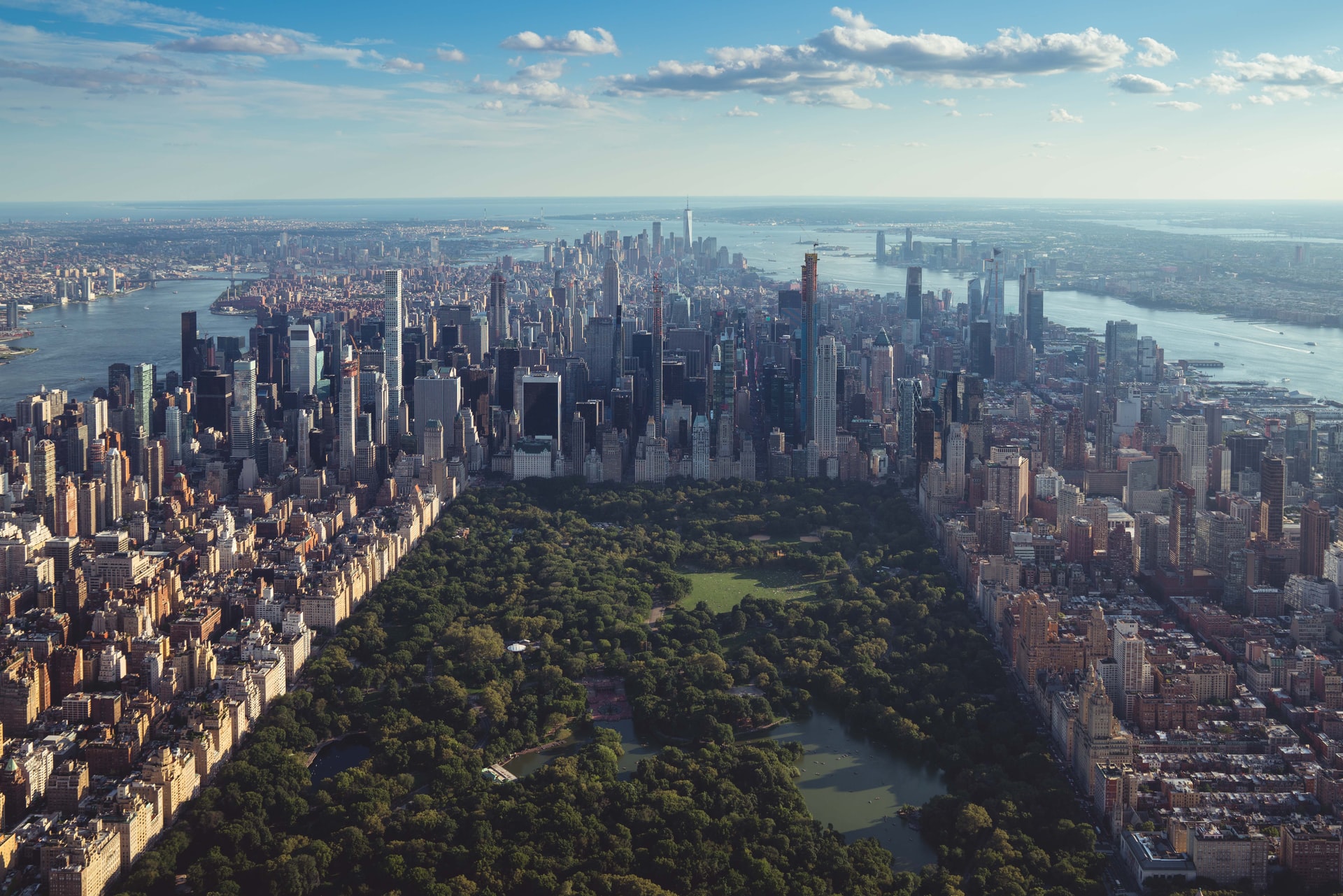
This year marks the 200th anniversary of one of these barely known geniuses, Frederick Law Olmsted, who was born on April 26, 1822. If you live in or have visited New York City, Boston, Detroit, Milwaukee, Chicago, Atlanta, Louisville, Trenton, Washington D.C., Palo Alto, or scores of other places in America, you have encountered his work. Olmsted was the landscape architect who changed the face of America’s cities with his magnificent urban parks and parkways. He, and later his firm which he established with his sons, created over 700 parks across America.

I first learned about Olmsted when I was working on Milwaukee’s Historic Preservation Commission. Before that time, I always assumed that our vast city parks were natural landscapes that were miraculously saved from development and enhanced with more trees and plantings. I couldn’t have been more wrong.

Every hill, meadow, pond, vista and trail in his parks was sculpted out of the earth. They are totally artificial landscapes created with bulldozers and hard labor. Mother Nature supplied Mr. Olmsted with the ingredients, and he created the terrains with his massive engineering feats.

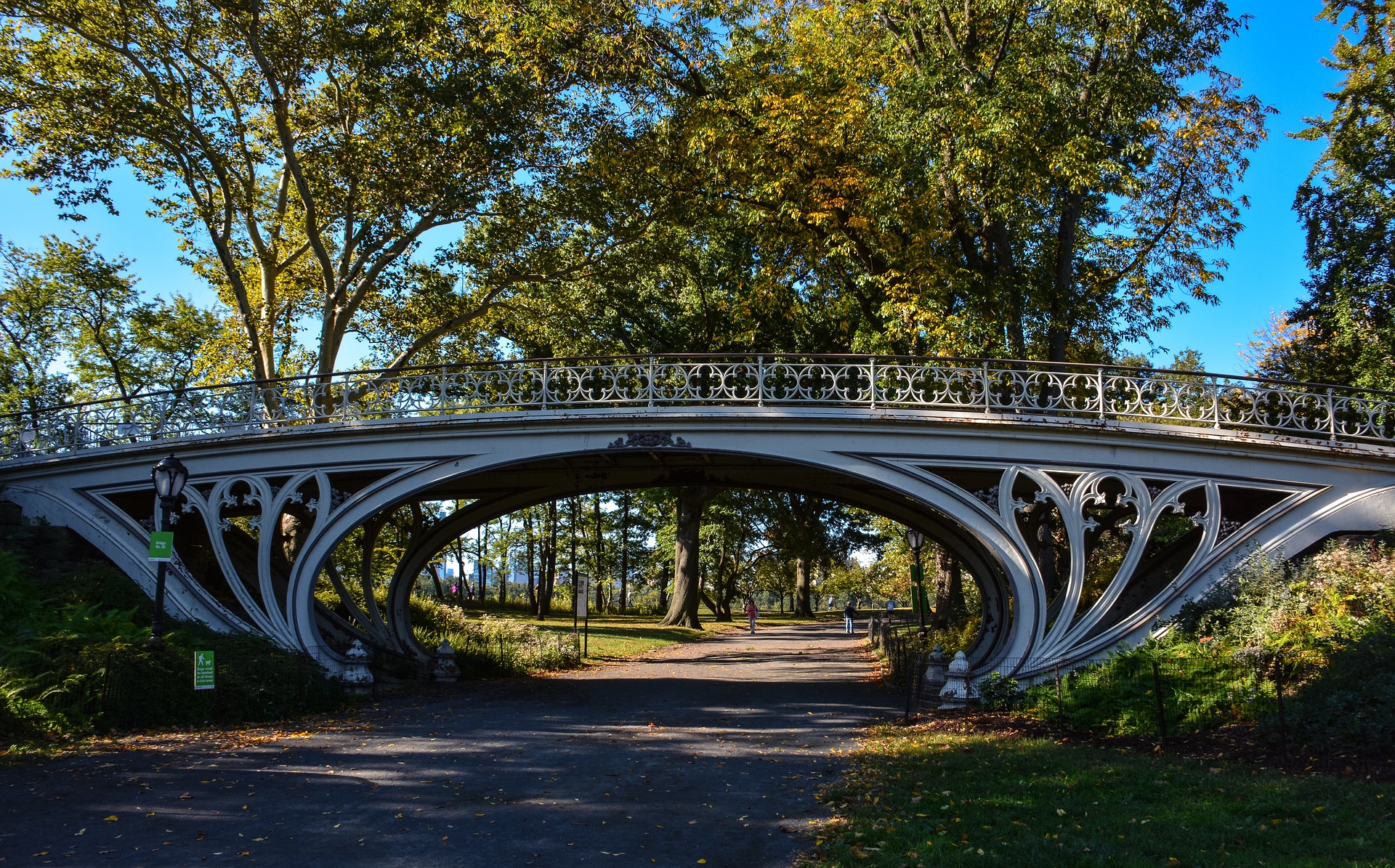
A quick look at how his stellar achievement, Central Park in New York City, was built is eye-opening. Starting in 1853, New York City acquired the land for Central Park via eminent domain, cleared out 1,600 residents and razed their homes, three churches and a school.* The city then asked for design submissions for the new park. Olmsted, a young topographical engineer, had just returned from a tour of England where he was profoundly impressed with English landscaping. He and Calvert Vaux, a young British architect, submitted a plan for the proposed park. Their design was the winning bid, and Olmsted would be the chief landscape architect of the park with Vaux designing the buildings and bridges.

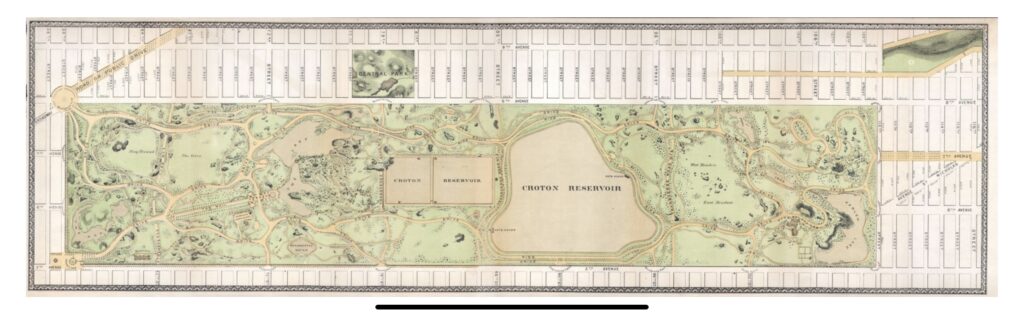
The work began: swamps were drained, more than 5 million cubic yards of stone, earth and topsoil were rearranged or moved, huge outcroppings of rocks were blasted out and 400,000 trees and shrubs were planted. The roads that would allow traffic to cross the park were sunken to not interfere with the vistas. Every detail of the park was carefully designed as seen in this plan.

Olmsted’s fabulous parks have been referred to as “the lungs of our cities”. Countless millions have been enriched by their beauty. Central Park alone had 42 million visitors last year. Surely, Olmsted deserves a prominent place in our history textbooks.

* Of the people displaced by Central Park, about 300 were residents of Seneca Village, Manhattan’s first and largest settlement of black property owners. Founded in 1825, the village had grown in three decades to include homes, gardens, cemeteries, churches and a school open to all the children living on the land of the proposed park. One family who owned land in Seneca Village ran a stop on the Underground Railroad that sheltered hundreds of people fleeing slavery.

For decades after the Central Park was completed, it became a “front yard” for the wealthy who had mansions on 5th Avenue. However, as time passed, Olmsted’s vision of public parks as a democratic ideal has been realized.

3

Quirky

From the time I was a small child, I have loved geography. Every year, from first grade to seventh, my favorite book was the geography one. Then my geography lessons ended except for one last, elective class in college. 

However, my fascination for where things are located on the planet, who lives in these places, and what these places look like has never stopped. 

I once met a 4th grade boy who had memorized the globe. Name any country, major mountain range or river and he could immediately place it. What a gift to have a map of the world in one’s brain. I’m still actively working to keep the world’s countries correctly placed. 

I am also intrigued by the many quirky aspects of geography such as the things that are commonly taught as facts but aren’t and the things which we think we know that we don’t. Here is a sampling of these mind benders.

  • How many oceans does the world have?

Google research results in the numbers 3, 4, 5 or 7 popping up. The correct answer is one. Planet earth has one world ocean made up of ocean basins. Cast a boat off any ocean coast and you can sail unimpeded around the globe back to where you started.

  • How many continents does earth have?

A continent is commonly defined as “one of the main landmasses of the earth”. If the Ural Mountains are land, it would appear that Europe is not a separate continent. But for historical, cultural and political reasons, Europe has had enough clout to make itself one of the seven continents. Tough luck, Eurasia.

  • Make a guess on the percentage of the world’s population that lives in the Northern Hemisphere.

We’re loaded. It’s 90%.

And now for some smaller oddities:

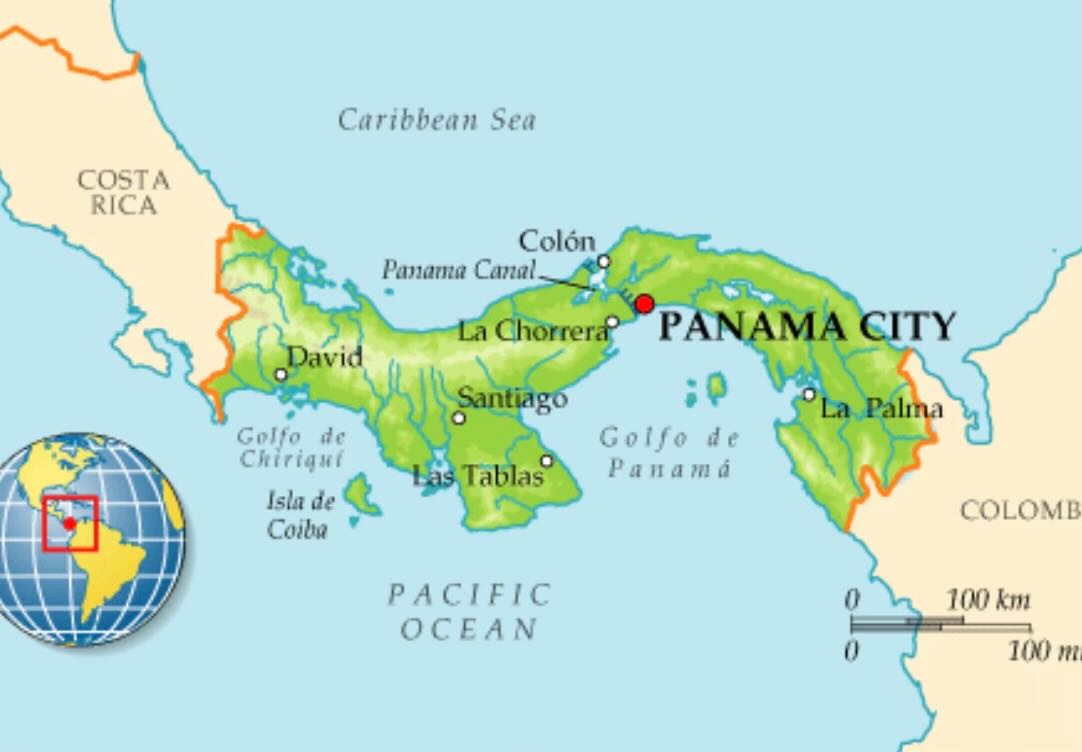
  • Which direction does the Panama Canal go?

The answer is north/south, as Panama goes east/west. And, because of its geography, Panama has never had a hurricane.

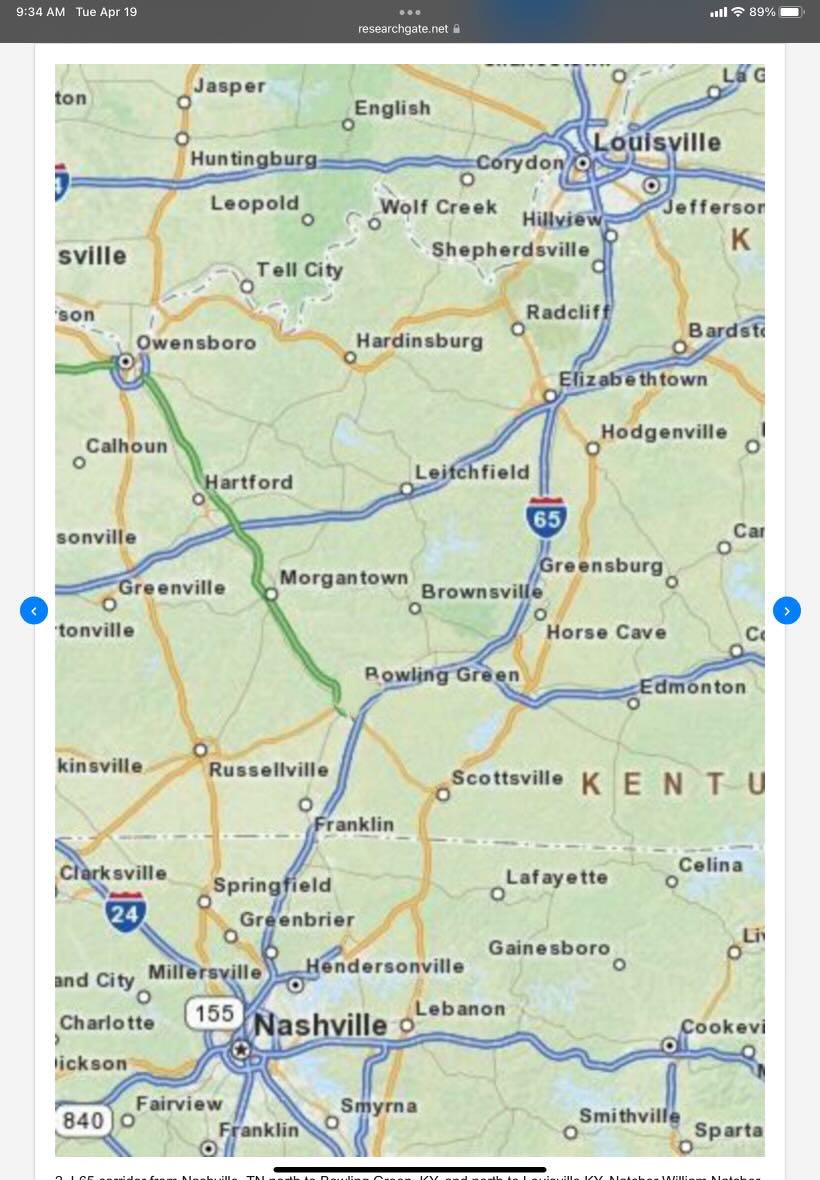
  • Which city is farther east, Louisville or Nashville?

I learned this answer a few weeks ago when planning a driving route to Atlanta. The freeway route for us would be from home to Chicago to Indianapolis to Louisville to Nashville and down to Atlanta. When I looked at this route in my road atlas, I realized that Louisville is east of Nashville. The shortest route is to skip Indianapolis and Louisville altogether and take Highway 41. Lower speed limit, but way fewer miles and stress.

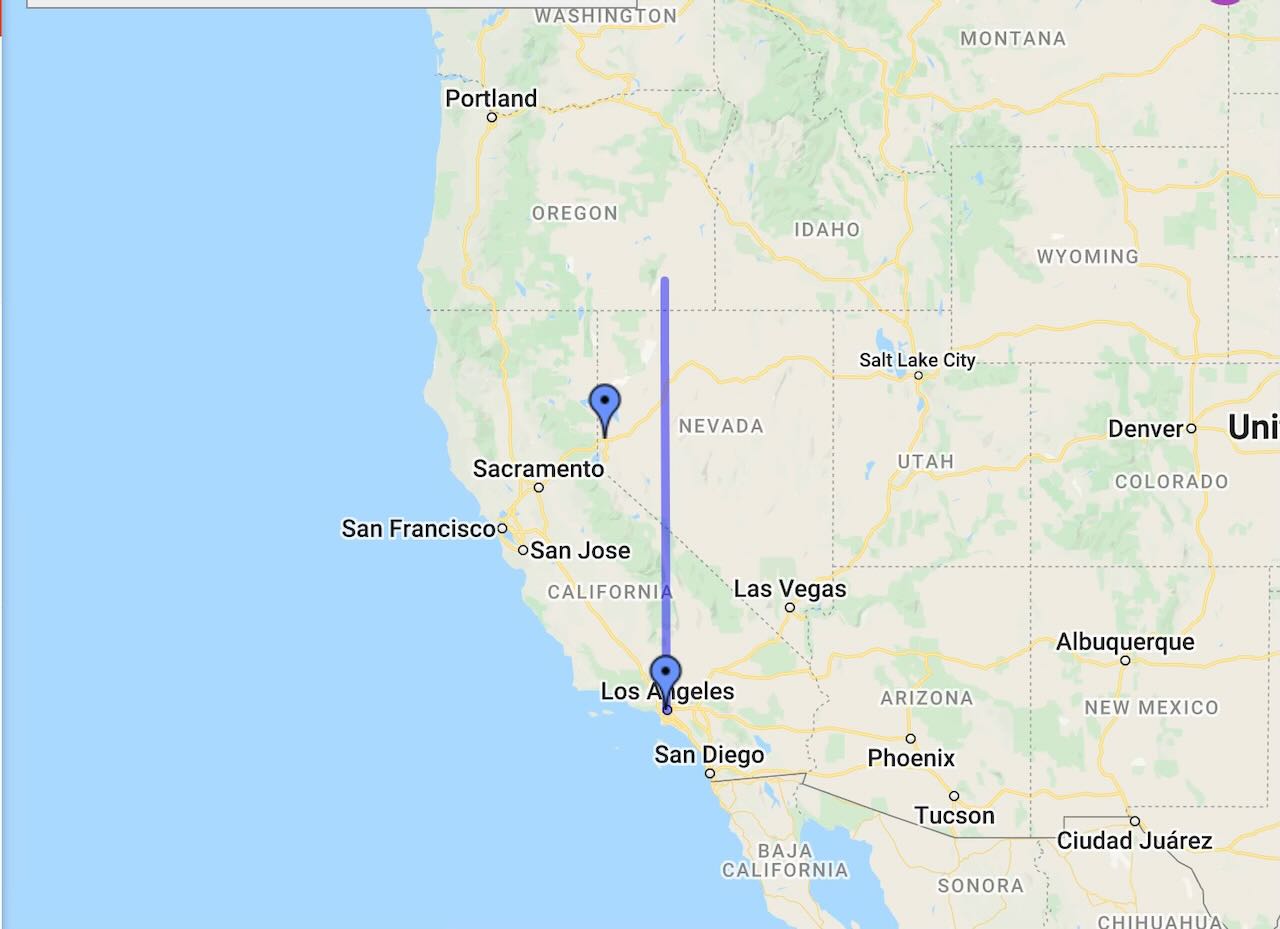
  • Which city is farther west, Reno, Nevada or Los Angeles, California?

Reno is much farther west than L.A.

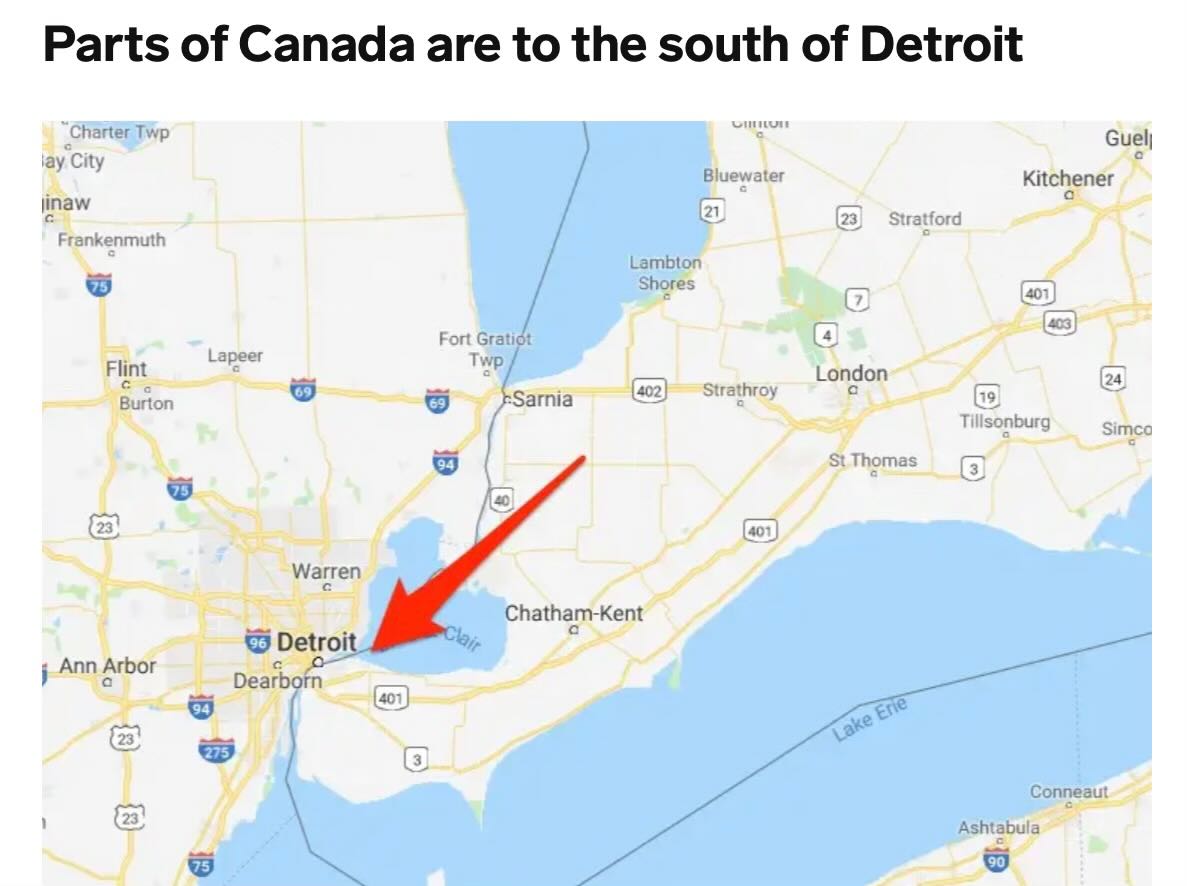
  • In which American city can you drive south and get into Canada?

Detroit, Michigan

For those of us who like to know where we’re at on the planet, it helps to occasionally consult an Atlas.

4