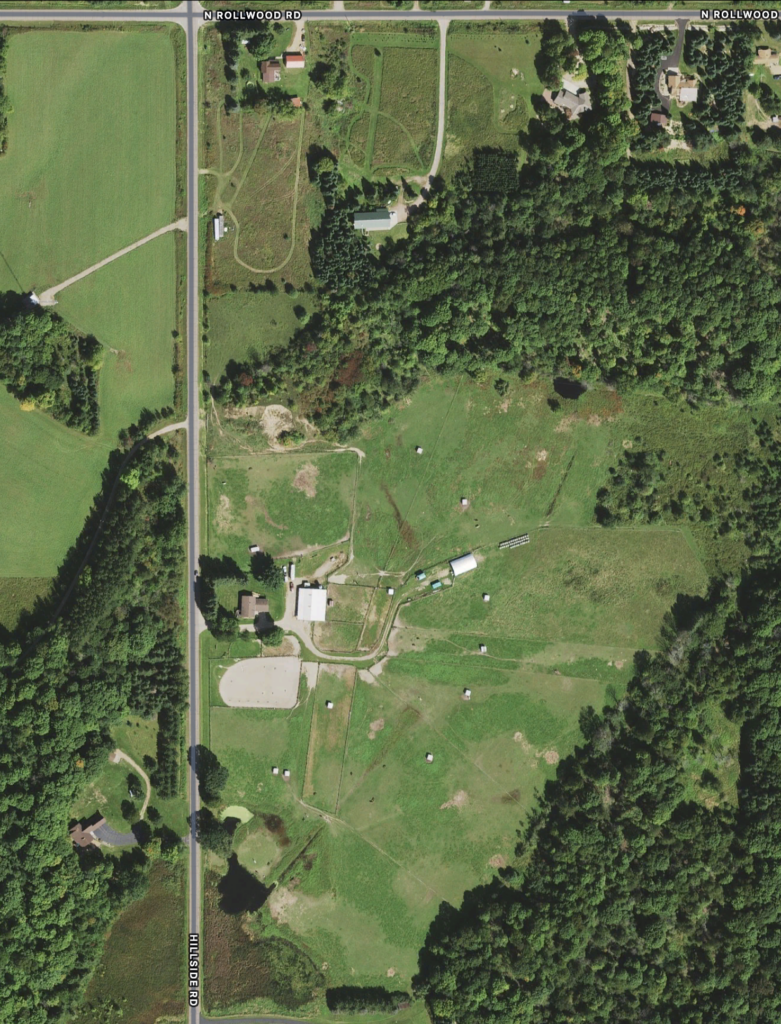
Stacked

For some unknown reason, we humans love to stack stuff…all kinds of stuff. And we have succumbed to this desire for ages.

Our distant ancestors piled up rocks to mark trails, gravesites, ceremonial grounds or caches of food. These stacks are called cairns from the Gaelic meaning “heaps of stones”.

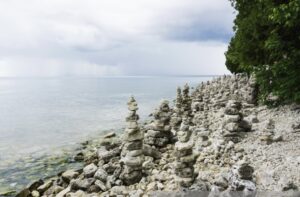
We continue to heap up stones in these modern times. A current craze of rock stacking has swept through our American parks. Park rangers strongly disparage the practice for a variety of ecological reasons. Here is how one park landscape in Door County, Wisconsin, was radically changed by park visitors. Some view this as an art happening, others as vandalism, akin to graffiti.
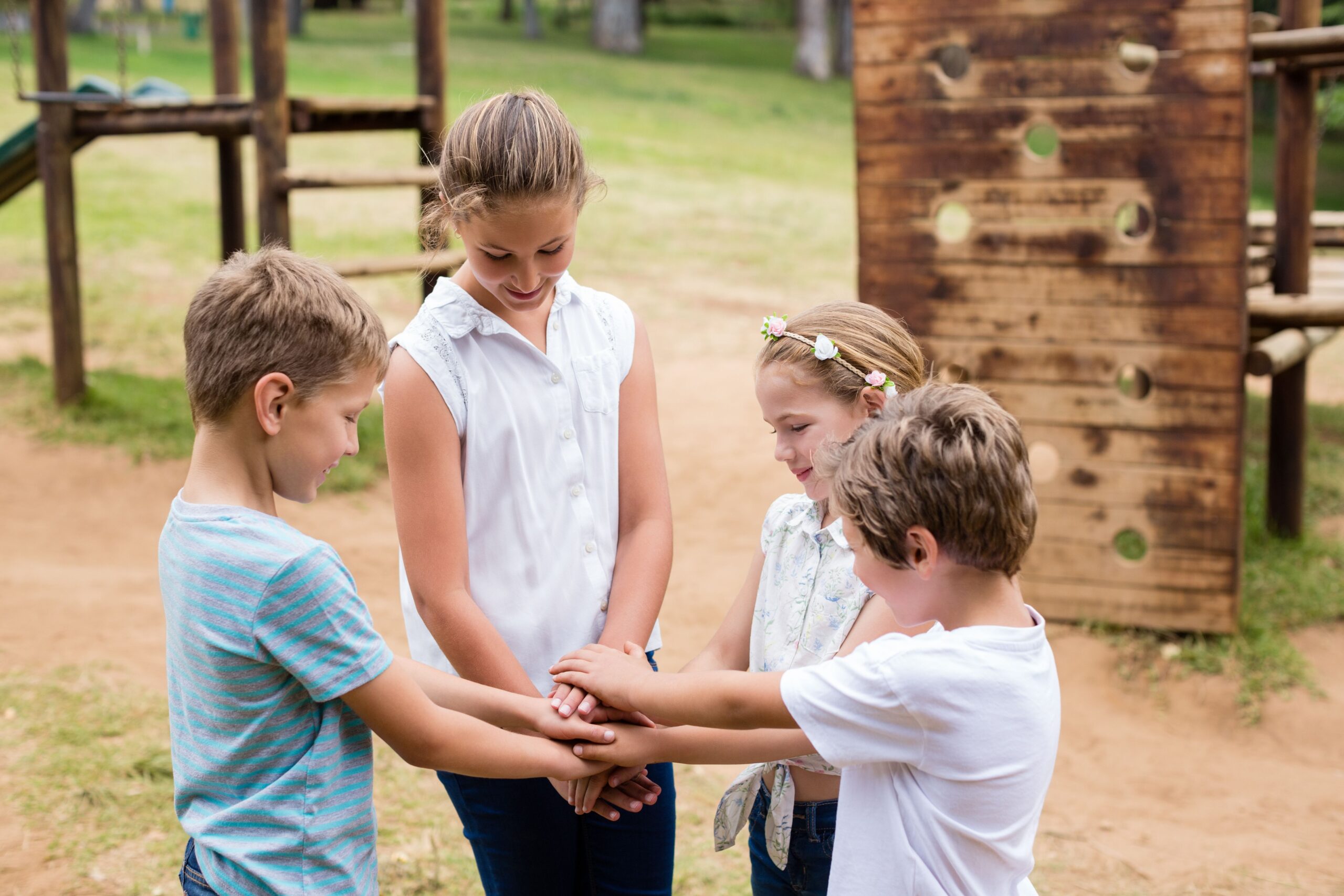
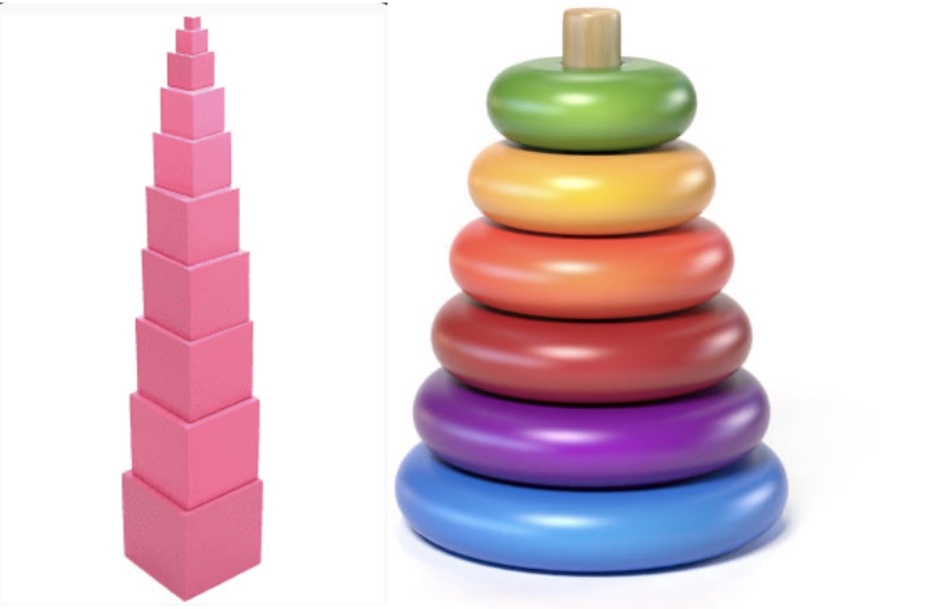
Perhaps rock stacking is inevitable, as we are taught to love stacking early in life. Stacking toys are considered to be education toys and numerous variations exist such as these colorful rings on a pole. Plus, no Montessori classroom is complete without the famous pink tower.
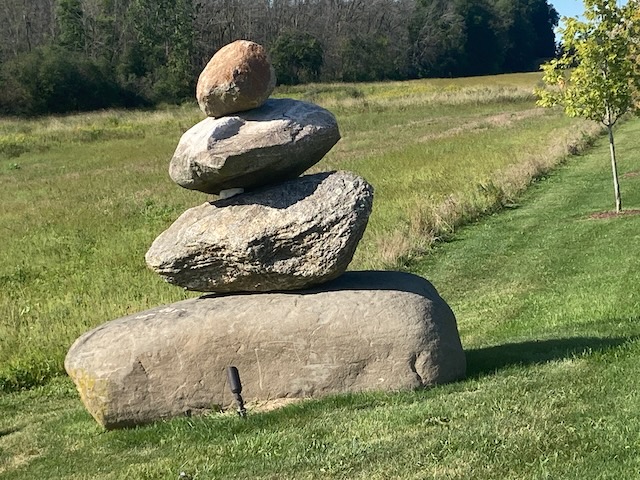
Our delight in placing one thing on top of another extends beyond rocks and blocks. One of my favorite examples is a beloved roadside attraction beside Interstate 80 in Williamsburg, Iowa. Kinzie, a farm implement company, has stacked up their grain carts in front of the company headquarters. The stack is made up of four production units, four custom-made models and one 16th scale cart replica on top.


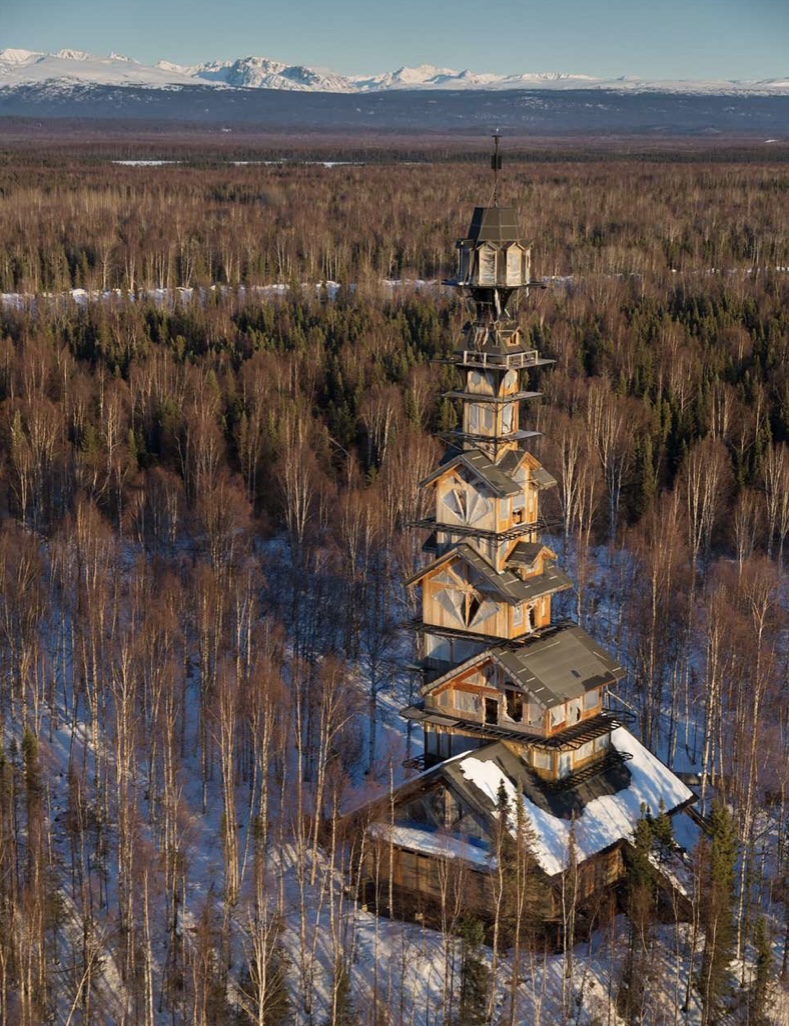
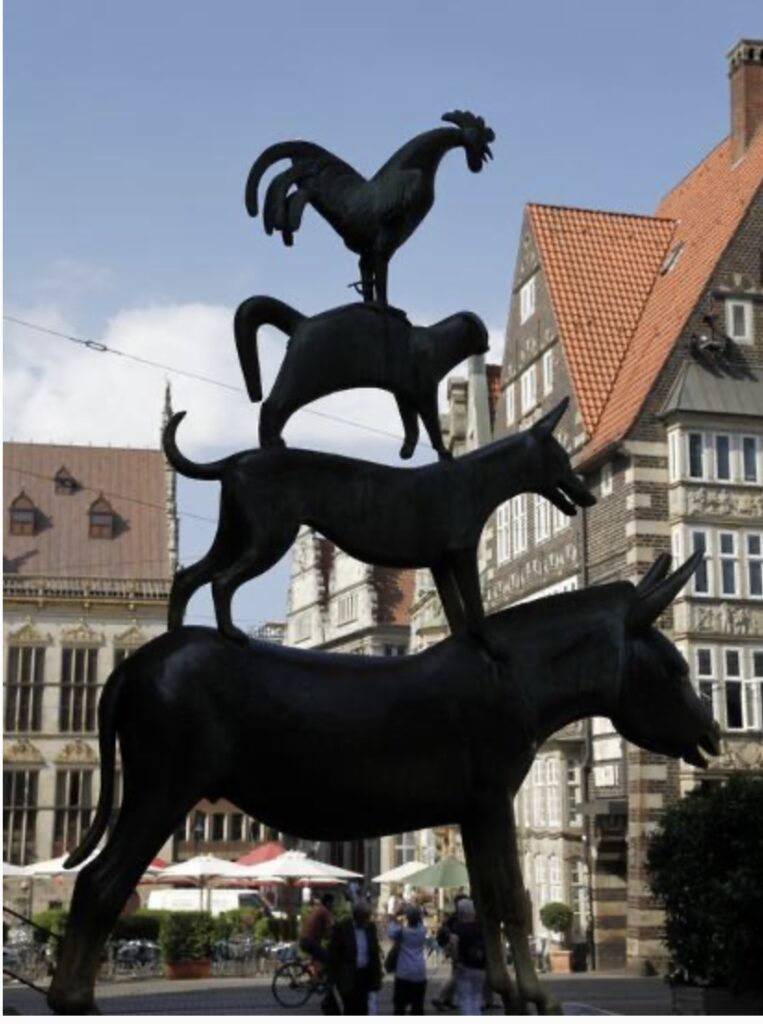
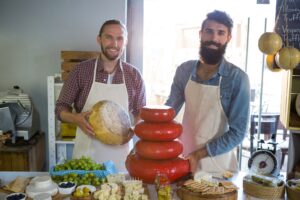
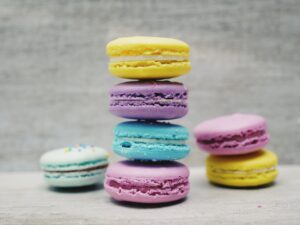
Here are more examples of our penchant for piling. Perhaps we are hard-wired to do this.
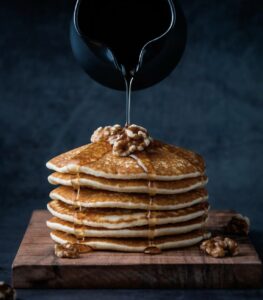
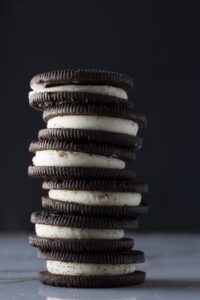
Of course, you might prefer to eat your stacks.


7

Shrinkflation

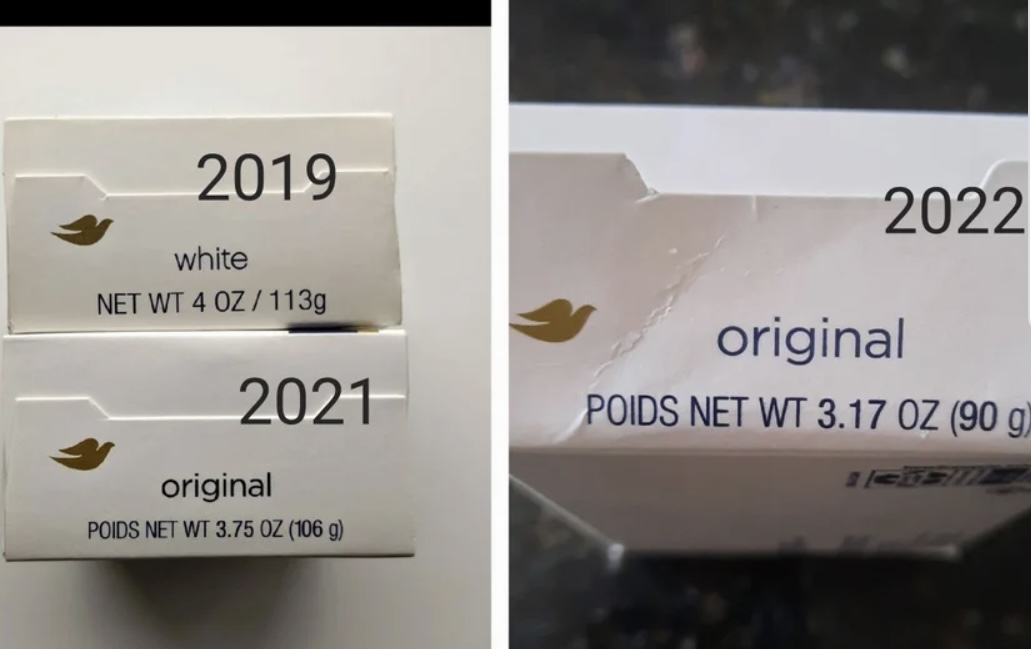
Are you as fed up as I am with shrinkflation? That is the term economists have coined for “the practice of reducing the size or quantity of a product while keeping the price the same.”

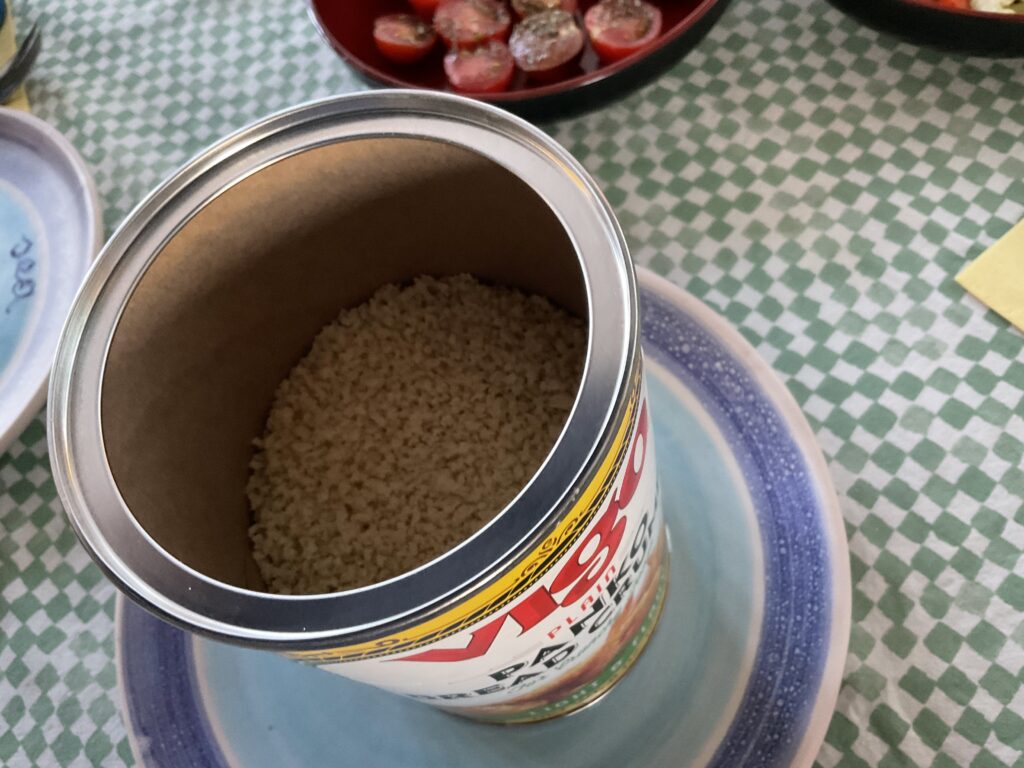
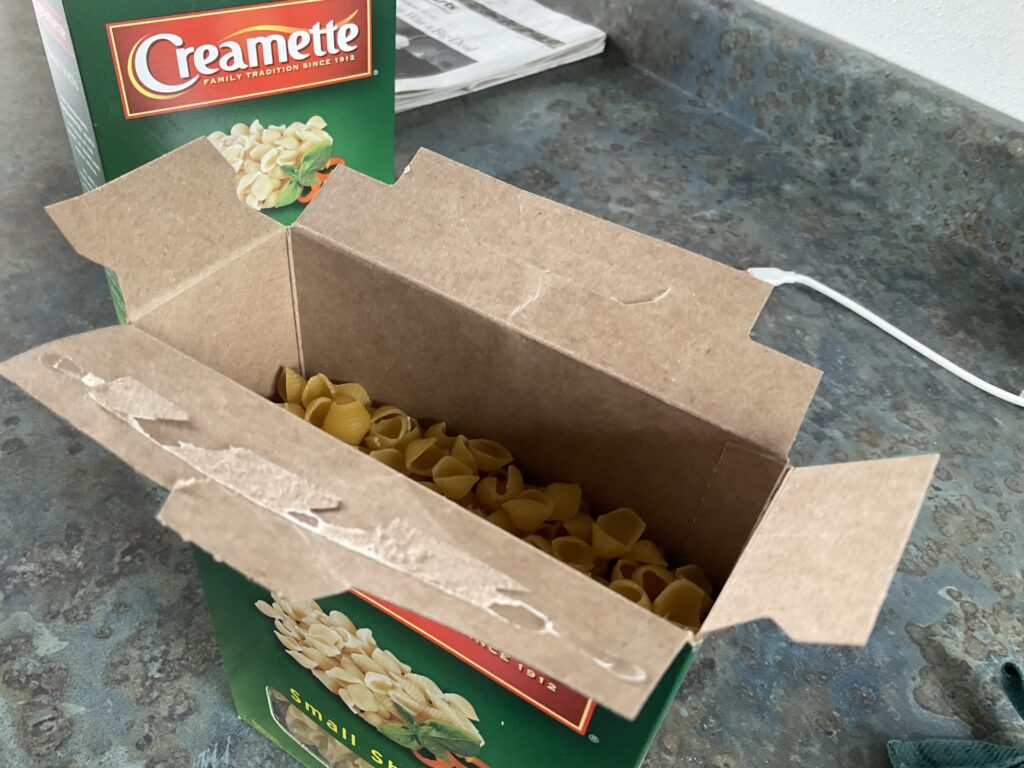
For example, I recently opened boxes of Panko and macaroni and was staring at this. These contents did not “settle during shipping.” They packed their bags and left.

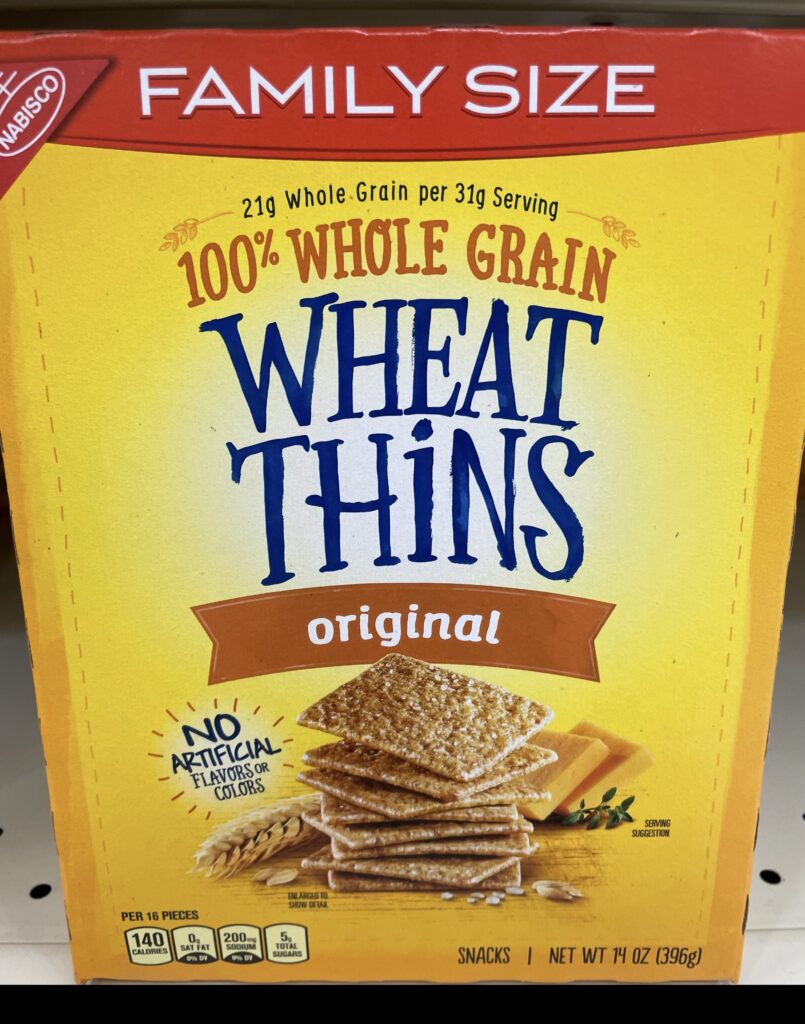
Currently, we consumers are experiencing a tidal wave of shrinkflation, and it comes via multiple scams. Here are two types from the many that pack the grocery shelves.

All this attempted deception almost makes one nostalgic for the old general stores. They did have advantages. (But sanitation was not one of them. Germs were not recognized as troublemakers until the late 1800s.)

Most of the foodstuffs in general stores were in barrels or hanging from a hook. The shopkeeper was behind the counter and the customer was served. Imagine that…customer service!

Packaging of orders was minimal, usually a piece of butcher paper. And for me, the best part would have been getting exactly the amount I wanted. What could go wrong, except a shopkeeper’s thumb on the scale? In this case, I’m sure word of that cheating would have spread quickly to the detriment of the cheater.

We, on the other hand, have no recourse against multinational food corporations. All we can do is vent. Like this.

4

Smiles

Every summer for the past 33 years, I have written and presented a program for children in libraries all over Wisconsin. And every summer when the programs are over, I say the same thing to my husband, “I wish I could do this all year long.”

It’s the perfect job for me. I get to do everything I love: research, write, interact with librarians and children and drive all over my beautiful state.

The reading theme this summer was “Oceans of Possibilities” and I decided to write “A Whale of a Program” about the ocean itself and some of the amazing creatures who live there. Here are three of the eye-opening facts I shared with the kids:

  • A blue whale’s tongue is the size of an elephant.
  • An octopus has 9 brains, 3 hearts and blue blood.
  • A new shark has been discovered that glows in the dark.

At the conclusion of all my programs, the children do an art project. This year’s project was colorful fish hand puppets. Their creativity and smiles were rampant. How could I not wish this summer of smiles to never end?

Check out their happy faces below.

5

Pastries

While zipping along in my car the other day, I heard a delightful report on Wisconsin Public Radio. The reporter was giving the lowdown on our two most important state pastries.

Make no mistake. We fear no calories here, we do not banish carbs and we know that sugar is not evil. Our state was flooded with European immigrants in the mid and late 1800s and they brought their superb baking skills with them. We are a state of multiple temptations.

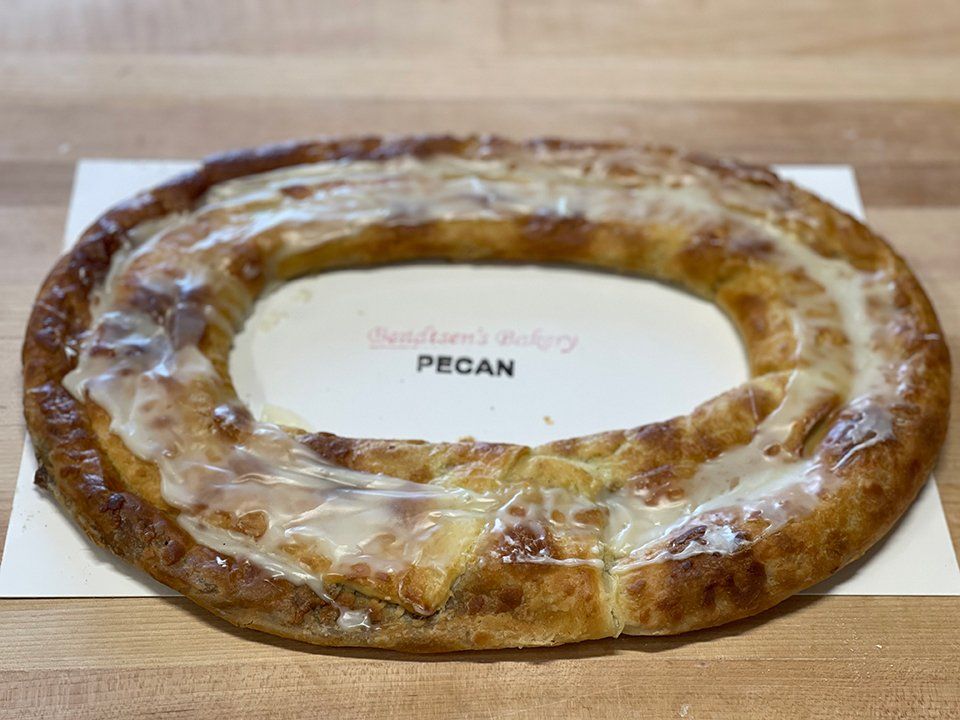
However, until listening to WPR, I was not aware that we had an official state pastry. Our state legislators had so many to choose from…kolaches, potica, baklava, crullers and oliebollen. But on June 30, 2013, kringle, that delectable Danish oval of goodness, was named the Official State Pastry.

Racine, Wisconsin, is the epicenter of kringle bakeries, more specifically, the Danish section of town known affectionately as Kringleville. Families here often pledge allegiance to one specific bakery. This explains why I will always enjoy kringle from Bendtsen’s when I visit my cousin in her Kringleville home. Her excellent review of Racine kringles follows this blog.

The original kringle was shaped like a pretzel. In America it has morphed into an oval consisting of 32 layers of buttery, flaky dough with a variety of fillings. Choices include pecan, almond, apple, cherry, strawberry, raspberry and cream cheese. There’s something for every sweet tooth.

Wisconsin is equally famous for another sensational pastry, but it is a seasonal favorite. That would be the Wisconsin State Fair cream puffs, the must-have snack of all the fair-goers. This tradition dates all the way back to 1924.

Wisconsin is “America’s Dairyland” and the Fair’s job is to promote our agricultural products such as CREAM. To that end, 400,000 cream puffs will be baked and consumed in 11 days. More than a ton of whipping cream will be used.

I can only conclude that we are a very sweet state. Visit us, but don’t bring your scale.

Here is my cousin’s review:

The best is Bendtsen’s, I believe the only one still totally hand-made. It’s the flakiest. I believe still in the original family. Once visited by the Food Channel. Bendtsen’s website

Best known is O&H, family owned but it’s a factory, shipped all over, sells at Trader Joe’s and on QVC. They have very creative flavors (like Wisconsin with cranberries etc). Unfortunately, it can’t mimic the flakiness of a true kringle, it’s more like a coffee cake. And $23.99? Plus $9.99 for shipping! Are they spinning gold flakes in that kringle?

3

Snowfest

People like beer. People like music. People like food that is bad for them and people like lots of other people. Therefore, an excuse to do all of the above was needed, and the “fest” was invented.

During a Wisconsin summer, festivals proliferate every weekend. There’s Summerfest, Germanfest, Irishfest, Fly-In-Food Fest, Butterfly Fest, Venetian Fest, Owl Fest and Brat Fest…plus many, many more.

Up here along the lake, we work hard to dig up ideas to start a fest. Sputnikfest, for example, celebrates the “momentous” night of September 5, 1962, when a small burning chunk of Sputnik landed on a downtown Manitowoc street.

The other day, we were driving to Two Rivers, a town north of us, and spotted numerous signs for something called “Snowfest”. Since snow is not a common occurrence here in July, our curiosity was piqued. What could they possibly be celebrating?

A local newspaper article enlightened us. Snowfest began way back in 1937, paused during the Second World War, resumed from 1958 to 1999 and was revived again in 2021. The event celebrates the July day in 1936 when workers in Two Rivers were digging a hole and discovered “the most perfect pile of snow underground.” This unexpected cache made national news and committees were formed to plan festivities. A parade was held, a queen was crowned and snowball fights ensued. (Snow was buried in winter as a stash for the summer snowballs).

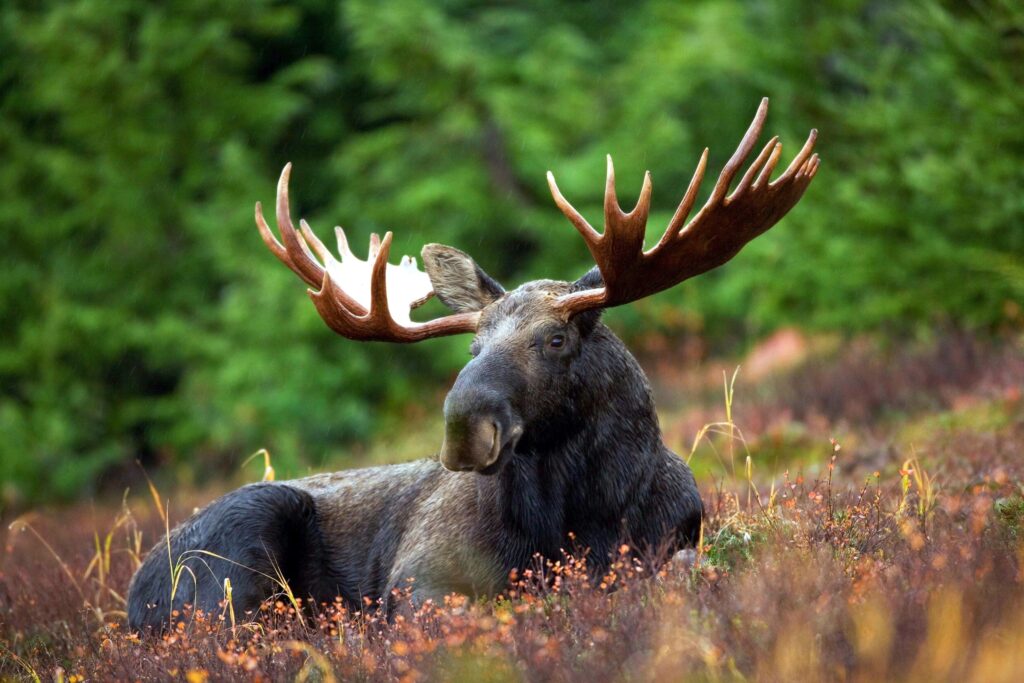
This year’s Snowfest has come and gone, but yesterday I saw a sign for the upcoming “Moosefest”. Note that a moose has never been spotted even remotely near our town. Beer drinkers, however, seem to be everywhere.

4