Mums

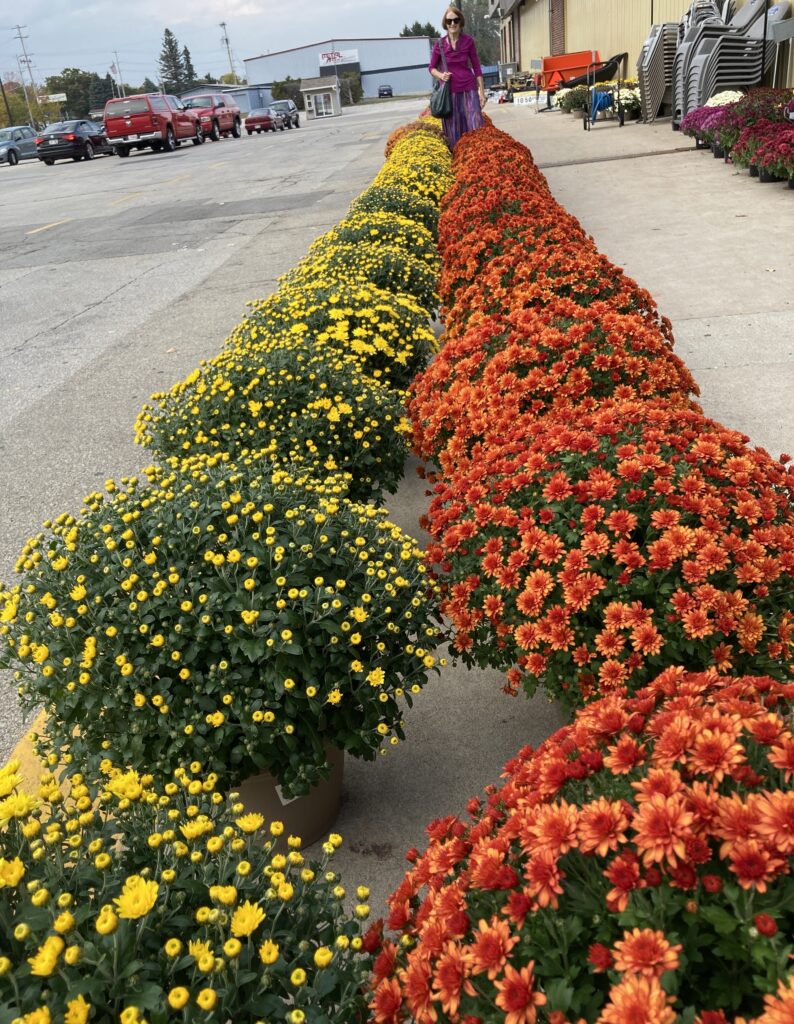
I’ve been tempted, but I’ve resisted. Rows and rows of identically shaped mounds of chrysanthemums now march across the front of my grocery and farm supply stores. They’re lovely, they’re on sale and they will last only a week or two. Then I’ll be left with an unsightly dead plant and a plastic pot my recycling center won’t accept. And although some mums are perennials, these supermarket specials rarely survive when planted.
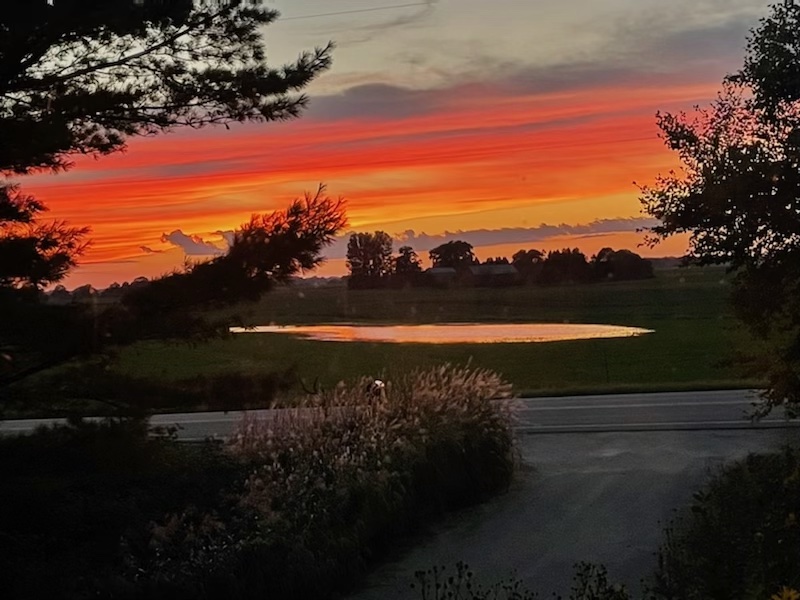
Fortunately for me, our yard is ablaze with fall flowers. Asters and their fall companions, goldenrod, are putting on their purple and gold show. Both of these plants are members of the Asteraceae plant family and both are hardy native plants. Mums are also in the Asteraceae family, but they hail from China.

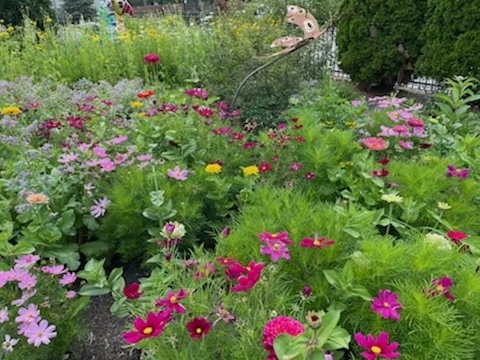
When we moved into our home 26 years ago, one giant clump of purple asters from my old garden moved with us. We wanted our new yard to be welcoming to bees, birds and butterflies. Asters are a big source of pollen and nectar for pollinators, and they are buzzing with bees in fall.
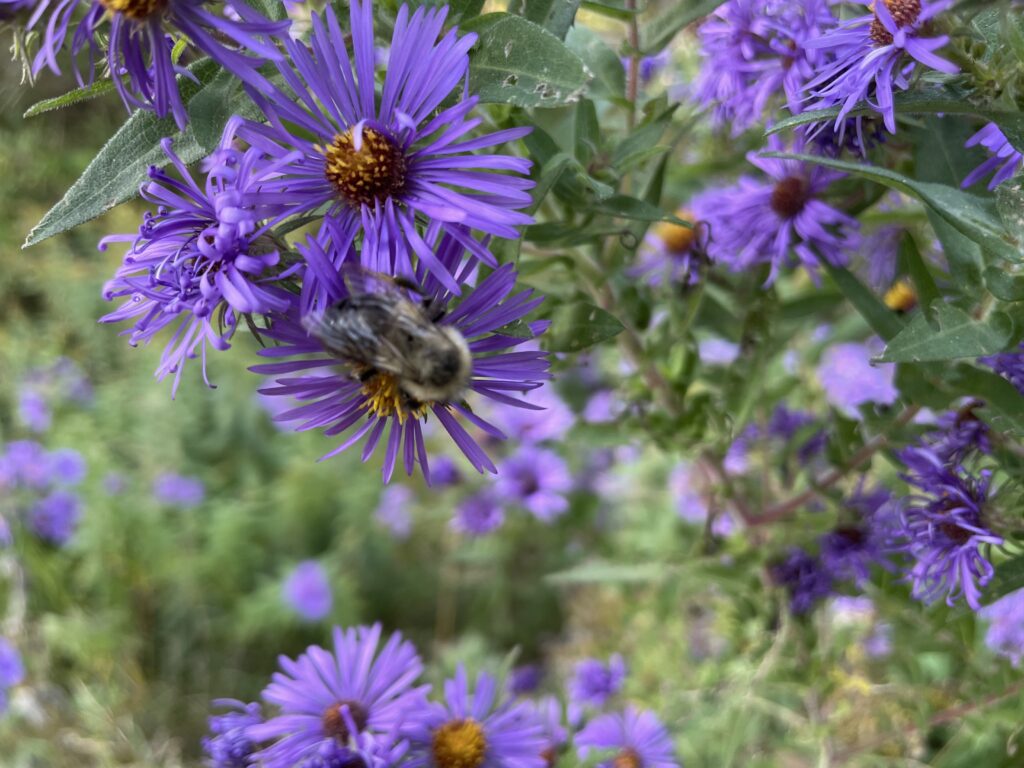
Can you spot the bee?

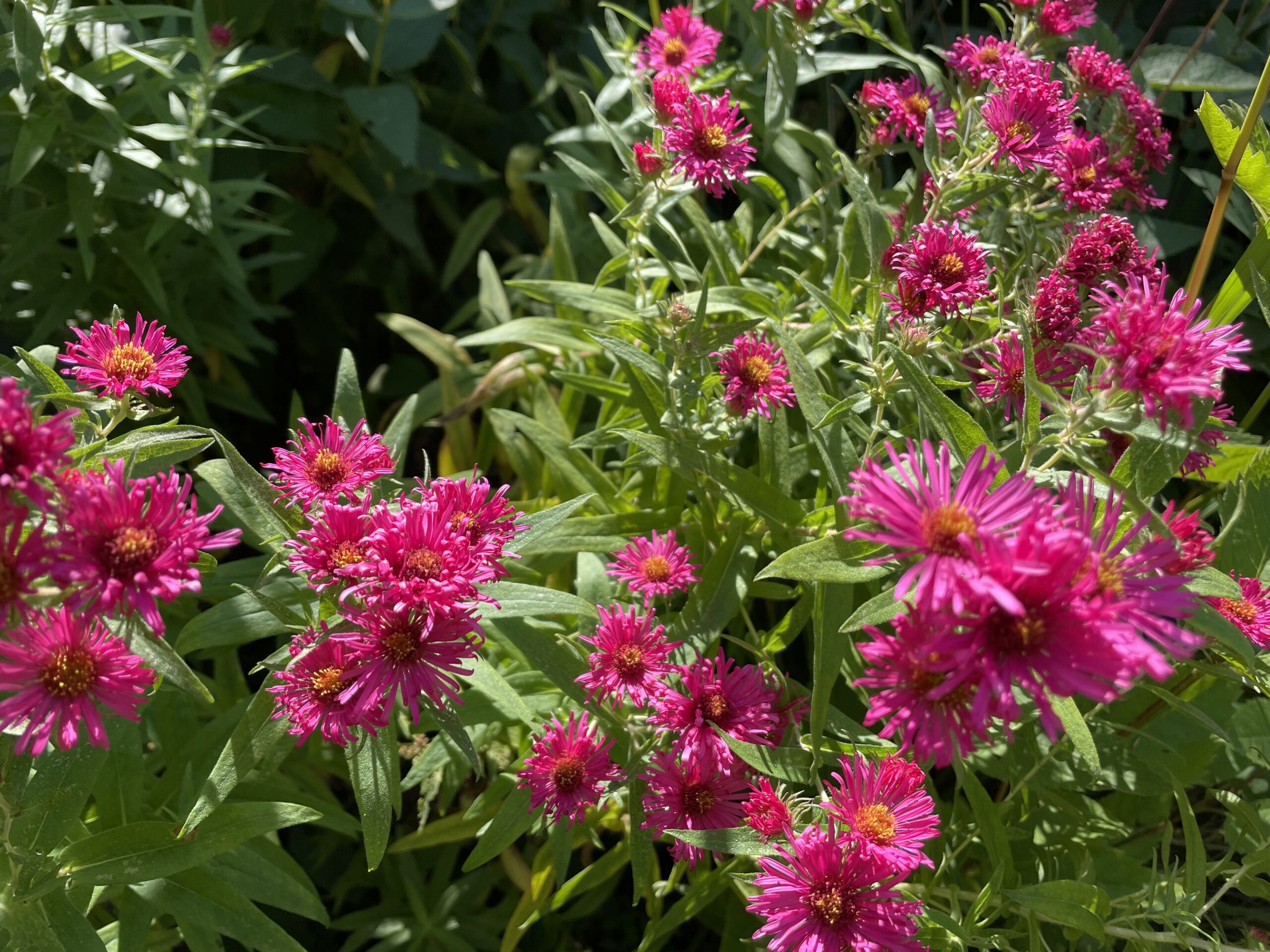
During our first decade here, the aster struggled to make itself at home. But then it took off and began to pop up all over our acre. And a puzzling thing occurred. I have several shades of colors from pale to deep purple. One patch is even a brilliant magenta. I have no idea how all this propagation happened, but I’m enjoying all these unexpected gifts which require absolutely no work or expense, year after year.

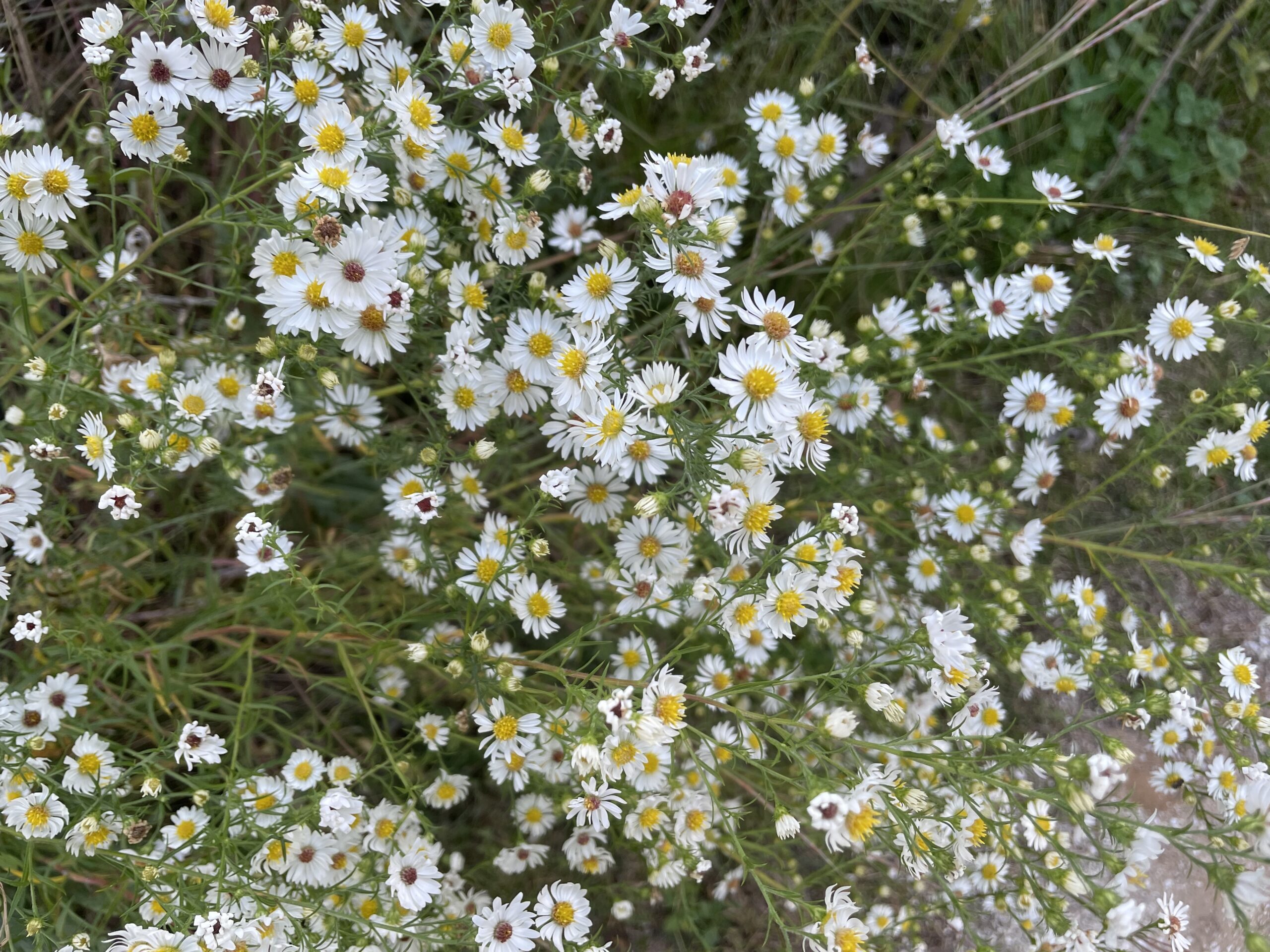
This fall, another surprise dotted our landscape. Masses of tiny white flowers like little stars joined the late fall flower show. Clueless about their identity, I took a photo, googled the plant identifier site and learned they are “frost asters”. Another gift from Mother Nature.
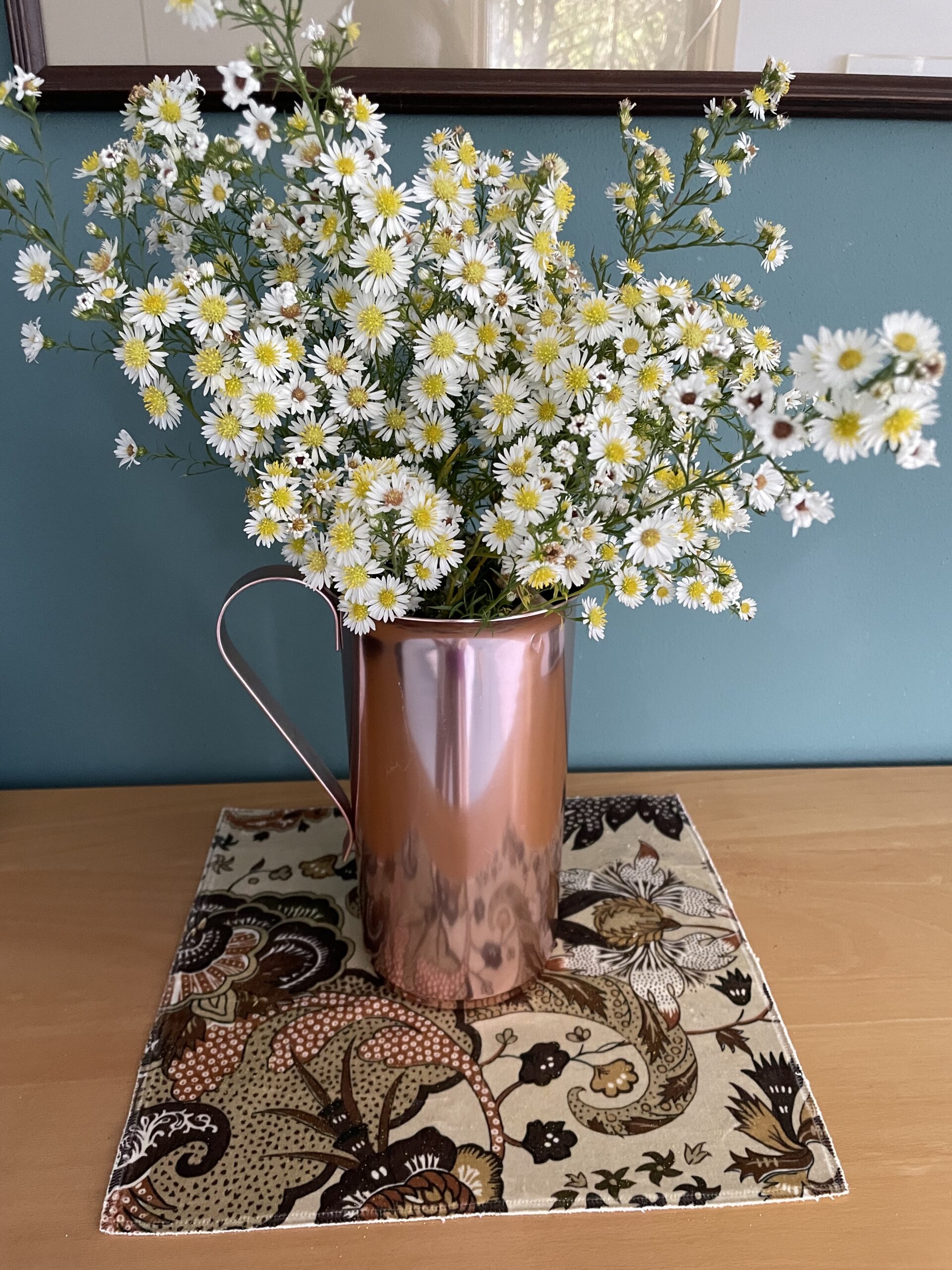
The name “aster” comes from the ancient Greek word “asteri” meaning star. In Greek mythology, the goddess Asterea looked up into the sky and saw no stars. Sad that her namesake was missing, she started to cry and, where her tears fell, asters grew out of the ground. I am sure that seeds, not tears, produced our fall spectacle. I will, however, thank my lucky stars for such beauty.

5

Wired

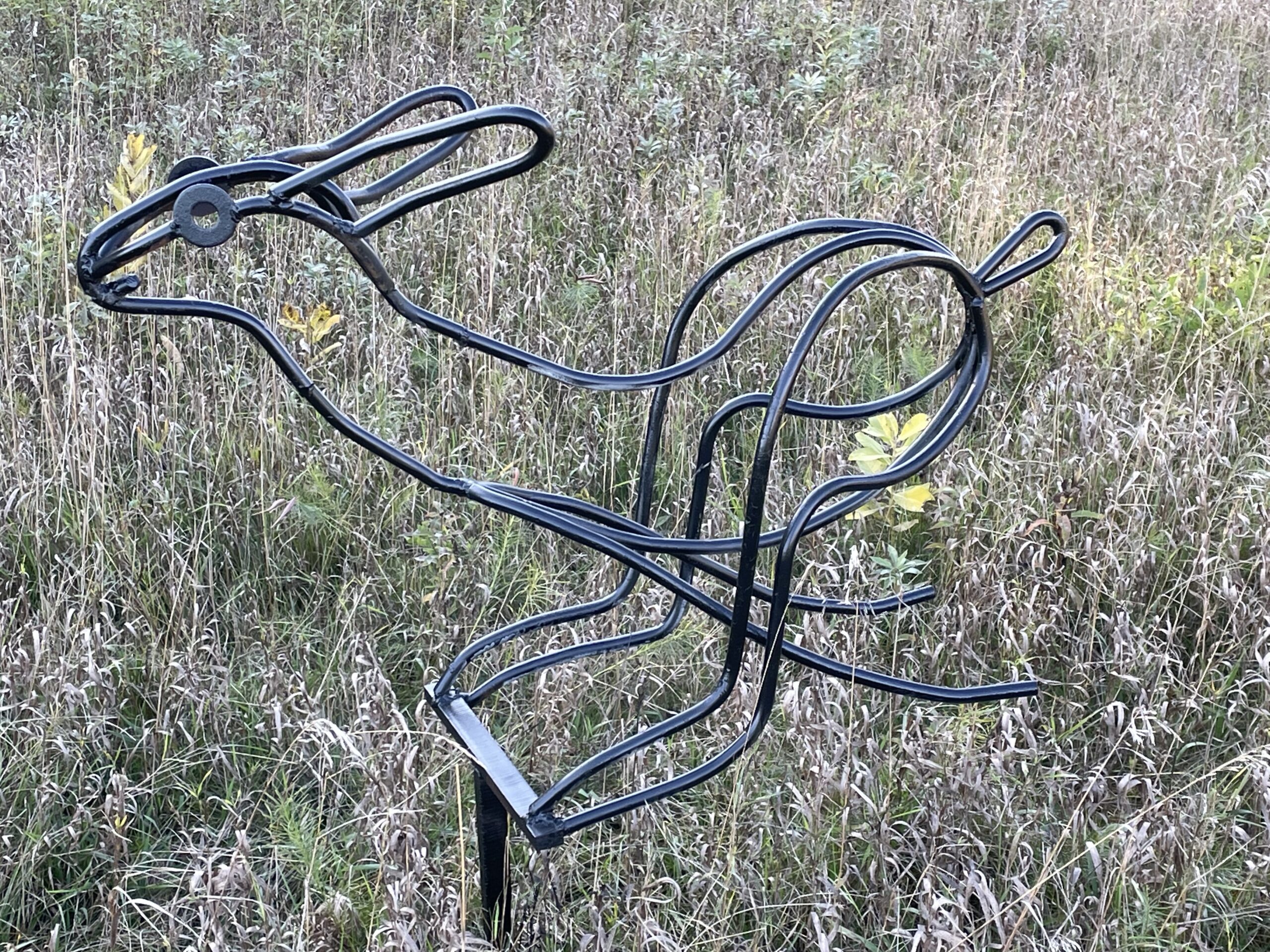
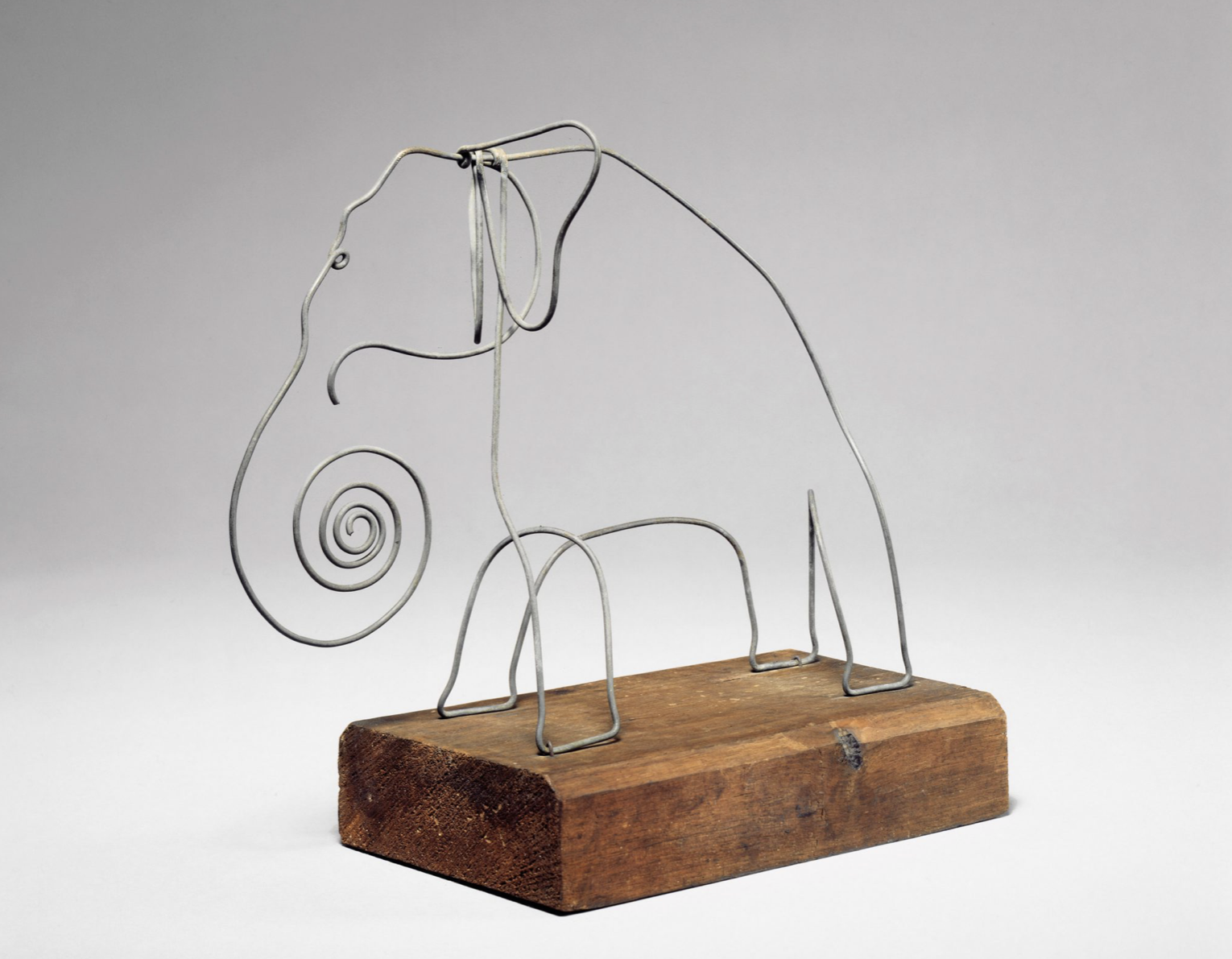
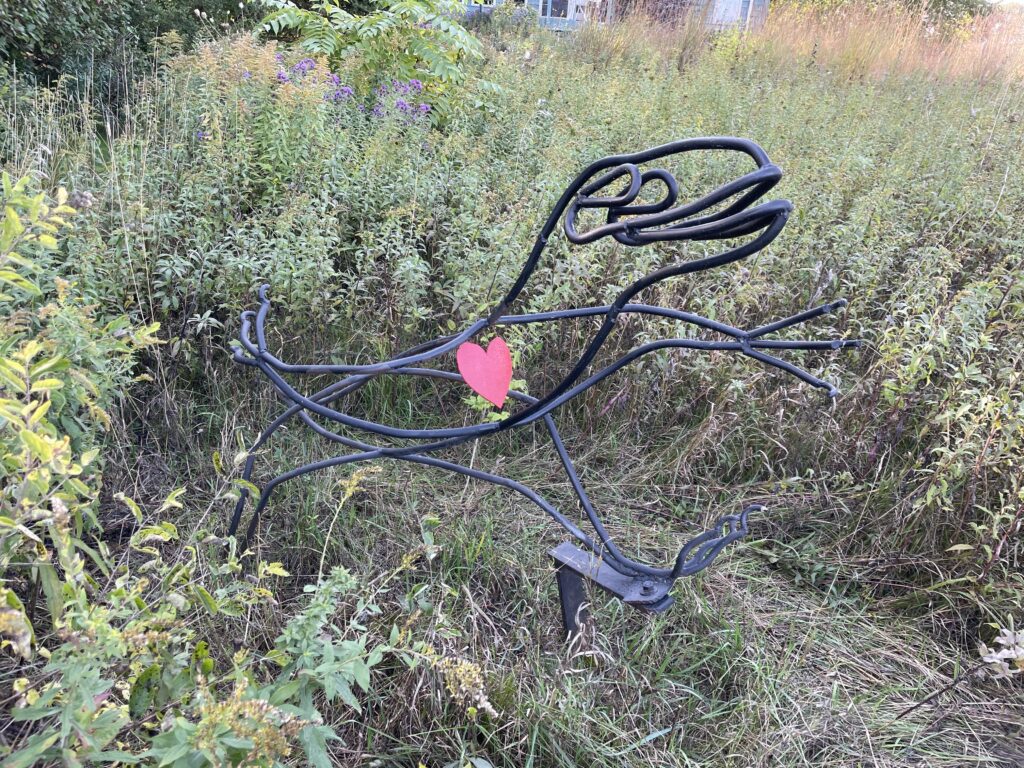
The other day, I painted a dinosaur. This was not an art project, but routine maintenance. Residing in our meadow, the dinosaur is a large metal sculpture by Wisconsin folk artist, Ellis Nelson.

When I finished washing and wire brushing Dino, I painted him with black spray paint. After purchasing this bent wire sculpture decades ago, I asked Ellis how I should take care of it. “Just get the cheapest can of spray paint at the hardware store”, was his unpretentious reply. I did add one deviation from the original paint job. Now Dino has a red heart, and I’m sure Ellis wouldn’t mind at all.

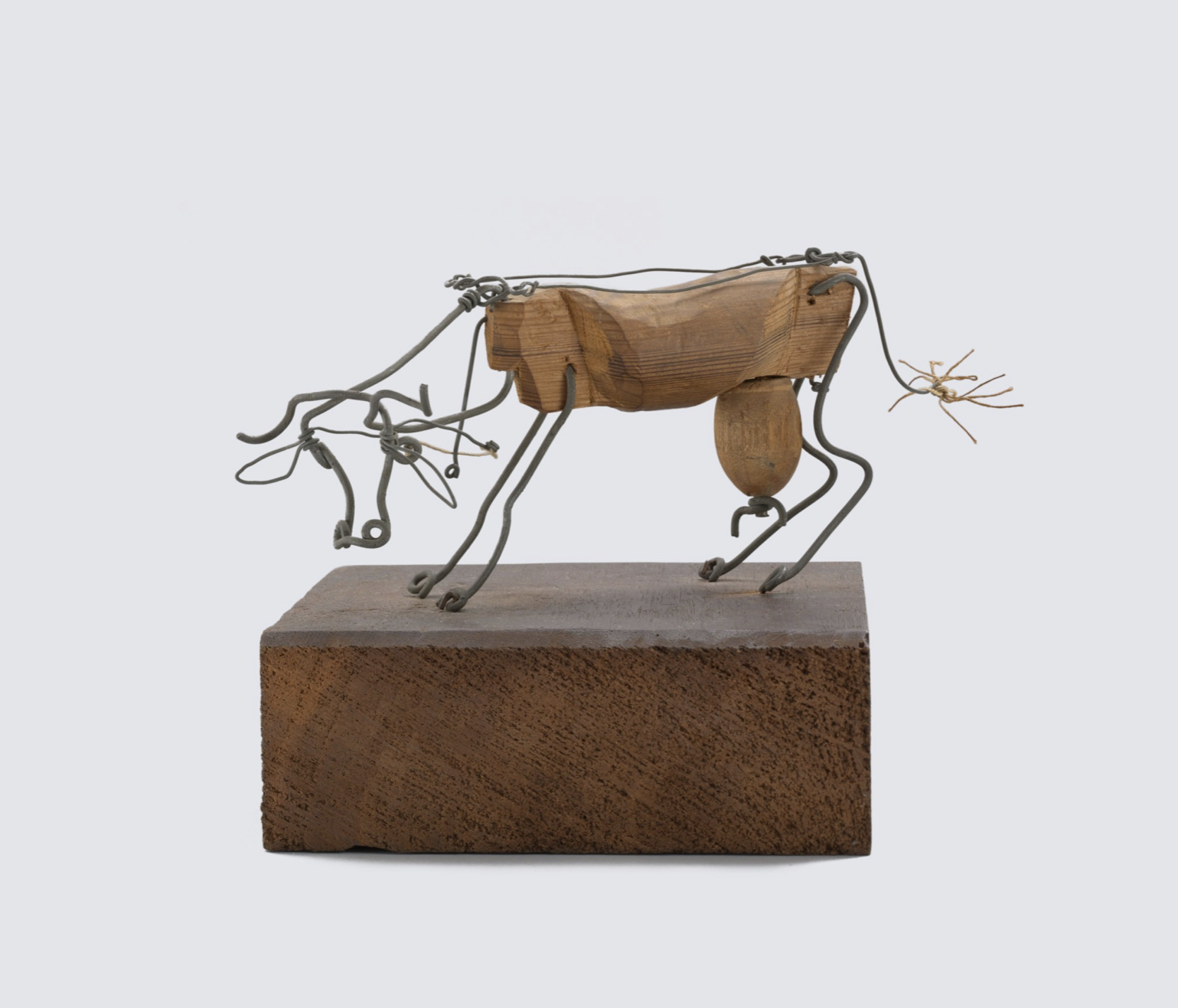
While happily spraying, I marveled at the genius of the artist. He makes it look so easy, a few simple bends, and, voilà, a racing dinosaur is captured in bent wire.

But it’s not easy, it’s devilishly difficult. I’ve seen the tears that prove my point. When I gave a class of art-talented fifth graders an assignment to create anything they wanted in bent wire, several broke out crying from frustration. They thought they could easily master it. The media proved them wrong.

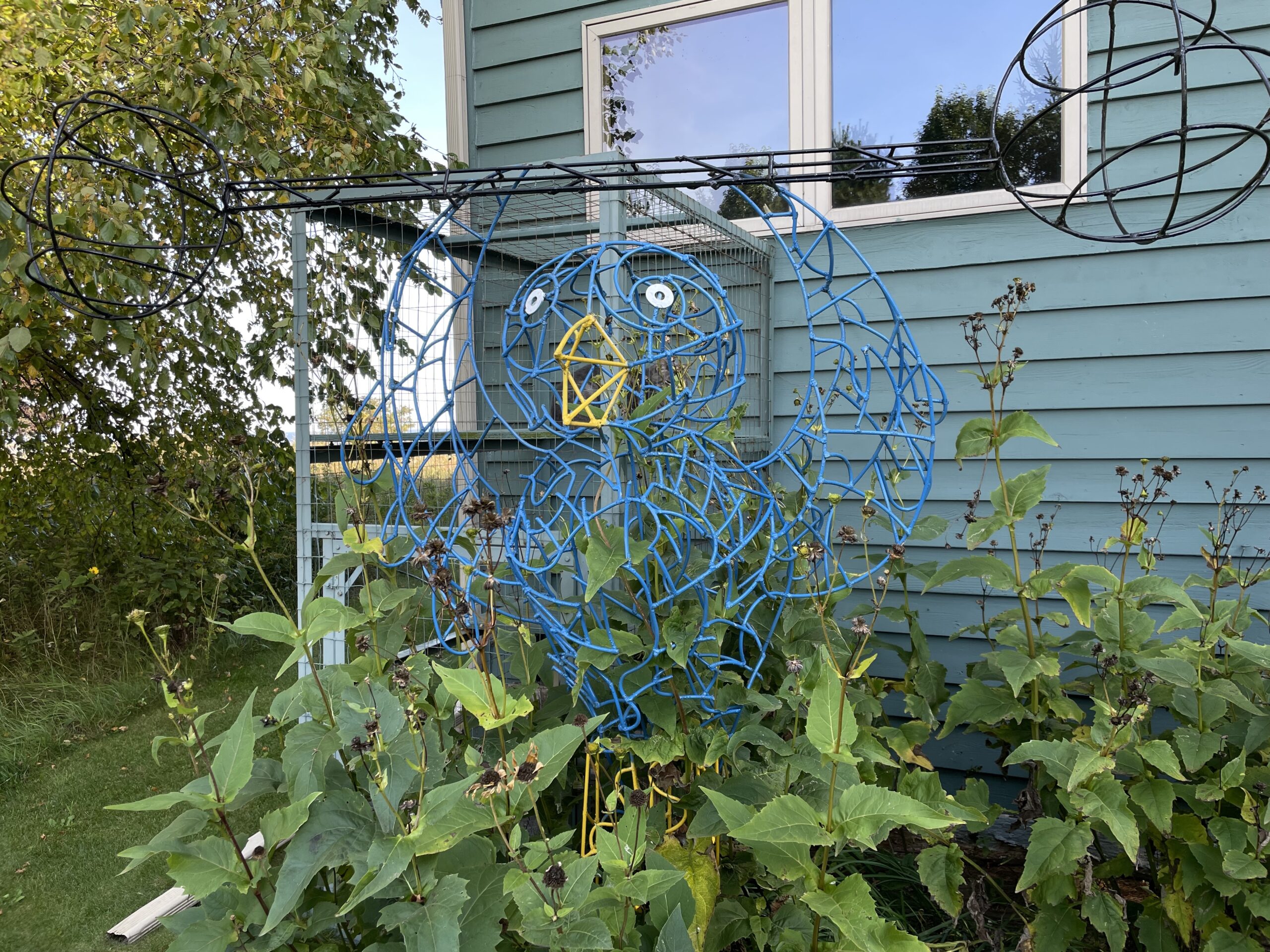
The same day that our dinosaur got his new coat of paint, his companion, Ellis Nelson’s charming rabbit, also got a touch-up. This past spring, my husband tackled a more complex spray paint job, our big bird sculpture by another Wisconsin artist, Bill Reid. It is a delight living with our metal menagerie.

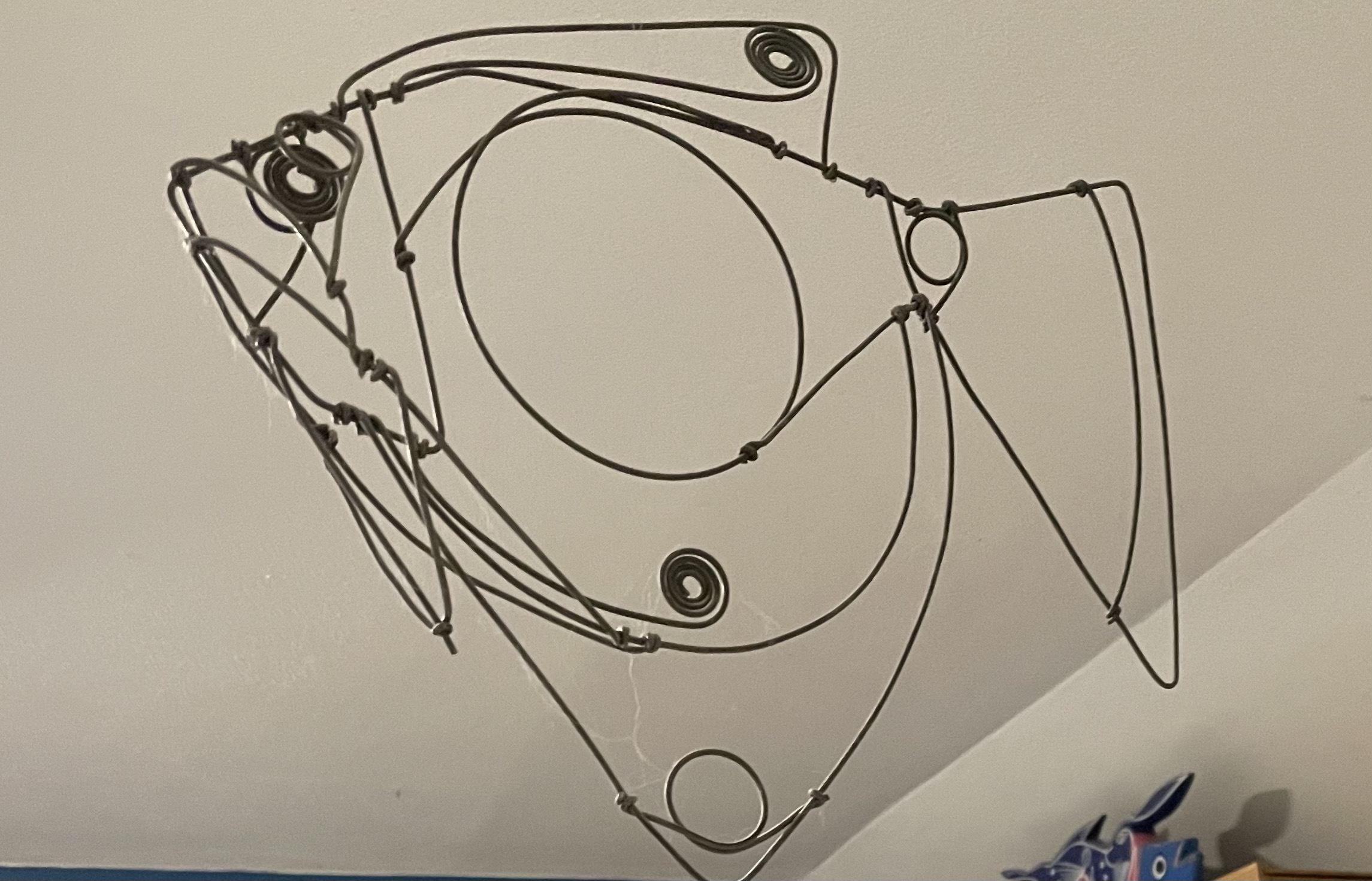
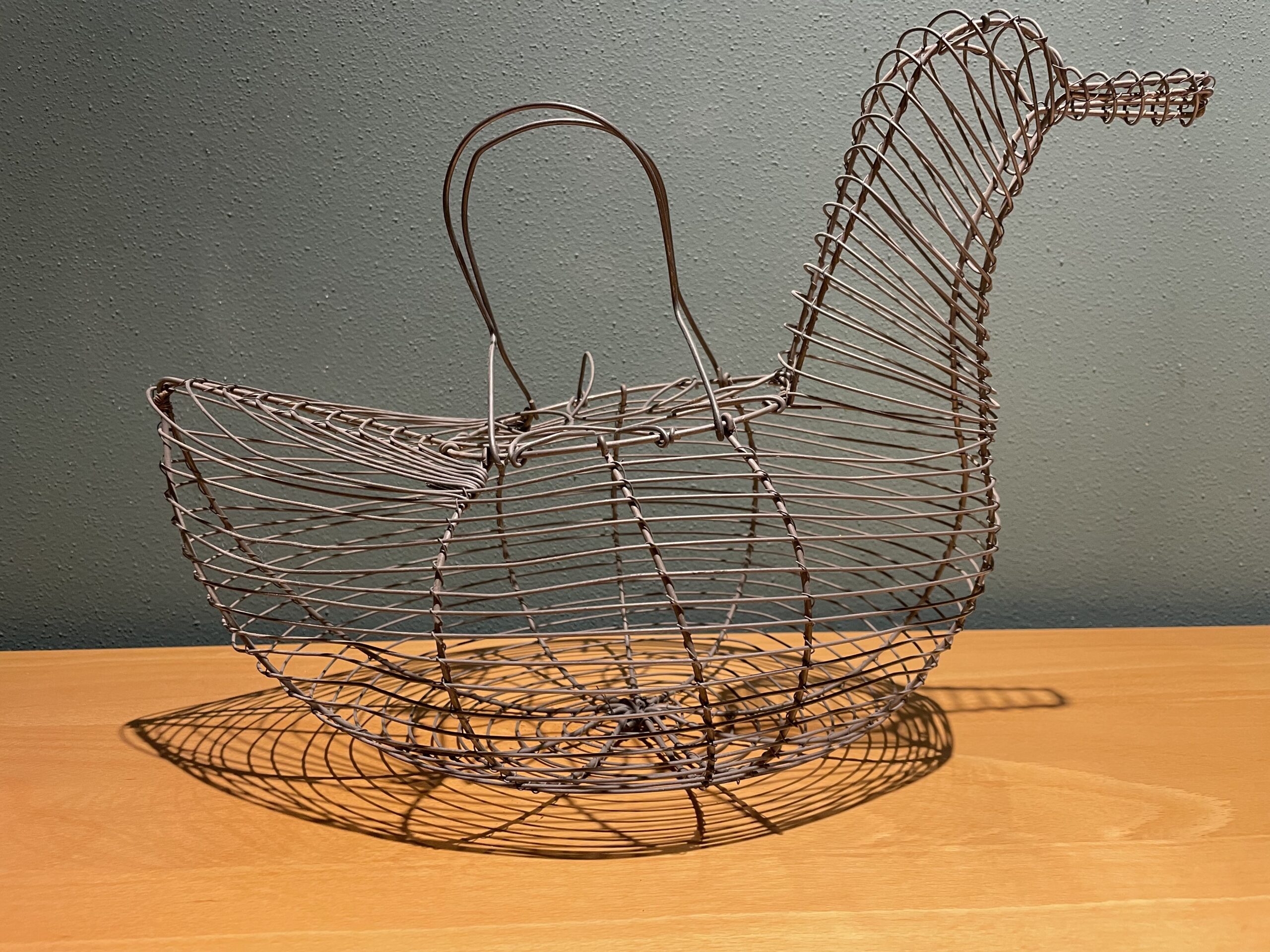
Here are pictures of wire sculptures in our collection. And finally, a few examples of the work of the artist who started it all, Alexander Calder.

If you ever find yourself with a scrap piece of wire in your hand, give a sculpture a try.

3

Colorful

This summer I had an interesting conversation with a children’s librarian. After I complimented her on the extremely colorful outfit she was wearing, she replied, “Have you noticed that color is being taken out of our lives?”

Being an art teacher, a lover of color, I immediately started thinking about her question. On my drive home, many instances where her words were correct started popping into my head. Blandness and uniformity are on the upswing.

My first thought was of my husband’s summer shirts. Men’s clothes are downright boring compared to women’s, but their summer shirts used to offer some relief. Every time I shopped at thrift stores this summer, I looked for one of those retro, patterned shirts. I found none.

Fortunately, my husband has a few summer shirts left over from the 70s. Here’s his favorite. If you watch reruns of the hit show of the 70s, Hawaii Five-O, you will be shocked at the wild colors and patterns of both the men’s and women’s clothes. Our wardrobes have definitely all faded.

The color drain reaches into other areas of our lives as well. I recently visited a large Chicago furniture store. I was not there to buy their furniture but rather wanted to see the historic building which had been rehabbed as their showroom. However, I was stunned by the furniture, many floors of it, all upholstered in shades of black, white, tan or gray. I felt like I had walked into a movie before colored films were invented.

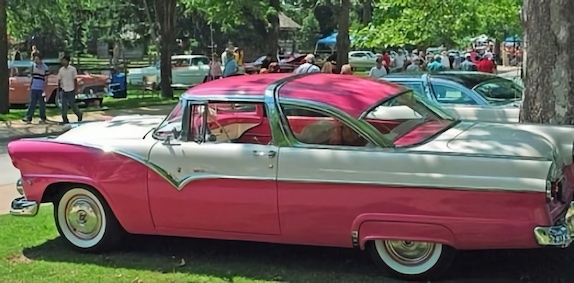
Cars must also be mentioned here. The era of the colorful car was the 1950s. And the most colorful of them all was this gem, the Ford Fairlane, in the American Beauty Rose color. The most popular car colors in 2022 are silver-gray, white and black which account for 75% of all cars sold.

I have not a doubt in my mind that color makes people happy. Think of how joyful we become when seeing a garden of wildly colorful flowers or a spectacular sunset. Mother nature is not afraid of color. We shouldn’t be either.

6

Bests

My husband and I are in total agreement. Summer is our favorite season, and we both wish the lovely warm days could linger much longer. We have many friends and family members who are connoisseurs of fall. While appreciating autumn’s beauty, we are uncomfortably aware of its underlying message, “this is a finale, winter is waiting in the wings.”

At the end of each calendar year, the media roll out the “best of” lists. We think summer deserves a list all of its own. Here are our top picks. We hope your summer was filled with many bests as well.

◉ The Best Lake Michigan Beach Glass

A perfectly polished, cobalt blue beauty, found by our niece

◉ The Best Insects

Mosquitos, because there were almost none of them. A late, cold start to summer apparently slowed down their sex life.

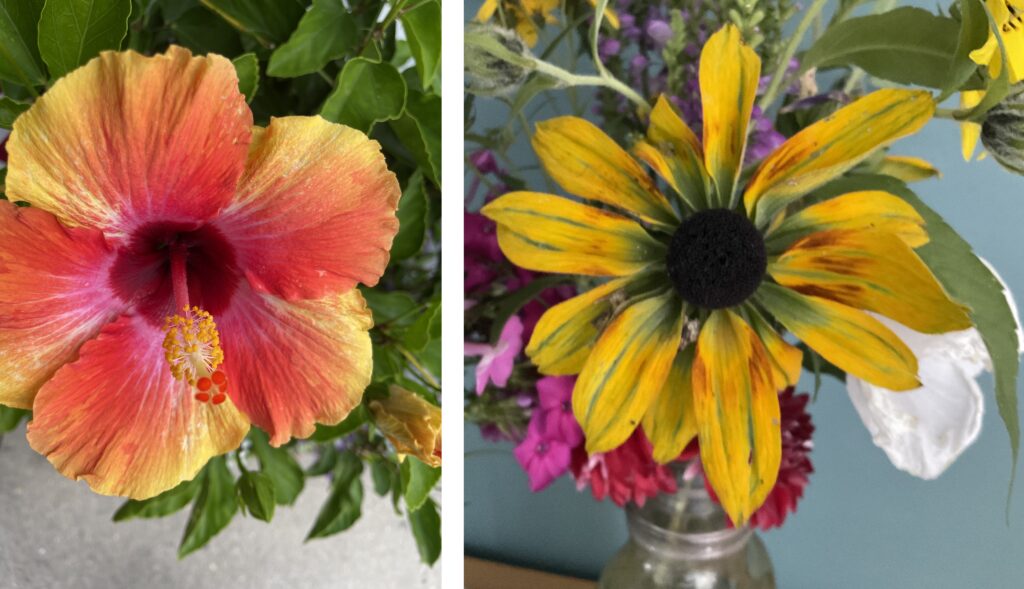
◉ The Best Flowers

A tie between a sensational hibiscus spotted in a downtown Cedarburg flowerbox and my neighbor’s “painted” blossom

◉ The Best View

The Wisconsin River joining the Mississippi River viewed from Pikes Peak State Park in Iowa

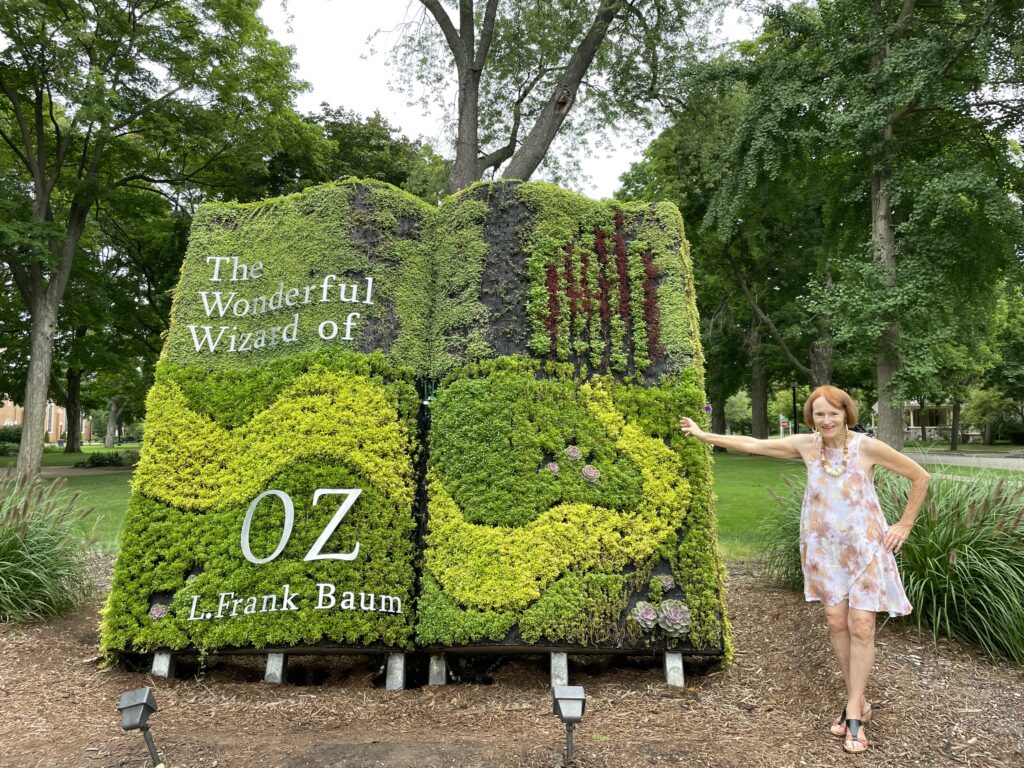
◉ The Best Serendipitous Discovery

A floral book in a Holland, Michigan city park

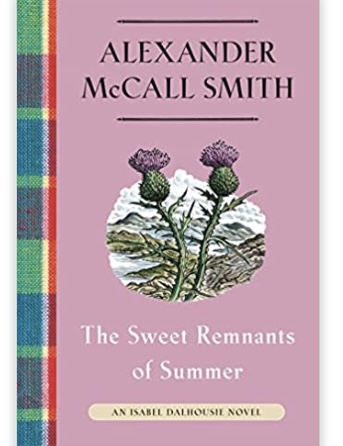
◉ The Best Summer Reads

Fiction: The Sweet Remnants of Summer by Alexander McCall Smith

Nonfiction: The Soul of an Octopus by Sy Montgomery

◉ The Best Music

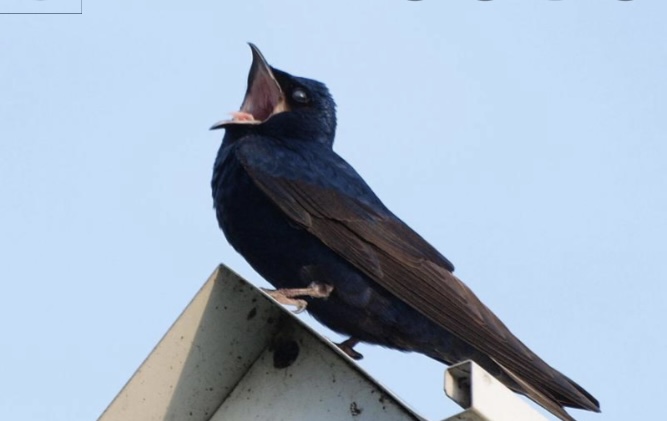
The beautiful vocals provided by our purple martins from sunrise to sunset

◉ The Best Summer Meals

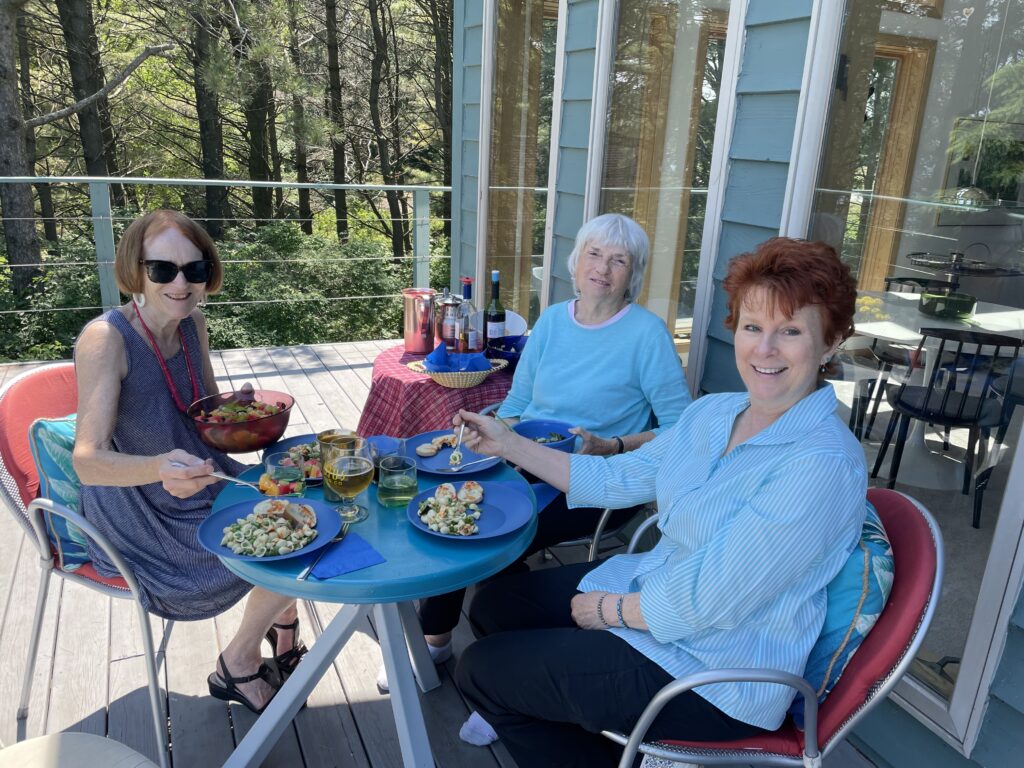
Every meal we could eat outside on the deck…especially the ones shared with friends

◉ The Best Summer Snack

Beer and beignets at our local brew pub

⦿ The Best Adventure

Driving four laps on the Road America track. (The Porsche Club of Chicago lets mere mortals do this for a $10 donation to charity. 50 mph is the top speed.)

Forward to autumn!

6

Purse

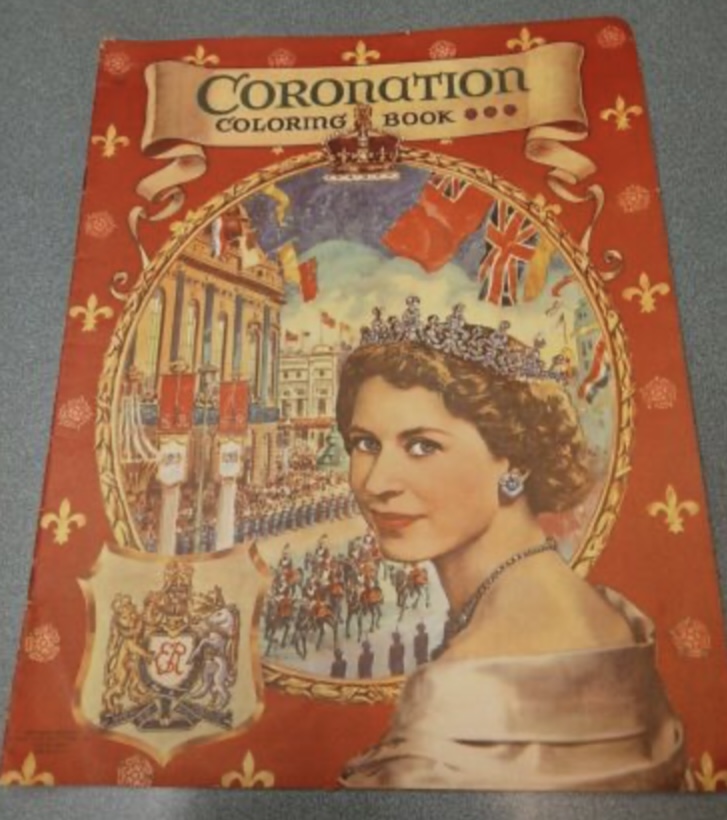
Note: My mother bought me the Coronation Coloring Book in 1953. She was a Britophile her entire life, loving the royals, our Morris Minor car (a mechanical disaster) and her subscription to Punch Magazine. Perhaps history tells me why my mother, of 100% German ancestry, was enamored with all things English. My mother’s life spanned both World Wars and she may have wanted to be on the side of the good guys.

Last Tuesday, a picture rocketed around the world of Queen Elizabeth receiving Liz Truss as the new Conservative Prime Minister. Her majesty was, as always, an impeccable presence. Her signature large hat, coordinated outfit, tasteful jewelry, non-changing hairstyle and large rectangular purse…all were in place.

Last Thursday, the Queen was dead, and the shock waves were felt around the planet. Reflecting on her life and legacy, I immediately thought of an odd thing, a Montessori classroom.

Dr. Maria Montessori worked with the poorest of the poor children from Italy’s teeming slums. She believed these young people needed to escape the chaos of their daily lives and have an ordered place in which to learn, a place where things weren’t in constant flux. In her classrooms, the red rods, pink towers, sandpaper letters, maps and bead boards all lived in their own cabinets with similar equipment. Even the objects’ locations on the shelves never varied. Everything was unfailingly dependable. The children felt safe and secure. Maria’s method has flourished for over 116 years.

Queen Elizabeth II gave the British public the same comfort as those classrooms. She always showed up and was calm, ordered and above the fray. She was the antithesis of a drama queen. Her subjects were united by her courage and devotion.

For me, the most poignant part of Tuesday’s picture was the purse over her arm. The Queen was in her own summer home, Balmoral Castle. No practical need for a large pocketbook existed. But there was a strong symbolic reason for the handbag: it maintained her reassuring image.

In an age where change comes with whirlwind speed and “get” is more valued than “give”, the Queen remained constant to the words she spoke on the day of her 21st birthday. “I declare before you all that my whole life, whether it be long or short, shall be devoted to your service.”

She kept her promise.

7