I never encountered the word “arthropod” until I was in my late twenties and visiting the Natural History Museum in Toronto with my husband and small children. The exhibition banner proclaimed “MEET THE ARTHROPODS” in huge letters. I had no idea who they were. The Canadians enlightened me.
To this day, I do not understand why we do not teach this enormous phylum of animals as a unit in our elementary schools. That would be so logical. Therefore, when I created my “Creepy, Crawly Creatures” program for children, I included all of the major groups of arthropods or “jointed foot” animals.
Since summer is ramping down and arthropod activity is ramping up, I thought a few words about these creatures would be timely. The numbers and biomass of the arthropods far exceed that of any other animal group on earth. We are surrounded by them wherever we go on land or water.
For starters, here’s what it takes to be an arthropod:
- Many pairs of jointed legs
- A hard outer shell called an exoskeleton
- A segmented, bilaterally symmetrical body
And here are the major groups:
- Crustaceans
We eat lots of these arthropods, such as crabs, lobsters, crayfish, shrimp and prawns. Have you ever thought of a lobster as just a giant cousin to an insect? The largest animal on earth, the blue whale, consumes tons of a tiny crustacean, krill, every day.
- Centipedes and Millipedes
These guys get the prize for having the most legs. Centipedes, who have venom to catch their “meat”, have up to 177 pairs of legs. Millipedes are dedicated vegetarians who mostly live underground munching on rotten leaves. They have up to 200 pairs of legs.
- Arachnids
Spiders and their cousins including ticks, mites, scorpions and daddy long legs make up this group. Spiders with their eight legs, two body parts, fangs and venom are best known for the irrational fear they induce in many of the human species. The scientific facts are:
Spiders never chase or target people. We are not lunch. Every bite is an accident. This happens when we step on, sit on, roll over or accidentally grab one.
Of approximately 43,000 spider species worldwide, only 1/10 of 1% are a serious threat to humans
Spiders are in desperate need of public defenders.
- Insects
Instantly recognizable with their six legs and three body parts, insects are survivors. They can live anywhere, eat almost anything and make massive numbers of eggs. Is it any wonder that if we make the planet uninhabitable for us, they will still thrive?
One last thought…if you say, “bugs bug me”, consider the following beauties.
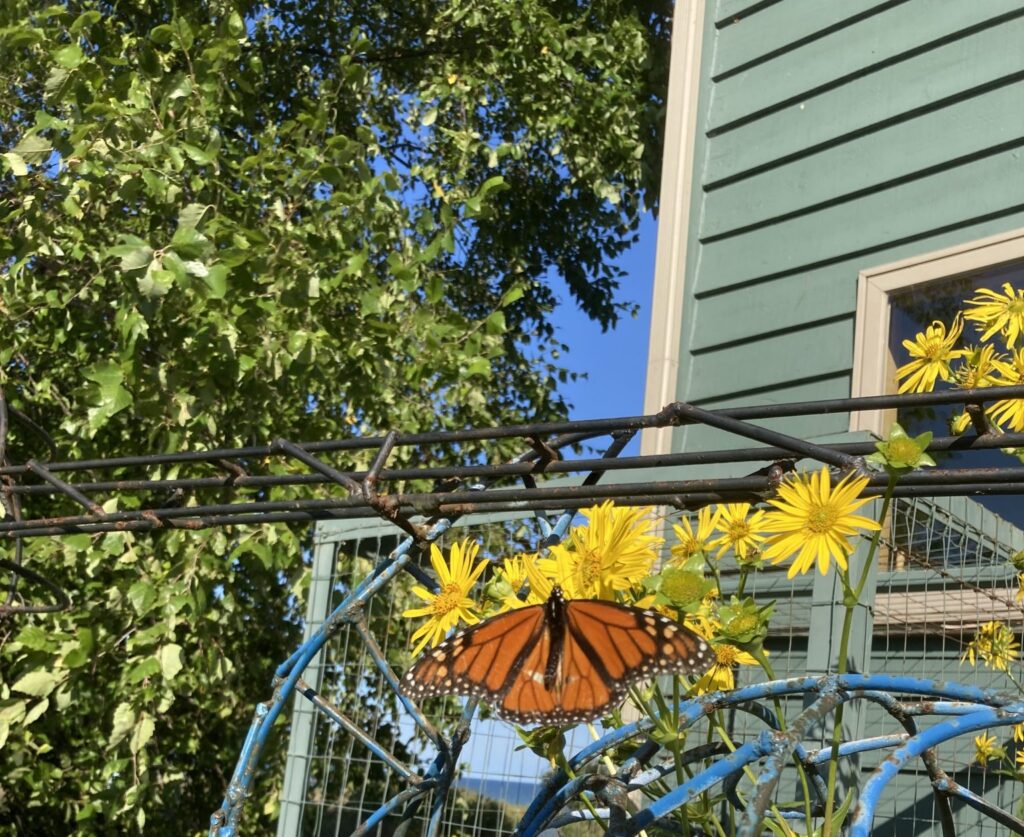
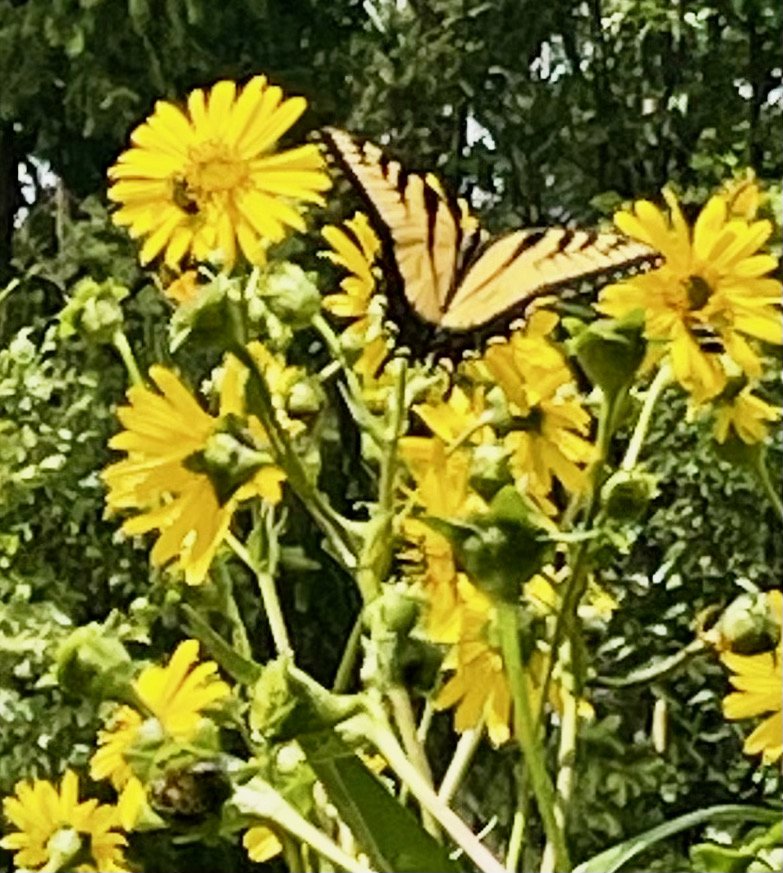

Arthropods rock!