In college, I chose botany over zoology figuring I would find more joy in dissecting plants than dead animals. This fortuitous decision gave me more than three credits. It gave me a life-long love of botany. Summer has just arrived, and what better time for a refresher course in Botany 101… minus the exams.
For starters, 90% of all the plants on earth now are angiosperms or flowering plants that have seeds enclosed in fruit. This phylum contains approximately 300,000 species which are grouped into 416 families. However, over one-fourth of all the flowering plants are in the top three families.
Ask a small child to draw a flower, and the flower will almost always be in the aster family, Asteraceae, the largest plant family with 24,000 species. It’s the classic flower design, a round center with petals radiating around. Our gardens overflow with this family: asters, sunflowers, daisies, dahlias, chrysanthemums, marigolds, zinnias, cosmos and dandelions. But we can also eat some of the family members, lettuce and artichokes.

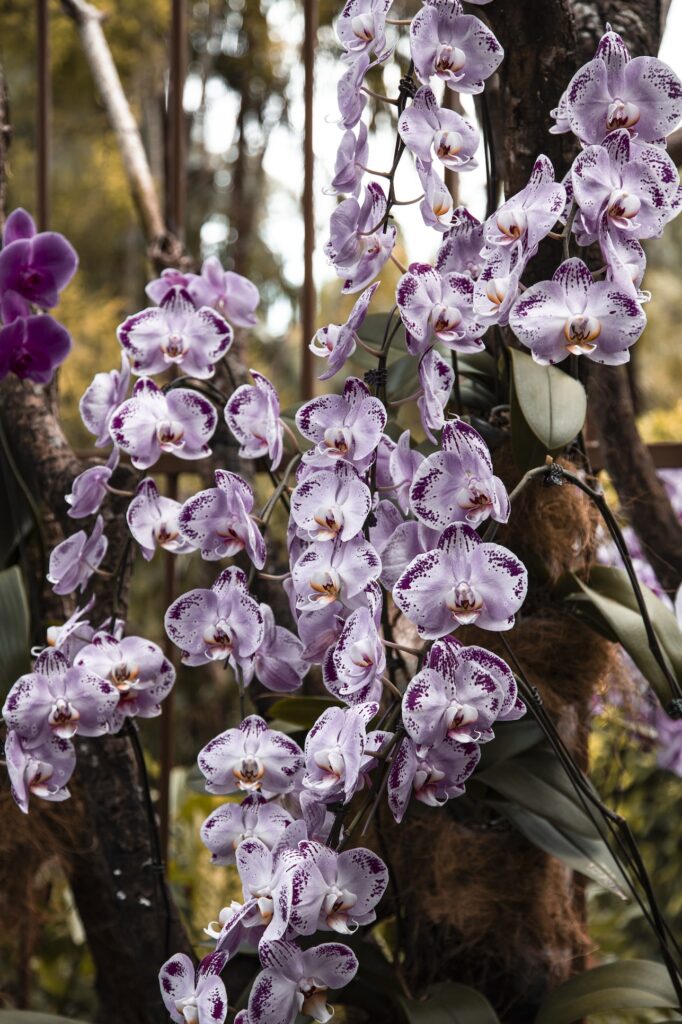
The orchid family, Orchidaceae, is the second largest plant family with over 20,000 species. Most orchids like it hot, growing in the tropics. And the majority of orchids are epiphytes or “air plants”. They attach themselves to trees in the rainforest to get more light. Needing no soil, the roots dangle in the air taking in the moist air and rain. Around 200 species of orchids are native to the United States, of which 50% call Florida home.
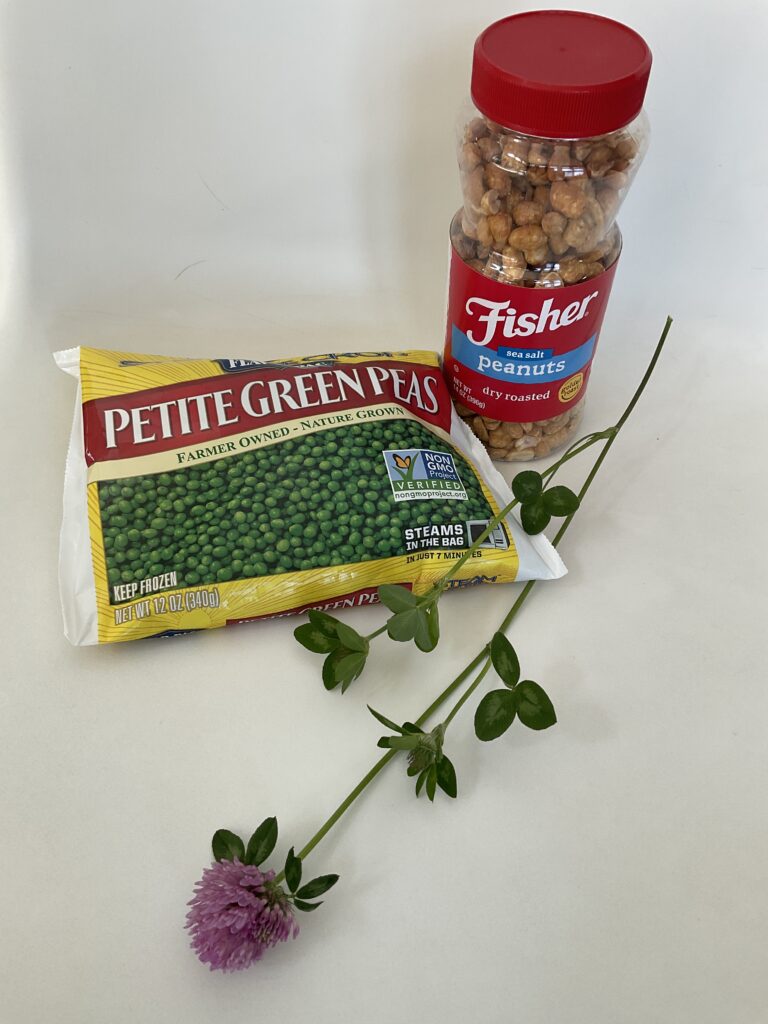
If you like pea soup or bean burritos, thank the third largest plant family, Fabaceae, the pea and legume family with 18,000 species. Members include peas, all sorts of beans, clover and alfalfa. Peanuts are family members, too, and they form in an unusual way. “Flowers develop near the ground. After the flowers have self-pollinated, its developing fruits force themselves under the ground first vertically, then horizontically. Its fruits then continue developing underground until they mature.”
Humans would not survive without the fourth largest plant family, the grass family, Poaceae. Its 12,000 species include the major worldwide food sources, wheat, corn, rice, oats, rye and sorghum. Bamboo is also a grass. Ponder this: A person can sit in a bamboo house on a bamboo chair at a bamboo table and eat bamboo shoots off a bamboo plate. And this story could go on and on.

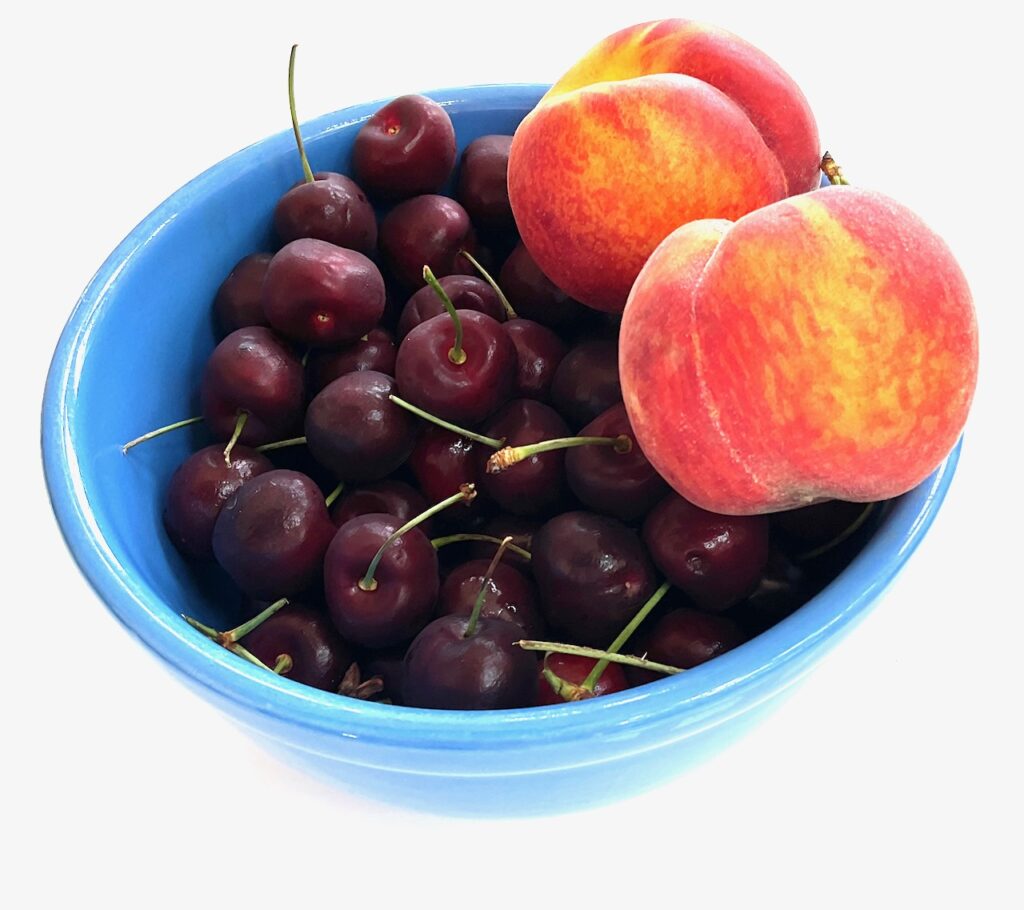
And last, I’ll end on a note of sweetness. Rosaceae, the rose family, has over 2,500 species. How can a summer day get better than this…smell the roses while eating a ripe peach? Or perhaps you would prefer a plum, pear, apricot, apple, strawberry, raspberry, cherry, blackberry or almond. The rose family is the taste of summer.